







Hunters in the EU will soon be unable to use lead shot anywhere. On 8 October 2026 the European Parliament cleared the way for an EU-wide ban that covers all habitats, not just wetlands. Animal and nature protection groups have fought for this for decades. There are two catches: a seven-year transition period and an exemption for lead bullets.
In short
- The decision: Parliament rejected objections to the Commission’s lead gunshot restriction
- What is banned: gunshot containing at least 1 percent lead by weight, for hunting and outdoor sport shooting
- From when: seven years after entry into force, so 2033 at the earliest
- What stays legal: lead bullets, used for example to hunt wild boar and deer
- The victims: an estimated one million birds die of lead poisoning in the EU every year
Contents6 chapters
What Parliament decided.
The European Commission proposed the restriction under the REACH chemicals regulation, and member states approved it in committee in June 2026. Parliament then had the chance to block it. MEPs from the ECR and Patriots for Europe groups tried with two objections. Both failed, first in the Environment Committee and then in plenary on 8 October.
The Commission can now formally adopt the rule. Once it is published in the Official Journal, a seven-year transition begins. After that, carrying or using lead shot while hunting and firing it in outdoor sport shooting will be prohibited, with exemptions for indoor ranges, police and military. The ban applies across the EU, the European Economic Area and Northern Ireland.
Until now, lead shot was only banned in and around wetlands, a rule in force in all member states since 15 February 2023. Everywhere else, hunters could keep shooting lead.
Why lead kills birds.
According to BirdLife Europe, more than 44,000 tonnes of lead enter the environment in the EU every year through hunting, sport shooting and fishing. At least 92 bird species are at risk, and around one million birds die each year.
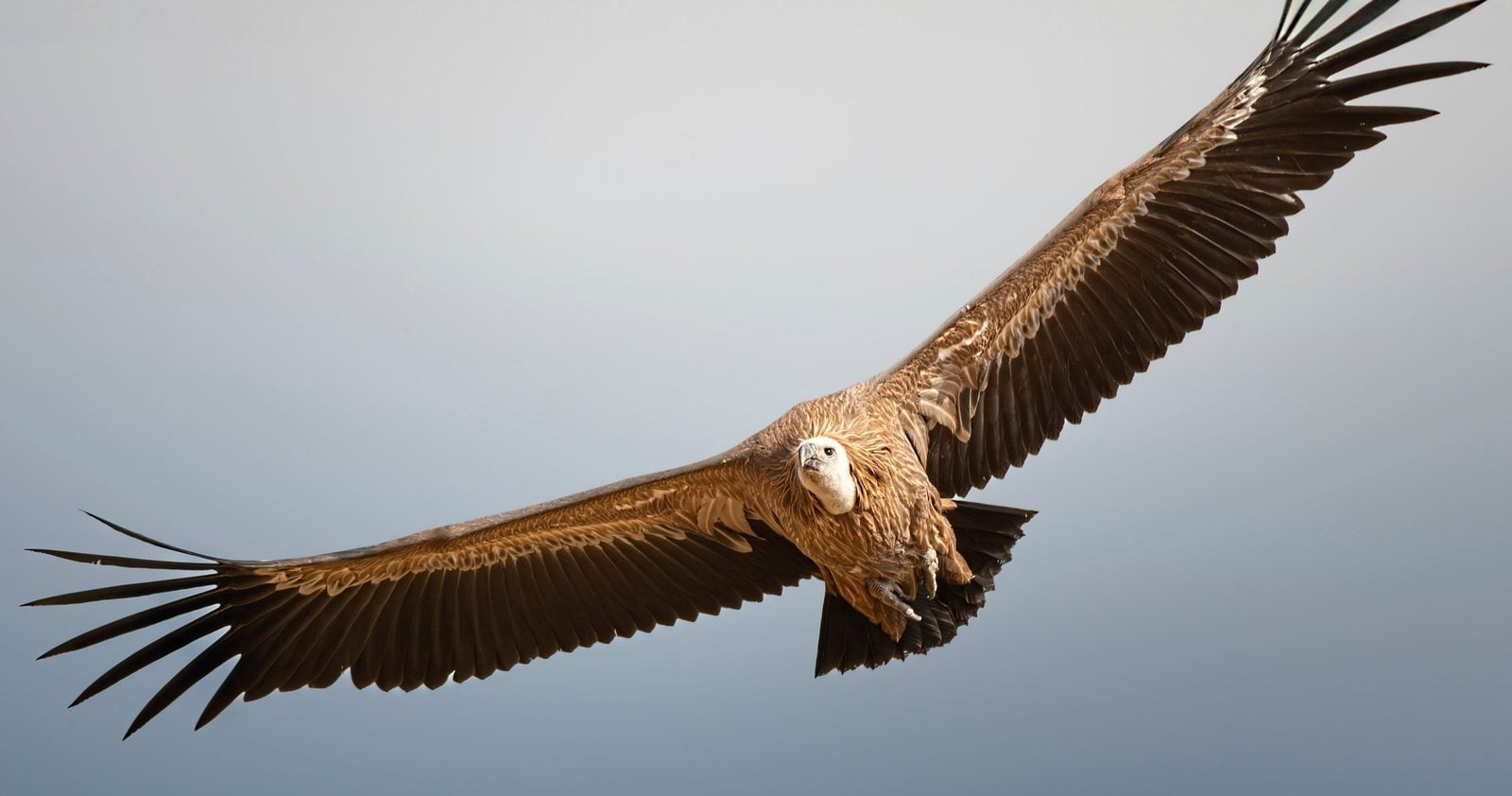
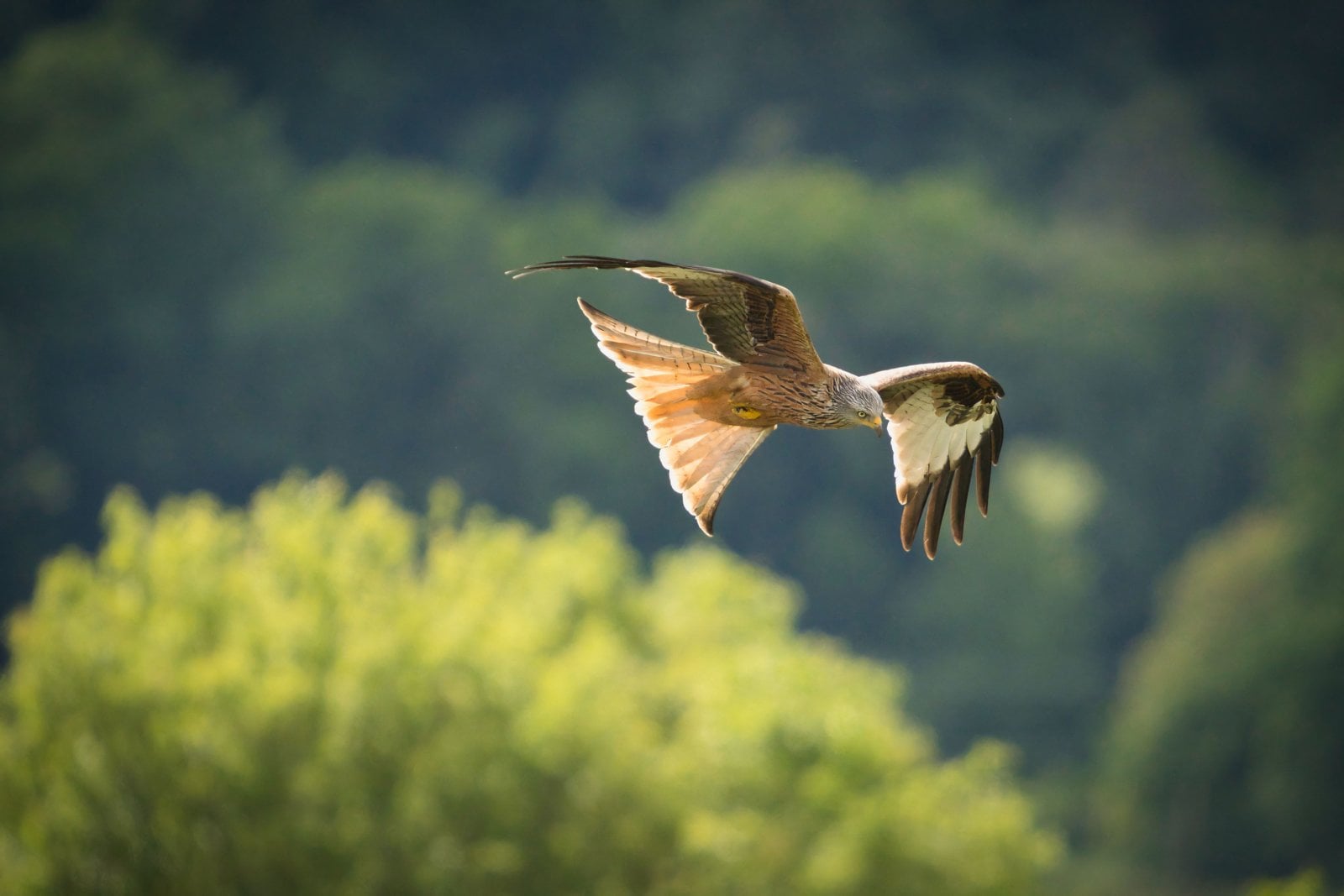
Birds are poisoned in two ways. Ducks, swans and partridges swallow pellets, mistaking them for the small stones they use to grind food. A single pellet can be enough. Raptors such as red kites, white-tailed eagles, buzzards and vultures eat carrion or the gut piles hunters leave behind, which contain lead fragments. Lead poisoning is slow: birds grow weak, can no longer fly properly and often starve.
Two bad compromises.
Groups such as Pro Wildlife welcome the ban but criticise two concessions to the hunting lobby. The first is the transition period: seven more years of birds dying from a poison that has long been replaceable. Steel, bismuth and tin shot have been on the market for years.
The second is bullets. The Commission originally also wanted to restrict lead bullets, as used to hunt wild boar and deer. That part was dropped. These bullets fragment inside the animal and leave the lead residues that kill eagles and vultures. BirdLife Europe says it will keep campaigning until lead bullets are covered too.
The animal ethics view.
The ban protects birds that were never a hunter’s target: swans dabbling at the shore and eagles feeding on carrion. That their deaths are only being addressed after decades of scientific warnings, and with a seven-year delay, shows how much weight hunting interests carry in Brussels.
The underlying problem remains. Even with lead-free ammunition, millions of wild animals are shot every year, many of them not killed outright. Lead-free makes hunting cleaner for the environment. It does nothing about the cruelty for the animal that is hit.
What you can do.
- Don’t buy game meat. Demand for venison keeps hunting economically viable.
- Report poisoned raptors. If you find a weakened bird of prey, contact a local wildlife rescue.
- Watch birds instead. A good pair of birding binoculars brings kites and eagles up close.
Frequently asked questions.
Is lead shot banned in the EU now?
The path is set. Parliament rejected the objections on 8 October 2026, and the Commission still has to formally adopt the rule. The ban then applies after a seven-year transition, so from 2033 at the earliest. Lead shot has been banned in wetlands since February 2023.
Does the ban cover lead bullets?
No. Lead bullets, used for example to hunt deer and wild boar, are excluded.
How many birds die of lead poisoning?
According to the European Commission and BirdLife Europe, around one million a year in the EU. At least 92 bird species are affected.
Sources ●
BirdLife Europe press release of 8 October 2026, European Chemicals Agency (ECHA), statement by Pro Wildlife. Photos: Jesús Esteban San José and Johannes Hess / Pexels. This article contains affiliate links. If you buy through them, we receive a small commission at no extra cost to you.
Want our reporting to show up first in Google's Top Stories? Add This Is Vegan as a preferred source on Google.