



So, you’re thinking about going vegan. Maybe you watched a documentary that hit harder than expected. Maybe your best friend keeps raving about her oat milk cappuccino. Maybe a recent blood test got your attention. Whatever brought you here, welcome. We’ve been running a vegan magazine for years, we’ve interviewed athletes, scientists, chefs, sanctuary owners and rock stars about this topic, and we still learn something new every week. So this guide is the one we wish someone had handed us at the very beginning. No shame, no judgement, no kale-only nonsense. Just the things that actually work, with the evidence to back them up.
What does vegan actually mean
Most people read “vegan” and think “no meat, no cheese, no eggs”. That’s the diet part, and it’s the most visible piece, but it’s not the full picture. The official definition from The Vegan Society, the British organisation that coined the word back in 1944, reads like this:
“Veganism is a philosophy and way of living which seeks to exclude, as far as is possible and practicable, all forms of exploitation of, and cruelty to, animals for food, clothing or any other purpose; and by extension, promotes the development and use of animal-free alternatives for the benefit of animals, humans and the environment.”
Read that twice. The two words that matter most are “and practicable”. Vegan isn’t a purity contest. It’s a direction, a way of living, applied to every part of your day where animals could otherwise be used. So yes, the food on your plate. But also the wool jumper in your wardrobe, the leather strap on your watch, the silk lining in a blazer, the lanolin tucked into your lip balm, the carmine pigment in a lipstick, the shampoo tested on rabbits, the down filling in your duvet. Veganism, in its original sense, is a lifestyle that asks one quiet question across all of those areas: was an animal used or harmed to make this, and is there a fair alternative?
Plant-based is the looser cousin, and it usually refers only to food. If you’re cutting out meat and dairy first while still wearing your old leather boots, that’s a totally fine starting point. Most people we know got there in stages. The label matters less than what you actually buy, eat, wear and use this week.
Why this guide is different
The internet is drowning in beginner guides. Most of them either scream at you about cruelty or hand you a 14-day green smoothie cleanse. We’re not doing either. What we want is for you to still be vegan in six months, in two years, in ten years. That means we care about flavour, convenience, your social life, your budget, your wardrobe and your sanity. Going vegan is not a personality replacement. It’s a quiet, daily set of choices that get easier the longer you stick with them. And it touches more parts of your life than you probably realise on day one.
Three reasons people stick with it (and the evidence)
1. The animals
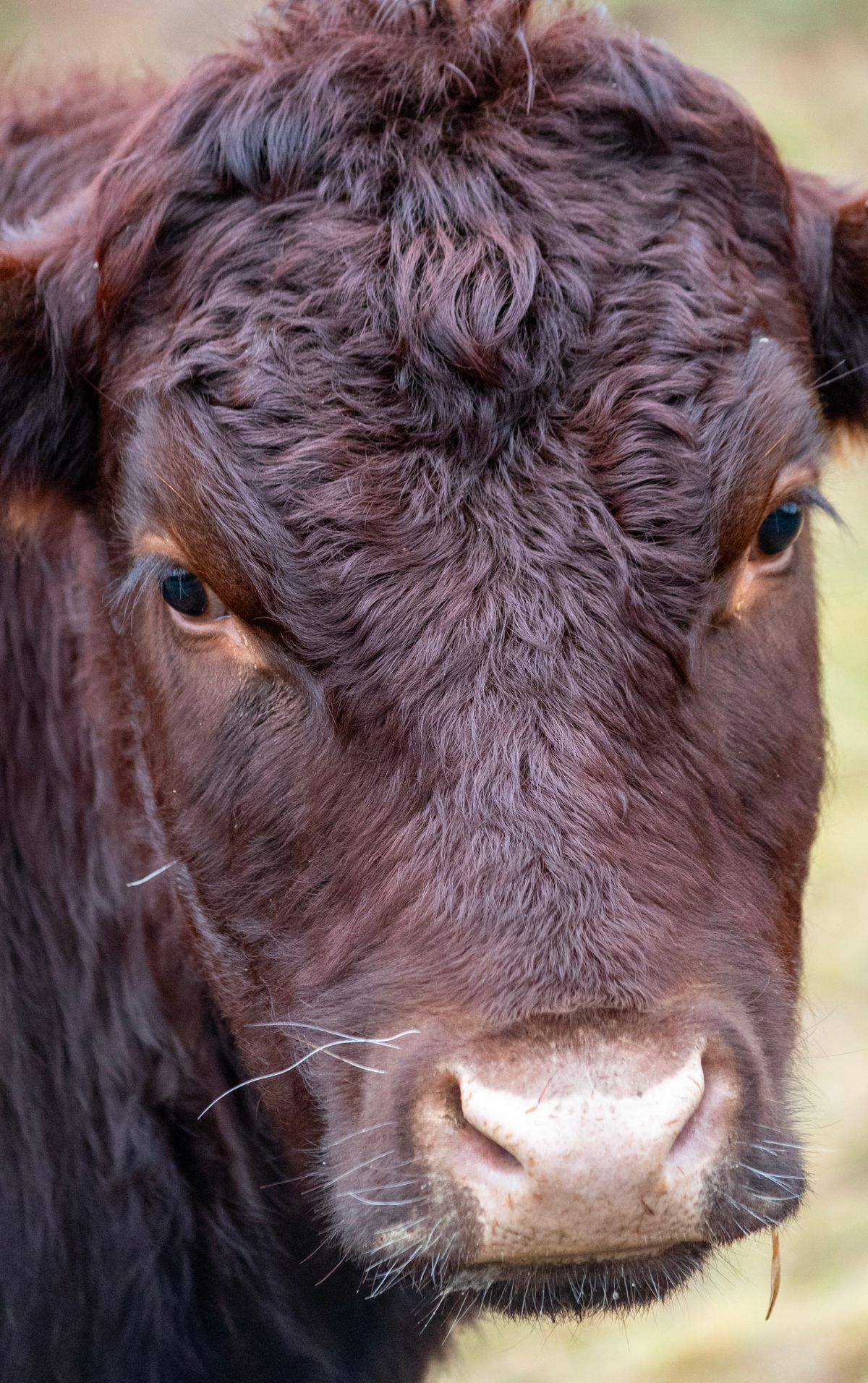
For most lifelong vegans we’ve interviewed, this is the one that makes the change permanent. Once you’ve sat with the reality of how dairy cows live, an oat latte stops feeling like a sacrifice. According to the FAO data summarised by Our World in Data, around 80 billion land animals are slaughtered for food every year worldwide, plus an estimated 1 to 3 trillion fish according to fishcount.org.uk. The vast majority are raised in industrial systems. You don’t have to go down that rabbit hole on day one, but it’s worth knowing the numbers.
If you want a softer entry point, our interview with Bryan Adams about why he lives 100 percent vegan is a good place to start, or watch one of the films from our list of the best vegan documentaries.
2. Your body
The science here is no longer up for debate at the headline level. The 2016 Position Paper of the Academy of Nutrition and Dietetics states it plainly: “appropriately planned vegetarian, including vegan, diets are healthful, nutritionally adequate, and may provide health benefits for the prevention and treatment of certain diseases” and are appropriate “for all stages of the life cycle, including pregnancy, lactation, infancy, childhood, adolescence, older adulthood, and for athletes”. The British Dietetic Association says the same. The Australian, Canadian and Portuguese national bodies follow suit.
The big cohort studies behind that conclusion are worth knowing by name. The EPIC-Oxford study followed more than 48.000 people in the UK for 18 years. In its 2019 paper in the BMJ, vegetarians and vegans pooled together had a 22 percent lower risk of ischaemic heart disease compared with meat eaters (hazard ratio 0,78, 95 percent CI 0,70 to 0,87). The same paper also flagged a slightly higher risk of haemorrhagic and total stroke in vegetarians, which has become an active research question and is partly attributed to lower B12 status. Translation: get your B12 right and the picture stays favourable.
The Adventist Health Study-2 followed more than 73.000 Adventists in North America. Vegetarians had a 12 percent lower all-cause mortality compared with non-vegetarians (HR 0,88, 95 percent CI 0,80 to 0,97). For vegans the point estimate was 15 percent lower but the result narrowly crossed statistical significance (HR 0,85, 95 percent CI 0,73 to 1,01). A 2017 meta-analysis in Critical Reviews in Food Science and Nutrition covering 96 studies confirmed lower BMI, lower LDL cholesterol and a 15 percent lower cancer incidence on plant-based diets.
None of this means a vegan diet is automatically healthy. Chips and Coca-Cola are vegan. Real food is what does the work.
What the big studies actually found
Risk reduction in plant-based eaters compared with meat eaters. Adjusted hazard ratios.

3. The planet
The single most-cited paper on food and climate is Poore and Nemecek, Science 2018. The two researchers analysed 38.700 farms in 119 countries. Their headline numbers, summarised by Our World in Data: food production is responsible for around a quarter (26 percent) of global greenhouse gas emissions, half of the world’s habitable land is used for agriculture, and 70 percent of global freshwater withdrawals go to farming. More than three quarters of all agricultural land is used for livestock, even though meat and dairy supply only 18 percent of global calories and 37 percent of protein.
Poore put it bluntly to the Guardian: a vegan diet is “probably the single biggest way” to reduce your impact on the planet. The IPCC’s 2019 land report and the EAT-Lancet Commission reach the same conclusion in slightly more cautious language.
What this looks like in practice: switching from a typical Western diet to a fully plant-based one cuts your food-related carbon footprint by roughly half to three quarters depending on what you eat instead. Beef is in a different league of impact than chicken or pork, but every category drops sharply when you swap to legumes, grains and vegetables.
Carbon footprint per kilogram of food
Median greenhouse gas emissions in kg CO2-equivalent per kg of product.

Beyond the plate: what veganism looks like in the rest of your life
This is the part of the guide most beginner articles skip, and it’s the part that makes the lifestyle real. The Vegan Society definition explicitly covers “food, clothing or any other purpose”, so let’s walk through the other big areas.
Clothing and accessories
Animal materials hide in more places than you’d think. The obvious ones are leather (cow, lamb, pig, kangaroo, sometimes exotic species), suede, fur and shearling. Then come the less obvious ones: wool, cashmere, mohair, alpaca, angora, silk, down, feathers, pearl, mother of pearl, horn buttons, bone buttons. Some glues used in shoes are still bone-based, and a surprising amount of waxed cotton uses beeswax.
The good news is that vegan alternatives have gone from punishing to genuinely beautiful in the last five years. Mushroom leather (Mylo, MuSkin), apple leather made from waste from the juice industry, cactus leather (Desserto), pineapple leaf fibre (Piñatex) and grape leather are now used by Stella McCartney, Hugo Boss, Adidas, Ganni and dozens of independents. For wool, Tencel, organic cotton, hemp, recycled polyester and engineered yarns like Woolike fill the gap.
If you want to dive deeper into why even wool is not vegan, our long read Vegane Kleidung: Wieso ist Wolle nicht vegan breaks down the practices most people don’t know about. And our interview with Daniela Brunner of Giulia & Romeo is a good look at how a designer actually builds a high-fashion label without animal materials.
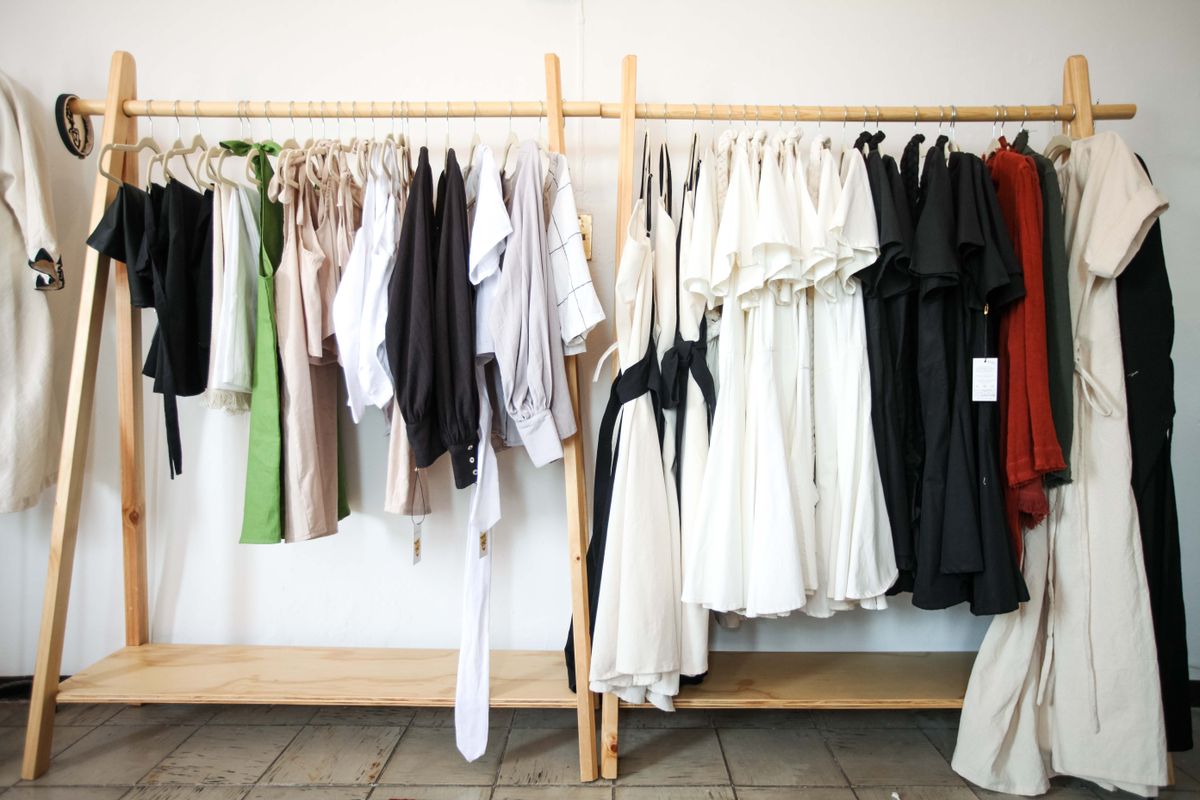
Practical first steps: don’t bin your existing leather boots. The most ethical thing you can do with what you already own is wear it out. From now on, just buy vegan. Look for the Vegan Trademark sunflower logo or the PETA-approved vegan label. Both are free for shoppers to verify and require third-party documentation from brands.
Cosmetics, skincare and personal care
Two questions matter here, and they’re not the same. First: does the product contain animal ingredients? Second: was it tested on animals? A product can be cruelty-free without being vegan (think of a beeswax lip balm not tested on animals), and a product can be vegan but tested on animals (rare but possible if a brand sells in markets that still mandate animal testing).
Common animal ingredients to scan labels for: lanolin (sheep wool grease), carmine or cochineal or CI 75470 (crushed beetle pigment, very common in red and pink lipsticks), guanine (fish scales, sometimes in shimmery products), squalene from shark liver (squalane from olives is the vegan version), keratin (hooves, horns, hair), collagen and elastin (animal connective tissue), beeswax, honey, propolis, royal jelly, silk powder, milk proteins.
For testing, the EU’s Cosmetics Regulation (EC) No 1223/2009 introduced a full marketing ban on cosmetics tested on animals that took effect on 11 March 2013. That’s genuinely good news for European shoppers. The complication is that brands selling in mainland China have historically been required to allow post-market testing. That rule has loosened since 2021 but is still patchy. The cleanest signals are Leaping Bunny, PETA’s Beauty Without Bunnies and the Vegan Society Trademark.
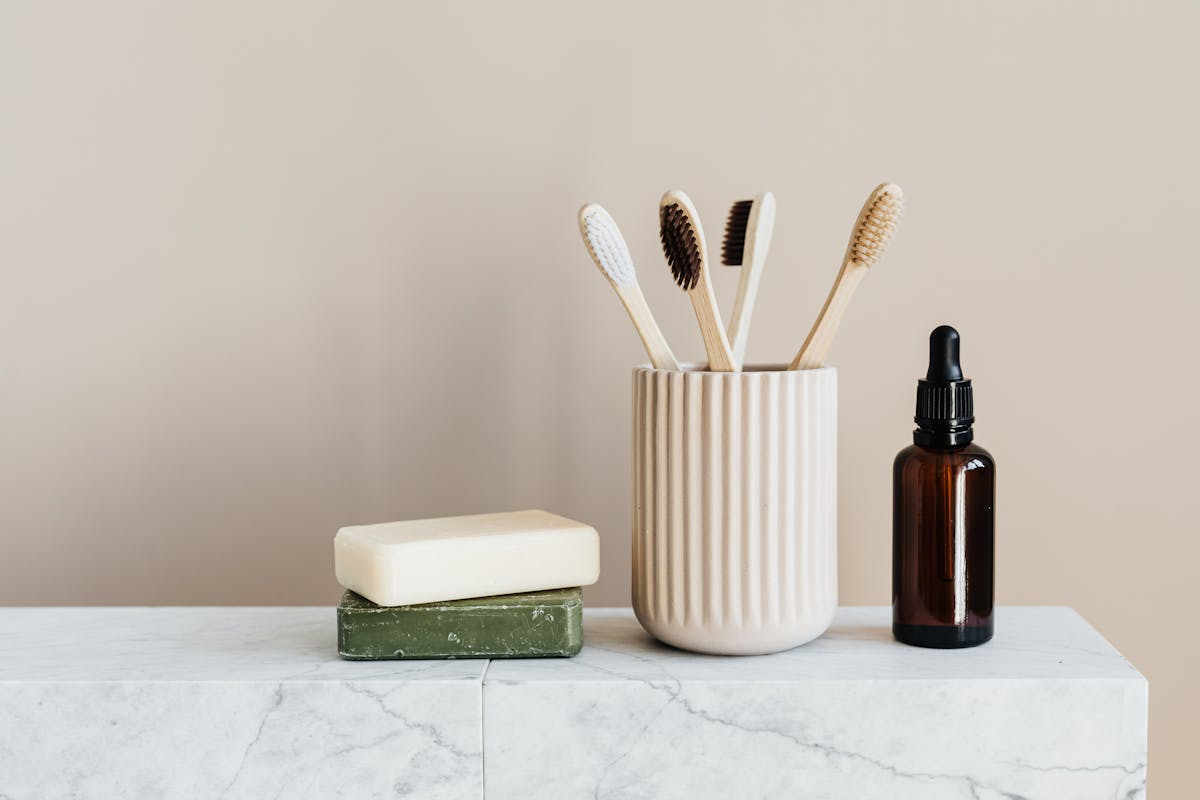
For inspiration on actually nice vegan products, our piece on Relove, the natural cosmetics line made from coffee grounds is a fun example of how creative the indie scene is right now.
Cleaning products and household
This one surprises new vegans. Many mainstream detergents, fabric softeners and even some dish soaps still contain tallow (rendered animal fat) or are tested on animals. Method, Ecover, Sonett, Frosch, Sodasan and the Bio-D range are all worth checking. The Leaping Bunny logo applies here too. Candles often contain stearic acid from animal fat or beeswax, so look for soy, rapeseed or coconut wax instead. Even some glues, paints and varnishes use casein (a milk protein) or shellac (a beetle resin). You don’t have to fix all of this at once. Replace items as they run out.
Other lifestyle areas
Wine, beer and cider are sometimes clarified with isinglass (fish bladders), gelatin, casein or egg whites. Barnivore is a free database with tens of thousands of entries you can search before you order. Many supermarkets now mark vegan wines on the label.
Tattoo inks can contain bone char or shellac. Our interview with tattoo artist Carina Schmidt explains exactly what to ask your studio.
Condoms can contain casein. Glydes, Einhorn and Sustain make vegan ones. Camera film, photo paper and pill capsules sometimes use gelatin. Many medications still contain animal-derived excipients, and the standard advice from every vegan medical body is to take prescribed medication and ask the pharmacist for vegan alternatives where they exist. The Vegan Society sums it up well: as far as is possible and practicable.
How to actually start without losing your mind
Don’t throw out your fridge on a Sunday and expect to be vegan by Monday. That’s how people end up eating dry pasta and giving up by Wednesday. Pick one of these three on-ramps instead.
The slow lane. Make breakfast vegan for two weeks. Then add lunch. Then dinner. Most people are fully plant-based within six to eight weeks doing it this way and barely notice the switch.
The 30-day sprint. Sign up for Veganuary or just block out a month in your calendar. The structured 31-day format works because it removes daily decision fatigue and gives you a real community to compare notes with. Tell two friends so you actually do it. Stock the kitchen on day zero. Cook three new recipes a week.
The cold plunge. Wake up tomorrow and just start. This works for people who hate half-measures. Be honest with yourself if that’s you, and be patient if it isn’t.
The five nutrients to actually pay attention to
Most of the scary headlines about vegan diets boil down to five things. Sort these and you’re set. The numbers below are based on the German Nutrition Society (DGE) reference values and the British Dietetic Association vegan factsheet, which align closely with each other.
Vitamin B12
Non-negotiable. Your body cannot make it, and reliable plant sources don’t exist. The DGE updated its position in 2024 and is explicit that anyone on a vegan diet must supplement B12, full stop. The recommended adult intake is around 4 micrograms per day, but supplements typically dose 250 to 1.000 micrograms because absorption drops as the dose increases. Cyanocobalamin and methylcobalamin both work. Get one, take it weekly or daily, done. Most fortified plant milks already contain some, which is a nice bonus, but treat the supplement as your insurance.
Iron
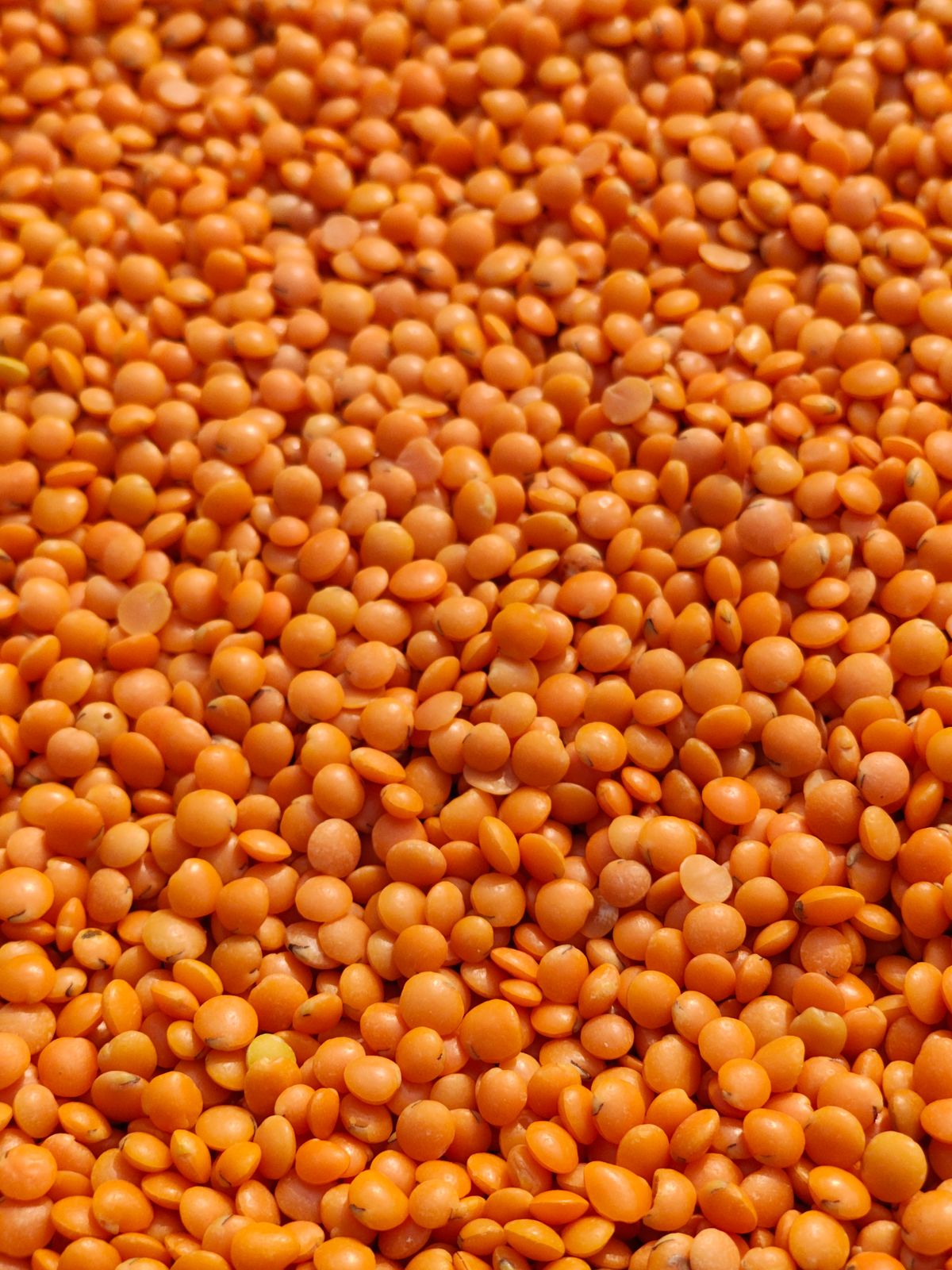
Lentils, tofu, oats, pumpkin seeds, dark leafy greens, kidney beans, dried apricots. Plant iron (non-heme) is absorbed less efficiently than animal iron, so the trick is to pair it with vitamin C in the same meal. A squeeze of lemon on your dahl, bell pepper in the salad, orange juice on the side. Skip the tea or coffee right after dinner because tannins block iron uptake substantially. Ball & Bartlett, AJCN 2003, found that iron deficiency is no more common in vegan women than in omnivorous women, but a yearly blood check is still a good idea.
Omega-3
One tablespoon of ground flaxseed or chia in your porridge, or a splash of cold-pressed flax oil on your salad, sorts you out. Walnuts and hemp seeds also count. The conversion of plant ALA to EPA and DHA is inefficient, so if you want to be extra safe, an algae oil capsule gives you EPA and DHA directly. The 2017 EPIC-Norfolk substudy found that vegans had lower blood DHA but no measurable downside on cardiovascular markers, which suggests the body adapts. An algae supplement is still the cleanest insurance policy.
Calcium
Pick a fortified plant milk and use it like you’d use cow’s milk. Add tofu set with calcium sulphate, tahini, almonds, dried figs, and dark greens like kale, pak choi or rocket. Bioavailability of calcium from low-oxalate greens (kale, broccoli, pak choi) is actually higher than from cow’s milk per gram. The 2007 EPIC-Oxford analysis (Appleby et al.) found a higher fracture risk in vegans only when their calcium intake fell below 525 mg per day. Hit the standard 1.000 mg target and you’re fine.
Iodine and vitamin D
If you live above latitude 40, basically anywhere north of Madrid, you probably need vitamin D in winter regardless of what you eat. Aim for 800 to 2.000 IU per day from October to March. Get it as D2 if you want it strictly vegan, or as lichen-derived D3 which is now widely available. For iodine, use iodised salt or eat a small amount of nori a few times a week. Don’t go overboard with seaweed though, kelp in particular is wildly variable in iodine content and can deliver a problematic overdose. The DGE recommends 200 micrograms per day for adults.
Yes, you’ll get enough protein
This is the question every vegan answers every week of their life, so let’s settle it with numbers. The DGE reference is 0,8 grams of protein per kilogram of body weight per day for healthy adults, slightly higher for older adults and athletes. A 70-kilo person needs around 56 grams.
One bowl of porridge with soy milk and a spoon of peanut butter: 18 grams. A lentil dahl with rice for lunch: 22 grams. A tofu stir-fry for dinner: 25 grams. Plus snacks. You’re at 70 grams without trying. Tofu has more protein per 100 grams than steak. Tempeh, seitan, edamame, chickpeas, peanuts, oats and quinoa all do real work. The 2023 systematic review by Mariotti and Gardner in Nutrients confirmed that mixed plant proteins eaten across the day cover all essential amino acids without any need for “combining” at a single meal. The combining myth is from the 1970s and was retracted by its own author.
Protein per 100 grams
Plant sources stack up just fine. Numbers from the German BLS food database and USDA FoodData Central.

Your first vegan shopping list
Print this, screenshot it, whatever. This is a fortnight of good food for one person without breaking the bank. For more inspiration on cheap and well-stocked basics, our piece on low-budget organic vegan basics is worth a read.
Pantry staples: rolled oats, brown rice, wholegrain pasta, red lentils, canned chickpeas, canned black beans, canned chopped tomatoes, peanut butter, tahini, soy sauce, olive oil, nutritional yeast, ground flaxseed, mixed nuts, dark chocolate (yes, really), spices (cumin, smoked paprika, curry powder, oregano, chili flakes).
Fridge: one block of firm tofu, one tub of hummus, one carton of unsweetened soy milk (it’s the only plant milk with protein comparable to cow’s milk), oat milk for coffee, a tub of plant yoghurt, miso paste, mustard, jarred olives, kimchi or sauerkraut.
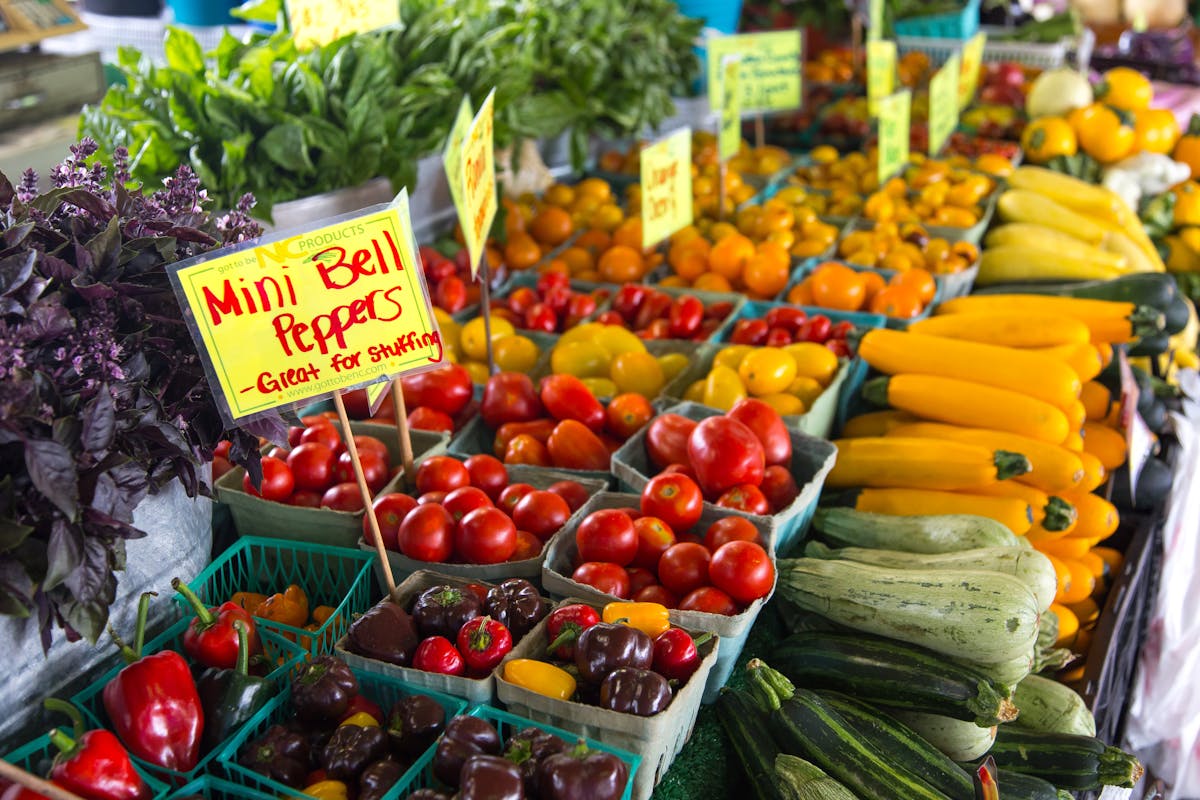
Fresh produce: bananas, apples, lemons, garlic, onions, sweet potatoes, broccoli, spinach, cherry tomatoes, avocados, fresh herbs (parsley and coriander pull a lot of weight).
Skip on day one: the fancy mock meats, expensive vegan cheeses, exotic protein powders. They’re fun, but they’ll bankrupt you and they’re not where the magic is.
A week of meals that don’t feel like a punishment
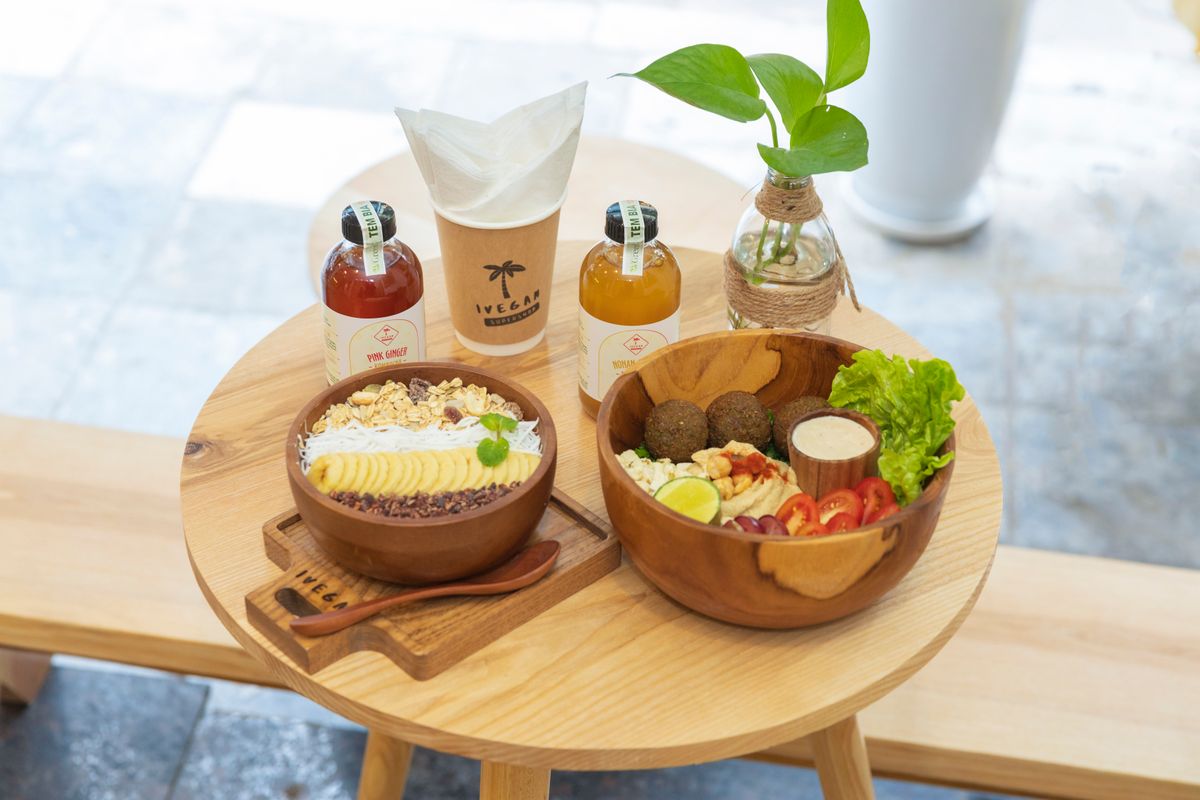
This is roughly how a normal week looks for me. Not aspirational. Actual.
Monday. Porridge with banana and peanut butter. Lunch is a chickpea wrap with hummus and grated carrot. Dinner is one-pot pasta with tomato, garlic, spinach and crispy chickpeas on top.
Tuesday. Toast with avocado, lemon, chili flakes. Lunch is leftover pasta. Dinner is red lentil dahl with rice and a dollop of plant yoghurt.
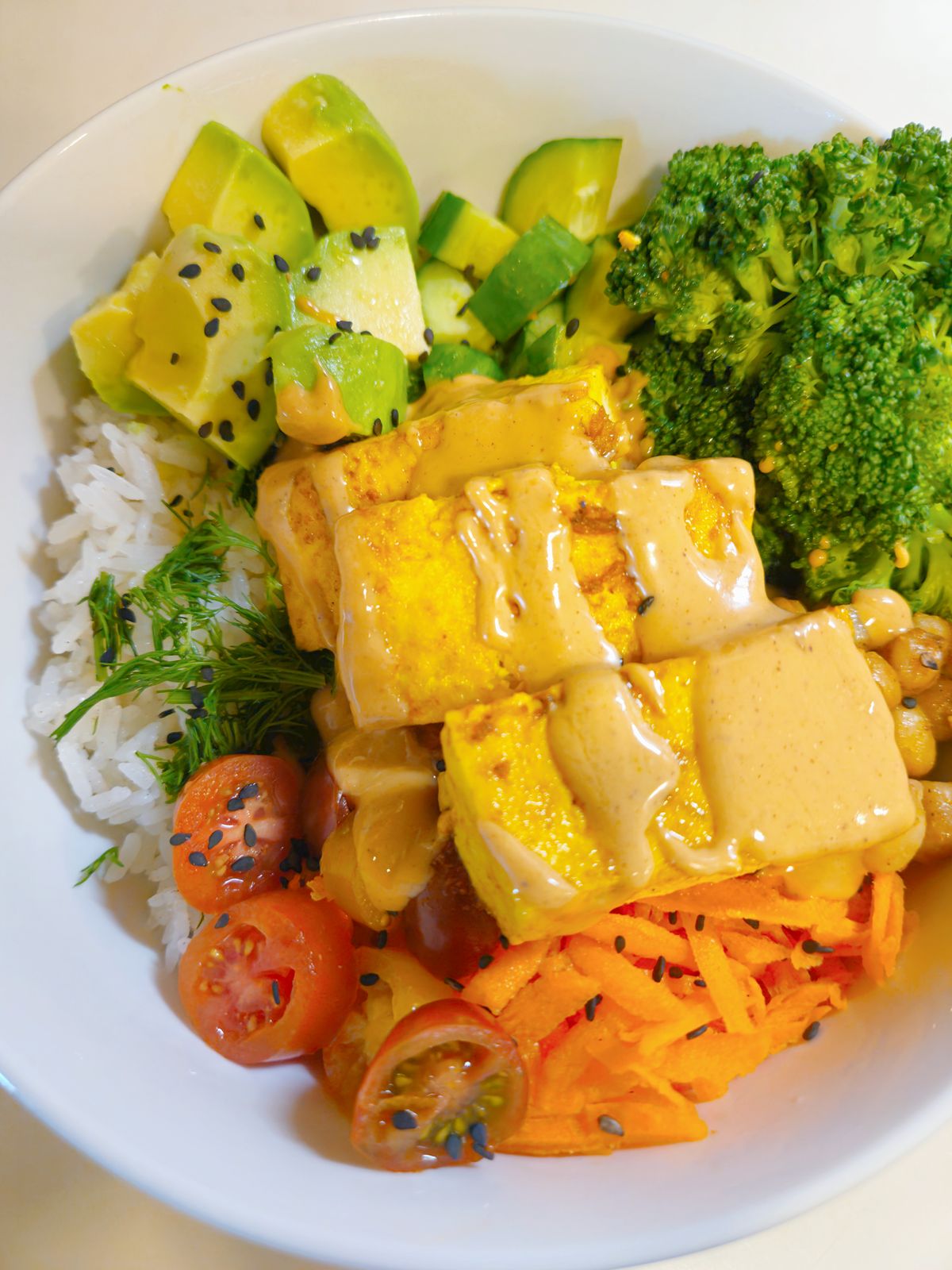
Wednesday. Smoothie with frozen berries, oats, soy milk and a spoon of nut butter. Lunch is a Buddha bowl with rice, roasted sweet potato, broccoli and tahini sauce. Dinner is tofu stir-fry with whatever vegetables are dying in the fridge.
Thursday. Yoghurt bowl with granola, frozen mango and chia. Lunch is a big salad with chickpeas, olives, sun-dried tomatoes and bread on the side. Dinner is veggie burgers and oven fries because life is short.
Friday. Scrambled tofu on toast. Lunch is leftover dahl. Dinner is pizza night, vegan mozzarella optional but highly recommended.
Weekend. Pancakes Saturday morning. Sunday is for cooking a big pot of something (chili, curry, soup) that you eat into Monday.
For more recipes that actually work on a Tuesday night, dig into our recipe archive and the interview with Maya Leinenbach, Germany’s most successful vegan food blogger.
Eating out and the social stuff
The single hardest part of going vegan in our experience isn’t the food. It’s the first time your aunt asks you, in front of the whole family, what exactly is wrong with chicken. Here’s what we’ve learned over the years.
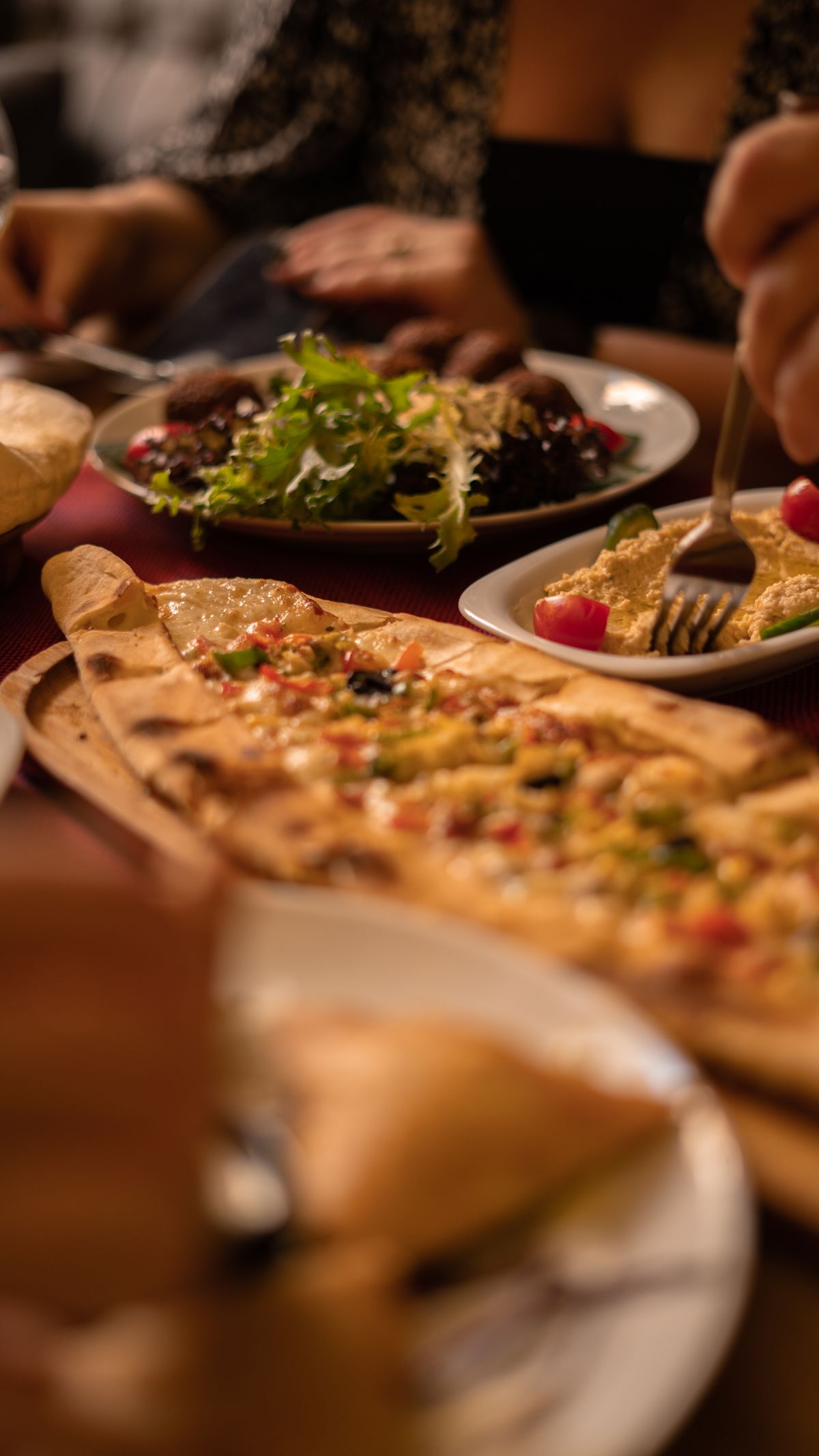
Restaurants are easier than ever. Italian, Lebanese, Indian, Ethiopian, Japanese, Vietnamese, Mexican: every one of these cuisines has classic vegan dishes baked into the tradition. Pizza marinara, falafel, dal, injera with shiro, kitsune udon, summer rolls, bean burritos. You’re not asking for an exception, you’re ordering from the menu. Apps like HappyCow and Google Maps filters make finding spots almost trivial in any major city. If you travel to the US, our guide to the best vegan restaurants in Washington DC shows you how spoiled you’ll be.
For invitations, message the host beforehand and offer to bring a dish. People love it when you take pressure off them. At work events, eat something at home first so you don’t show up hungry and frustrated.
Family meals get easier with time. Don’t preach at the table. Don’t argue about your choice during dessert. Cook something so good for them once that they ask for the recipe. That’s worth more than a hundred articles. If you’re looking for a vegan getaway to recharge, our piece on Germany’s largest vegan hotel is a nice introduction to how mainstream this lifestyle has become.
Athletes, kids, pregnancy: the special cases
Three groups always get extra attention, so let’s address them quickly with sources.
Athletes. The 2017 narrative review by Rogerson in the Journal of the International Society of Sports Nutrition concluded that vegan athletes can meet all energy and nutrient demands as long as protein intake is sufficient (1,4 to 1,8 g per kg for hypertrophy training) and B12, iron, omega-3, vitamin D and calcium are tracked. Patrik Baboumian, Venus Williams, Lewis Hamilton, Novak Djokovic at certain points of his career, and a long list of CrossFit, ultramarathon and bodybuilding champions live this every day.
Pregnancy and breastfeeding. The Academy of Nutrition and Dietetics, the American College of Obstetricians and Gynecologists and Germany’s DGE in its 2024 update all confirm a well-planned vegan diet is safe and adequate during pregnancy and breastfeeding, with appropriate supplementation (B12 mandatory, iodine and DHA usually recommended). Talk to your midwife or doctor and get the standard prenatal blood panel.
Children. Same answer, with closer attention to energy density (vegan diets can be filling without enough calories for small stomachs) and B12. The 2024 DGE position now explicitly supports vegan diets across infancy and childhood with proper planning, a notable shift from its earlier cautious stance.
The five mistakes we see most often
Skipping protein. Beans, lentils, tofu, tempeh, seitan, edamame. Aim for one fist-sized portion every meal and you won’t feel like you’re running on fumes.
Living on bread and pasta. If your plate is mostly beige, something is missing. Add colour, every meal, every day. Beige is not a food group.
Forgetting B12. We said it earlier, we’ll say it again. Buy the supplement before you finish reading this article.
Trying to be perfect. You’ll mess up. You’ll order something with milk in it without realising. The world keeps turning. Vegan is a direction, not a purity test, exactly as the Vegan Society wrote it: as far as is possible and practicable.
Doing it alone. Find one person, online or offline, who’s also doing this. Reddit communities, our own newsletter, a local Veganuary group, anything. Isolated vegans drift back. Connected ones don’t.

FAQ
Will I get enough protein?
Yes, easily, if you’re eating enough food in general. See the protein section above for the actual maths.
Is honey vegan?
No. Honey is an animal product produced by bees. We wrote a whole piece on this: Is honey vegan? Five reasons it isn’t. Maple syrup, agave, date syrup and rice malt are perfectly good replacements.
Is it more expensive?
Beans, rice, oats and seasonal vegetables are some of the cheapest food on earth. Yes, vegan cheese costs more than dairy cheese. No, that’s not your daily food. Your weekly grocery bill will likely go down rather than up if you cook from staples instead of leaning on processed alternatives.
Can my dog be vegan?
Dogs are omnivores and a growing body of research, including Knight et al., PLOS ONE 2022, covering 2.536 dogs, suggests well-formulated vegan dog food is safe and may track with better guardian-reported health indicators. A larger 2024 follow-up by the same group in Heliyon (2.536 dogs again, with adjusted analyses) supports the same direction. Talk to your vet, choose a complete commercial food, watch the bloodwork. Cats are obligate carnivores and the picture there is much more complicated.
What about athletes?
Already covered above. The diet won’t hold you back if you eat enough.
Are mock meats healthy?
They’re processed food and they’re better for you than processed meat per the same metric. The 2020 SWAP-MEAT randomised crossover trial published in AJCN found that an eight-week swap from animal meat to plant-based meat alternatives improved LDL cholesterol, body weight and TMAO levels in 36 healthy adults. Eat them as a transition tool or a treat, not as the foundation of every meal.
What if I slip up?
Then you slip up. Notice it, shrug, keep going. Guilt is not a useful nutrient.
What to do tonight
If you’ve read this far, do these three things before you close the tab. Order a B12 supplement. Pick one breakfast, one lunch and one dinner from the week above. Bookmark this guide. That’s it. The rest builds itself once you start.
And once the food is dialled in, glance at your bathroom shelf, your wardrobe, your laundry cupboard. One product at a time, when things run out, replace them with vegan versions. In a year, your whole life will have quietly shifted, and you will barely have noticed it happen.
If you want a friendly nudge in your inbox, our weekly lifestyle column and newsletter have new recipes, restaurant tips, fashion finds and the occasional honest rant. We’d love to have you. Welcome to the club.
Sources cited in this article: The Vegan Society definition of veganism (1944, current wording, vegansociety.com); Tong et al., BMJ 2019, EPIC-Oxford 18-year follow-up of 48.000+ participants; Orlich et al., JAMA Internal Medicine 2013, Adventist Health Study-2 with 73.308 participants; Tonstad et al., Diabetes Care 2009, AHS-2 type 2 diabetes incidence; Dinu et al., Critical Reviews in Food Science and Nutrition 2017, meta-analysis of 96 studies; Melina, Craig & Levin, Position of the Academy of Nutrition and Dietetics, J Acad Nutr Diet 2016; Poore & Nemecek, Science 2018, life-cycle analysis of 38.700 farms in 119 countries; Our World in Data summary of food and environment data, Hannah Ritchie 2024; Appleby et al., AJCN 2007, EPIC-Oxford fracture analysis; Ball & Bartlett, AJCN 2003, iron status in vegan women; Rogerson, JISSN 2017, narrative review on plant-based diets and athletic performance; DGE position update on vegan diets 2024; Knight et al., PLOS ONE 2022 and Heliyon 2024, vegan dog diets; Crimarco et al., AJCN 2020, SWAP-MEAT randomised crossover trial; EU Cosmetics Regulation (EC) No 1223/2009. Last updated May 2026.