






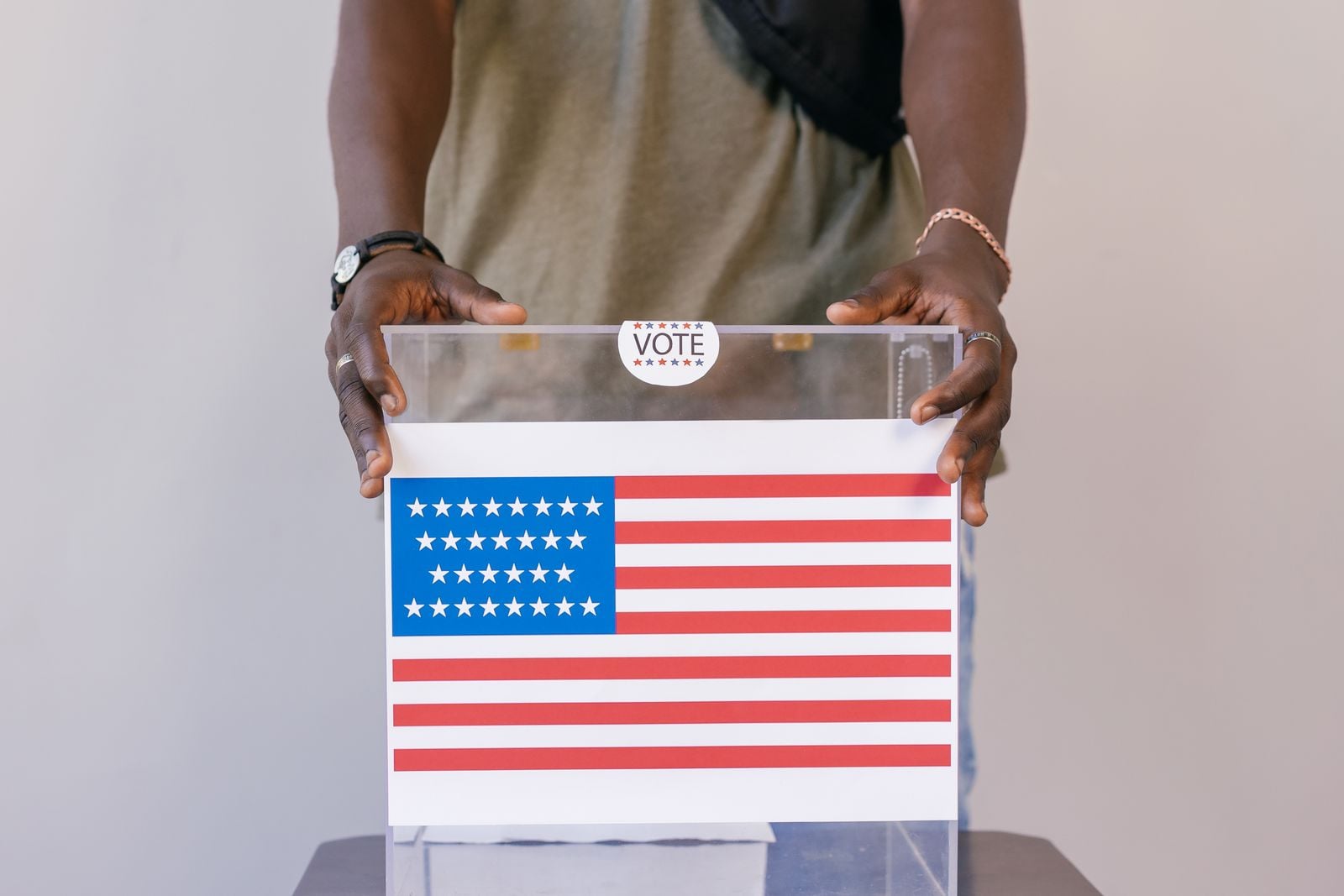
From 1 July 2027, foie gras can no longer be sold in Washington, D.C., or in Denver. Voters in both cities decided on ballot initiatives on 3 November, and both passed clearly. In the U.S. capital, about three in four voters said yes according to preliminary figures, in Denver about two in three. As far as we can tell, it is the first time in the United States that voters themselves, rather than a legislature or city council, have decided to ban foie gras.
In short
- Washington, D.C.: Initiative 86, preliminary result about 73 percent yes, above 70 percent in all eight wards
- Denver: Ordinance 311, preliminary result 66.6 percent yes
- What is banned: force-feeding birds and the sale, distribution and import of the products, from 1 July 2027
- Penalties in D.C.: 1,000 to 5,000 dollars per violation, with repeat offenders risking their business licence
- Still open: Congress can overturn the D.C. law, and a producer has announced a lawsuit
Contents7 chapters
What Washington voted for.
The initiative is called the “Prohibiting the Force-Feeding of Birds Act of 2026”. It bans force-feeding birds and also prohibits the sale, distribution and commercial import of foie gras and other products made from the fattened livers of force-fed birds. That applies to restaurants as well as delis and retailers. Violations cost 1,000 to 5,000 dollars each, according to WTOP. Repeat violations can cost a business its licence.
According to the election board’s preliminary election-night count, 97,432 people voted yes, about 73 percent. Support topped 70 percent in each of the city’s eight wards. Later counts put the share slightly higher, and the certified result is still pending.
The initiative was run by Pro-Animal DC, a campaign of the Portland-based group Pro-Animal Future. Volunteers gathered 46,020 signatures, 31,726 of them valid, more than required. It wasn’t a record, though, as some social media posts claimed: the campaign’s spokesperson said herself that only the recreational marijuana initiative had collected more signatures in D.C.
“Tonight D.C. decided that force-feeding a bird has no place here,” campaign director Cady Witt told City Cast DC.
And in Denver.
In Denver the vote was on Initiated Ordinance 311, the “Prohibit Force-Feeding Birds Act”. It covers the same ground: force-feeding is banned, along with the sale, distribution, import and transport of the products. According to the city election division’s preliminary results, 136,559 people voted yes, or 66.55 percent. The signatures were collected by the sister campaign Pro-Animal Colorado. Media reports say up to 15 restaurants in the city are affected.
The result stands out because Denver voted differently two years ago. In 2024, voters there rejected a fur ban with 42 percent yes, and a ban on slaughterhouses with just 36 percent. On force-feeding ducks and geese, a majority apparently sees a clearer line.
Who opposed it.
In Washington, the regional restaurant association, several chefs and celebrity chef José Andrés opposed the initiative. Bart Hutchins, owner of the restaurant Butterworth’s, called it “cowardice dressed up as compassion” in an interview with WJLA. Mayor Muriel Bowser hinted she would vote no on principle. There was no large, funded opposition campaign in D.C. For Denver, local media report about 326,000 dollars on the yes side and 198,500 dollars against; we couldn’t verify these figures at the source.
It isn’t over yet. Laws passed by ballot initiative in D.C. go to Congress for 30 legislative days under the Home Rule Act, and Congress can overturn them with a joint resolution. No concrete plans to do so are known so far. Hudson Valley Foie Gras in New York State, one of the largest U.S. producers, has also announced a lawsuit. Vice president Marcus Henley calls the ban “unconstitutional on several grounds”.
Where foie gras is already banned in the U.S..
California has banned production and sale since 2012. Producers fought the law all the way to the Supreme Court, which declined to hear the case in 2014, 2019 and most recently in May 2023. The ban stands. Portland, Oregon, followed in June 2026 by city council vote.
New York is more tangled. The city council passed a sales ban 42 to 6 in 2019; voters never decided on it. A court in Albany struck it down in 2024, ruling that the state agriculture department took precedence. In March 2026, the appellate court unanimously reversed that decision. The ban is still not being enforced, though, because an injunction from a second case remains in place. The producers are taking it to the state’s highest court.
Outside the U.S..
In the EU, force-feeding is now practised mainly in France, Hungary, Bulgaria, Spain and Belgium’s Wallonia region. Germany bans production under its animal welfare law, but import and sale remain legal, so foie gras still appears on menus there, especially at Christmas. In August 2026, Brazil went further and banned not just production but import and sale as well.
The animal ethics angle.
To make foie gras, ducks and geese have a tube pushed down their throats several times a day during the last two to three weeks of their lives, and corn mash is forced through it. The liver swells to several times its normal size, up to ten times depending on the source. As early as 1998, the EU’s scientific committee on animal welfare concluded that force-feeding, as currently practised, is detrimental to the welfare of the birds.
The two bans change little for the animals at first, because foie gras isn’t produced in Washington or Denver. But they take away markets, and they show something that goes beyond foie gras: when people are asked directly, large majorities draw a line at animal suffering they consider unnecessary.
To be honest about it, that line has limits. The same Denver voters chose not to ban slaughterhouses or fur in 2024. Most ducks and geese eaten in the U.S. live and die without a feeding tube, but not without suffering. A foie gras ban is a start, and it leaves out the far larger number of animals in ordinary farming.
What you can do.
If you live somewhere foie gras is still sold, ask your local restaurants and delis why it is on offer. And if a ballot initiative on animal welfare comes up where you live, these two cities show that signing and voting can change the law.
How we researched this
The trigger was an Instagram post by the U.S. group Voters for Animal Rights. The results are preliminary, and we couldn’t access the election board websites in D.C. and Denver. We therefore relied on reporting by WTOP, WJLA, City Cast DC, Ballotpedia and Reason and on the campaign’s press release. We checked the details on Congress against the District of Columbia code. We didn’t repeat two claims from the post: the D.C. signature count was not a record, and New York’s ban was passed by the city council, not by voters. We have no business relationship with the organisations involved.
Want our reporting to show up first in Google's Top Stories? Add This Is Vegan as a preferred source on Google.