





France could make shopping and eating out easier for people who have to avoid certain foods for medical reasons. Pascale Got, a Socialist member of the National Assembly from the Gironde department, filed a bill on October 6, 2026. Supermarkets, online shops, school canteens and restaurants would have to make gluten and other allergens easier to spot. Whether parliament will even debate the text before the 2027 presidential election is unclear.
In short
- Stores larger than 400 square meters would have to make gluten-free products easy to find, and online shops would need a filter for the 14 major allergens.
- School canteens would have to adapt meals for children with allergies. Packed lunches from home would become the exception.
- Restaurants and delivery services would list the allergens in every dish using a single national code.
- According to France’s health authority HAS, about 1 percent of the population has celiac disease, and most of them don’t know it.
Contents5 chapters
What the bill proposes.
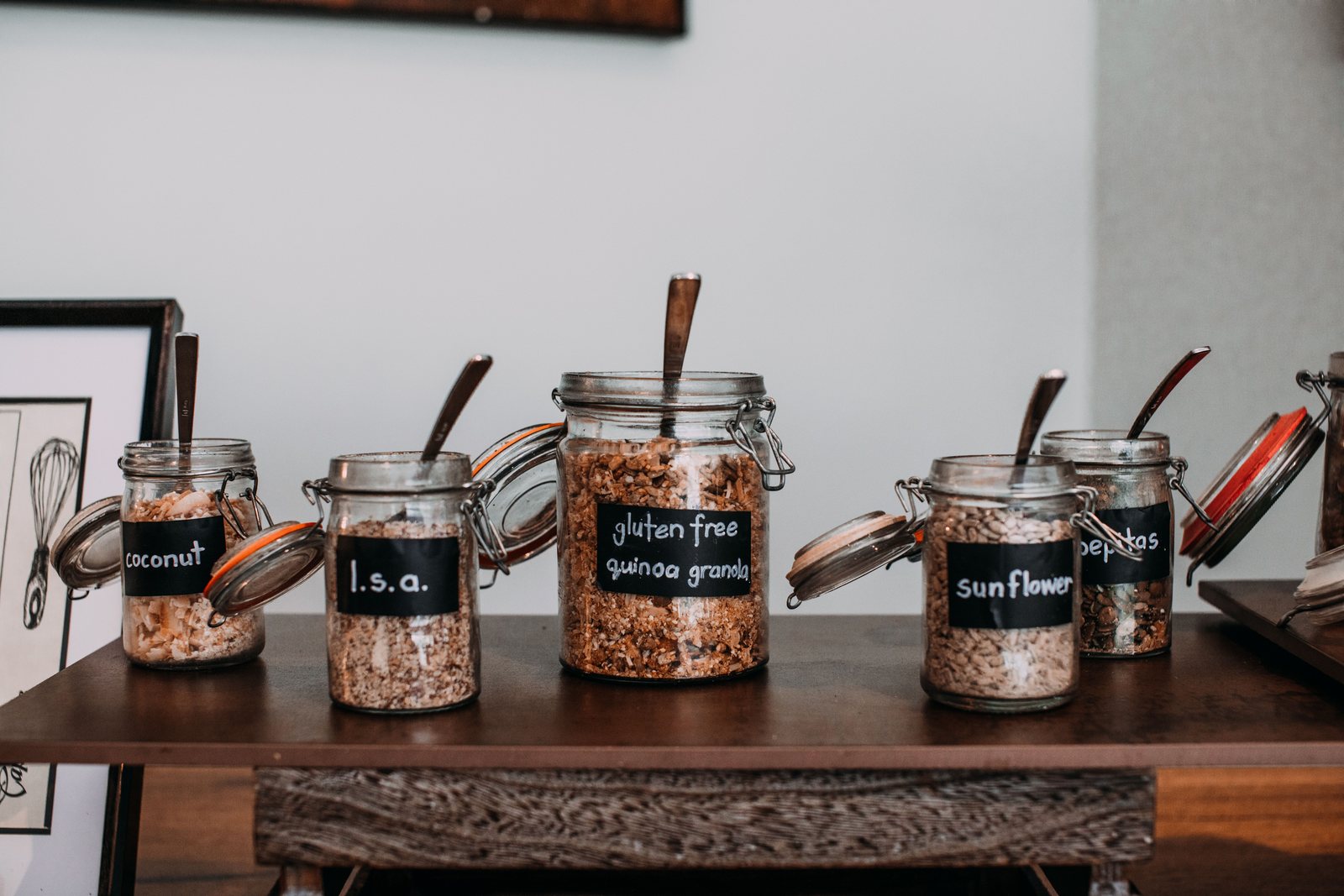
Bill no. 3231 is titled, in translation, “bill promoting the inclusion of people with medically required dietary restrictions”. It has four articles. The first covers retail: stores with more than 400 square meters of sales space would have to make products labeled “gluten-free” under EU law easy to find, either with signs or in dedicated sections. According to the regional paper Le Progrès, they currently tend to get lost among the organic products. A decree would set out the details. Online retailers would have to offer a filter that excludes products containing any of the 14 major allergens listed in the EU food information regulation.
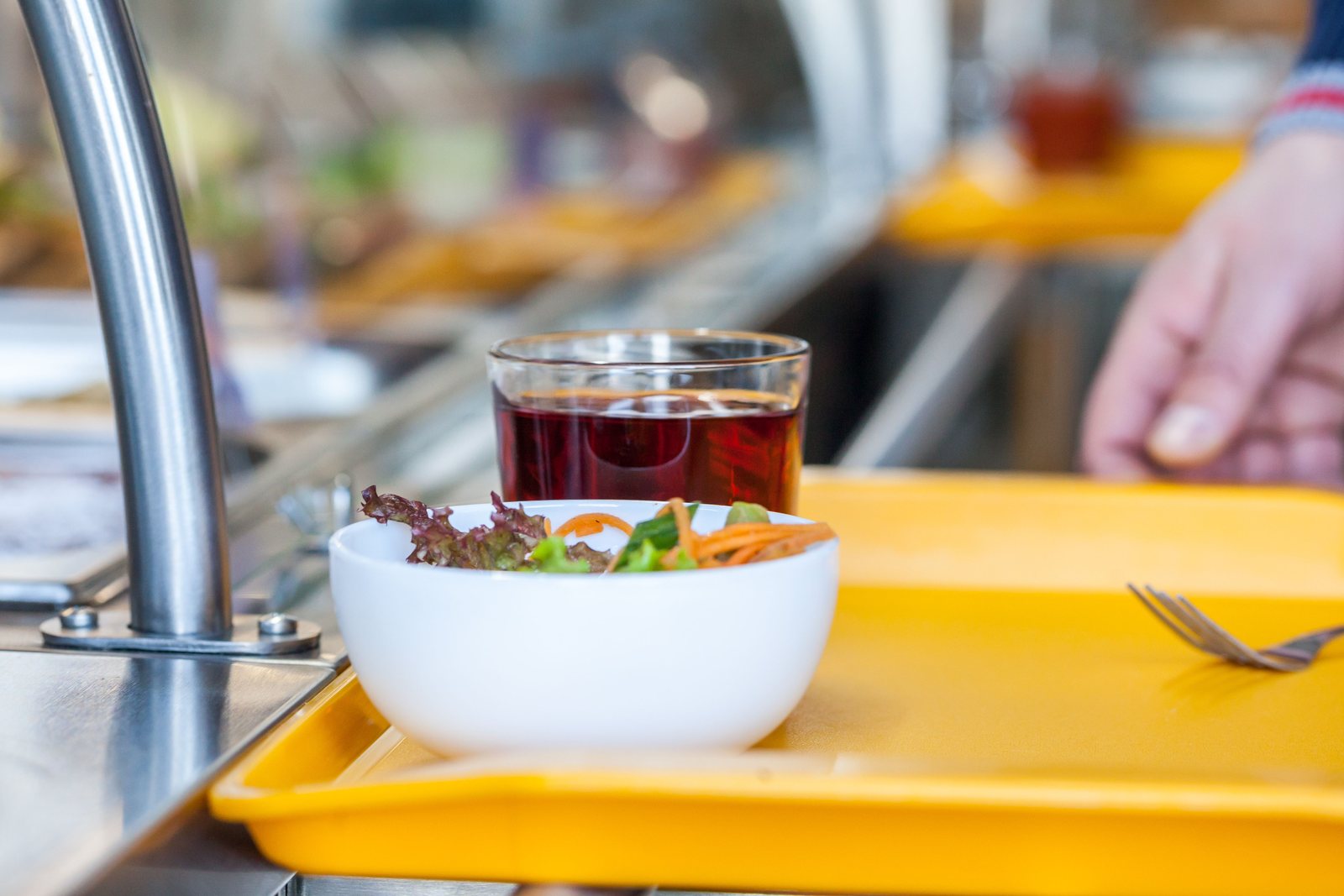
The second article covers canteens in primary and secondary schools. Menus would have to take medical dietary restrictions into account and list allergens using a national code. Children with an individual care plan, known in France as a PAI, would get adapted meals. A packed lunch from home would only be allowed if an adapted meal is impossible for practical or hygiene reasons. Canteen staff would be trained.
The third article covers restaurants, snack bars and delivery services. They would have to state the allergens in every dish and drink using a standard numbering system. Leisure, sports and cultural venues would have to offer alternatives or let people bring their own food at no extra charge. The bill contains no penalties and no new label. As is usual in France, it includes a formal funding clause based on tobacco tax.
How many people are affected.
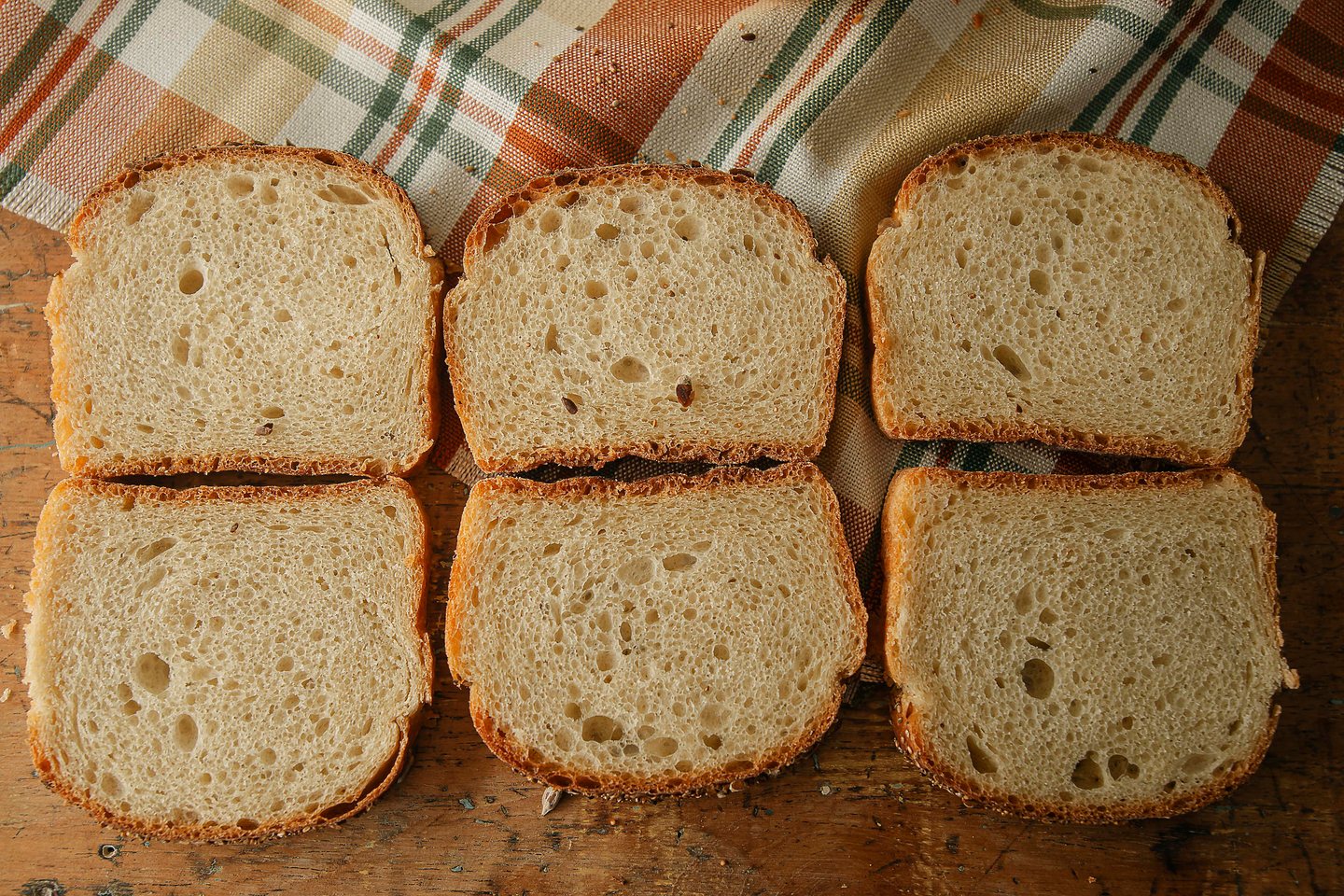
In celiac disease, the small intestine reacts to gluten, a protein found in wheat, rye and barley. The only treatment is avoiding gluten for life. In its guidance on diagnosis and treatment, the Haute Autorité de Santé (HAS) estimates that about 1 percent of the population is affected and calls the disease largely underdiagnosed. The bill puts the number at around 700,000 people. Food allergies come on top of that: the bill cites 6 percent of children and 3 percent of adults.
Italy is further ahead.
According to Le Progrès, Got also argues that France lags behind its neighbors. Italy recognized celiac disease as a social disease back in 2005 with Law no. 123. School, hospital and public canteens have to provide gluten-free meals on request. People with celiac disease also receive gluten-free food free of charge up to a monthly limit. Under a 2018 decree, that is 56 euros for children up to five, for example, and 110 euros for men and 90 euros for women aged 18 to 59.
Germany has no nationwide requirement for schools to offer gluten-free meals. The quality standard of the German Nutrition Society for school meals recommends including children with allergies and intolerances. What is mandatory there is that canteens, restaurants and bakeries provide information on the 14 major allergens for unpackaged food too, in writing or verbally with written records.
What happens next.
The bill now sits with the National Assembly’s economic affairs committee. Time is short. The presidential election takes place on April 18 and May 2, 2027. As Le Progrès reports, Got sees little chance that her text will be debated in this session. She hopes for support from members of other parties or from the Senate. Seven other members of parliament have co-signed it so far.
An animal ethics perspective.
The bill doesn’t mention vegan or vegetarian diets at all. Still, people who avoid animal products for ethical reasons would benefit too. Milk and eggs are among the 14 major allergens. An allergen filter in online shops and clear information on menus would make it easier to avoid both. Such a filter doesn’t cover meat, fish or gelatin, though, so the ingredient list still matters.
School canteens are where children learn what normal food looks like. Since November 2019, France has required at least one vegetarian menu per week in school canteens, made permanent by the 2021 climate law. If canteens have to learn to cook without milk, eggs or gluten anyway, the step toward more plant-based meals gets smaller. In New York, one in three students now picks soy milk when it’s offered.
Vegans with celiac disease need to look more closely. Seitan is made from wheat gluten and is off the table, as are many wheat-based meat alternatives. Tofu, tempeh and legumes are naturally gluten-free as long as they aren’t processed with ingredients containing gluten. For pasta nights, there is pasta made from legumes, such as lentil pasta*. Soy sauce is another common trap, as our check Is soy sauce vegan explains.
How we researched this
This article is based on bill no. 3231 on the website of the French National Assembly. The figures on celiac disease come from the Haute Autorité de Santé, the figures on food allergies from the bill itself. Pascale Got’s assessment of the bill’s chances comes from a Le Progrès report dated November 22, 2026, which we could not access in the original. For Italy, we used Law no. 123/2005 and the decree of August 10, 2018, and for Germany the national rules on allergen information for unpackaged food and the DGE quality standard. This article is not medical advice.
* Affiliate link: if you buy through this link, we earn a small commission. The price stays the same for you.
Want our reporting to show up first in Google's Top Stories? Add This Is Vegan as a preferred source on Google.