






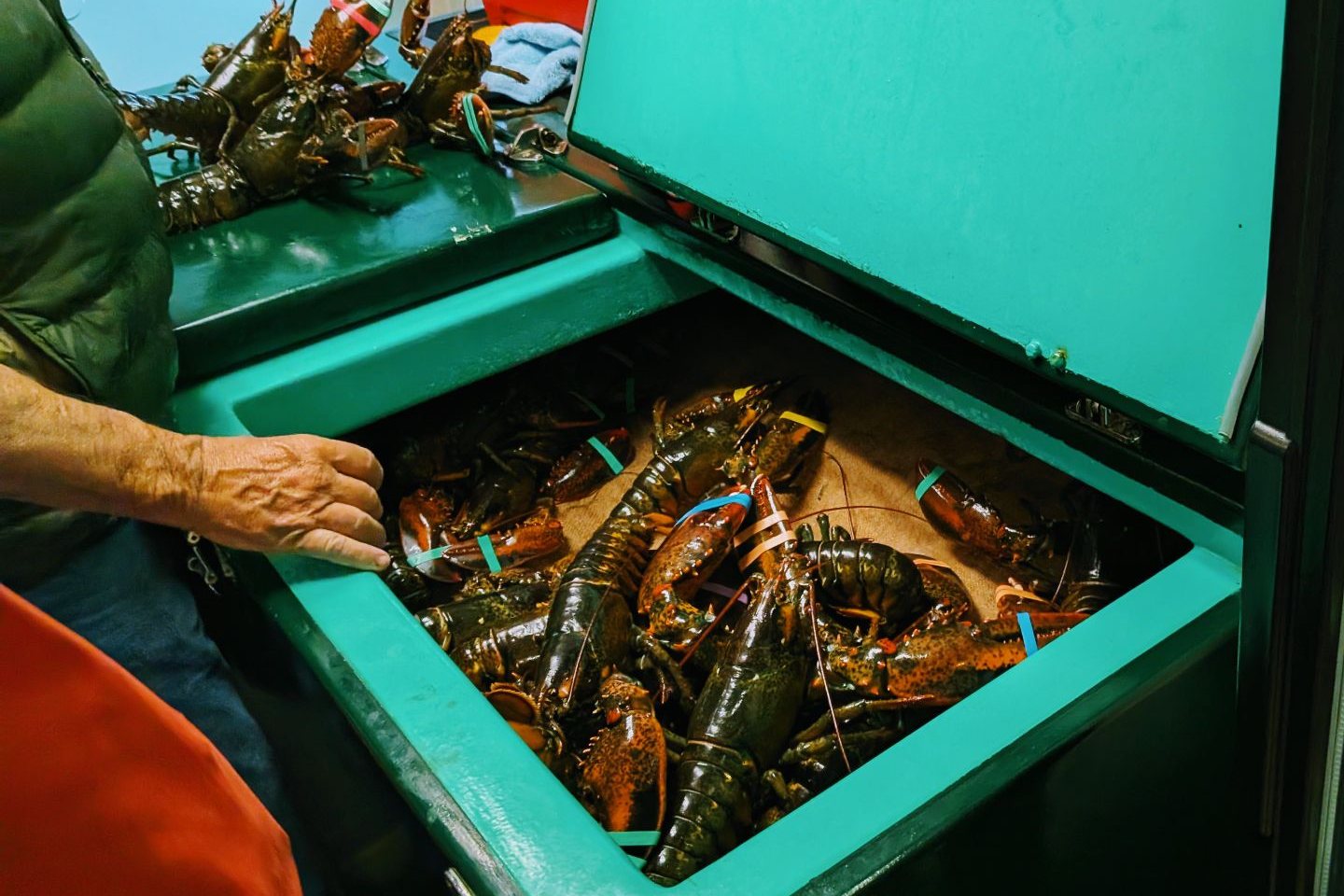
New York City restaurants may soon have to stop dropping live lobsters and crabs into boiling water. That is the aim of a bill Council Member Oswald Feliz introduced in the City Council on November 19. Nothing has been passed yet. Germany, meanwhile, goes the other way: there, boiling is the method the law prescribes, and a new draft regulation from the agriculture ministry would keep it that way.
In short
- Bill Int 1188-2026 would bar restaurants from placing live crustaceans into boiling liquid. Other cooking methods stay legal.
- A first violation brings a warning, after that a fine of up to $100 per violation.
- The bill sits with the Committee on Health, and no hearing has been scheduled yet.
- Switzerland, Austria and New Zealand require crustaceans to be stunned before they are killed.
- In Germany, strongly boiling water is the standard method, and stunning is not required.
Contents7 chapters
What the bill actually bans.
Int 1188-2026 is short. It adds a section to the city’s administrative code covering food service establishments such as restaurants, takeouts and caterers. They would no longer be allowed to place a live crustacean into boiling liquid to cook it. A crustacean is defined as any aquatic invertebrate in that group, with lobsters and crabs named explicitly.
Any other method remains allowed, the text says. The bill does not require stunning. A first violation only triggers a notice from the city, and from the second one on, the penalty is up to $100. The rule would take effect 180 days after it becomes law. Going by the wording, fish markets and home kitchens are not covered. The co-sponsor is Harvey Epstein of Manhattan, and both are Democrats.
The memo in support runs to three sentences. Recent studies indicate that lobsters and crabs feel significant pain when boiled alive without being stunned, it says, without naming a single study. New York City has a responsibility to make sure these animals do not suffer unnecessarily.
“The textbook definition of animal cruelty”.
“Boiling an animal alive is the textbook definition of animal cruelty,” Feliz told the New York Post. He asked why the animals would otherwise thrash around and desperately try to escape when thrown into boiling water. The bill does not take lobster off the menu, he added. He told NBC New York he hopes to start a conversation and wants to talk to the small businesses affected.
The restaurant world responded with ridicule. Retired restaurateur Angelo Vivolo called the idea “nuts” in the Post. A chef from the Hamptons said he might drop plans for a Manhattan restaurant, since businesses are already fighting high rents, labor costs and taxes. We found no statement from the city’s main hospitality trade group.
On social media, much of the praise goes to Mayor Zohran Mamdani. He is not a sponsor of the bill, though, and as far as we know he has not commented on it. On the same day, he did sign the ban on horse-drawn carriages in Central Park, which takes effect in June 2028. The Council already banned the sale of foie gras in 2019.
What science knows about pain in crustaceans.
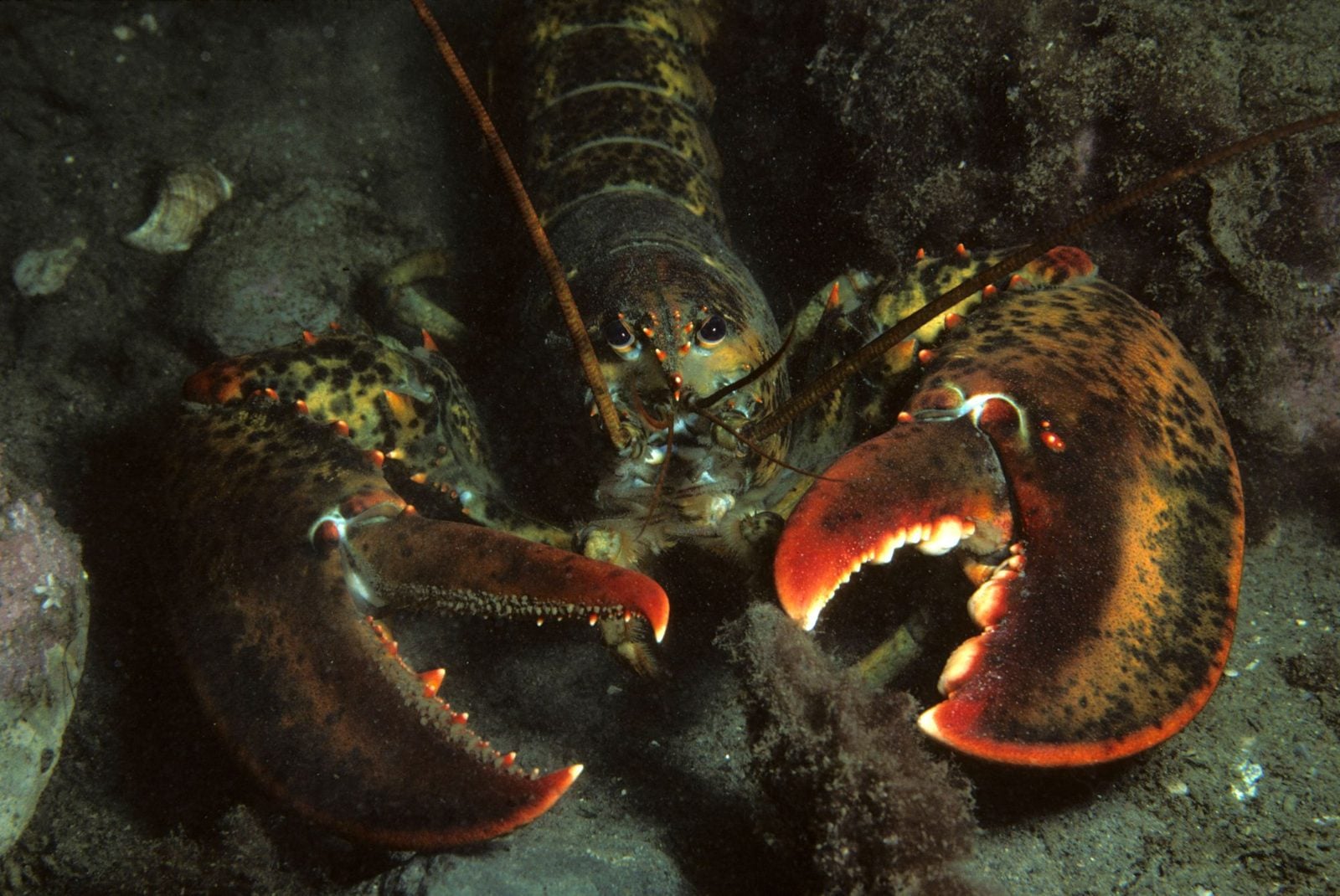
Researchers at Germany’s Alfred Wegener Institute measured how long a lobster keeps registering anything in boiling water. In their 2016 study, nerve activity spiked after immersion. In adult animals it took around two and a half minutes on average to fade, in juveniles about 47 seconds. Only five animals were tested in each group, though.
Several lines of research suggest crustaceans process pain. Biologist Robert Elwood showed that hermit crabs given electric shocks are quicker to swap shells, and that shore crabs learn to avoid a shelter where they get shocked. In 2024, a team at the University of Gothenburg recorded brain activity in shore crabs and found signs of pain receptors in their soft tissue. A study from April 2026 found that painkillers such as aspirin and lidocaine reduce the escape response of Norway lobsters after electric shocks. Subjective experience can’t be measured directly this way, so the researchers carefully speak of putative pain responses.
The UK recognised decapod crustaceans as sentient by law in 2022. That decision was based on a London School of Economics report that reviewed more than 300 studies.
How other countries handle it.
The memo points to countries, “particularly in Europe”, that have banned live boiling. Strictly speaking, these countries require stunning. Since March 2018, Switzerland has banned putting lobsters and other decapods into boiling water without stunning them first, and recommends electrical stunning. In Austria, the slaughter regulation has required crustaceans to be stunned before killing since 2015. According to the animal welfare charity SPCA, New Zealand has required crabs, rock lobsters and crayfish to be insensible before commercial killing since 2018.
England isn’t there yet, even though the New York Post lists it among the countries with a ban. In its animal welfare strategy from December 2025, the government announced guidance clarifying that live boiling is not an acceptable killing method. It has not been published so far.
Germany is heading the other way.
Under Section 12(11) of Germany’s animal welfare slaughter regulation, crustaceans may “only be killed in strongly boiling water”. The water must cover them completely and keep boiling hard after they go in. Electrical stunning or killing is also allowed, and for edible crabs, destroying the nerve centres with a spike. Stunning is not mandatory.
A draft from the agriculture ministry in October, meant to cut red tape, would change little. Boiling water would remain the standard method. Splitting lobsters lengthwise would become legal. The rules for snails and mussels would be dropped entirely, because their sentience is not sufficiently proven, the ministry argues, adding explicitly: “unlike in the case of crustaceans”. The German animal rights group Menschen für Tierrechte accuses the government of weakening animal welfare standards at slaughter (in German). The draft is still being reviewed with stakeholder groups.
Why stunning has limits too.
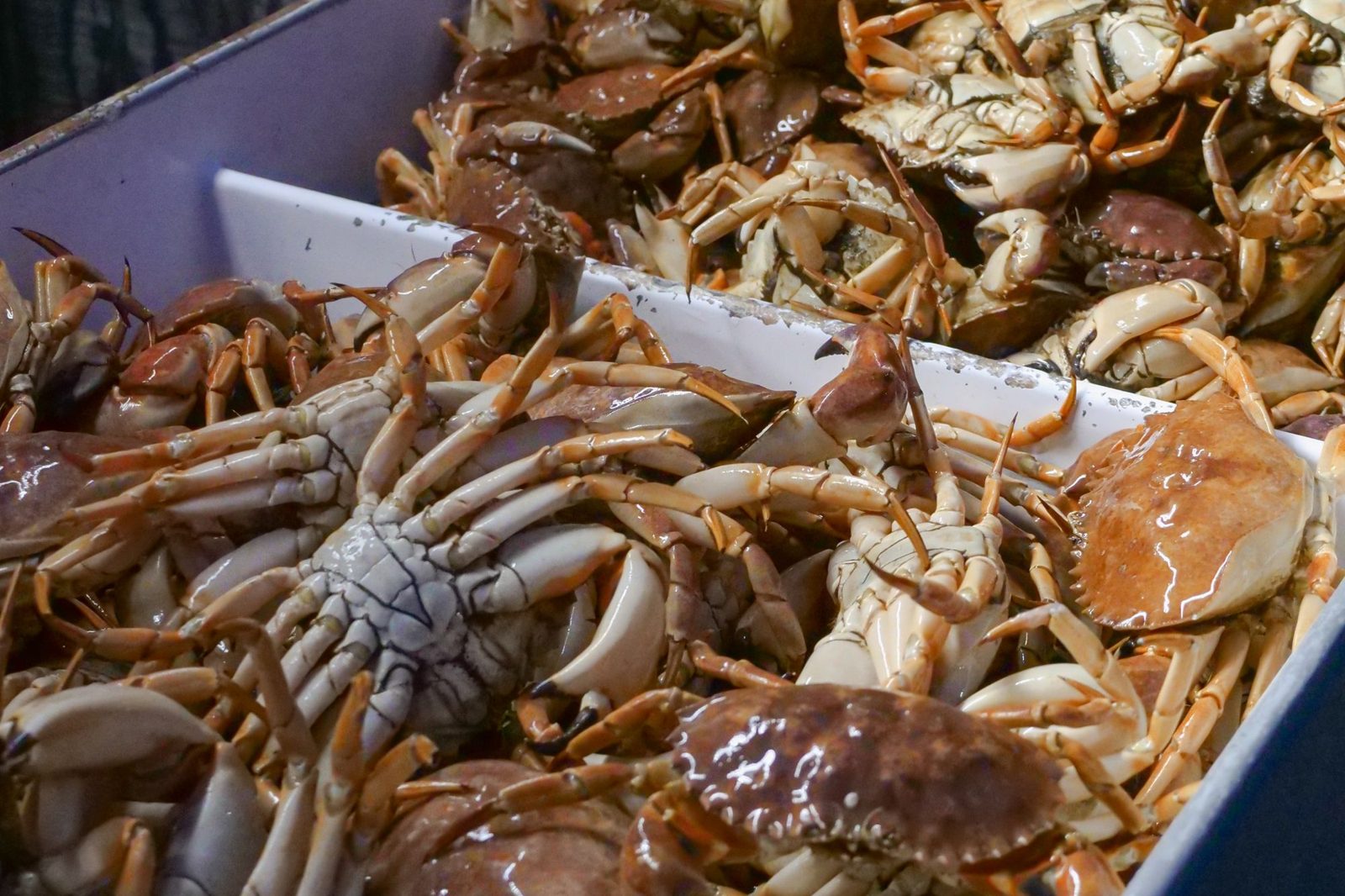
Electrical stunning has its limits too. In lobsters, current triggers seizures and paralysis, but the nervous system can recover within minutes to hours, the Alfred Wegener Institute study found. In a test in New Zealand, a commercial stunning device killed all ten crayfish, but only three out of ten rock lobsters right away. It failed on the largest one. And the Gothenburg researchers warn that wrongly applied electric shocks can themselves be very painful.
The number of animals involved is huge. In 2024, US commercial landings of American lobster came to 113 million pounds, according to NOAA Fisheries, which does not count individual animals. In aquaculture alone, hundreds of billions of decapod crustaceans are killed every year, most of them shrimp, according to estimates by Fishcount.
An animal ethics perspective.
A lobster pushing against the lid of the pot doesn’t need a study to show that he doesn’t want to be there. Still, it’s good that research is now confirming what many cooks suspect. The New York bill is a small step: it bans one particularly cruel method and leaves everything else open, even splitting an animal while fully conscious. A stunning requirement would also only regulate how an animal dies, not whether.
Germany is the striking contrast. In its own draft, the agriculture ministry confirms that crustaceans can feel, and still keeps live boiling as the standard method. Sea animals often aren’t even counted, as we recently showed for the fish in Europe’s chemical tests. Why we protect some animals and drop others into a pot is covered in our piece on speciesism, and psychologist Melanie Joy explores it in her book on carnism*. If you miss seafood, take a look at our vegan fish alternatives, and note that imitation crab isn’t vegan either.
How we researched this
This article was prompted by an Instagram post from a US outlet. We read the bill text and the memo in support in the New York City Council’s legislative database. Quotes come from the New York Post and NBC New York. For Germany, we analysed the slaughter regulation and the ministry’s draft of October 20, 2026 in full, for Austria the regulation as published in 2015. We only know New Zealand’s rules from the SPCA. We know the Gothenburg study from April 2026 from its press release. We have no business relationships with the organisations mentioned.
* Affiliate link: if you buy through this link, we earn a small commission. The price stays the same for you.
Want our reporting to show up first in Google's Top Stories? Add This Is Vegan as a preferred source on Google.