






India wants to rewrite its rules for animal experiments, and animal protection groups are raising the alarm. A government draft is set to replace regulations from 1968 and 1998. Critics warn that labs could find it easier to use stray dogs, cats and protected wild animals such as monkeys, and could approve many experiments in-house. Humane World for Animals calls the draft “catastrophic”. It has not been adopted yet.
In short
- The draft: New rules on experiments with, and the breeding and trading of, laboratory animals, published in India’s official gazette in early October 2026.
- Main criticism: Stray dogs and cats as well as protected wild animals could end up in experiments with special permission.
- Oversight: Many experiments, including on dogs and monkeys, would be approved by the institution’s own ethics committee.
- What’s missing: According to critics, a clear strategy for replacing animal experiments with animal-free methods.
- Status: The public consultation has closed, medical colleges can still submit comments until mid-December.
Contents6 chapters
What the draft says.
The draft is titled “Prevention of Cruelty to Animals (Control and Supervision of Experiment, Breeding and Trading of Laboratory Animals) Rules, 2026”. It comes from the CCSEA, the committee under the Ministry of Fisheries, Animal Husbandry and Dairying that oversees animal experiments in India. It is dated September 30 and appeared in the gazette on October 6, according to MedBound Times. The public had 30 days to object.
Some of it sounds like progress at first. The 3R principle of replacing, reducing and refining animal experiments is written in explicitly. Experiments are sorted into four severity levels, from “mild” to “severe”, plus experiments in which the animals never wake up from anaesthesia. Breeders, traders and labs have to register, and facilities are to be inspected at least twice a year and keep a register of animals killed. That is how the newspaper Telangana Today summarises it.
The key issue is approval. Every institution needs a nine-member ethics committee, which decides on mild and moderate experiments itself. The CCSEA only has to sign off if an experiment is classed as severe or the animals die during it, and even then only for animals larger than rodents and rabbits.
Stray dogs, cats and monkeys in the lab.
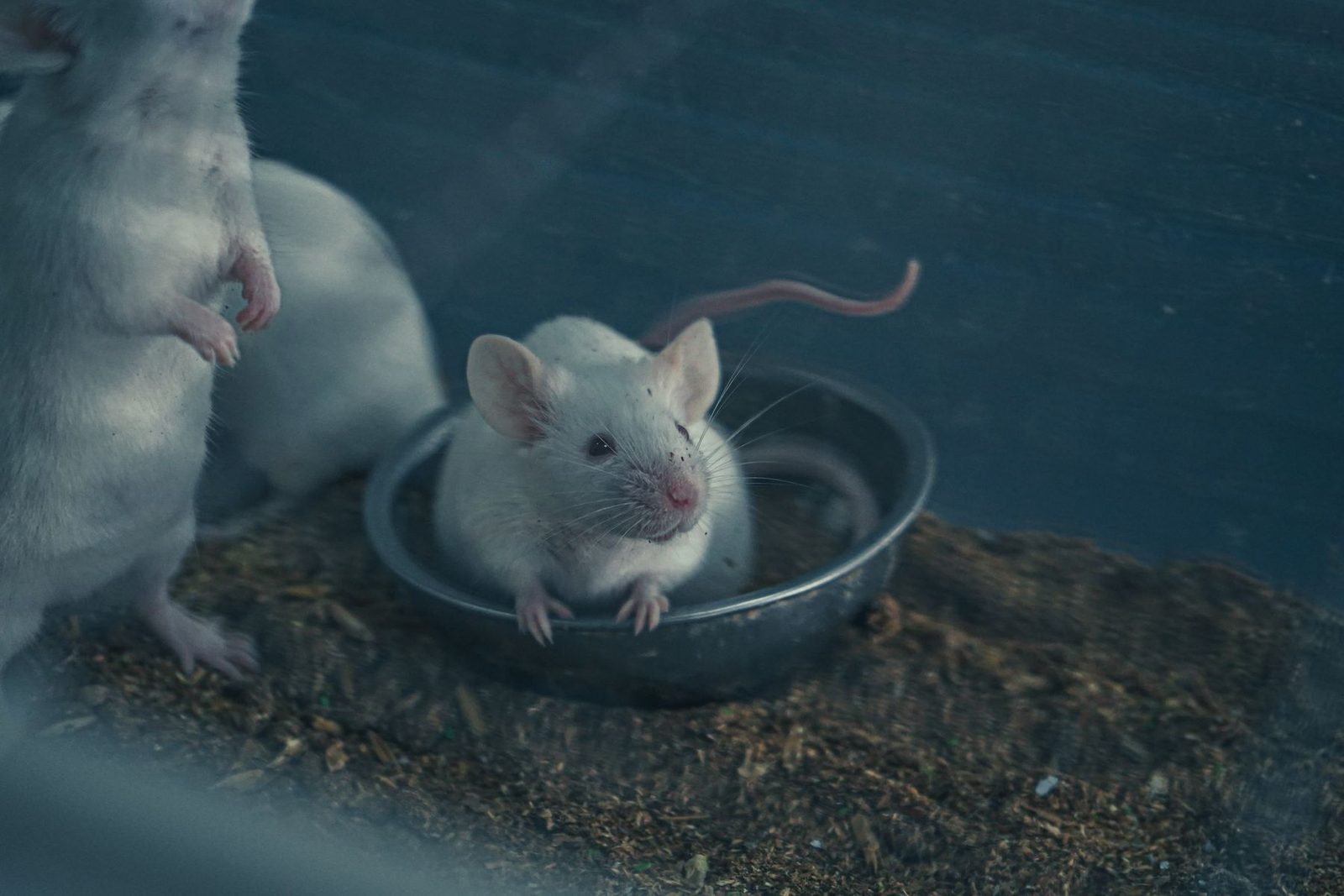
The draft generally restricts the use of wild animals, wild-caught animals, strays and primates, but allows exceptions. That is where the criticism starts. “The rules would also allow the use of stray and feral animals (including dogs and cats) for experimentation,” writes Surat Parvatam of Humane World for Animals India in a blog post on November 12. Labs could also apply to use species protected under India’s Wildlife Protection Act of 1972, such as certain monkey species.
Parvatam sees a second problem: some farmed animals could come from unregistered breeders or open markets. Their origin, genetics and health status would then be unknown, which after the COVID-19 pandemic also means a risk of diseases jumping from animals to humans.
Five of the nine members of each ethics committee would come from the institution applying for the experiment. “There is a clear conflict of interest in approving experimentation,” Parvatam writes. PETA India also rejects the draft. “We urge the government to withdraw these draft rules rather than take animal protection back in time,” scientist Anjana Aggarwal told the magazine Down To Earth.
According to MedBound Times, two provisions of the old rules are dropped: the requirement to set aside funds for the lifelong care of laboratory animals, and limits on killing animals after an experiment. Inspections would also be announced in advance. Large parts of the draft are said to be copied from the EU directive on animal experiments, but without its safeguards.
There is also cautious praise.
Not everyone wants the draft scrapped entirely. Lawyer Shreya Bajpai argues on the legal portal LiveLaw for targeted amendments. She welcomes that animal-free methods are recognised in the rules for the first time, and that there would be a severity classification and a register of animals killed. She too is critical of institutions approving their own experiments, though.
What happens next is open. Humane World says it has submitted comments and is talking to the ministry. On November 16, the National Medical Commission (NMC) asked medical colleges to comment within 30 days, the portal Medical Dialogues reports. We have not found a government response to the criticism.
India used to be seen as a pioneer.
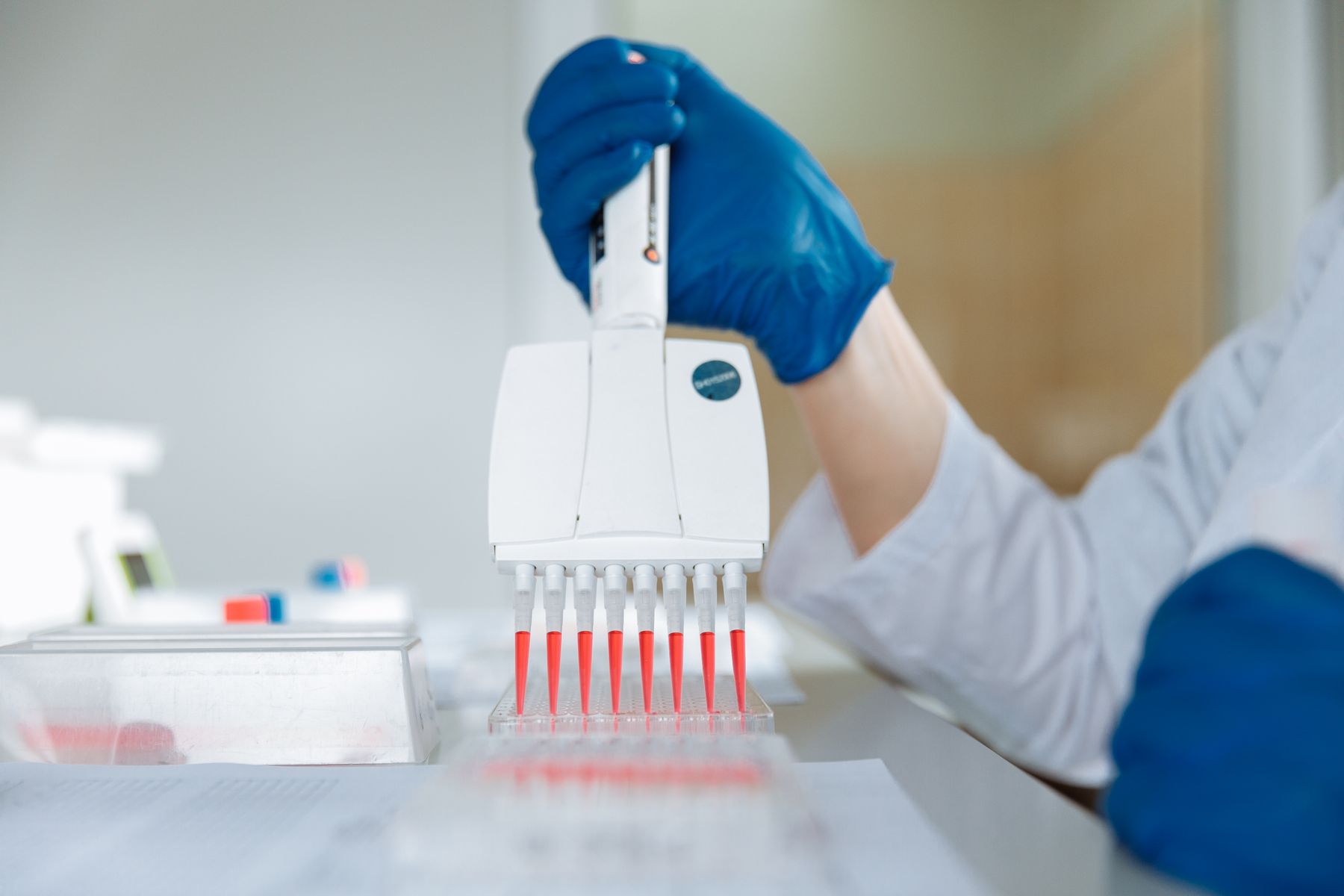
The criticism is so loud partly because India has taken steps in the opposite direction in recent years. Animal testing for cosmetics has been banned since 2014, and since November 2014 so has the import of cosmetics tested on animals, as Down To Earth reported at the time. In 2023, the government changed its drug approval rules so that manufacturers can use cell models or organ chips instead of animal tests.
The state also funds such methods. According to Science Minister Jitendra Singh, the Indian Council of Medical Research (ICMR) funds 109 projects on animal-free methods at 71 institutes, Indian Pharma Post reported in August. Hyderabad has its own centre for human-based model systems. How many animals are used in Indian labs nobody knows exactly, because the government does not publish figures. PETA India estimated over a million procedures for 2015.
Other countries are heading the other way.
A lot is moving internationally. In April 2025, the US Food and Drug Administration announced it would phase out animal testing requirements for monoclonal antibodies and other drugs. The NIH wants to prioritise human-based research. In 2026, the European Commission presented a roadmap to phase out animal testing in chemical safety assessments. How poorly results from animal experiments often translate to humans is covered in our overview of the evidence on animal testing.
An animal ethics perspective.
A dog living on the street has no one to speak for him. That is exactly why he deserves special protection. If a lab can use him with special permission in future, and the approval comes from colleagues in the same building, that is a step back for an animal who is already among the most vulnerable. The same goes for monkeys and other wild animals who would be taken from their habitat into the lab.
The fact that the draft names the 3R principle changes little as long as “replace” remains just a word in the text. With its research programmes, India has shown it can take animal-free methods seriously. The new rules should continue down that path. How animal breeding for labs works elsewhere is shown in our report on monkey breeding for animal testing. In everyday life, the easiest place to start is the bathroom, for example with vegan cosmetics*.
How we researched this
This article was prompted by a Humane World for Animals blog post of November 12, 2026. We compiled the content of the draft (gazette number G.S.R. 864(E)) from reports by MedBound Times, Medical Dialogues, Telangana Today, LiveLaw and Down To Earth. We were unable to open the official document itself, so individual details may differ in wording. Information on research funding comes from the science minister’s answer in parliament, the estimate of animal numbers from PETA India. We have no business relationships with the organisations mentioned.
* Affiliate link: if you buy through this link, we earn a small commission. The price stays the same for you.
Want our reporting to show up first in Google's Top Stories? Add This Is Vegan as a preferred source on Google.