






In eight months, bullfighting in Colombia will be over. From July 22, 2027, bullfights are banned nationwide. Congress passed the law in 2024, and President Gustavo Petro signed it in the middle of a bullring. Two years on, the country’s Constitutional Court has upheld the ban. At the same time, the new government appears to want to loosen the rules for the final months.
In short
- The law: Law 2385 of 2024, known as “No más olé”. It bans bullfights, rejoneo on horseback, novilladas with young bulls, becerradas and tientas.
- When: From July 22, 2027. Transitional rules apply until then.
- The arenas: Public bullrings are to become venues for culture, art and sport by 2028.
- The workers: The state has to set up retraining programmes for people who make a living from bullfighting.
- The courts: The Constitutional Court upheld the ban in 2025 and even widened it: corralejas, coleo and cockfighting are set to go from 2028.
Contents6 chapters
What the law bans.
Law 2385 is short. Its core is Article 3: “corridas de toros, rejoneo, novilladas, becerradas y tientas” are prohibited throughout the country. That covers classic bullfighting, fighting from horseback, fights with young bulls and calves, and tientas, in which breeders test how aggressive young animals are. The ban takes effect three years after the law entered into force, on July 22, 2027.
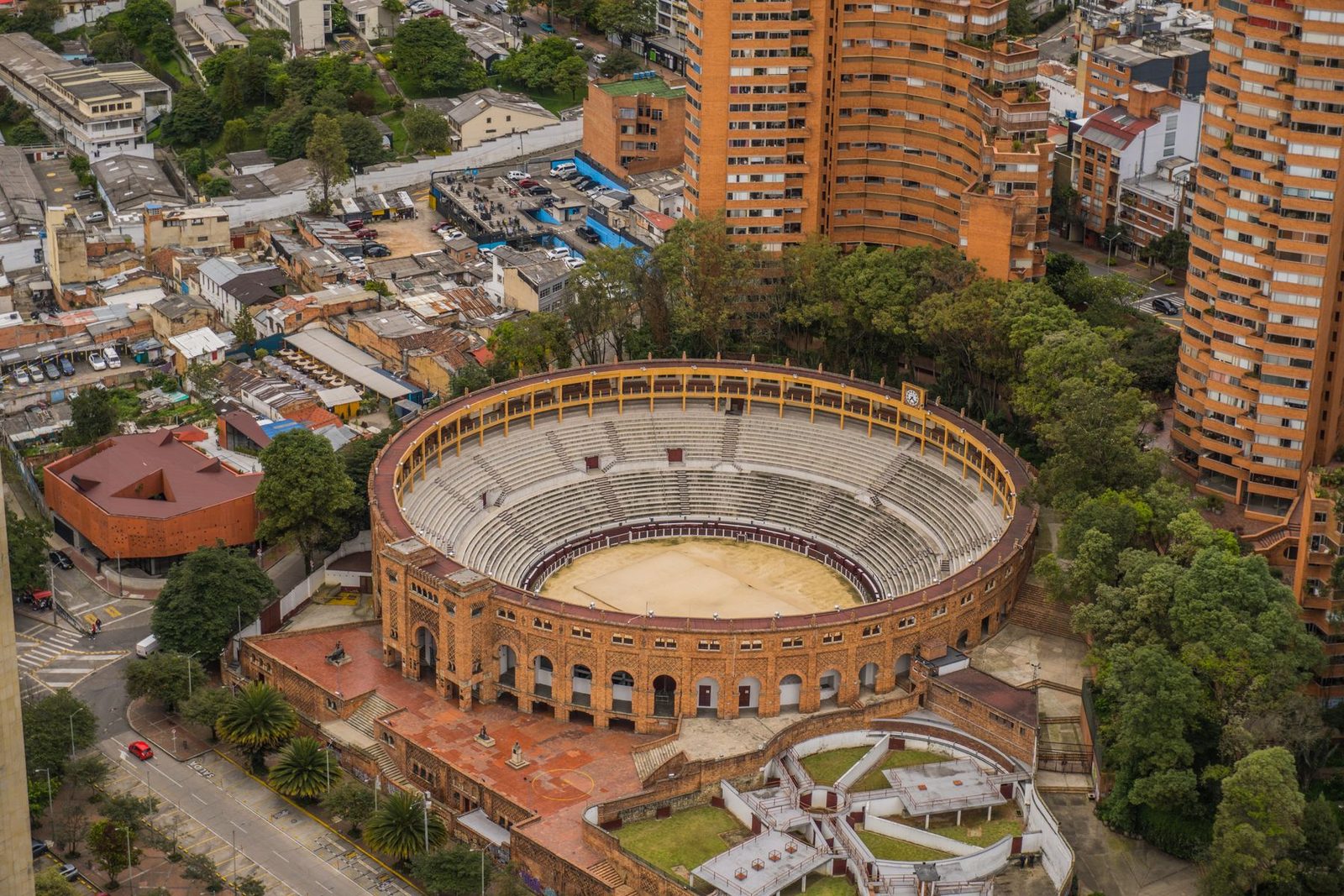
The law passed Congress after several failed attempts in earlier years. In the final vote in the House of Representatives on May 28, 2024, 93 members voted in favour and two against, El Heraldo reported. Petro signed it on July 22, 2024 in the La Santamaría bullring in Bogotá. “Many people have made a living from this business, there has to be a transition to other work,” he said there. (Quotes translated from Spanish.)
The venue was symbolic. As mayor of Bogotá, Petro had already tried to end bullfighting there in 2012. The courts brought the bullfights back, and in 2017 bulls were fought in the Santamaría again.
What happens to the arenas and the workers.
Under Article 5, the government has until one year after the ban begins to convert public bullrings into venues for culture, sport and art. People who used to make a living from bullfighting are to be given priority. The Ministry of Culture has published guidelines for this. The first municipality to convert its arena is Tesalia in the department of Huila, according to the Colombian Senate.
For workers, Article 4 requires retraining programmes, a register of those affected and a commission led by the Ministry of Labour. We have not found an official figure for how many people are affected. In 2024, the Corporación Cultural de Manizales, which organises one of the two major bullfighting fairs, told Agronegocios of at least 1,000 direct and 4,000 indirect jobs and 43 breeding ranches. The same report shows how small the business has become: between 2019 and 2024 there were only 34 major bullfights, all in Cali and Manizales. The last bullfight in Bogotá took place in March 2020.
The Constitutional Court upholds the ban.
The law was challenged in court, without success. In September 2025, the Constitutional Court declared it constitutional in ruling C-374/25. “Societies are not static,” the ruling says. The court even went further than Congress. The law had explicitly exempted cabalgatas, corralejas, coleo and cockfighting. In corralejas, people chase bulls around a wooden arena; in coleo, riders pull cattle to the ground by their tails. According to the ruling, that exemption is unconstitutional, Asuntos Legales reported. According to El Tiempo, the ban on these practices applies from September 2028.
The court had dealt with the issue before. In 2010 it allowed bullfights only where they are a tradition and without public money. In 2012 it found that only the legislature can ban them nationwide. That is exactly what Congress did in 2024.
A fight over the final months.
Under the law, the culture and environment ministries were supposed to regulate the transition period within two months. Decree 0703 only came in July 2026, almost two years late, and it is strict. Pointed or electric objects are banned during loading, transport and the fight itself. A team of vets has to confirm that the bulls are uninjured, and injured animals are taken out of the arena. Minors may neither watch nor take part. Bullfights are only allowed in municipalities where they have been held regularly since 2010, public broadcaster RTVC reported.
For the industry, this means the end before the end. Without banderillas, picas and puyas there is no bullfighting, bullfighting representative Germán Darío Aguirre told El Tiempo. “We are asking for it to be repealed because it kills the fiesta brava earlier than the law intended.” If necessary, they would go to the Council of State and push for the ban to be postponed to 2030. In October, the organisers in Manizales called off the bullfights at their “Toros y Ciudad” festival. They say the big fair in January 2027 will go ahead.
Since August, Colombia has been governed by Abelardo de la Espriella, who narrowly won the June runoff against Iván Cepeda from Petro’s camp. His government apparently wants to rewrite the decree. According to a report by the magazine Cambio on November 19, an unsigned draft exists. It would limit the ban on pointed objects to transport and pens and allow children back in. We have not yet found official confirmation. A decree cannot change the ban from July 2027; that would take a new law.
Where bullfighting is still legal.
Bullfighting is still legal in Spain, Portugal, France, Mexico, Peru, Ecuador and Venezuela, in some cases with regional bans. Catalonia banned it in 2010; Spain’s Constitutional Court struck the ban down in 2016. Spain itself has recently only restricted fringe forms such as “dwarf bullfighting”. In Mexico, several states have banned it, including Sonora, Guerrero, Quintana Roo and Michoacán. In 2025, Mexico City passed “bullfighting without violence”, in which the bull may be neither injured nor killed. Mexico’s new national animal welfare law continues to leave the question to the states.
An animal ethics perspective.
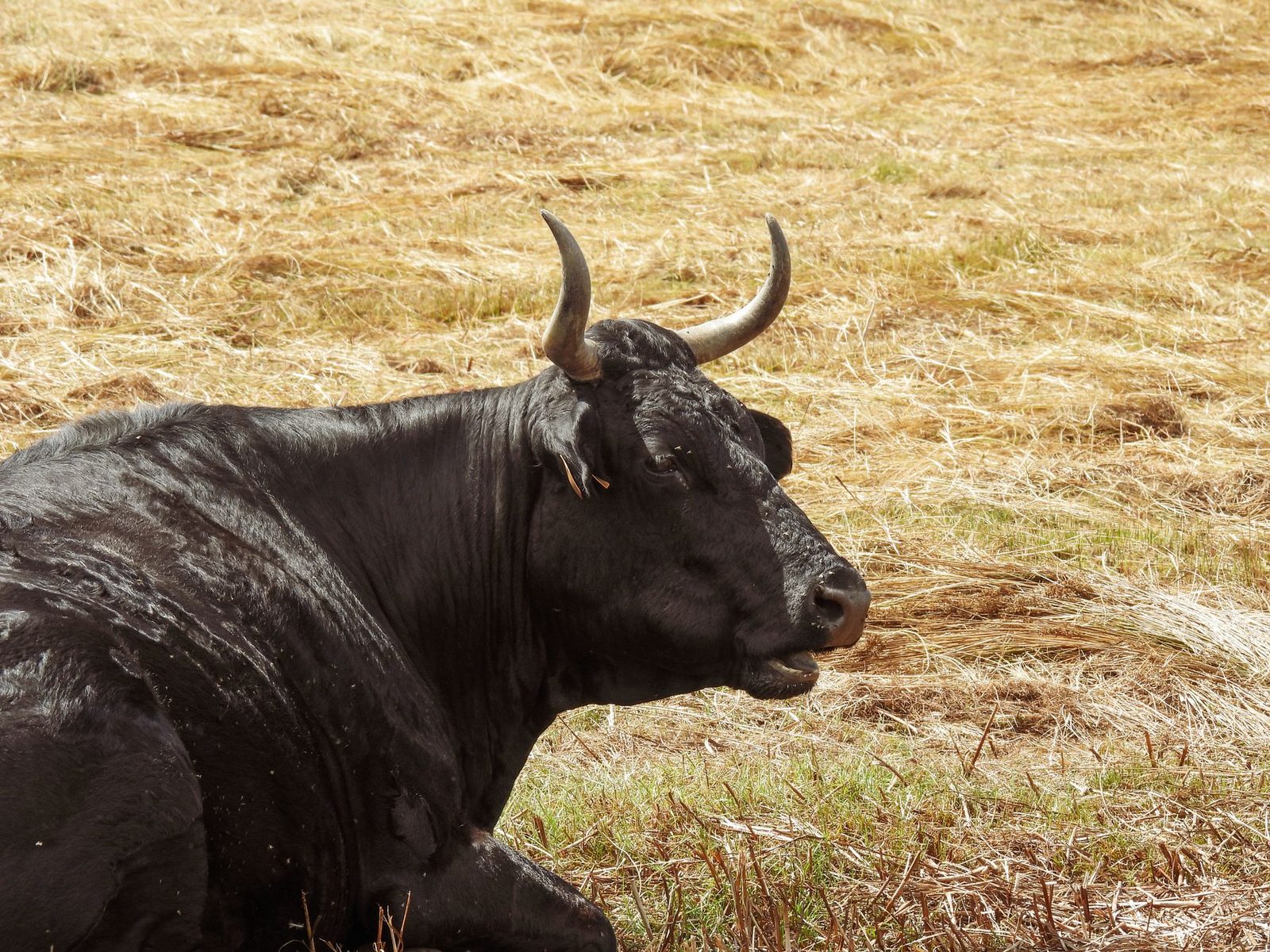
In a classic corrida, the picador first stabs the bull in the neck with a lance, then banderilleros plant barbed sticks in his back. Finally the matador kills the bull with a sword, often only after several attempts. A country refusing to accept this as culture any longer is a big step. It is also remarkable that the Constitutional Court would not accept the exemptions for corralejas, coleo and cockfighting. An animal does not suffer less because the tradition takes place on a village square instead of in an arena.
At the same time, scale matters. The number of bulls who die in Colombia’s arenas is small compared to the cattle killed every day in the country’s slaughterhouses. There, the suffering is less visible and socially accepted. Anyone who finds bullfighting cruel can ask how the bull in the arena differs from the cow who ends up as a steak on a plate. Why we protect some animals and eat others is explained by psychologist Melanie Joy in her book “Why We Love Dogs, Eat Pigs, and Wear Cows”*.
How we researched this
This article is based on the text of Law 2385 of 2024 and El Heraldo’s coverage of the legislative process. We know ruling C-374/25 from reports by Asuntos Legales and El Tiempo; the ruling itself was not accessible to us. The content of Decree 0703 of 2026 comes from reports by RTVC and El Tiempo. The planned change by the De la Espriella government is based on an exclusive report by the magazine Cambio and has not been officially confirmed. Job figures come from the organiser of the Manizales bullfighting fair, a party with its own interests. We did not find official statistics on how many bulls are killed in Colombian arenas each year. We have no business relationships with the organisations mentioned.
* Affiliate link: if you buy through this link, we earn a small commission. The price stays the same for you.
Want our reporting to show up first in Google's Top Stories? Add This Is Vegan as a preferred source on Google.