






Mexico is getting a national animal welfare law, and it covers pigs, cattle and hens too. On November 18, the Chamber of Deputies passed the law without a single vote against, after the Senate approved it in September. For the first time, a federal law in Mexico recognises animals as sentient beings. It is not in force yet: President Claudia Sheinbaum still has to sign it and have it published in the official gazette.
In short
- The vote: The Senate voted 115 to 1 on September 29. The Chamber of Deputies followed on November 18 with 470 votes in favour, none against and two abstentions.
- The core: Animals are defined as “seres sintientes”, sentient beings. That explicitly includes farmed animals.
- For farmed animals: Rules on housing, transport and slaughter. Based on what has been published so far, there is no ban on cages.
- The gap: Bullfighting, cockfighting and jaripeo remain legal unless individual states ban them.
- What comes next: Once the law is published, Mexico’s 32 states have one year to bring their own laws in line.
Contents6 chapters
What Congress passed.
The law has a long name: “Ley General en Materia de Bienestar, Cuidado y Protección de los Animales”, roughly the General Law on the Welfare, Care and Protection of Animals. The Senate went first. On September 29, 115 senators voted in favour and one against, as the newspaper Excélsior reported. The Chamber of Deputies adopted the text unchanged on November 18, with 470 votes in favour and two abstentions, according to Congress’s own broadcaster Canal del Congreso. Because there were no amendments, the law goes straight to the government.
The law has 125 articles and defines animals as “seres sintientes y sujetos de cuidado”, sentient beings that humans have a duty to care for. An animal’s welfare is to be assessed across five areas: nutrition, environment, health, behaviour and mental state. That follows a model that has been widely used in animal welfare science for years.
“Today Mexico takes a historic step: for the first time, a national law recognises that animals feel and obliges the state to protect them,” said Dulce Ramírez of Igualdad Animal México in the organisation’s press release. Igualdad Animal, known internationally as Animal Equality, had campaigned for the law for years. (Quotes translated from Spanish.)
Why the law was overdue.
A constitutional amendment paved the way. Since December 2024, Article 4 of Mexico’s constitution has contained the sentence “Queda prohibido el maltrato a los animales”: animal cruelty is prohibited. At the same time, Congress gained the power to pass a nationwide animal welfare law. Until then, animal protection had mainly been up to the states, and the rules varied accordingly.
The constitutional reform in the official gazette DOF gave Congress 180 days and required the law to explicitly cover the breeding, use and slaughter of animals for human consumption. That deadline expired in early summer 2025. In October 2026, two committee sessions still fell through because not enough deputies showed up, and Igualdad Animal filed a complaint.
What changes for pigs, cattle and hens.
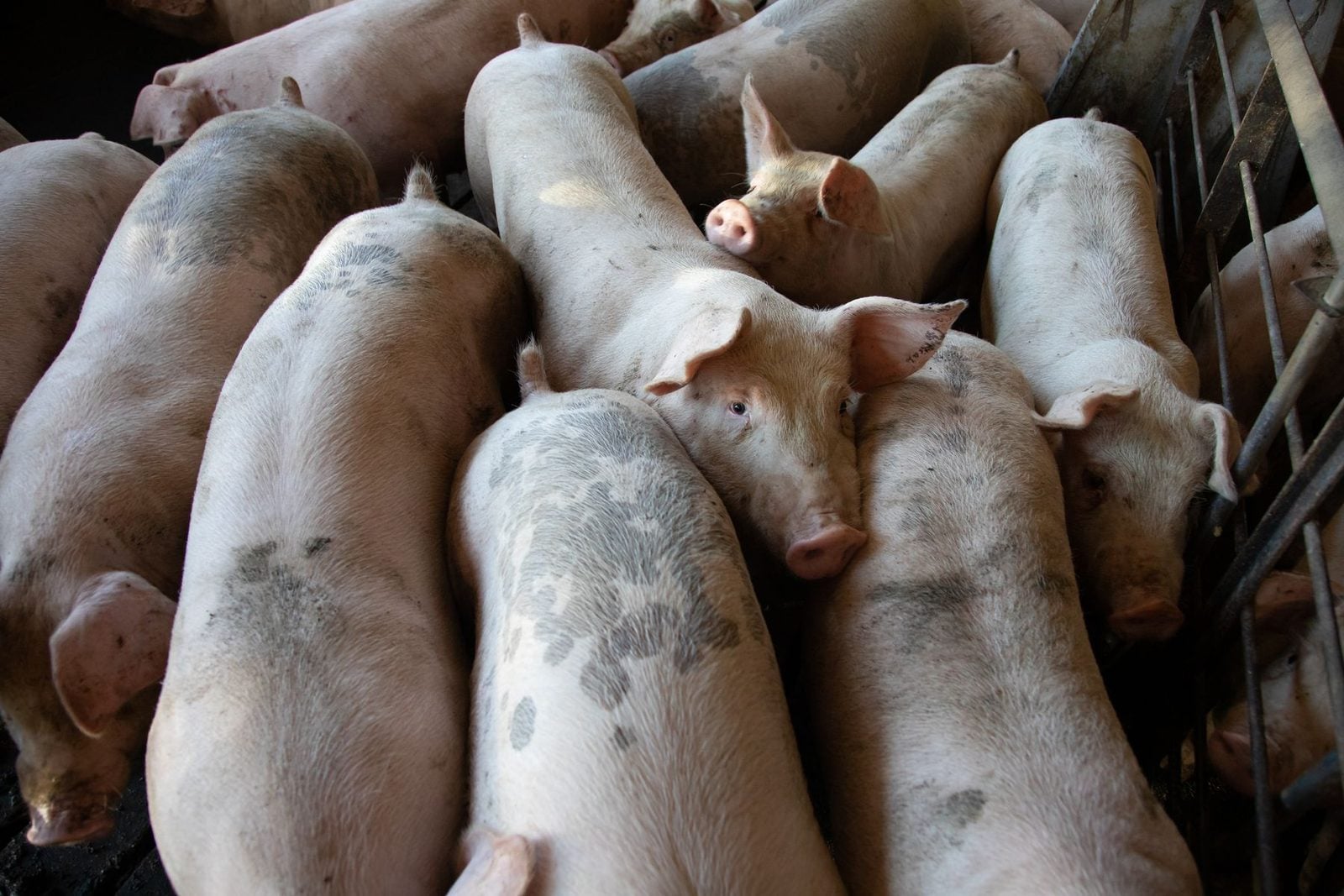
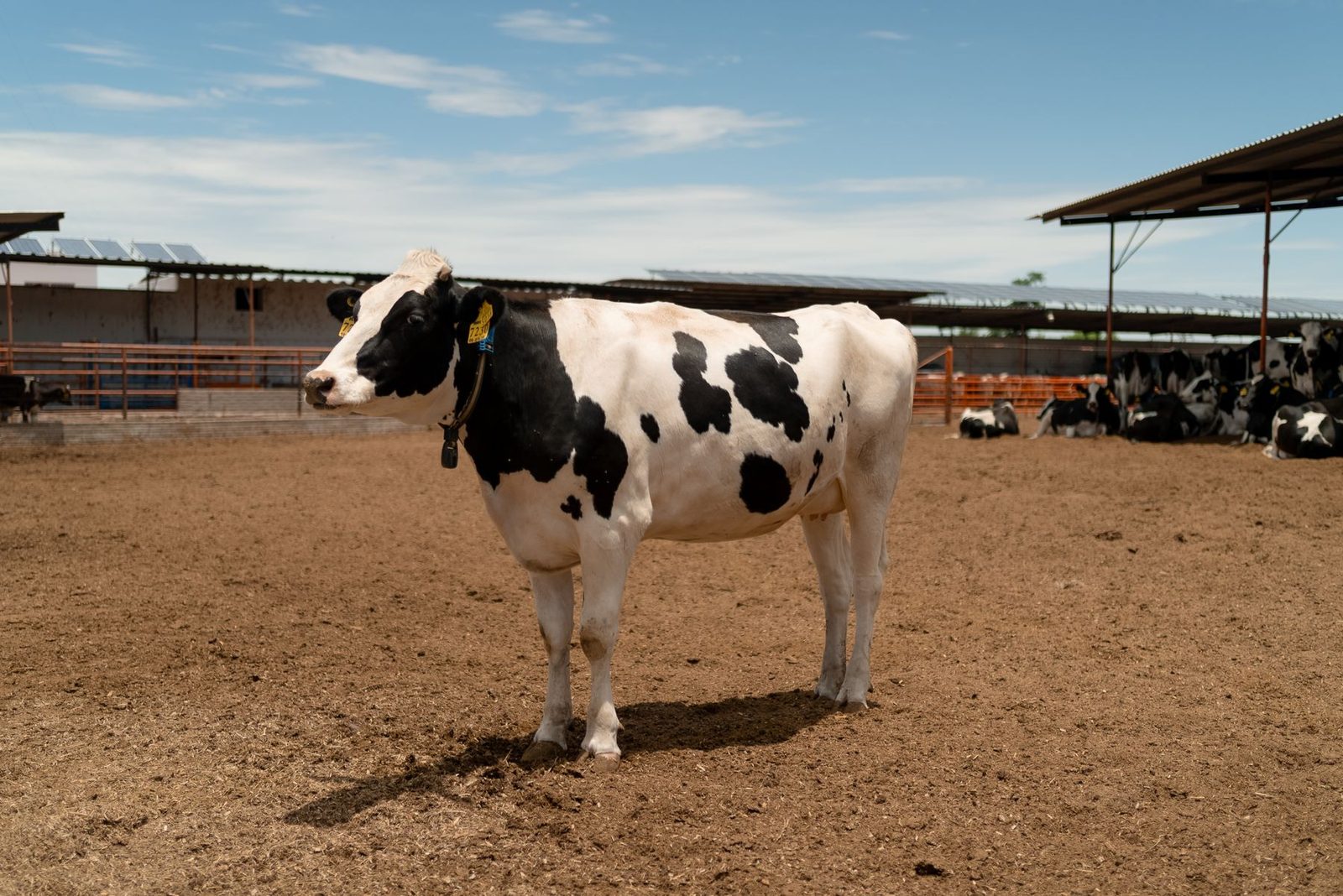
This is the part that makes the law interesting internationally. Many animal welfare laws in Latin America focus mainly on dogs and cats. Mexico’s includes farmed animals, even those families keep for their own food. According to Igualdad Animal, housing must take the animals’ freedom of movement and social needs into account. Transports must not be overcrowded, and animals need ventilation and protection from heat, cold and rain. Only trained staff may slaughter animals.
How much this means in practice depends on the details. We have not found an explicit stunning requirement, a ban on cages for laying hens or transition periods for existing farms in the summaries published so far. Many specific rules are likely to follow in regulations and official standards. Deputy José Luis Téllez of the Labour Party (PT) made clear in the debate where the line is drawn: animal protection should not mean “a confrontation with productive activities”.
The scale is huge. According to Igualdad Animal, citing the government’s agricultural statistics agency SIAP, more than two billion animals were used for consumption in Mexico in 2025. Mexico also leads the world in egg consumption: on average, each person ate around 410 eggs last year, the industry association UNA reported, according to Crónica.
What else is in it.
The law explicitly bans dog fighting and requires all states to cooperate on raids. Animals may no longer be given away as prizes or used in political campaigns, and selling animals on streets and at markets is prohibited. For animal testing, it enshrines the 3R principle of replacing, reducing and refining animal experiments, according to Humane World for Animals. It also creates a national pet registry and a national animal welfare strategy.
Violations cost between 50 and 2,000 UMA, the unit Mexico uses to calculate fines. According to the newspaper Crónica, that is roughly 5,900 to 235,000 pesos. Offenders can also face up to 36 hours of detention, closure of their business and an entry in a public register of animal welfare offenders. Fines are imposed by the environment and agriculture ministries.
Bullfighting is left to the states.
The biggest gap concerns so-called traditions. The law does not ban bullfighting, cockfighting or jaripeo, a form of bull riding, nationwide. Whether they are allowed remains up to the states. Pedro Haces of the governing Morena party stressed in the debate that the law respects their authority, including over charrería, Mexico’s equestrian sport involving cattle. According to Humane World for Animals, six states have banned bullfighting so far, including Sonora, Guerrero and Quintana Roo. In March 2025, Mexico City passed “bullfighting without violence”, in which the bull may be neither injured nor killed.
Representatives of bullfighting, cockfighting and livestock farming had urged the Senate in late September to halt the process. “Regulating cannot mean prohibiting,” said Efraín Rábago of the alliance Tradiciones Unidas por México, according to Publimetro. Animal protection groups see the exception as a weakness. Antón Aguilar of Humane World for Animals Mexico said: “We know the text can still be strengthened.” Money is another concern: the constitutional reform states that no additional funds will be approved for implementation.
An animal ethics perspective.
When a country that uses more than two billion animals a year writes into law that pigs, cattle and hens can feel, that is a real step. Legally, this kind of recognition matters, because courts and authorities can rely on it in the future. For animal rights groups across Latin America, the law will become a point of reference.
But it is worth reading closely what the law regulates: how animals are kept, transported and killed. Whether they are used at all is not up for debate. A pig recognised as a sentient being still ends up at the slaughterhouse, just under somewhat better conditions, if the rules are enforced. And in many states, a bull may still die in the arena. Anyone who accepts that animals feel will at some point have to ask how much suffering scrambled eggs or a pork chop can justify. Breakfast is an easy place to start: for scrambled eggs, pancakes and cakes there are plant-based egg replacers*. How little many people know about where their dairy comes from is shown by a recent survey on cows and calves.
How we researched this
This article was prompted by an Instagram post by Animal Equality on November 20, 2026. We checked the vote results with Congress’s broadcaster Canal del Congreso and with Excélsior, and the requirements of the constitutional reform in the DOF official gazette of December 2, 2024. Details on the content come from Igualdad Animal’s press release, from Humane World for Animals and from reports by Crónica and Canal del Congreso. We have not yet been able to read the full text of the law, as it will only be available once it is published in the official gazette. Whether the President had already signed the law was not known at the time of writing. The figure of two billion animals comes from Igualdad Animal; we did not check the original SIAP data. We have no business relationships with the organisations mentioned.
* Affiliate link: if you buy through this link, we earn a small commission. The price stays the same for you.
Want our reporting to show up first in Google's Top Stories? Add This Is Vegan as a preferred source on Google.