






A post doing the rounds on Instagram says Australia has restricted animal testing for cosmetics. That’s true, but it isn’t new. The law was passed in early 2019 and has applied since July 2020. It also goes less far than the post suggests. The law targets test data: new data from animal tests can no longer be used, and essentially only for ingredients that end up exclusively in cosmetics.
In short
- Since July 1, 2020, new animal test data can no longer be used in Australia to introduce chemicals meant solely for cosmetics.
- For chemicals that also have other uses, the regulator can still allow animal test data on request.
- There is no ban on selling cosmetics with ingredients tested on animals abroad. The EU has had such a ban since 2013.
- Even in the EU, manufacturers still have to test some cosmetic ingredients on animals when chemicals law requires it.
Contents5 chapters
What the law bans.
The legal basis is the Industrial Chemicals Act 2019, in force since July 1, 2020. Two sections carry the ban in their titles: section 103 blocks animal test data for categorising cosmetic chemicals, section 168 for applications. The details are set out in the Industrial Chemicals (General) Rules 2019.
Data counts as new if it comes from tests conducted on or after July 1, 2020 on live vertebrates or cephalopods such as squid and octopus. Anyone introducing a chemical to Australia that is used solely in cosmetics can generally no longer rely on such data. There are exceptions, for example when the data is the only evidence of a hazard to the environment. Older data from before July 2020 can still be used.
The then Coalition government promised the ban during the 2016 election campaign. Its 2017 budget set aside 2.1 million Australian dollars for it, as Humane Society International (now Humane World for Animals) announced at the time.
The loophole for multi-purpose chemicals.
Many ingredients in creams or shampoos are also used in cleaning products, paints or industrial goods. For these chemicals, the ban only partly applies. The regulator can allow new animal test data to be used anyway, on request.
Animal protection groups criticised this from the start. In 2017, the RSPCA cited health department figures showing that 79 percent of new chemical introductions would not be affected by the planned ban. Humane Society International estimated that only around ten percent of chemicals are used exclusively in cosmetics. As late as 2021, the RSPCA still called the exemption for multi-purpose chemicals a significant loophole. We found no bill or consultation from the past two years that would close it.
No sales ban like the EU’s.
The 2016 election promise also included a trade ban on products with ingredients newly tested on animals abroad. It was not implemented in that form. Cosmetics whose ingredients were tested on animals elsewhere can still be sold in Australian stores. The RSPCA believes this probably applies to most cosmetics sold there.
The EU goes further. According to the European Commission, animal testing of finished cosmetics has been banned since 2004 and of ingredients since 2009. Since March 11, 2013, no cosmetics may be sold whose ingredients were tested on animals for that purpose, wherever the tests took place. So the post’s claim that Australia is moving closer to European standards is only partly right.
The EU has a back door too.
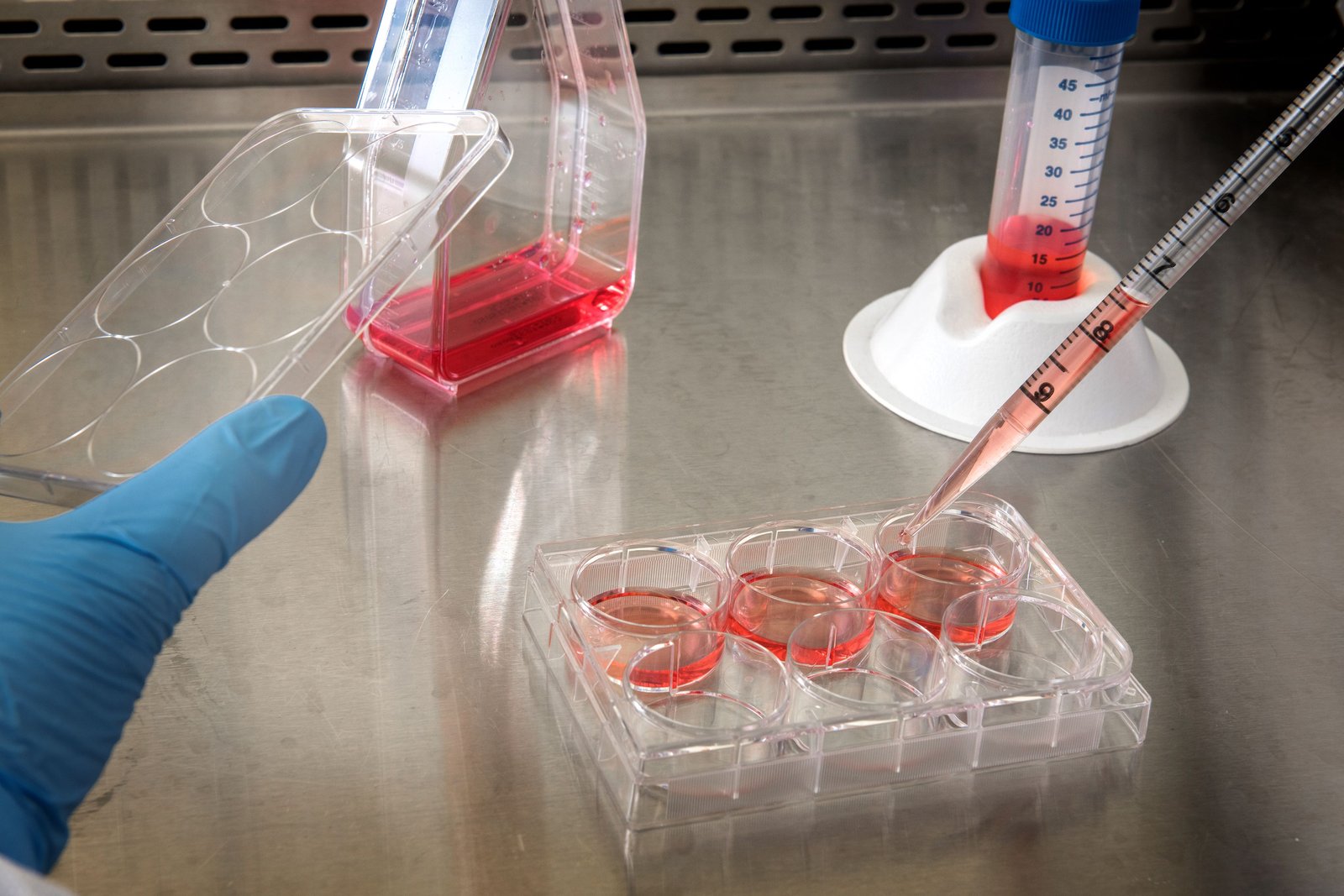
The European ban covers tests done for the purposes of cosmetics law. Alongside it sits the REACH chemicals regulation, which requires data to protect workers and the environment. On that basis, the European Chemicals Agency asked manufacturer Symrise for new animal tests on two UV filters used in sunscreens, homosalate and octisalate. Symrise sued and lost before the EU General Court in November 2023. In 2024, the Court of Justice refused to hear an appeal.
We recently showed which animals hardly anyone keeps track of in such chemical tests, using the example of fish in REACH tests. According to Humane World for Animals, around 45 countries have now banned or restricted animal testing for cosmetics, Australia included.
An animal ethics perspective.
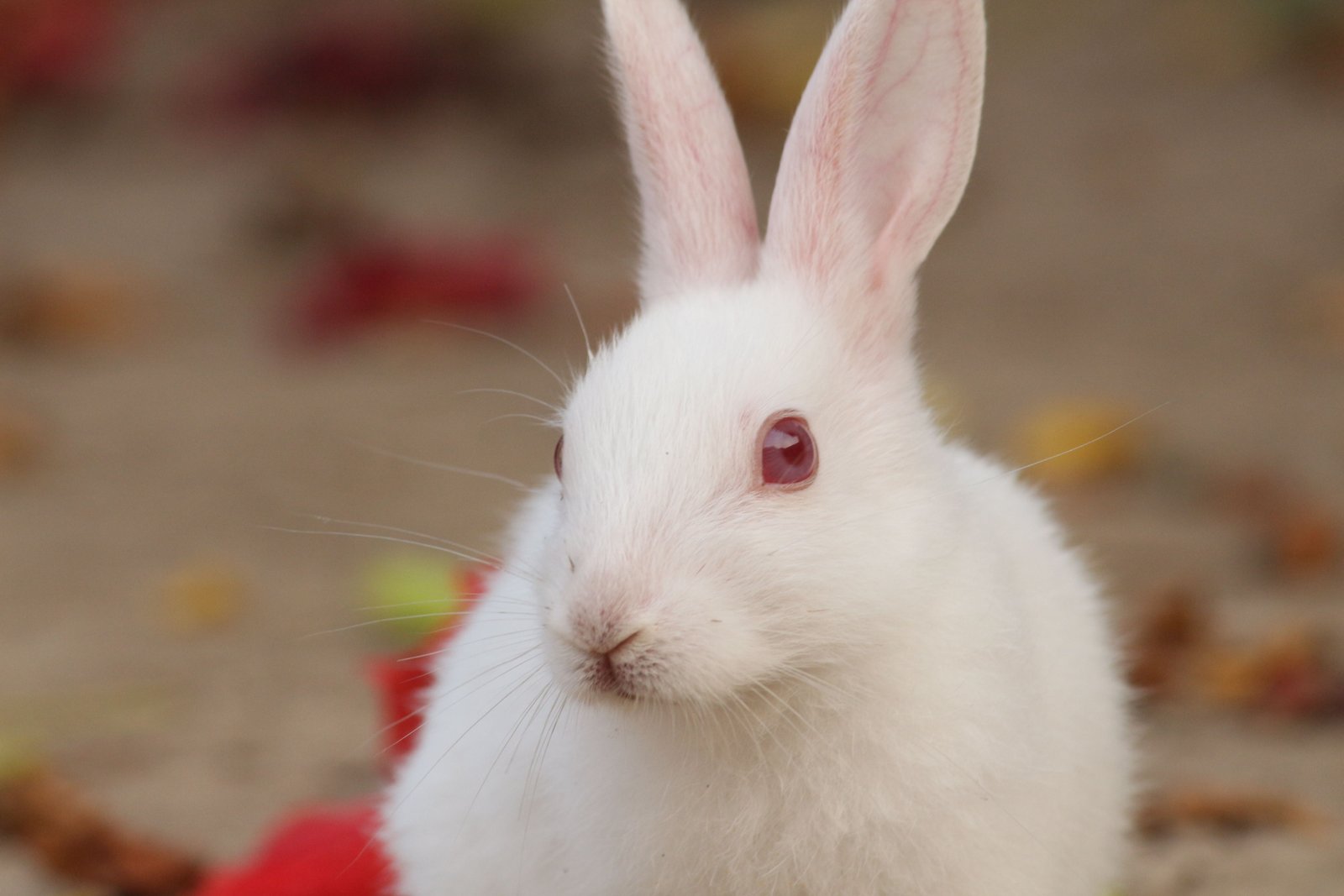
For a rabbit who has a substance put on her skin or into her eye, it makes no difference whether it later ends up in a lipstick or a washing-up liquid. In Australia, though, that is exactly the question that decides whether she is protected. The law protects the image of cosmetics more than the animals. A ban that only covers pure cosmetic ingredients and doesn’t restrict sales leaves plenty of room for “cruelty-free” marketing.
Still, the law is a step. Anyone developing chemicals only for cosmetics now has to manage without new animal tests. Methods using cell cultures, skin models and computer models show that it works. How poorly animal tests often translate to humans is covered in our look at the evidence on animal testing. Even animal-free methods aren’t always entirely free of animals, as our piece on fetal bovine serum shows. In everyday life, the bathroom shelf is an easy place to start, for example with vegan cosmetics*.
How we researched this
This article was prompted by an Instagram post presenting the Australian law as a new step. We read the Industrial Chemicals Act 2019 and the accompanying rules in Australia’s Federal Register of Legislation. The criticism comes from statements by the RSPCA (2017 and 2021) and Humane Society International (2017). We could not access the websites of the Australian Parliament and the chemicals regulator, so we only know the exact date of passage in February 2019 from trade reports. Information on the EU comes from the European Commission and the Official Journal of the EU. We have no business relationships with the organisations mentioned.
* Affiliate link: if you buy through this link, we earn a small commission. The price stays the same for you.
Want our reporting to show up first in Google's Top Stories? Add This Is Vegan as a preferred source on Google.