A survey is making the rounds in Germany: younger people are more likely to be vegetarian or vegan, and at the same time more likely to eat meat. It comes from Juniper, a weight-loss injection provider that doesn’t disclose its methodology. Still, the finding isn’t made up. Germany’s official Nutrition Report, published by the federal food ministry, shows the same pattern with a transparent method. Among young people, the share who are vegan or vegetarian is the highest of any age group, and so is the share who eat meat every day.
In short
- According to Germany’s 2025 Nutrition Report, 20 percent of 14- to 29-year-olds are vegetarian or vegan, compared with 6 percent of people over 60.
- At the same time, 27 percent of the youngest group eat meat or sausage every day, compared with 21 percent of those over 60.
- The middle is shrinking: the share of flexitarians fell from 46 percent in 2023 to 37 percent.
- The Juniper survey now being quoted names neither the polling firm nor the fieldwork dates nor the questions.
Where the survey comes from.
Juniper belongs to the Australian Eucalyptus group and sells weight-loss programs with injections and online coaching in Germany. The company says it surveyed 2,000 adults about their eating and drinking habits and calculated its own “Healthy Diet Score” from the answers. It released first results, a ranking of Germany’s federal states, in October, as the hospitality news site Hogapage reported. Figures on age, meat and vegetarian diets followed this week.
We couldn’t find a press release with methodology or a study report. It remains unclear which polling firm carried out the survey, when, how and with which questions, so there’s no way to judge whether the results are representative. We don’t repeat the individual figures on meat and vegetarian diets here, because we couldn’t check them against an original source.
What the Nutrition Report shows.
The 2025 Nutrition Report, the latest edition, is more reliable. For the ministry, the polling institute forsa interviewed 1,001 people aged 14 and over by phone in May and June 2025. According to the published tables, 6 percent of 14- to 29-year-olds are vegan and 14 percent vegetarian. In every older group, the combined share is only 6 to 8 percent.
Daily meat eating looks contradictory at first glance. 27 percent of 14- to 29-year-olds usually eat meat or sausage every day, the same share as among 30- to 44-year-olds. Among those over 60, it’s 21 percent. At the same time, 14 percent of the youngest group eat vegetarian or vegan alternatives every day, compared with only 4 percent of those over 60. One caveat: with about 1,000 respondents, each age group includes only a few hundred people, so small differences shouldn’t be overinterpreted.
The middle is shrinking.
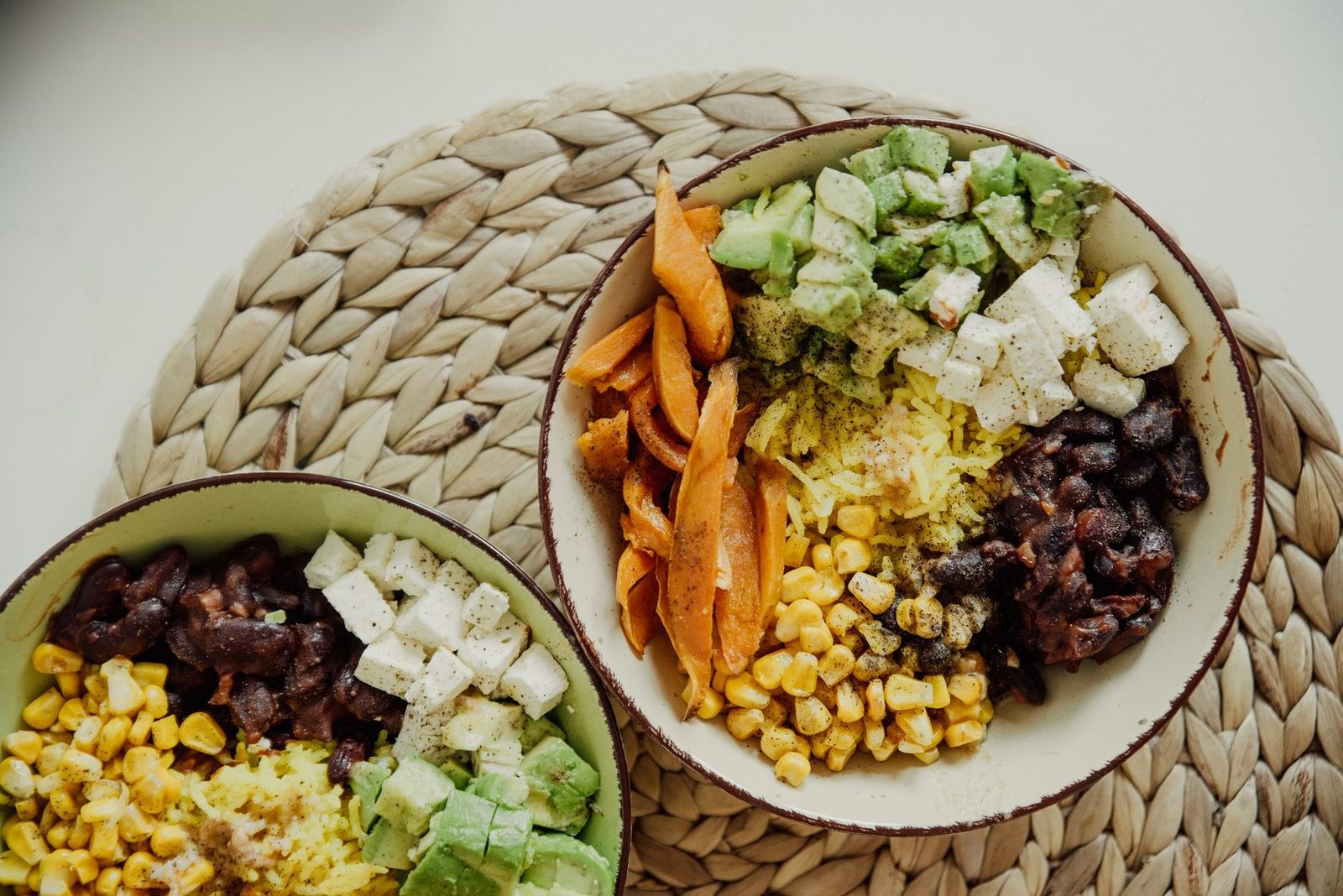
The real trend is in the middle. In 2023, 46 percent still described themselves as flexitarian, meaning they consciously eat less meat. By 2025, it was 37 percent. The share of people who eat meat or sausage every day has risen again after years of decline, from 20 percent in 2023 to 24 percent. Flexitarians are the largest group among older respondents at 45 percent and the smallest among the youngest at 27 percent. Young people seem more likely to pick a clear side.
Figures from Germany’s Federal Office for Agriculture and Food fit this picture. In 2025, people in Germany ate an average of 54.9 kilograms of meat, 1.4 kilograms more than the year before. Poultry reached a record 14.7 kilograms per person. There’s also a clear gender gap: according to the Nutrition Report, 32 percent of men eat meat every day, compared with 17 percent of women. Whether young men in particular are behind the increase can’t be read from the published data. Earlier this year, a YouGov survey on Veganuary also showed how differently people stick with plant-based eating.
An animal ethics perspective.
For animals, the most important finding in the Nutrition Report is one that barely makes headlines. 86 percent of people who are vegan or vegetarian name animal welfare as a reason, more than any other. So the fact that one in five people aged 14 to 29 avoid meat is above all an ethical choice, and a generation for whom that is normal is growing up right now.
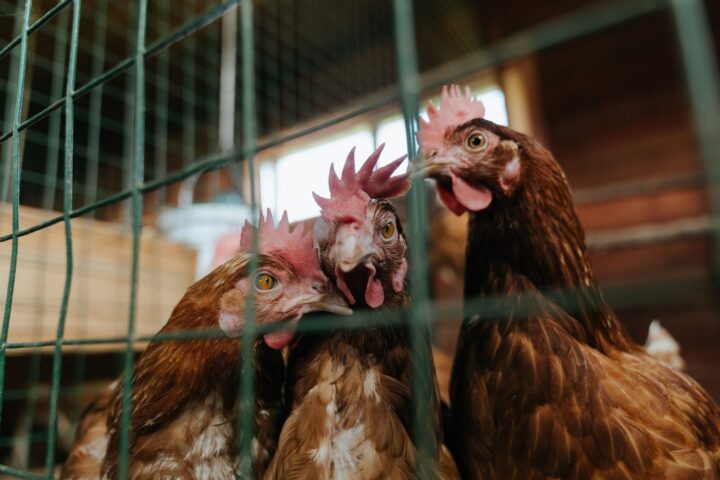
The other half of the finding matters too. When more people eat meat every day and consumption rises again, more animals suffer and die for it. That’s especially true for poultry: a chicken yields little meat, so every additional kilogram means many additional animals. Psychologist Melanie Joy explains why we love some animals and eat others in her book on carnism*.
How we researched this
This article was prompted by a survey from the company Juniper that is currently being quoted in trade media. We couldn’t find an original source with methodology, and the company’s website couldn’t be accessed. The figures in this article therefore come from Germany’s 2025 Nutrition Report and its tables (forsa for the Federal Ministry of Agriculture, Food and Regional Identity) and from the Federal Office for Agriculture and Food’s meat balance of April 2026. We have no business relationships with the companies mentioned.
* Affiliate link: if you buy through this link, we earn a small commission. The price stays the same for you.