The European Commission broke its promise to end cage farming and didn’t even set a new date. The General Court of the European Union in Luxembourg ruled on November 25, 2026, that this was unlawful. The case was brought by the citizens’ committee behind the European Citizens’ Initiative “End the Cage Age”, which around 1.4 million people signed. The ruling doesn’t ban cages. It does oblige the Commission to say when it plans to deliver.
In short
- In 2021, the Commission promised a legislative proposal to phase out cages by the end of 2023. Neither the proposal nor a new timeline followed.
- According to the court, the duty to provide a timeline has no expiry date as long as the Commission still intends to act (case T-151/24).
- The Commission now plans proposals for laying hens and broilers by the end of 2026 and for pigs by mid-2027. There is no date for rabbits, ducks, geese or calves.
- The Commission has also missed its own March 2026 deadline on a possible ban on fur farming.
What the court decided.
According to the court’s press release, the citizens’ committee asked the Commission in November 2023 whether it still intended to present its proposal and requested a new timeline. In February 2024, the Commission confirmed its intention, pointed to ongoing preparatory work and consultations with the farming sector, and gave no date. The committee then brought an action for failure to act.
The court upheld it. By not amending its 2021 communication to include a new timeline after the original one had expired, the Commission breached the regulation on the European Citizens’ Initiative, read in light of the principle of good administration. That duty has no time limit and applies as long as the Commission intends to follow up on the initiative. The timeline keeps citizens informed and allows the European Parliament to assess implementation. Without it, citizens would lack the information they need to take part in the public debate.
The court rejected a second claim: the committee doesn’t get access to the Commission’s file. The right of access doesn’t apply while the Commission prepares acts of general application such as a legislative proposal. The ruling isn’t final yet. The Commission can appeal to the Court of Justice on points of law within two months and ten days.

What the Commission promised in 2021.
In its reply to the citizens’ initiative of June 30, 2021, the Commission announced a proposal by the end of 2023 to phase out, and finally prohibit, cages for all animals covered by the initiative. According to the Commission’s overview page, these are laying hens, pullets, broiler and layer breeders, quails, ducks, geese and rabbits, as well as farrowing crates and sow stalls for pigs and individual pens for calves. The Commission said it would look into whether the rules could take effect from 2027. It never firmly committed to that year.
The deadline passed without a proposal. Only the EU Strategy on Livestock of July 7, 2026, sets new dates: by the end of 2026, a revision of the welfare rules for laying hens and broilers, including the phase-out of cages and an end to the systematic killing of male chicks. By the second quarter of 2027, a revision for pigs is to follow, including the transition from crates to pens. According to the trade publication Just Food, the welfare of certain farmed animals is on the Commission’s agenda for December 9.
Humane World for Animals, formerly Humane Society International, welcomed the ruling. Joanna Swabe, the group’s Senior Director Public Affairs, said that three years after the Commission’s own deadline, a proposal is finally planned. But there is still no binding timeline for rabbits, ducks, geese and calves. That matches the Commission’s own pages, which give no date for these animals.
Where Germany stands.
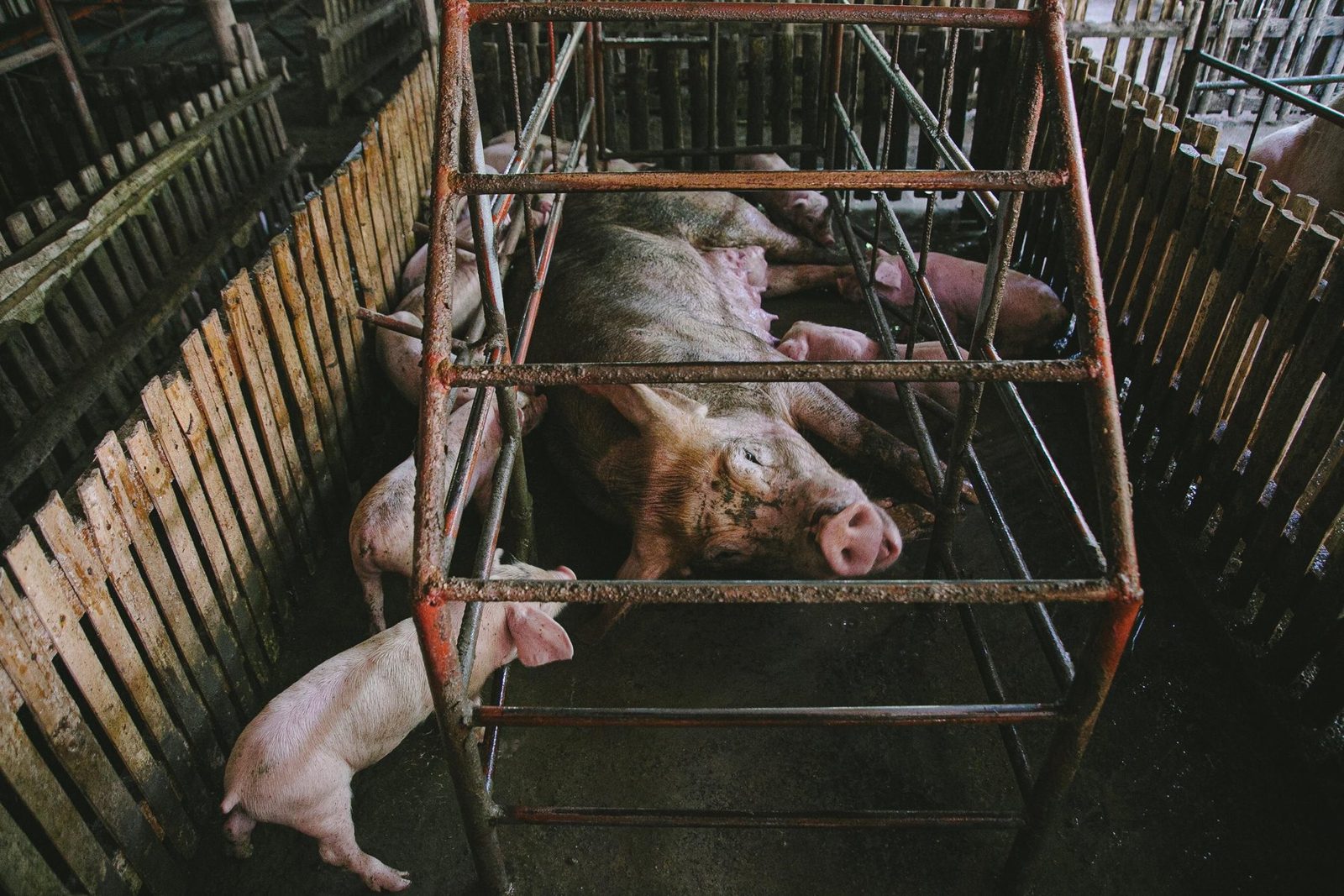
In Germany, keeping laying hens in so-called small group cages has only been allowed until the end of 2025 under the farm animal welfare ordinance, with hardship extensions possible until the end of 2028. Sows face long transition periods: sow stalls in the mating area may stay until February 2029, farrowing crates until February 2036, each with a possible two-year hardship extension. After that, crates are only allowed around birth, for five days at most.
Most people want things to move faster. In the 2026 Animal Welfare Barometer, carried out by Ipsos for Humane World for Animals, 70.6 percent of 1,527 respondents in Germany support a complete phase-out of cages for farmed animals. 72.3 percent want to ban eggs from caged hens in processed foods such as pasta and baked goods, where they are still allowed.
Fur farming is stuck too.
A second citizens’ initiative is also on hold. “Fur Free Europe” gathered more than 1.5 million valid signatures for an EU-wide ban on fur farming. In its December 2023 reply, the Commission promised to say by March 2026 whether it considers a ban after a transition period appropriate. It would base that on an opinion from the food safety agency EFSA. That opinion has been out since July 2025. It identifies small, barren cages as the main cause of welfare problems for mink, foxes, raccoon dogs and chinchillas and finds that only limited improvements are possible within the current cage systems.
The Commission still hasn’t presented a decision. According to The Brussels Times, it is divided internally and leans toward species-specific housing rules rather than a ban. Humane World for Animals argues that the court’s reasoning on transparency and good administration applies here too. Some countries are already ahead: Denmark is closing its last mink farms by 2029.
An animal ethics perspective.
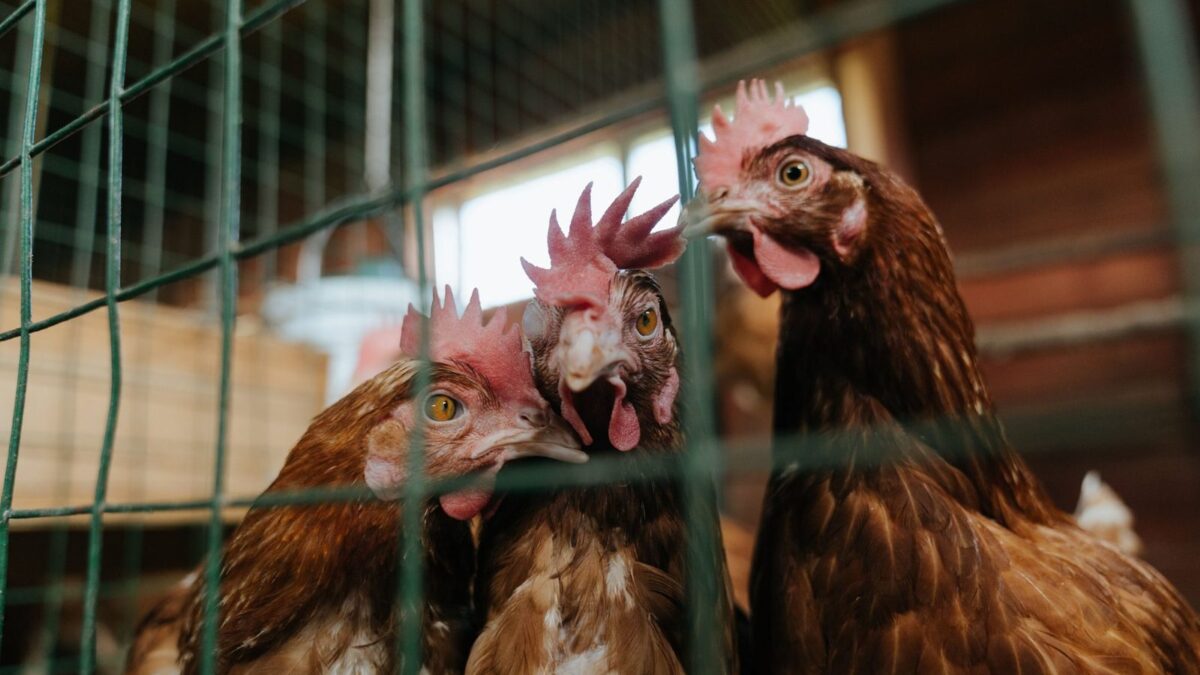
A cage shapes an animal’s entire life. A hen in a cage can barely flap her wings, scratch or take a dust bath. A sow in a crate can’t turn around for weeks. Calling for an end to cages means calling for more space and more movement for these animals. The ruling doesn’t remove a single cage. It only ensures the Commission can’t stay silent indefinitely.
Even without cages, the vast majority of hens, pigs and rabbits end up at the slaughterhouse, often after a few weeks or months. Barn systems and free farrowing pens are improvements within a system that treats animals as means of production. How slowly such pledges move also shows in US supermarket chains that missed their promise on cage-free eggs. If you don’t want to wait for Brussels, you can bake with a vegan egg replacer*, and the question of how hens are kept doesn’t arise at all.
How we researched this
This article was prompted by a press release from Humane World for Animals. We checked the ruling against the General Court’s press release on case T-151/24, and the Commission’s commitments and plans against its own pages on both citizens’ initiatives and its reply to “Fur Free Europe” in the Official Journal. The German deadlines come from Section 45 of the farm animal welfare ordinance, the survey figures from the 2026 Animal Welfare Barometer and its questionnaire. We only know about the December 9 date from media reports. We have no business relationships with the organizations mentioned.
* Affiliate link: if you buy through this link, we earn a small commission. The price stays the same for you.