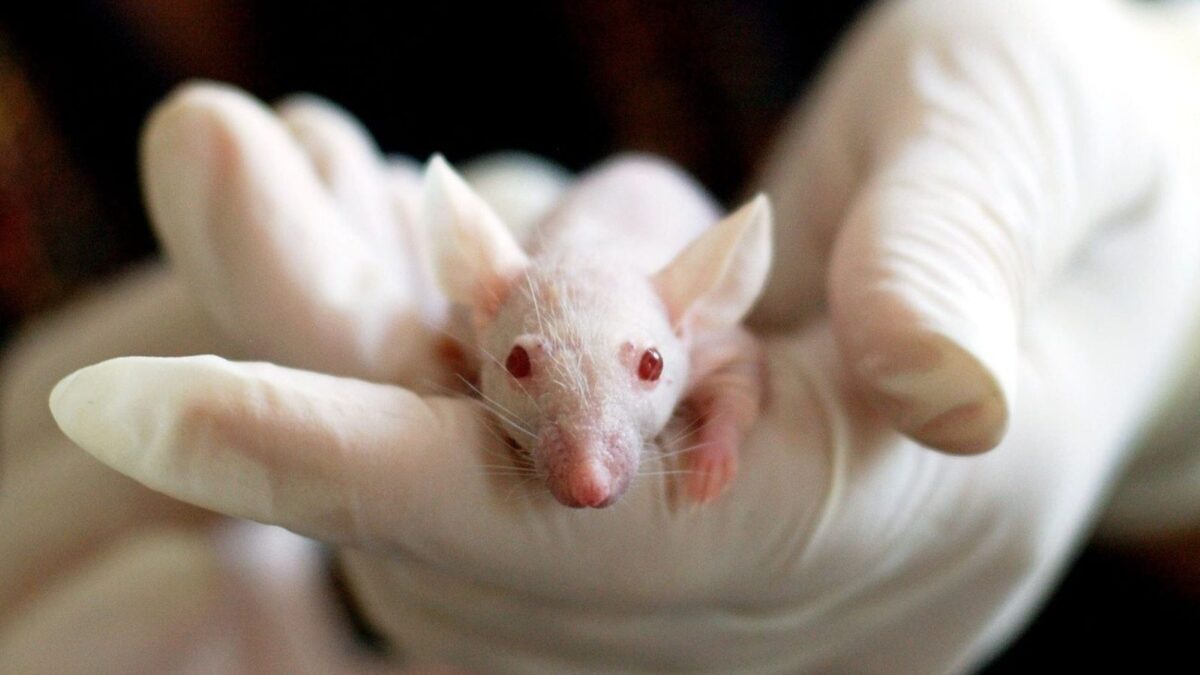
Berlin’s Charité hospital can continue an experiment on 472 mice after an animal welfare group lost its legal challenge. On November 25, 2026, the Administrative Court of Berlin ruled that the state health and social affairs office (LAGeSo) was right to approve the experiment. Researchers inject tumor cells into the mice’s brains to study a particularly aggressive brain tumor. Above all, the ruling shows how little Berlin’s right of action for animal welfare groups can achieve when it comes to animal testing.
In short
- The Administrative Court of Berlin dismissed an animal welfare group’s case against an animal experiment at Charité, one of Europe’s largest university hospitals (case VG 17 K 486/23).
- Tumor cells are injected into the brains of 472 mice, who are killed after 22 days. The research looks at an enzyme in glioblastoma.
- The court considers the experiment indispensable and ethically justifiable. The ruling is not yet final.
- Even a win wouldn’t have stopped the experiments: in Berlin, groups can only ask a court to declare an animal testing license unlawful after the fact.
What the court decided.
According to the court’s press release, LAGeSo approved the experiment for a Charité physician-researcher in March 2023. An animal welfare group, which the court doesn’t name, asked for a declaration that this approval was unlawful. The court’s 17th chamber disagreed.
The court said the experiment was indispensable. LAGeSo had plausibly shown that no scientifically recognized methods could reach the same goal without animals or with less suffering. Classifying the burden on the mice as “moderate” was also correct. In weighing the interests, animal welfare had to give way to the fundamental importance of the research for human health. The group can ask the Higher Administrative Court of Berlin-Brandenburg for leave to appeal.
What happens to the mice.
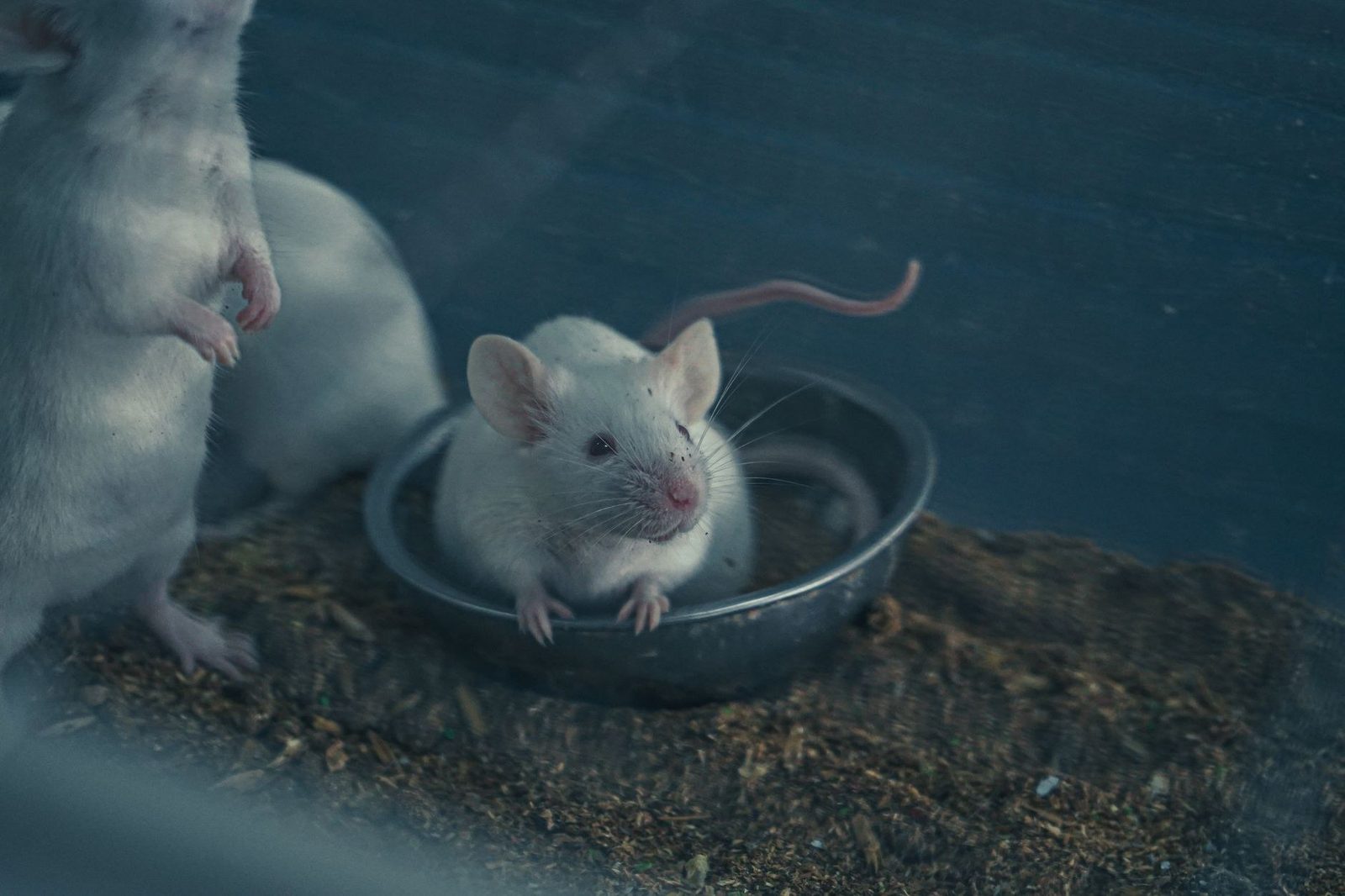
The research examines the role of the enzyme CD13 in glioblastoma, a brain tumor that is very hard to treat. The experiment involves 472 mice, both genetically modified and unmodified. Under anesthesia, tumor cells are injected into their brains. Over the following 22 days, the tumor grows inside their heads. The mice are then killed under anesthesia and their brains examined. According to the court, the experiments have been running since summer 2023.
Under EU animal testing rules, “moderate” is the middle of three severity levels, between “mild” and “severe”. It covers procedures that cause short-term moderate or long-lasting mild pain, suffering or distress. Whether three weeks with a growing brain tumor fits that description appears to have been one of the points of dispute.
A right of action without teeth.
Since September 2020, Berlin has had a law that lets recognized animal welfare organizations inspect files, submit comments and take authorities to court. The Berlin Senate itself calls it one of the most far-reaching in Germany. Animal testing is the exception: here, groups can only seek a declaratory judgment, and filing a case doesn’t suspend the license. In a reply to the state parliament, the Senate said the restriction was meant to avoid harming Berlin as a research location.
For the animals, this means that even if the group had won, the experiments would have continued. A ruling usually comes long after the animals have died anyway. In this case, more than three and a half years passed between approval and judgment. According to the Senate, groups in Berlin had filed only three such cases by March 2025, and one was withdrawn.
According to the German parliament’s research service, eight of Germany’s 16 states give animal welfare groups a right of action. There is none at the federal level. A case in Cologne in August 2026 showed it can go differently: the administrative court there confirmed that authorities in North Rhine-Westphalia were entitled to revoke the license for parabiosis experiments on mice. In that case, the authority itself had stopped the experiment.
How many animals end up in experiments.
According to Germany’s Federal Institute for Risk Assessment (BfR), 1.95 million animals were used in experiments or killed for scientific purposes in 2024, the first time the figure fell below two million. 72 percent of them were mice. Another 1.1 million animals were bred and killed without ever being used in an experiment.
According to its 3R center, Charité itself used 40,084 animals in 2025, including 36,820 mice. In 2021, the figure was 56,228. Since 2018, the center has been tasked with helping to replace, reduce and refine animal experiments.
An animal ethics perspective.
Glioblastoma is a terrible disease, and the wish to treat it is understandable. But the court’s weighing follows a logic in which the mice lose from the start: their suffering is set against a possible benefit for humans that lies in the future and is uncertain. How rarely results from animal experiments actually translate to humans is shown by the evidence on the translation gap.
Each of these 472 mice is a living being who feels pain and fear. A right that only lets groups establish years later whether that suffering was lawful doesn’t protect a single one of them. Real change needs targeted funding for alternatives to animal testing and a right of action that applies before experiments begin. In everyday life, you can at least choose brands that work without animal testing, for example when buying vegan cosmetics*.
How we researched this
This article is based on the Administrative Court of Berlin’s press release of November 25, 2026, on case VG 17 K 486/23. The court has not yet published the full judgment. We checked the framework of Berlin’s right of action against the Senate’s replies to the state parliament and an overview by the German parliament’s research service, and the figures against the Federal Institute for Risk Assessment and Charité’s 3R center. Neither Charité nor the group that brought the case had issued a statement at the time of writing. We have no business relationships with the parties involved.
* Affiliate link: if you buy through this link, we earn a small commission. The price stays the same for you.