Tigers, lions and elephants were long part of the Christmas circus in Reutlingen, a city in southwest Germany. This winter, not a single animal will perform there. Circus director Andrea Sperlich confirmed this to the public broadcaster SWR, after the local paper Reutlinger General-Anzeiger first reported it. She cites a lack of space and protests as the reasons. Her family even received death threats, she says. That means two major Christmas circuses in the state of Baden-Württemberg will perform without animals this winter. The World Christmas Circus in Stuttgart announced the same step back in January.
In short
- The 23rd Reutlingen Christmas Circus, running from December 18 to January 6, has dropped all animal acts and adds more acrobatics and comedy instead.
- According to director Andrea Sperlich, protests played a role alongside a lack of space. The family says it received death threats from around the world.
- The World Christmas Circus in Stuttgart is also performing entirely without animals for the first time this winter.
- Germany still has no nationwide ban on wild animals in circuses.
What changes in Reutlingen.
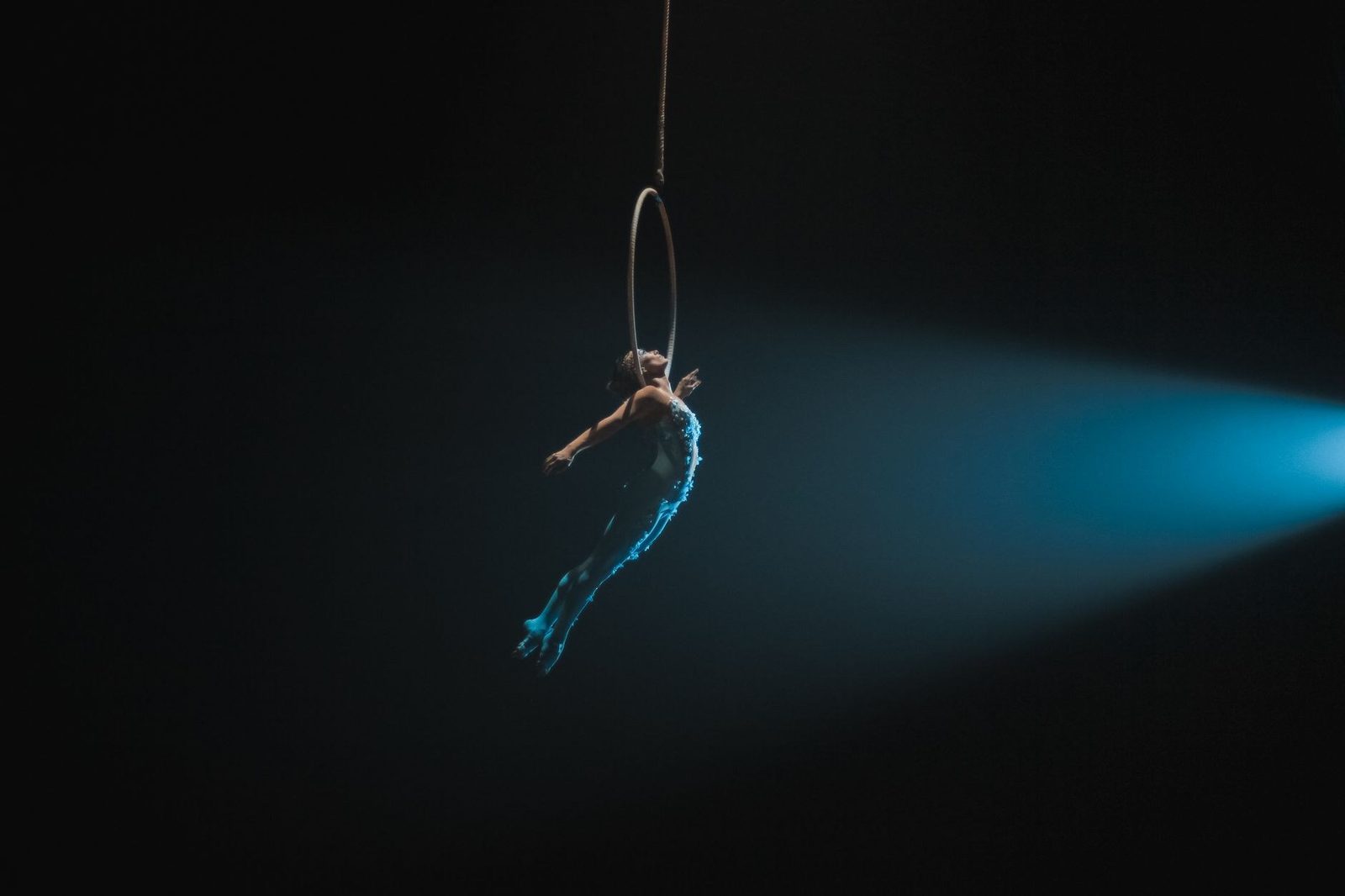
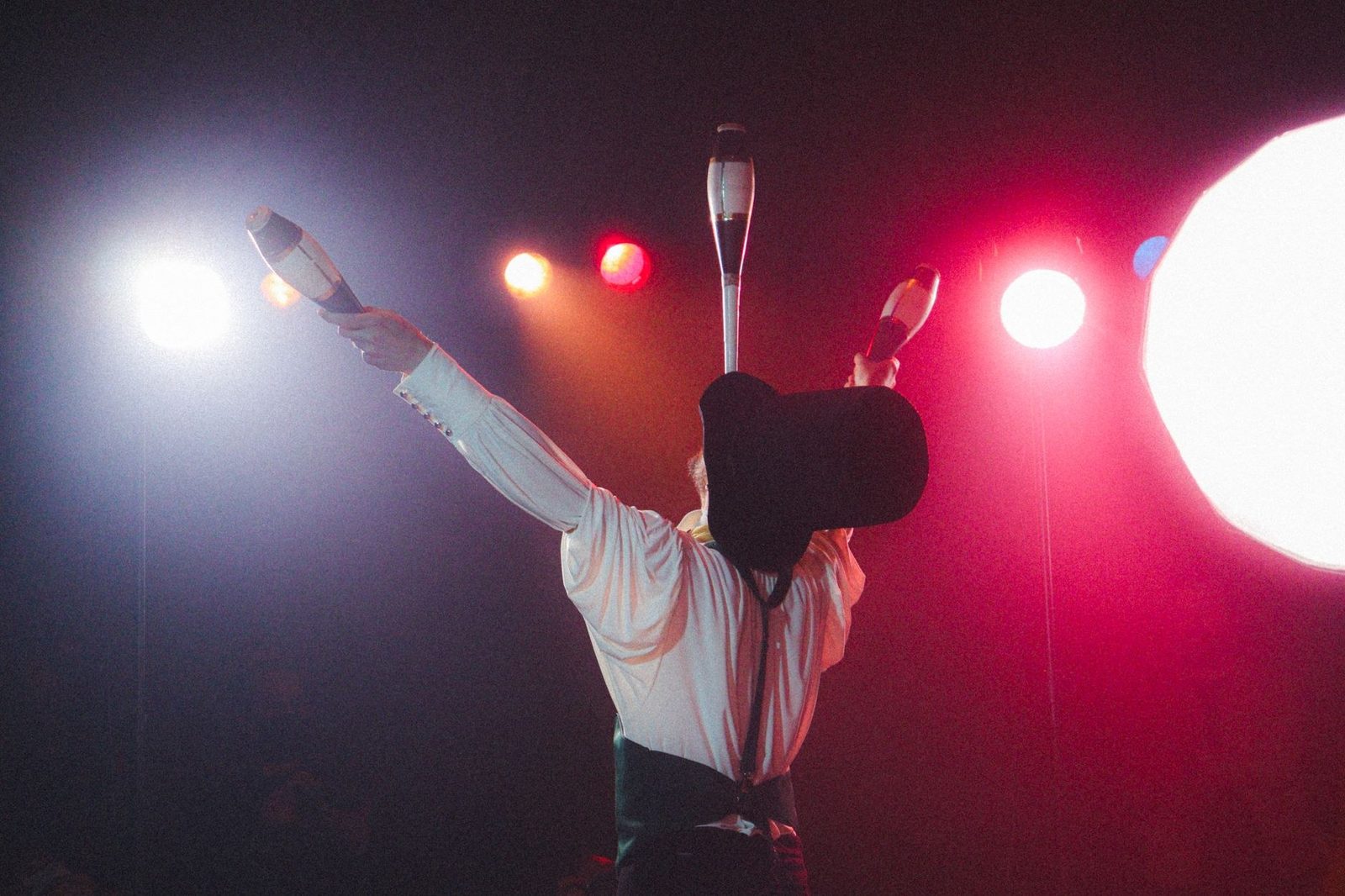
The Reutlingen Christmas Circus runs from December 18, 2026, to January 6, 2027, at the An der Kreuzeiche fairground, for the 23rd time. It is organized by the Sperlich circus family from nearby Gomaringen, who perform as Circus Relaxx. Instead of animal acts, this year’s show offers clowns, dance, juggling and acrobatics.
In past years, tigers, lions, panthers and elephants regularly appeared in the program. Two years ago, animal welfare groups criticized a performance by female elephants. The local veterinary office inspected how they were kept and found no violations. Most recently, according to SWR, farm animals and dogs were still part of the show. The animals didn’t belong to the circus itself. The Sperlich family booked them together with their trainers, who also keep them between engagements.
Why the circus changed course.
Andrea Sperlich gave SWR several reasons. One is a lack of space. Another is growing protest from animal advocates. Death threats reached the family from all over the world, she says, even from Australia and Canada. The family takes constructive criticism seriously, she adds, but doesn’t have to accept personal abuse.
A quote from 2012 shows how big a shift this is for the family. Back then, director Michael Sperlich told the Reutlinger General-Anzeiger that a circus without animals “wouldn’t be a circus, but a variety show”. Fourteen years later, that is exactly what the circus is selling: an evening without animals.
Stuttgart got there first.
The World Christmas Circus at Stuttgart’s Cannstatter Wasen fairground set out on this path last winter. After protests against its horse acts, founder Henk van der Meijden told the Stuttgarter Zeitung that if Stuttgart audiences no longer wanted to see animals, the circus would stop using them. There were threats there too. According to the paper, a magician with a dove act was seriously threatened and cut his engagement short, even though the veterinary office had found no violation. In January 2026, the circus announced it would drop animals entirely. The 2026/27 program is its first without a single animal act.
Other circuses made the move earlier. Germany’s Circus Roncalli has shown no live animals since 2018 and uses holograms instead. Just days ago, the Austrian Circus Louis Knie announced it would also stop animal acts, including on tour in Germany.
The law lags behind.
Circuses are deciding for themselves because lawmakers haven’t. Germany has no nationwide ban on wild animals in circuses. The Bundesrat, the chamber representing the federal states, called on the federal government in 2003, 2011 and 2016 to ban at least certain species such as elephants, primates and bears. None of this was implemented. Cities can’t simply keep wild animal circuses off their grounds either: in 2017, the Higher Administrative Court of Lower Saxony ruled that such a ban needs a legal basis. We explained why this leaves Germany almost alone in Europe in an earlier article.
According to Eurogroup for Animals, 18 EU countries have banned wild animals in circuses, and 24 of 27 restrict the use of animals in some way.
An animal ethics perspective.
For animals, circus life means transport, small enclosures on changing fairgrounds and training for a few minutes of applause. Two major Christmas circuses in southwest Germany giving that up is good news for animals. What stands out is who is driving the change: audiences and the circuses themselves, not lawmakers.
Nothing justifies death threats. They hurt people and don’t help a single animal. They also pull the debate away from the real question, which is whether animals should be paraded through a circus ring for entertainment at all. The elephants, lions and dogs of past years belong to their trainers and may well keep performing elsewhere. A circus without animals doesn’t free any animal, but it shows the show works without them. If you’re heading to a circus over the holidays, you can pack some vegan gingerbread* for the intermission.
How we researched this
This article is based on an SWR report from November 25, 2026, in which Andrea Sperlich describes the decision and the threats. We can’t verify the threats independently and report them as the circus director describes them. Dates and program details come from the Christmas circus website, the 2012 quote from the Reutlinger General-Anzeiger. For Stuttgart, we used reports from the Stuttgarter Zeitung, and for the legal situation the Bundesrat resolutions and a press release from the Higher Administrative Court of Lower Saxony. We have no business relationships with the circuses mentioned.
* Affiliate link: if you buy through this link, we earn a small commission. The price stays the same for you.