







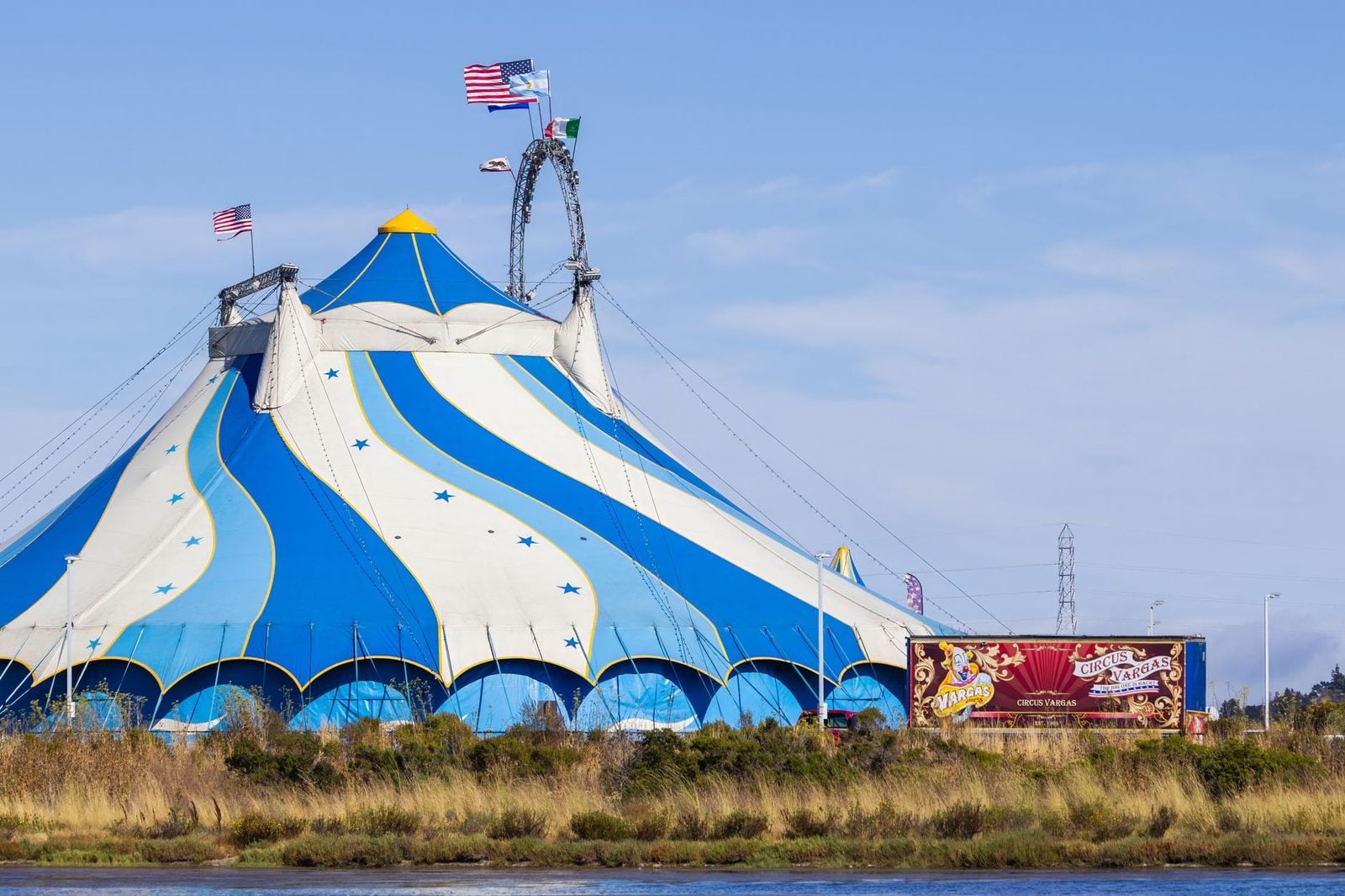
On Thursday afternoon, three activists from the animal welfare organisation Four Paws climbed onto the tent of Circus Krone in Hamburg to unfurl a banner. They never got that far. Circus staff pulled them down, and by evening both sides had filed assault charges against each other.
German tabloids ran it as a brawl. That is one half of the story. The other half is a fact that surprises most people outside Germany: this is the only EU member state that has never passed any national rule on keeping wild animals in circuses. None. Not a partial ban, not a species list, nothing.
Contents6 chapters
What happened in Hamburg
Police were alerted around 1pm, according to a spokesperson for the Hamburg control centre. Two men and a woman had climbed the tent structure on the Heiligengeistfeld in St. Pauli. Circus employees brought them down, and during that, in the control centre’s wording, those involved “got into each other’s hair”.
Both sides then filed charges for bodily harm. The activists additionally face a trespassing complaint, as the grounds are fenced according to police.
The accounts differ, and that needs saying plainly. Four Paws calls the action peaceful and legitimate, says its activists were attacked and injured by circus staff, and criticises the company for using wild animals at all. Circus Krone rejects this, says it respects the right to peaceful protest but that climbing the tent put employees in a dangerous situation, and states that “at no point did our employees cause the activists physical harm.”
Nothing has been decided. These are complaints, not verdicts, and everyone involved is presumed innocent.
A phone video of the situation on the structure is circulating on TikTok. It shows five people standing close together on a steel truss, one of them wearing a helmet. One person draws back a bent arm, another reaches towards them. Who is who in the footage, and who makes contact with whom, cannot be reliably established from still frames, so we limit ourselves to describing what is visible.
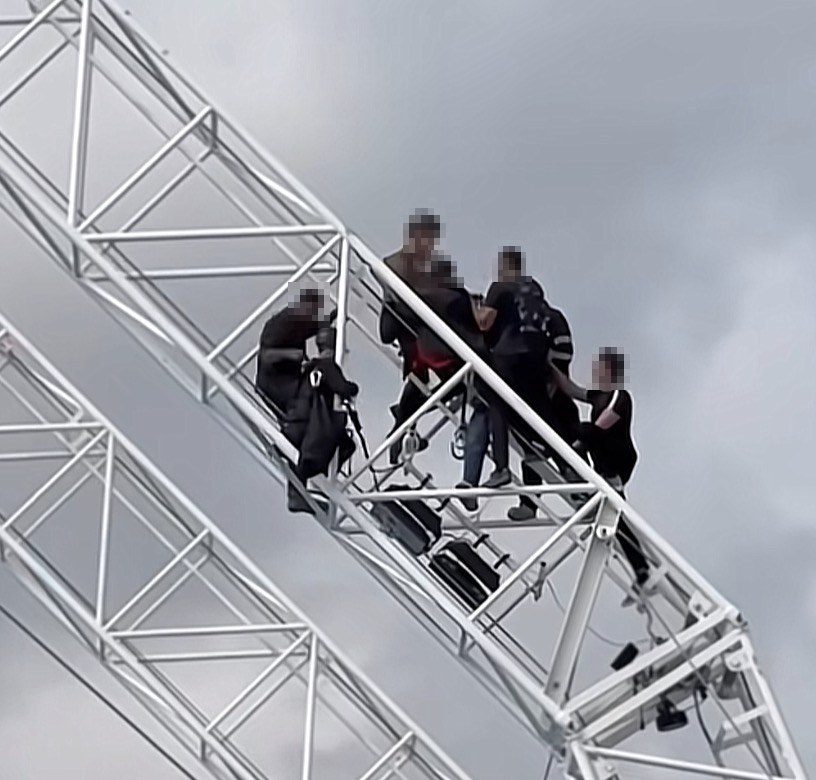
Screenshot from a video circulated on TikTok said to show the scene in Hamburg. We have obscured the faces. The frame shows the steel structure, not the tent roof itself.
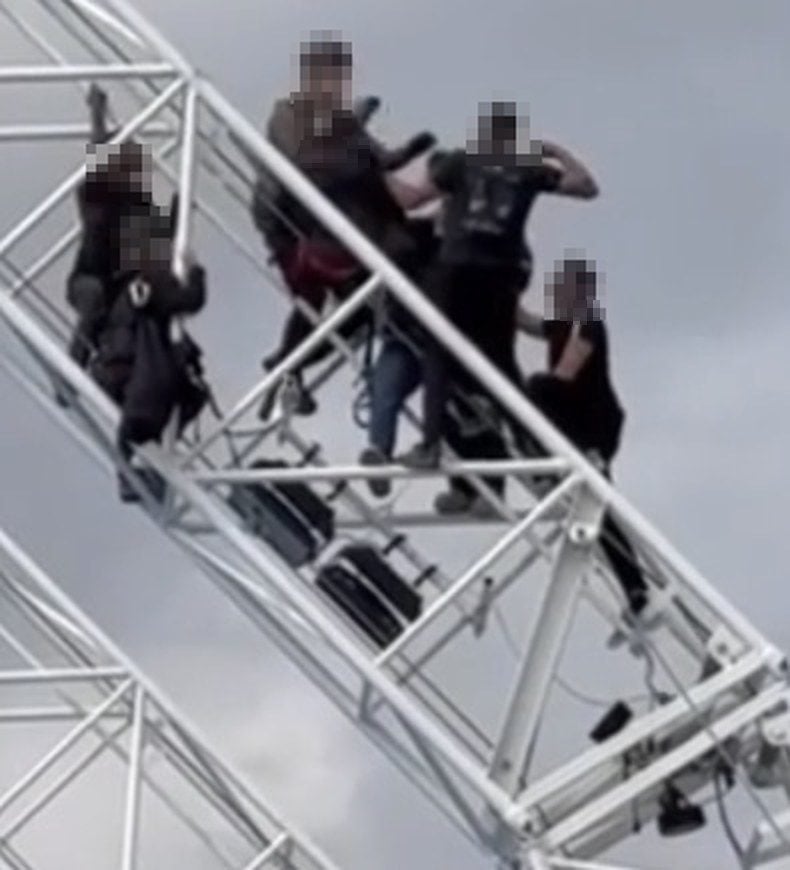
The same moment, closer in. The frame is heavily enlarged and correspondingly soft. Faces obscured by us.
This is the moment the mutual complaints are about. Prosecutors will assess it, not a still frame.
The protest nobody reported on
On the same day, in front of the same tent, something else happened. The youth group of the Hamburger Tierschutzverein, an animal welfare society founded in 1841, held a registered demonstration for the Hamburg premiere. Their slogan translates roughly as “Who is the clown here? Hold up a mirror to them.” According to the organisers, 160 people came. It stayed peaceful. Almost nobody covered it.
Three people on a roof make headlines. A hundred and sixty people on the ground do not. That imbalance is worth sitting with before anyone passes judgement on protest tactics.
Our own take, in German, went up on Instagram the same evening:
Who still goes to the circus in 2026?
Our reaction to the Hamburg escalation, on Instagram.
The same lion, two sets of rules
Here is the part that makes the German situation genuinely strange. Take one lion. Put it in a zoo, and binding minimum standards apply. Put the same lion in a circus trailer, and only non-binding recommendations do.
| Zoo (mammal report) | Circus (circus guidelines) | |
|---|---|---|
| Legal status | binding minimum requirement | recommendation only, not binding |
| Outdoor enclosure | at least 200 m² for one animal or a pair | 50 m², and only accessible 4 hours a day |
| Daily housing | permanent access to enclosure and indoor area | up to 20 hours a day in a 24 m² trailer permitted |
A pride of lions may legally spend twenty hours a day in the floor space of a small living room. That figure is not an abuse of the system, it is what the German agriculture ministry’s own circus guidelines say. And because they are guidelines rather than law, even that number is only a suggestion.
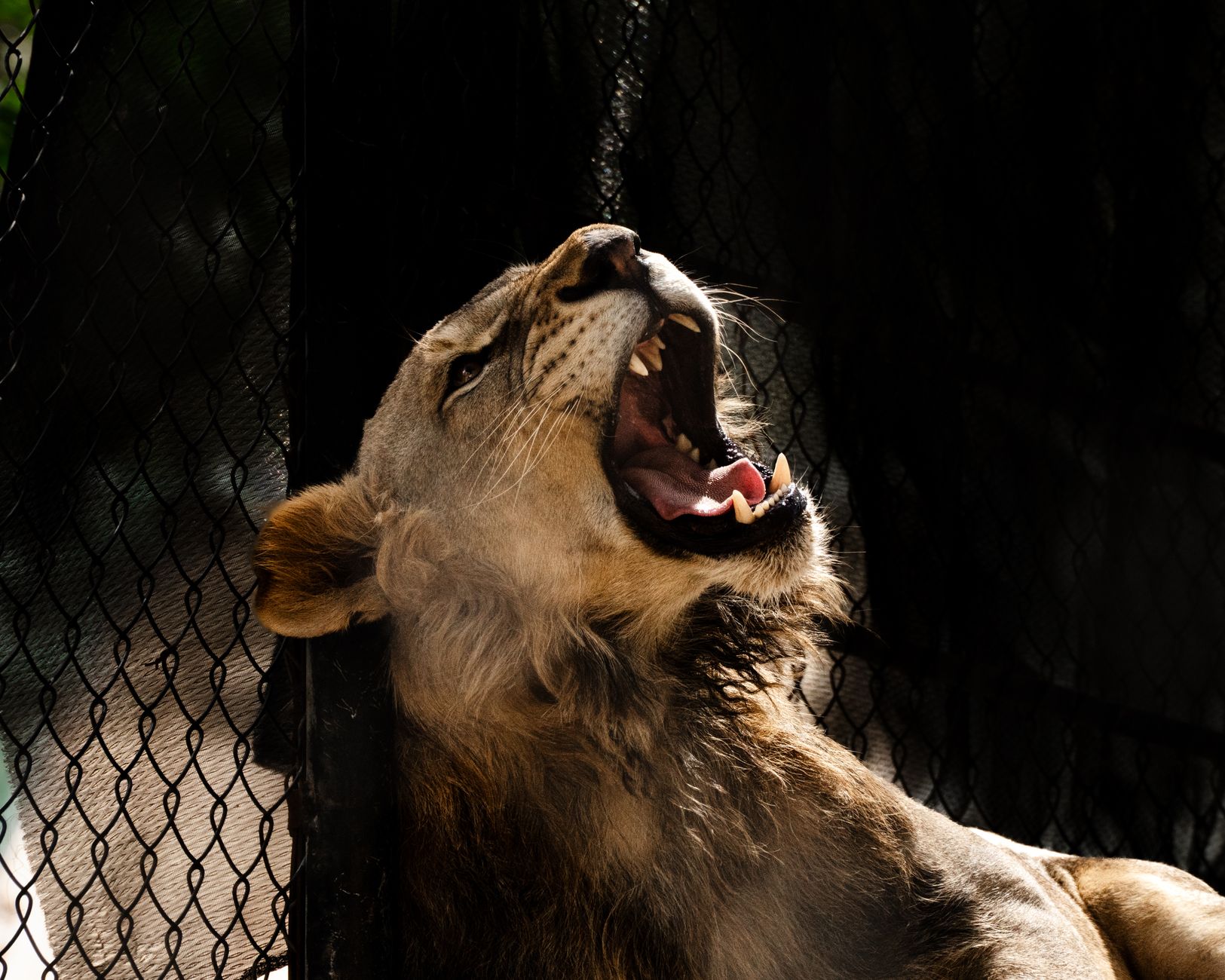
Stock image from a zoo enclosure. Performances and training account for between one and nine percent of a circus animal’s day. The rest is spent in trailers, pens or on chains. Photo: Raul Mex (Pexels)
The justification has been the same for decades: performing and training give the animals enough exercise and stimulation. The numbers say otherwise. Shows and training make up somewhere between one and nine percent of the day.
A peer-reviewed analysis in Animal Welfare concluded that the species most common in circuses, elephants and big cats, are the least suited to circus life. Documented consequences include disrupted reproductive behaviour, elevated infant mortality and reduced life expectancy.
Where the rest of Europe stands
Twenty-six of twenty-seven EU states have restricted or fully banned wild animals in circuses. A selection:
- Spain banned them outright, in force since 29 March 2024.
- France passed a full ban on wild animals in travelling operations effective 1 December 2028, with breeding and new acquisitions already prohibited since 2023. It paired the ban with a 35 million euro state transition fund for the businesses and the animals.
- Hungary bans 25 groups of wild animals from 1 January 2027.
- Italy legislated an exit, with the implementing decree still pending.
Germany has the general animal welfare act, which forbids causing an animal pain, suffering or harm without good reason, plus those non-binding guidelines. That is the entire framework, for roughly 75 circus companies travelling with wild animals, the largest number in the EU.
It has come close three times. A 2024 draft amendment to the animal welfare act would have banned certain wild species in circuses and died when the legislative period ended. The 2025 coalition agreement does not mention a ban. The 2026 amendment to the act leaves circuses out entirely. The Bundestag itself called for a ban in 2003 and again in 2011.
Twenty years of attempts, no law. That context matters when you ask why anyone would climb a tent.
Why this is not a matter of taste
The usual objection is that circuses are tradition, culture, childhood memory, and that everyone should decide for themselves.
Except nobody asked the lion whether it wanted to come along.
A wild animal is not domesticated. A tiger born in captivity has the same needs as one born outside. A travelling operation cannot meet those needs structurally, no matter how caring the individual handlers are. The problem sits in the format itself.
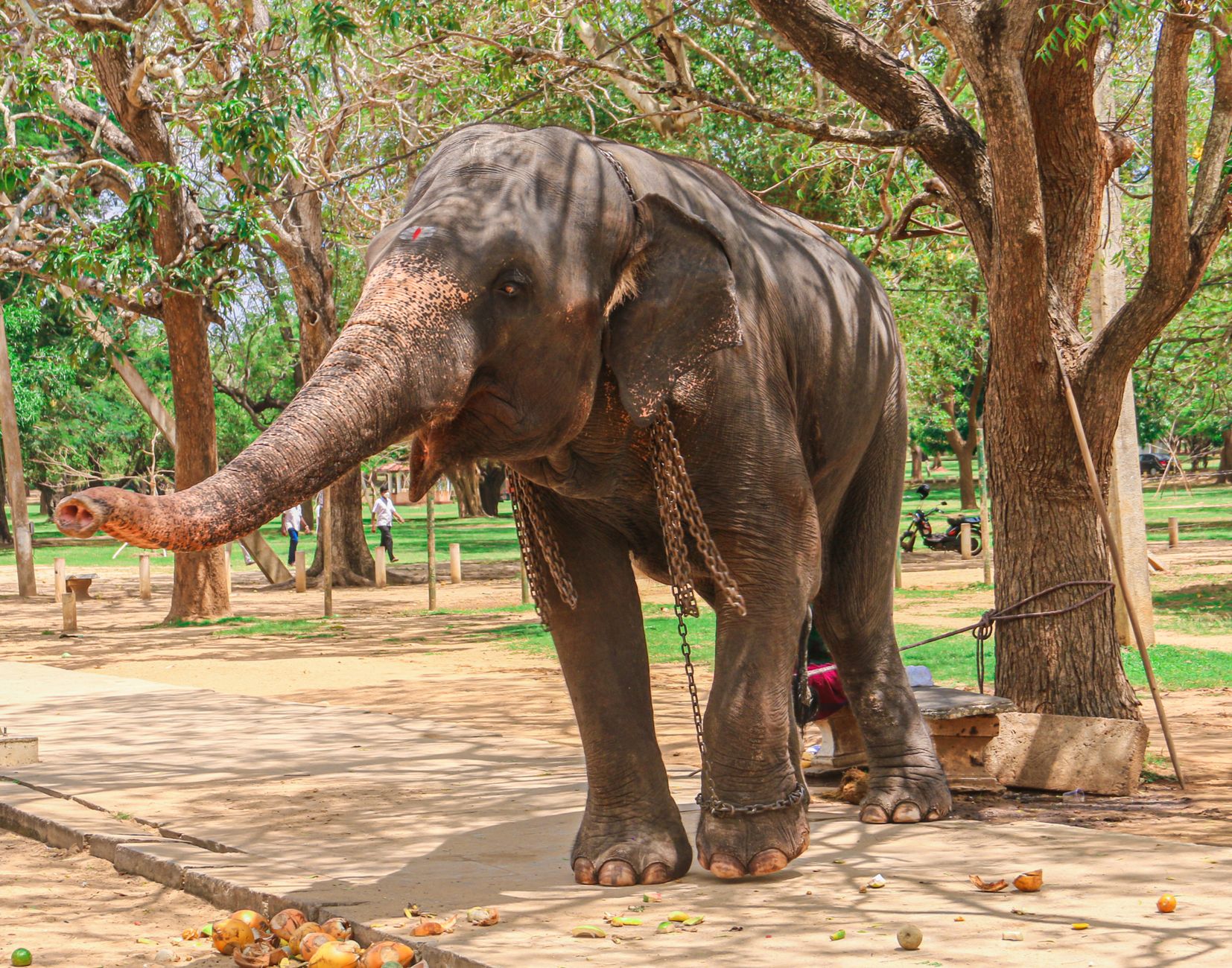
Stock image from tourism captivity. Elephants are, according to the research literature, among the species least suited to life in a circus. Photo: Gihan Sandeep (Pexels)
There is a second cost, and it lands on the audience rather than the animals. A ring teaches children that an animal becomes interesting when it performs. An elephant becomes an act in the programme. That habit of mind travels well: it is the same one that later turns a pig into a cut and a cow into a yield figure.
We have followed this pattern before, when a major theme park ended its animal actor programme. The structure repeats. The animal works, a human earns, and the question of consent never gets asked.
It can go differently when there is political will. Tigers seized in Saxony ended up in a specialised rescue centre with a proper outdoor enclosure rather than at the next operator. Handing animals to sanctuaries instead of passing them along is exactly what campaigners want for circus animals as a whole.
What actually helps
Go to a circus without animals. Roncalli has used three-dimensional holograms instead of live animals since 2018, Flic Flac runs on acrobatics alone. These are not the lesser shows, they are the contemporary ones.
Write to your municipality. Local authorities can refuse to rent public land to operators travelling with wild animals. In Spain, twelve of seventeen regions had their own bans before the national one arrived. The municipal route works, which matters when the national level has stalled for two decades.
Support the organisations doing the slow work. Pro Wildlife, Four Paws and the Hamburger Tierschutzverein have been on this for years, with demonstrations, expert reports and political lobbying.
Want our reporting to show up first in Google's Top Stories? Add This Is Vegan as a preferred source on Google.