





Two living mice, cut open at the flanks and stitched together, sharing a bloodstream for eight weeks, then separated and dissected. That was the experiment the LIMES Institute at the University of Bonn planned for its malaria research. The Cologne Administrative Court has stopped it, in remarkably clear terms.
Diesen Artikel gibt es auch auf Deutsch.
What happened?
According to German public broadcaster WDR, the Cologne Administrative Court has prohibited a so-called parabiosis experiment at the University of Bonn: the experiments place a “severe” burden on the animals and violate the Animal Protection Act. The permit originally granted was procedurally flawed, the court found, because the responsible animal welfare commission was never involved, and the university submitted no documents that would justify the severe suffering of the mice.
A remarkable side note: according to WDR, no parabiosis has been approved in Germany since 1987.
Contents4 chapters
What parabiosis means
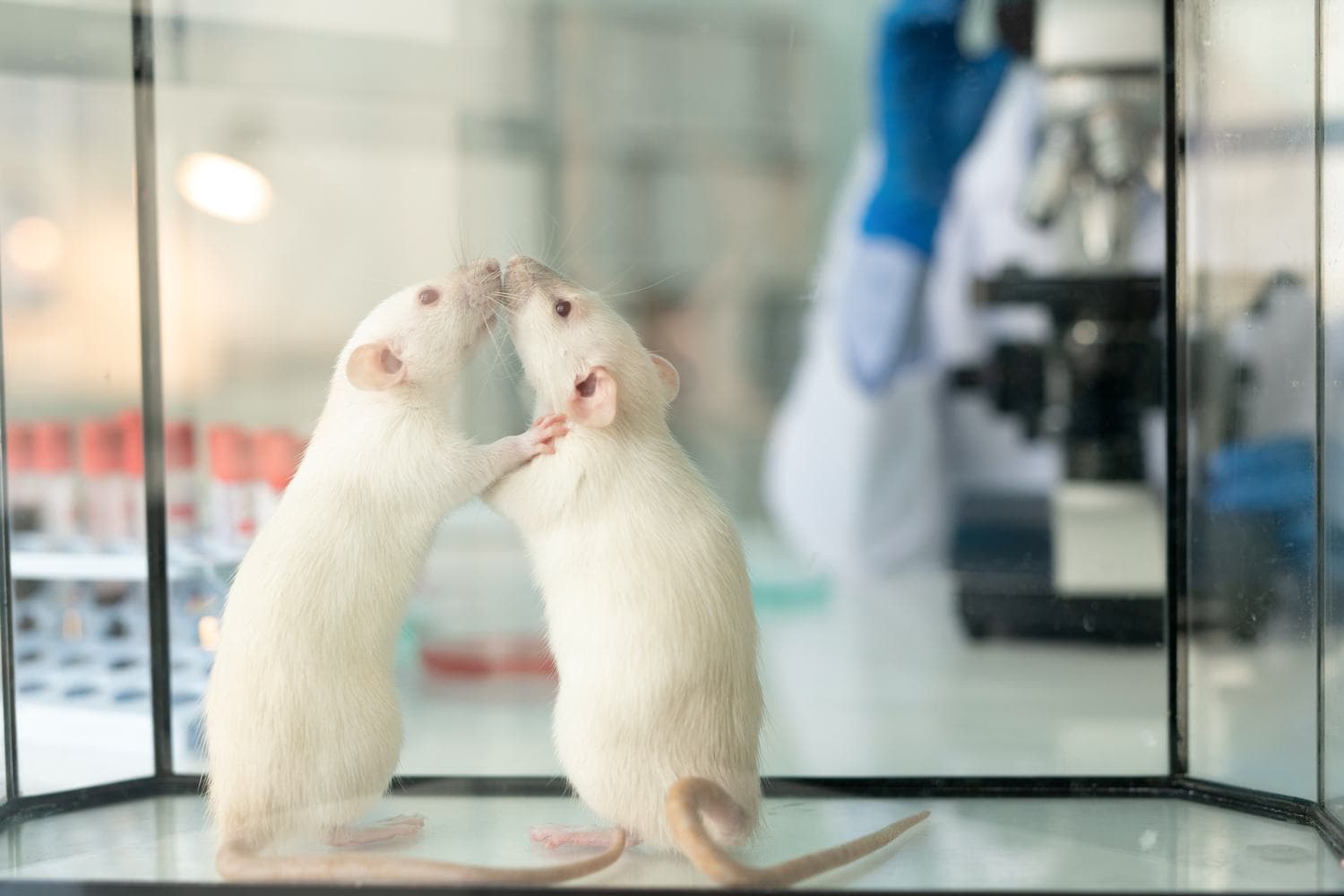
Parabiosis literally means “living beside each other”, and the term glosses over what actually happens: two animals have their skin opened along the flanks and are surgically sewn together so their circulatory systems merge. In the Bonn case, the mice were to remain stitched together for eight weeks, then be separated and dissected. The goal was to study how the immune system responds to a malaria infection and what role tissue-resident immune cells play.
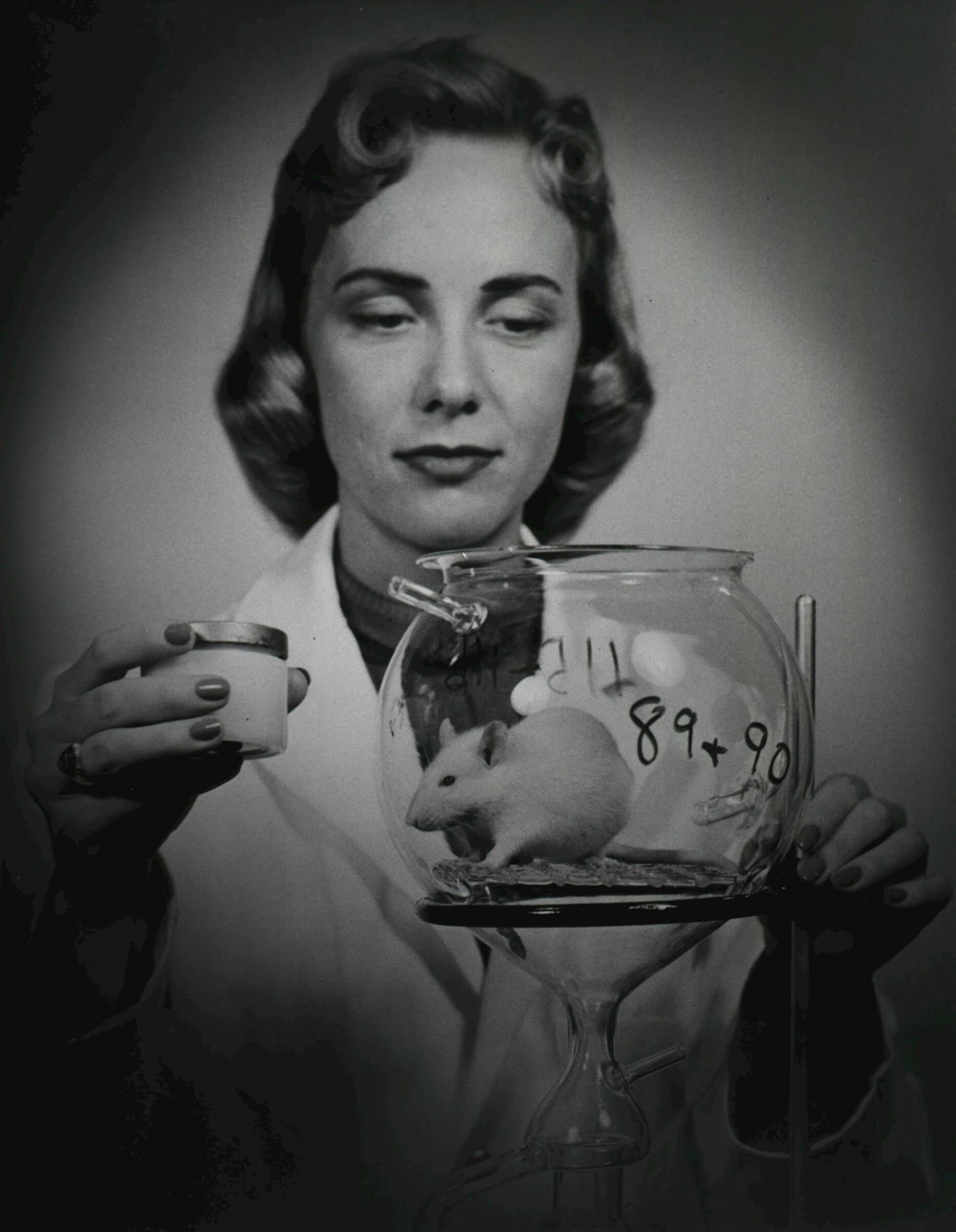
The method is anything but new: as early as the 19th century, diseases were studied via parabiosis, and ageing research later stitched young animals to old ones to see whether the older animals would benefit. In some accounts the animals stayed joined for weeks. That a court had to rule on this in 2026 at all is down to the fact that an authority had initially approved the experiment.
The fight over the permit
The permit falls under North Rhine-Westphalia’s State Office for Consumer Protection and Food. It had initially allowed the experiment, then withdrew the permit. The university’s research group sued against that withdrawal, and lost: according to WDR, the court found the permit had been issued without involving the animal welfare commission, and the university could not justify the animals’ severe suffering with documentation.
In fairness, the university’s position belongs here too: it points out that several hundred thousand people die of malaria worldwide every year, many of them children, and stresses its responsibility towards its laboratory animals. The trade-off at stake is real. In this case, though, the court answered it clearly: this suffering was not justified.
Why this was a good week for lab animals
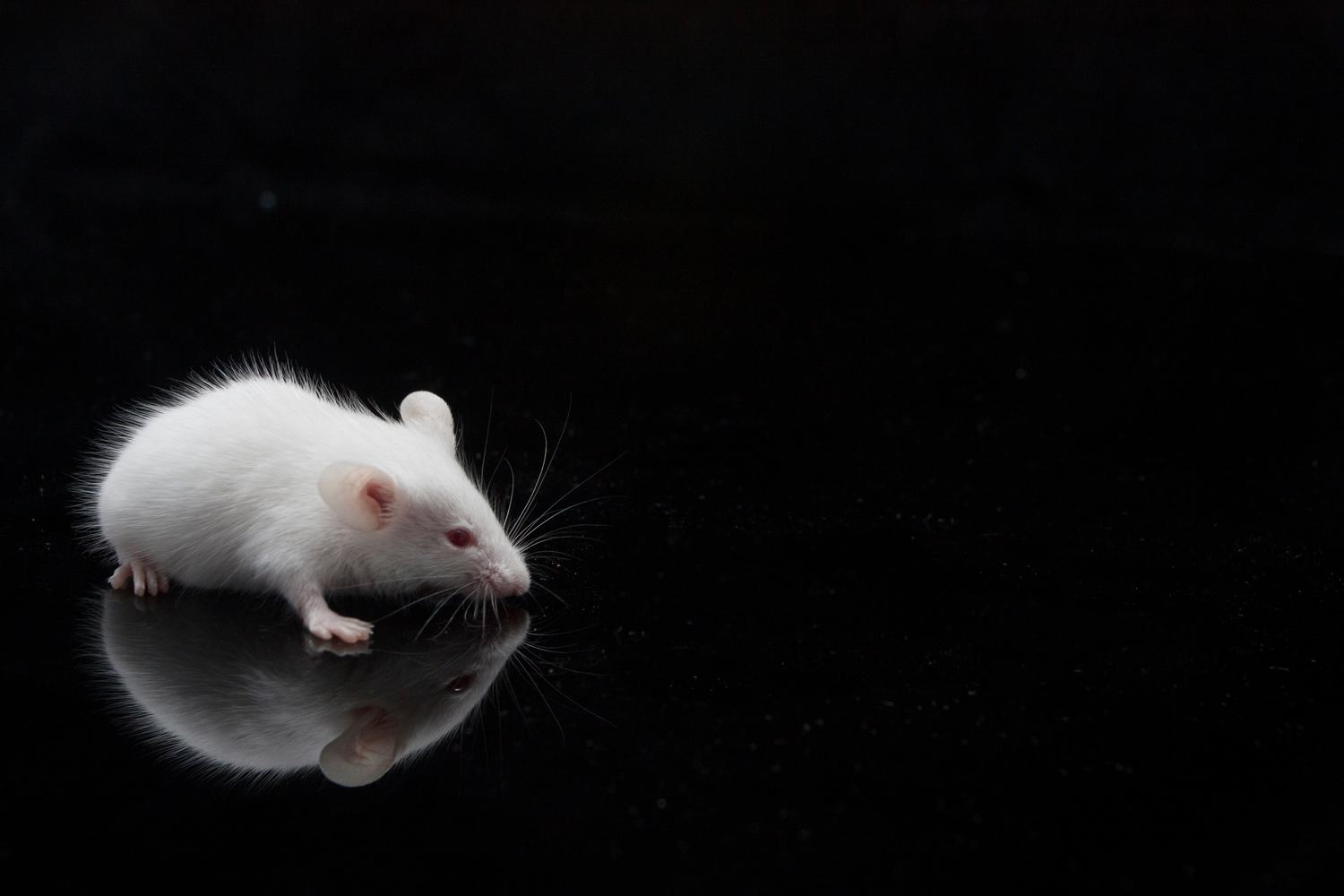
The Cologne ruling lands in a week of movement on animal testing: almost simultaneously, the European Pharmacopoeia announced it will gradually scrap the cruel mouse test for Botox. Pressure is coming from two directions at once, from courts that no longer wave severe suffering through, and from regulators writing animal-free methods into the rulebook. Why animal experiments are also scientifically shakier than their reputation suggests is covered in our review of the evidence (in German).
And if you want to keep the momentum going: the Bundestag petition against Germany’s planned animal testing law can be signed until 31 August; the background is in our article on the petition (in German).
Doctors Against Animal Experiments on the TIV podcast
How much sense animal experiments really make and what modern research can do without animals: we discussed it with Dr. Corina Gericke and Claus Kronaus of Ärzte gegen Tierversuche (in German). The extensive written interview is here, and the full podcast episode is below. Clicking the preview image starts the player; nothing loads from YouTube before that.
Transparency and sources
This article is based on WDR’s reporting of 26 August 2026 on the Cologne Administrative Court’s decision, including the court statements and the University of Bonn’s position quoted there, as of 27 August 2026. The information that no parabiosis has been approved in Germany since 1987 also comes from the WDR report. Details on further proceedings were not known at the time of publication. Quotes were translated from German by us.
The images in this article are stock images from our media library.
Want our reporting to show up first in Google's Top Stories? Add This Is Vegan as a preferred source on Google.