






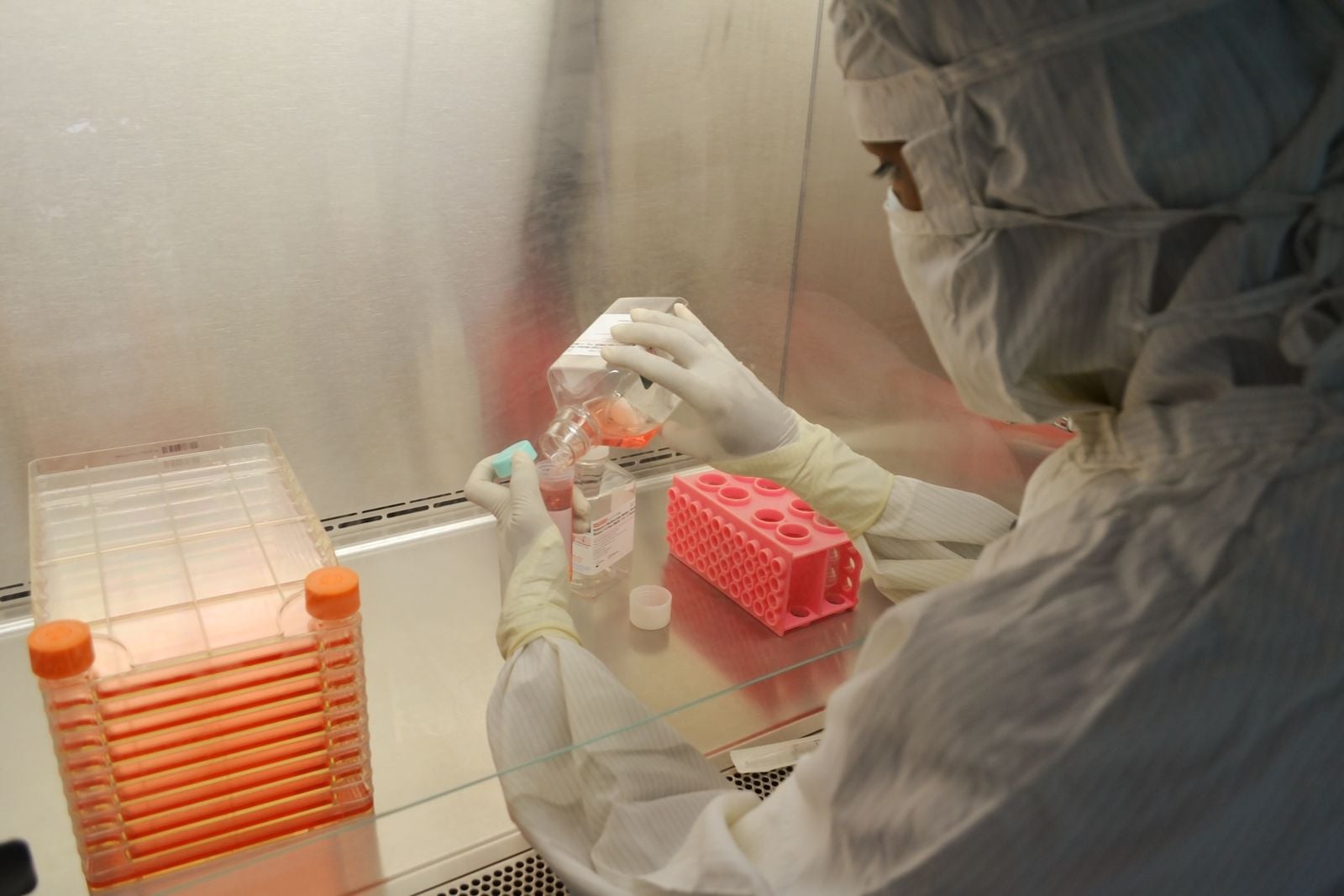
Aleph Farms from Israel and Mottainai Food Tech from Singapore are each getting one million Singapore dollars, about US$780,000, from a grant programme that draws on money from Jeff Bezos’ climate fund. Aleph Farms makes steak from cow cells, Mottainai turns soy leftovers into a meat ingredient. For animals, that sounds like good news at first. But the head of Aleph Farms says himself that his steak isn’t meant to take over from cattle farming.
In short
- The money: S$1 million each, half from Singapore’s enterprise agency, half from Bezos funds
- Aleph Farms: steak made of cow cells on a soy and wheat base, with a Singapore launch planned for the first half of 2027
- Mottainai: fermented okara from soy production, also intended for blending with chicken or pork
- For animals: less meat in the product, but no vegan steak, and by Aleph’s own account no replacement for cattle farming
Contents6 chapters
Who is paying.
Headlines call the winners “Bezos-backed”, but not all of the money comes from him. The Sustainable Protein Growth Stage Grant is run by the Bezos Centre at the National University of Singapore and by Enterprise Singapore, the state enterprise agency. According to the call, each side pays up to S$500,000 per company. The Bezos Centre’s share comes from a US$3 million grant by the Bezos Earth Fund.
Companies working on plant-based, cultivated or fermented proteins could apply if their technology was close to market. The two winners were announced at the Asia-Pacific Agri-Food Innovation Summit in Singapore. For this industry these are small sums. Aleph Farms has raised US$147 million so far, according to the German outlet CleanThinking.
What is in the Aleph Farms steak.
The product is called Thin-Cut Steak in Singapore and Petit Steak in Israel. The cells grow on a plant protein matrix of soy and wheat. According to FoodNavigator, cultivated beef makes up only 10 to 20 percent of the steak. Most of it is the plant base.
Singapore’s food agency approved the steak in August 2026, almost four years after the application. Israel cleared it in early 2024. In Singapore it is due to reach selected restaurants in the first half of 2027, in small volumes at first and at a price Aleph hasn’t announced. Further applications are under way in Switzerland and the UK, among others. CleanThinking reports one has also been filed in the EU, with no decision yet. So cultivated meat still can’t be bought there.
Founder Didier Toubia told FoodNavigator that profitability and scalability are now proven for the right products. So far that is mostly a calculation on paper: the figures CleanThinking cites come from an analysis Aleph commissioned itself. The same report says the company is handing its own production to contract partners and has been through several rounds of layoffs.
How solid the environmental figures are.
Aleph advertises 92 percent less CO₂, 98 percent less land and 99 percent less water compared with beef. On its website, the company traces the 92 percent to a CE Delft study and states the conditions: production at scale with renewable energy, compared with intensive Western European beef production.
So this is a scenario for an industry that doesn’t exist in that form yet. We found no source for the 98 and 99 percent on the website, so they remain company claims. None of the three figures tells you much about a finished steak from today’s small-scale production.
Mottainai: soy leftovers as a meat ingredient.
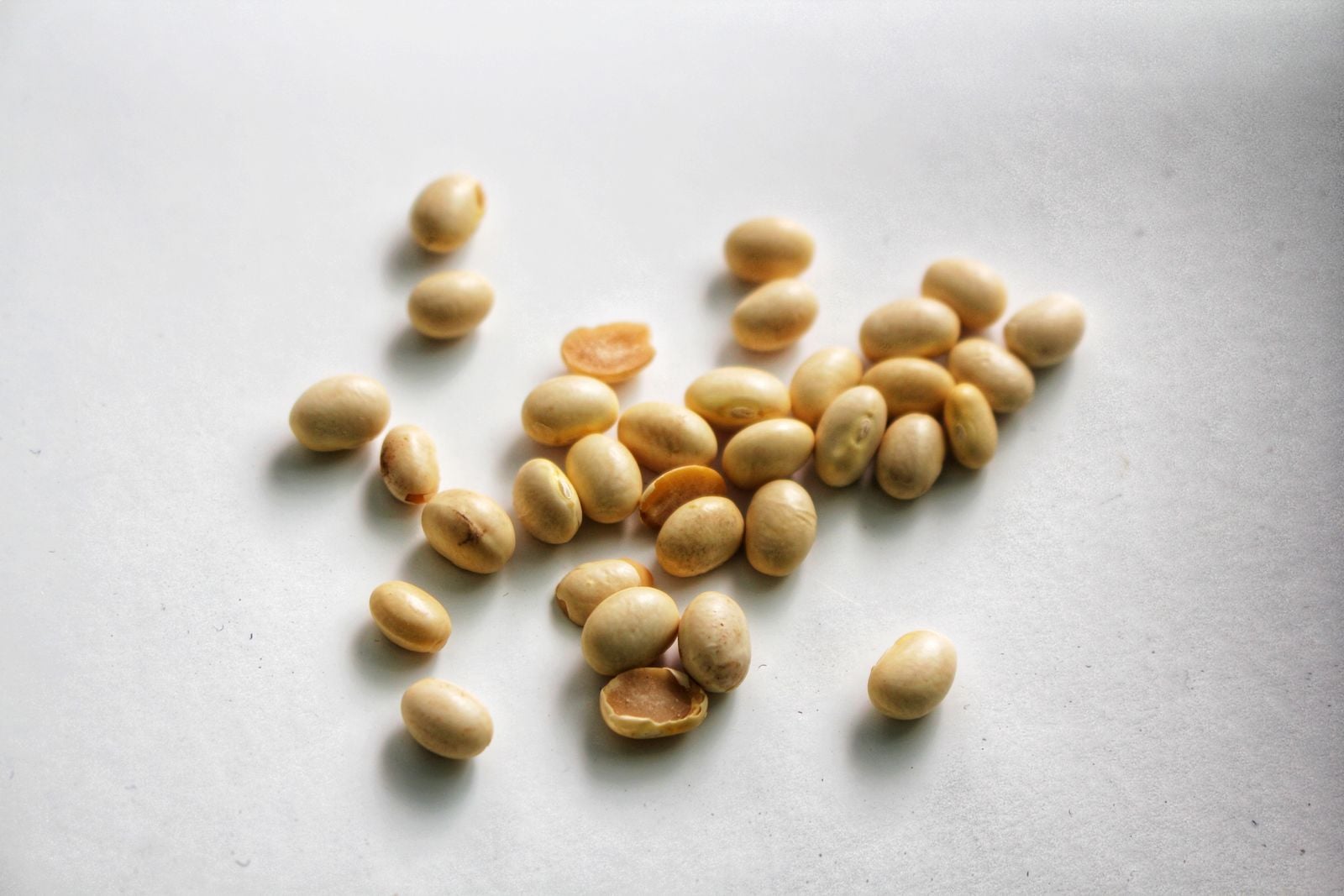
We find the second winner the more interesting one. Okara is what’s left after making soy milk and tofu. Mottainai Food Tech ferments this residue into an ingredient called Jiro Meat. The company says its pilot plant in Singapore can process up to 100 tonnes of by-products a year.
Co-founder Daryl Pek is also betting on blends. Replace half of the chicken or pork with Jiro Meat, and costs per cooked kilo fall by 18 percent, according to Mottainai. These figures haven’t been independently checked. Jiro Meat is described as plant-based, but we couldn’t find a full ingredients list, so we can’t say whether every recipe is vegan.
The animal ethics angle.
A cell-cultured steak needs no slaughter per portion. That counts. It still isn’t vegan: according to Aleph, the cells come from a fertilised egg of a cow named Lucy. The company doesn’t say on that page where the growth factors in its culture medium come from. Our article on fetal bovine serum explains why that question matters.
What the company itself wants matters more. “Our aim is to complement conventional beef supply chains, not replace them,” Toubia said in August. In the current interview he puts it this way: “We’re trying to make meat better.” That is an honest sentence, and it fits the customers Aleph wants to reach with premium cuts. Anyone who sees the end of cattle farming in these steaks is reading more into them than the maker promises.
Blended products raise a similar question. A nugget with half the chicken can help animals if it really displaces meat. It’s still a nugget with chicken in it. And a manufacturer whose costs fall can also simply sell more of it.
What you can do.
It will be a while before Aleph steaks appear on any menu, and nothing has been decided for Europe. Fermented soy has been around for a long time without any cell culture: tempeh is sold in many health food shops and well-stocked supermarkets.
How we researched this
The trigger was a FoodNavigator report of 30.10.2026. We compared the grant conditions and the approval with further reports from FoodNavigator and CleanThinking and with Aleph Farms’ own information. We couldn’t see a statement from the funders on the winners, or the authorities’ decisions. The date of the Israeli clearance varies by source: FoodNavigator says 2023, while the health ministry announced it in January 2024. All environmental, cost and margin figures come from the companies. Aleph also advertises nutritional advantages, which we haven’t checked and therefore don’t repeat. We have no business relationship with Aleph Farms, Mottainai Food Tech or the Bezos Earth Fund.
Want our reporting to show up first in Google's Top Stories? Add This Is Vegan as a preferred source on Google.