






New York start-up Pythag Tech has raised 4.25 million US dollars to make meat from cell culture cheaper. The company doesn’t produce any meat itself. It lets an AI plan lab experiments and sells the results as ready-made production recipes to food companies. Here’s what’s behind it and what it means for animals.
In short
- The round: USD 4.25 million in seed funding, led by Azolla Ventures, with Endurance28 and other investors
- The goal: AI models optimise growth media, cell lines and bioreactors, the three biggest cost drivers
- The business model: Pythag licenses production processes to food companies instead of selling meat itself
- The market: cultivated meat is approved in Singapore, the US, Israel and Australia/New Zealand, but not yet in the EU
- For animals: less slaughter is possible, but the product is not vegan
Contents6 chapters
What Pythag Tech does.
According to its press release of 22 October 2026, Pythag uses AI models to drive large series of lab experiments. They target the three areas that make cell-cultured meat so expensive: the growth medium the cells live in, the development of suitable cell lines and the conditions inside the bioreactor. Every experiment feeds a proprietary dataset, which the models use to work out what to test next.
What Pythag sells in the end is a licence. Large food companies are meant to adopt the optimised processes and produce on their own. The company first became known in 2024 for the Clean Meat Terminal, a data platform on the industry. In August 2025, the Australian start-up Magic Valley, which develops cell-cultured lamb, announced a partnership with Pythag.
Pythag is led by CEO Sami Nabulsi. The team includes CTO Haytham Samad, Chief R&D Officer Dr Anne-Sophie Mertgen and Chief Science Officer Dr Tiziano Barberi, who has researched stem cells and muscle biology for decades. “The fundamental case for cultivated meat has never been stronger, but there’s work to be done to make R&D more cost-effective and scalable,” says Nabulsi.
Why cultivated meat is so expensive.
The biggest problem is the growth medium. Cells need sugar, amino acids and above all growth factors, signalling proteins that tell them to divide. These proteins are expensive. In a widely discussed cost analysis published in Biotechnology and Bioengineering in 2021, engineer David Humbird reached a sobering conclusion: with today’s technology, capital and operating costs would likely prevent cultivated meat from becoming affordable as food.
That is where Pythag comes in. Instead of testing every recipe by hand, algorithms are meant to find the cheapest combination of cells, medium and reactor conditions faster. Whether that works can’t be checked from the outside. Pythag has not published any cost-per-kilo figures so far.
The round comes at a difficult time. According to GFI Europe, little private money went to cultivated meat companies in the first half of 2026, and several start-ups have had to close.
Where cultivated meat is allowed.
Singapore was the first country to approve cell-cultured chicken in 2020. The US followed, where products from Upside Foods and Good Meat have been allowed on sale since 2023, as did Israel. In Australia and New Zealand, Vow’s cell-cultured quail has been approved since June 2025.
No cultivated meat has been approved in the EU so far. French start-up Gourmey filed the first application in 2024, followed by Dutch company Mosa Meat in 2025. Italy banned production and sale by law at the end of 2023. In the US, several states including Florida, Alabama and Texas have also passed bans.
An animal ethics perspective.
Cultivated meat promises meat without slaughterhouses. That would be enormous progress for billions of animals. Still, it is not vegan. The cells originally come from animals, usually from a tissue sample or established cell lines. For a long time they also grew in fetal bovine serum, taken from the blood of unborn calves of slaughtered cows. Many companies now work without serum, but that is not guaranteed.
The way Pythag and its investor make their case is telling. They point to the smallest US cattle herd since the 1950s, record ground beef prices and rising meat consumption worldwide. Cultivated meat is pitched mainly as a way to secure the meat industry’s supply chains. Animal welfare gets only a passing mention in the press release. What matters for animals in the end is whether cultivated meat actually replaces meat from farming or is simply sold alongside it. The fastest route to less animal suffering already exists: plant proteins that need neither cell culture nor bioreactors.
What you can do.
- Eat plant-based. Legumes, tofu and seitan deliver protein without animals and without high tech.
- Ask critical questions. When cultivated meat reaches your market: how were the cells obtained, and is the growth medium free of fetal bovine serum?
- Read more. The book “Clean Meat” by Paul Shapiro tells the early story of the industry from an animal advocate’s point of view.
Frequently asked questions.
What is Pythag Tech?
A New York start-up that uses AI to develop production processes for cell-cultured meat and licenses them to food companies. In October 2026 it raised 4.25 million US dollars in seed funding.
Is cultivated meat vegan?
No. The cells come from animals, and some processes still use animal-derived inputs such as fetal bovine serum. It could, however, reduce the number of animals slaughtered.
Can you buy cultivated meat in the EU?
No, no product has been approved in the EU so far. Applications from Gourmey and Mosa Meat have been submitted.
Why is cultivated meat so expensive?
Mainly because of growth media containing costly growth factors and the complex bioreactors. Pythag wants to bring these costs down with AI.
Sources ●
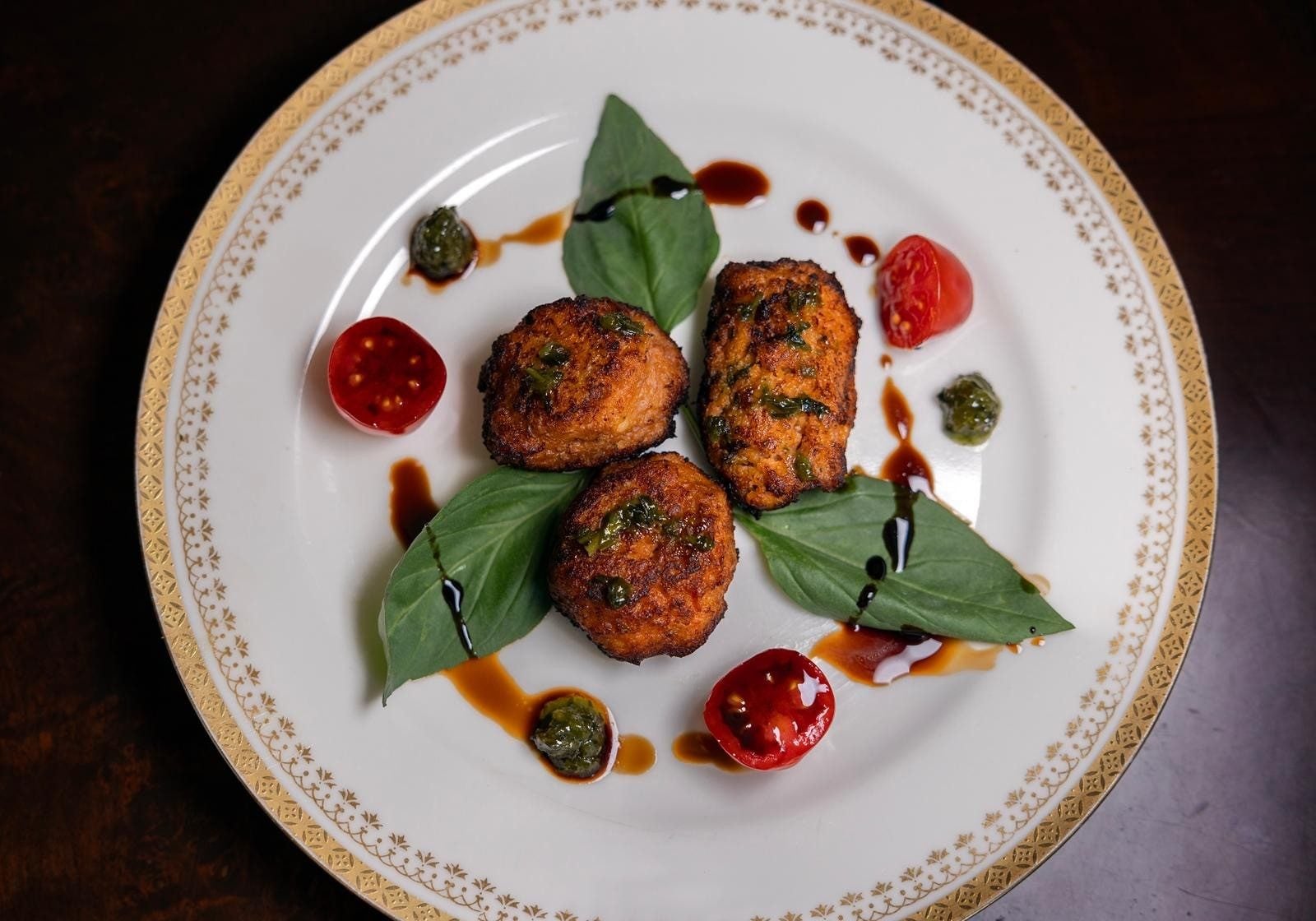
Pythag Tech press release of 22 October 2026, Business News Australia on the Magic Valley partnership (August 2025), Humbird in Biotechnology and Bioengineering (2021), Food Standards Australia New Zealand on the Vow approval. Photo: Pythag Tech (press material). This article contains affiliate links. If you buy something through them, we earn a small commission at no extra cost to you.
Want our reporting to show up first in Google's Top Stories? Add This Is Vegan as a preferred source on Google.