






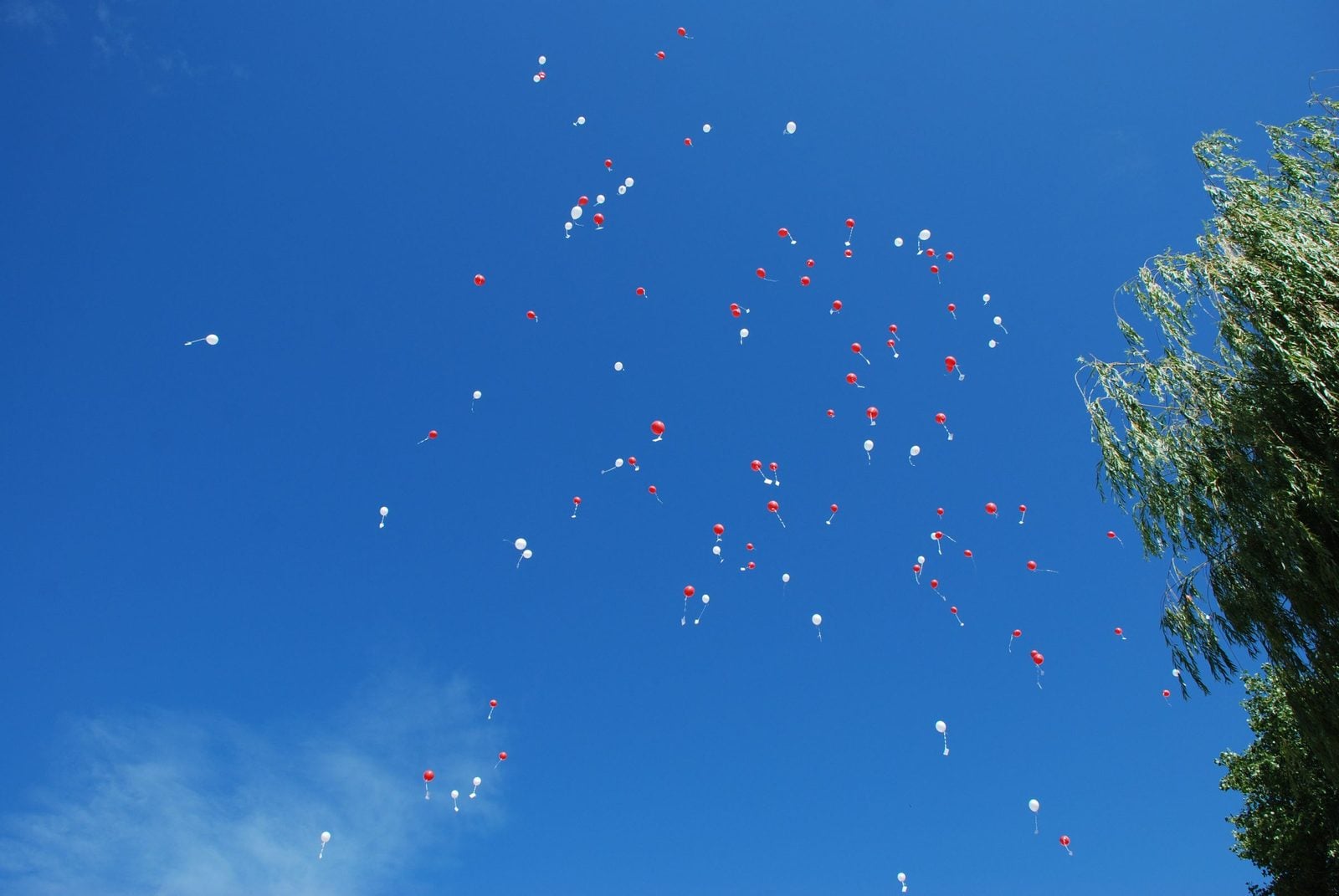
In the Australian state of New South Wales, releasing balloons into the sky will soon be illegal, even a single one. Parliament passed the rule on 22 October 2026 as part of a major plastics law. Animal advocates had campaigned for it for years. Their key argument: balloons that disappear into the sky always come back down, often into the sea and into the stomachs of seabirds and turtles.
In short
- What’s new: In New South Wales, any intentional release of helium balloons will be banned
- The old rule: It was only an offence from 20 balloons at once, smaller releases were legal
- The penalty: up to 10 penalty units, currently 1,100 Australian dollars
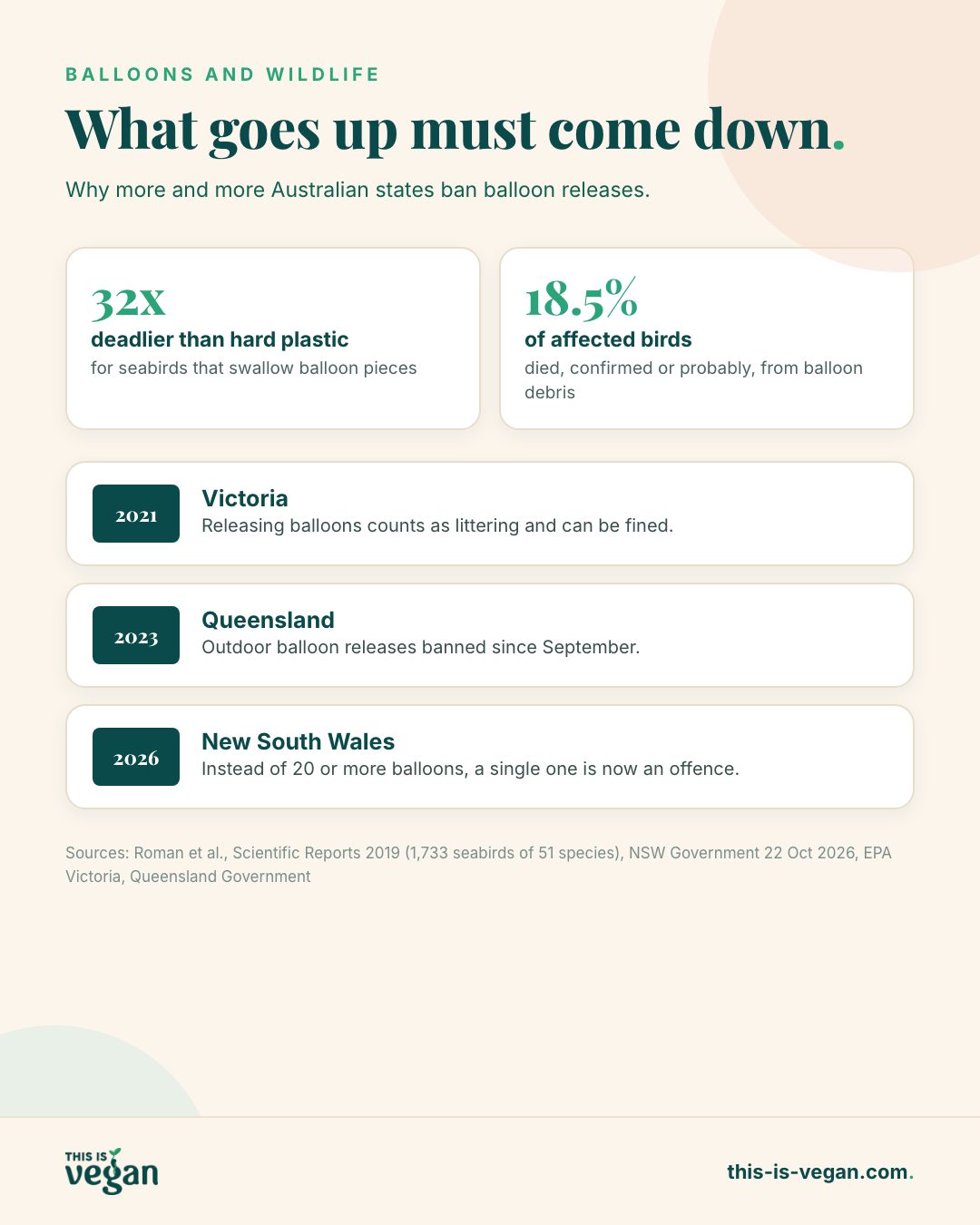
- Why: For seabirds, swallowed balloon pieces are 32 times deadlier than hard plastic, according to one study
- Who campaigned: among others, Animal Justice Party MP Emma Hurst and the group No Balloon Release Australia
Contents7 chapters
What parliament decided.
The balloon ban sits in a law with a long name: the Environmental Legislation Amendment (Plastic Reduction and Container Recycling) Bill 2026. According to the NSW legislation database, both houses passed it on 22 October 2026. It aims to cut plastic waste in the state, from bread tags and lollipop sticks to single-use coffee cups.
For balloons, it amends the Protection of the Environment Operations Act 1997. Until now, the act only banned releasing 20 or more balloons at the same time. Anyone letting go of 19 balloons at a wedding, a funeral or a school event was acting legally. From now on, the ban applies to a single balloon filled with helium or another lighter-than-air gas. The maximum penalty is 10 penalty units, currently 1,100 Australian dollars. Until now, exemptions covered balloons that escape by accident, releases indoors, hot air balloons and weather balloons used for research.
Environment Minister Penny Sharpe said in the government’s media release that wildlife, waterways and people’s health would benefit from the law. The government lists the balloon ban among the changes taking effect immediately. It has not given an exact commencement date.
Who fought for it.
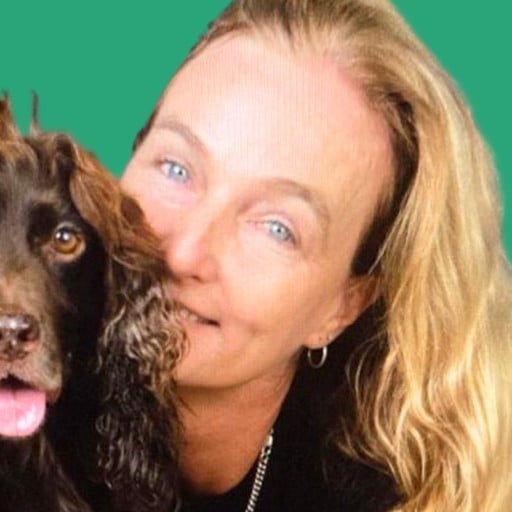
“We did it!” Emma Hurst wrote on Instagram after the vote. The Animal Justice Party MP has sat in the NSW Legislative Council since 2019 and promoted the ban with a petition. “A few moments of celebration should never cost an animal their life,” she wrote, thanking everyone who signed and the group No Balloon Release Australia, which has campaigned for a ban since 2016.
The Greens also kept up the pressure. MP Kobi Shetty introduced her own balloon ban bill back in 2024, which the Labor government opposed at the time. “I hate to think about how many animals could have been saved if this reform was brought in 2 years ago,” Shetty said in a Greens media release.
Why balloons kill animals.
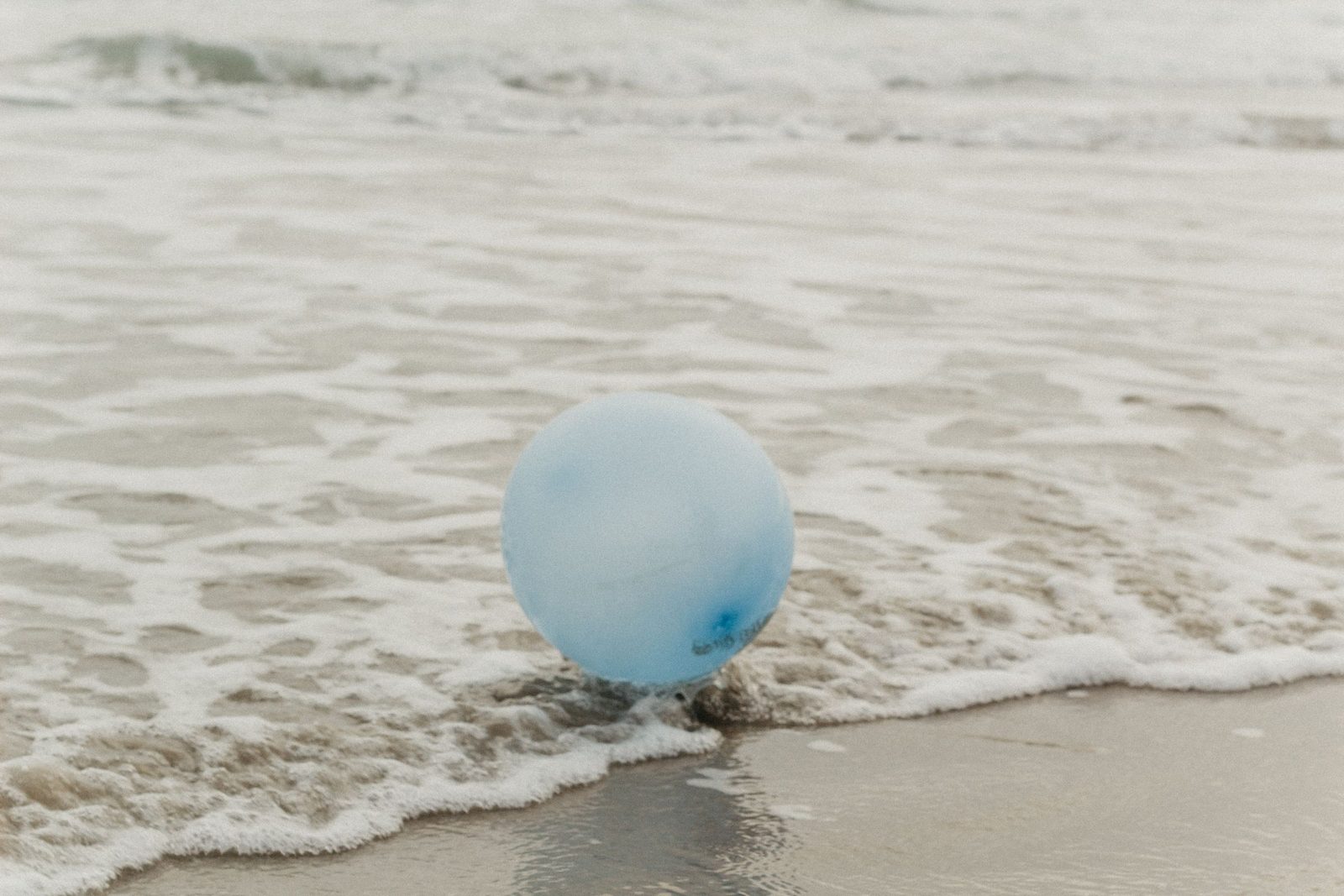
A latex or foil balloon rises a few kilometres, bursts or loses gas, and falls back down. Often it lands in the sea. A team led by Lauren Roman of the University of Tasmania and Australia’s science agency CSIRO examined 1,733 dead seabirds from 51 species. Their result, published in 2019 in Scientific Reports: balloons were the most dangerous material of all. Swallowed balloons killed birds 32 times more often than hard plastic. In 18.5 percent of birds with balloon pieces in their stomach, this was the confirmed or probable cause of death. The soft rubber blocks the digestive tract and the animals starve.
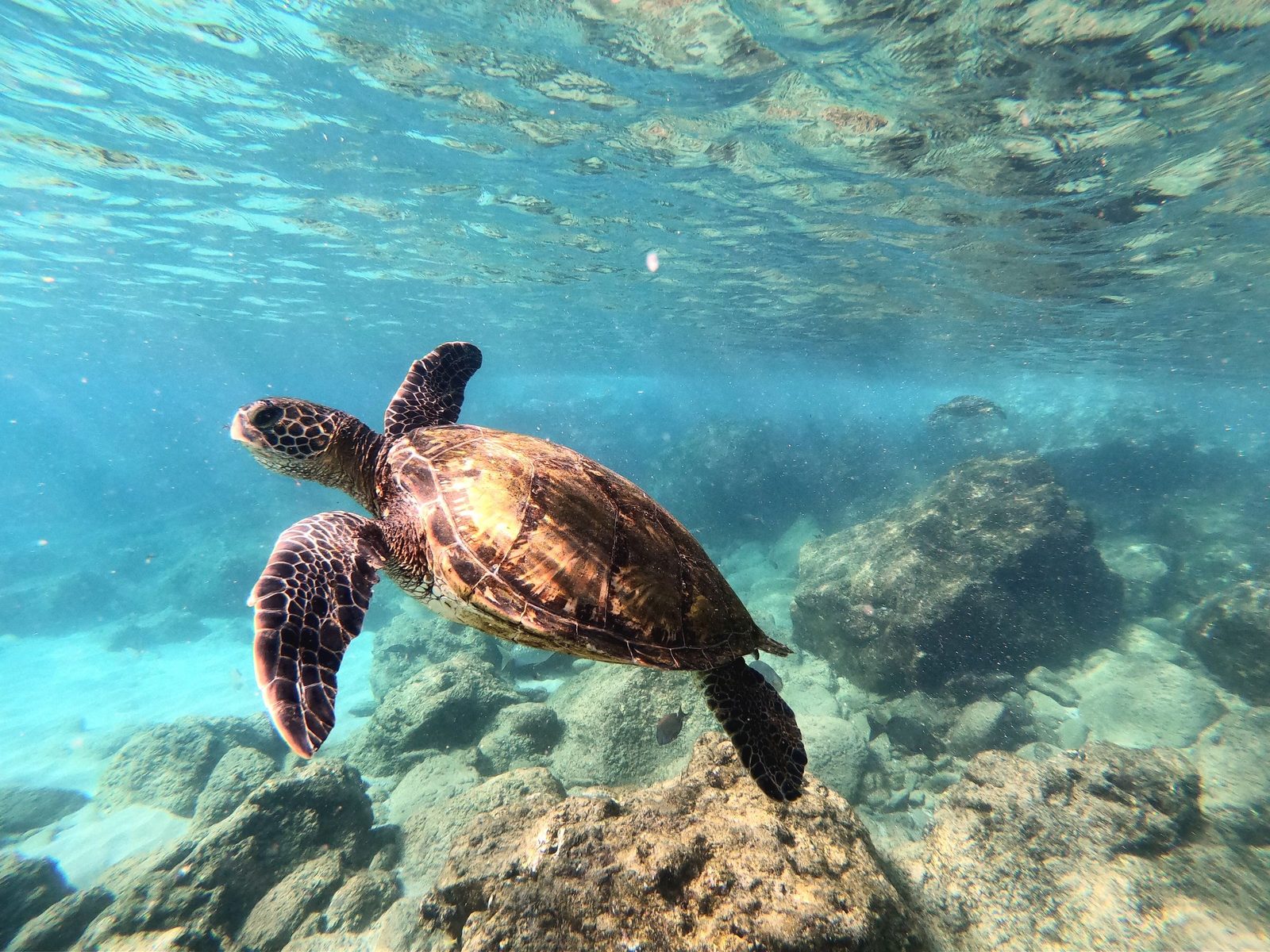
Sea turtles are hit in a similar way. Shredded balloons drift in the water and look like the jellyfish and squid the animals eat. A study of stranded turtles from Queensland found signs that young turtles in the open ocean deliberately eat soft rubber items such as balloons. Then there are the strings: birds get tangled, wings or legs are cut off from blood supply, and they die. A large analysis of over 10,000 necropsies, published in 2025 in PNAS, also concluded that rubber is the deadliest plastic for seabirds.
Where else balloon releases are banned.
New South Wales is not alone in Australia. In Victoria, releasing balloons has counted as littering since July 2021, and Queensland banned it in September 2023. In the US, several states including Florida, Virginia, Maryland and Connecticut have banned or restricted balloon releases. The UK has no national ban, but many councils prohibit balloon releases on their land.
In Germany, letting balloons go is not generally banned. Larger releases near airports may need approval from air traffic control. Sky lanterns, on the other hand, are banned in most German states, though because of fire risk rather than to protect animals.
An animal ethics perspective.
The ban is a small law with a big effect, because it questions a habit hardly anyone thinks about. Releasing balloons is seen as a harmless ritual at birthdays, gender reveals or in memory of loved ones. Nobody sees the animals that die from it later. On one side there are a few seconds of joy, on the other an albatross or a turtle starving with a full stomach.
The case also shows how long it takes for animal protection to become law, even when the evidence is clear. The seabird study is from 2019, the first bill from 2024. That a government is moving now is thanks to people who signed petitions and wrote to their MPs. For marine animals, every source of plastic removed counts, whether balloons, lead shot or fishing waste.
What you can do.
- Don’t release balloons. Not even one, and not even “natural latex”, which breaks down only slowly in the sea.
- Use alternatives. Bubbles, fabric bunting, flowers or candles work just as well at celebrations and memorials.
- Secure balloons. If you use balloons indoors, weigh them down and put them in the bin afterwards.
- Speak up. Nurseries, schools and clubs often plan balloon releases without thinking about the consequences. A friendly word helps.
Frequently asked questions.
Is it now illegal to release balloons in New South Wales?
Yes. On 22 October 2026, parliament decided that releasing even a single balloon on purpose is an offence. Previously, this only applied from 20 balloons. The government has not published an exact commencement date.
How high is the fine?
Up to 10 penalty units, currently 1,100 Australian dollars.
Why are balloons dangerous for animals?
Seabirds and sea turtles swallow balloon pieces that block their digestive tract. According to a study in Scientific Reports, balloons are 32 times deadlier for seabirds than hard plastic. Animals also get tangled in the strings.
Which other Australian states ban balloon releases?
Victoria has treated balloon releases as littering since July 2021, and Queensland has banned them since September 2023.
Sources ●
Post by Emma Hurst on Instagram, NSW Government media release of 22 October 2026, bill status on legislation.nsw.gov.au, Greens media release (Kobi Shetty), Roman et al. in Scientific Reports (2019), Schuyler et al. in PLOS ONE (2012), Murphy et al. in PNAS (2025). Photos: Alan Cabello, Enrico Hänel and David Willis / Pexels. This article contains affiliate links. If you buy something through them, we earn a small commission at no extra cost to you.
Want our reporting to show up first in Google's Top Stories? Add This Is Vegan as a preferred source on Google.