




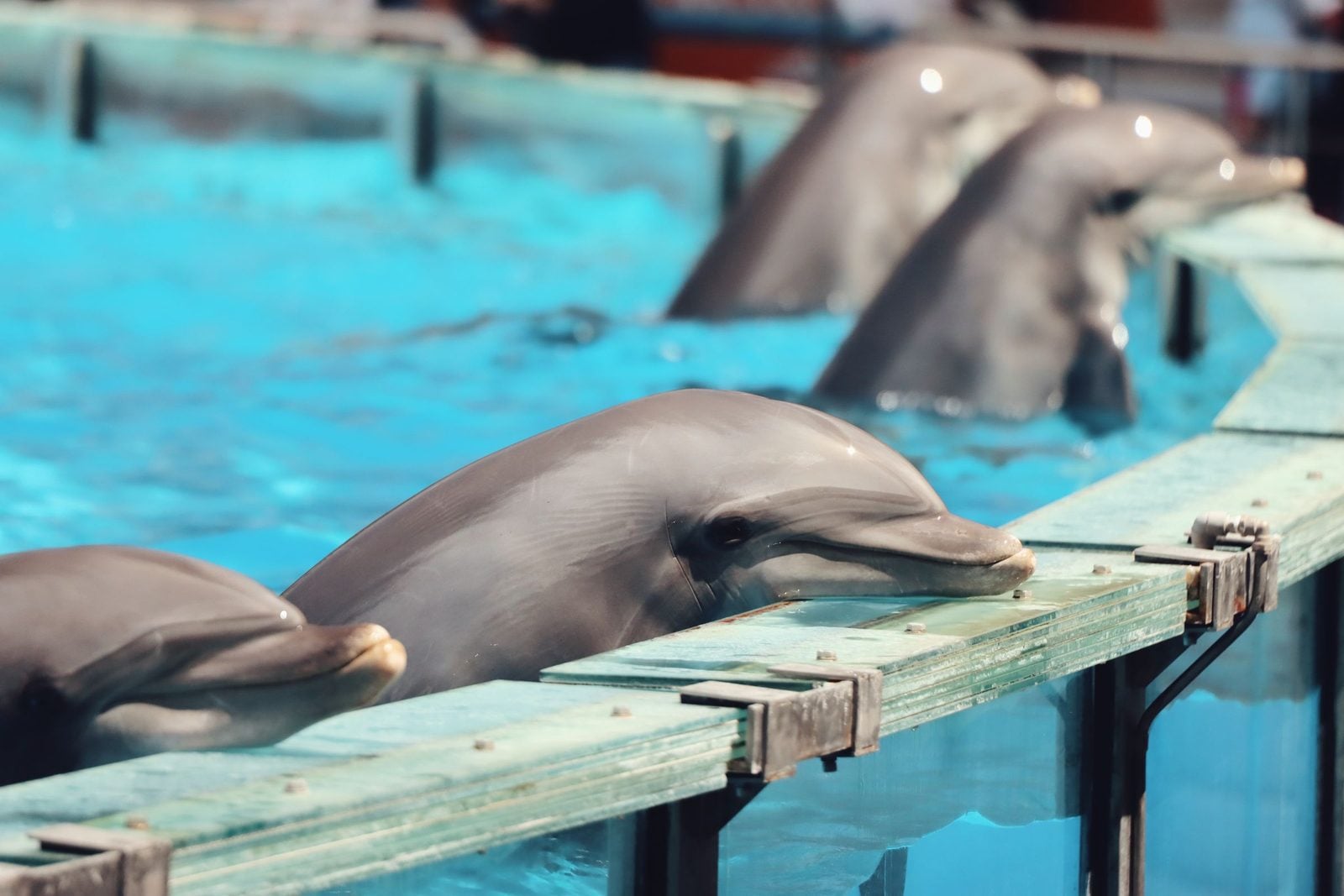
The Netherlands no longer wants to keep dolphins in captivity. On 14 October 2026, the Dutch government announced plans to ban breeding at the country’s only dolphinarium in Harderwijk. The 22 bottlenose dolphins living there may stay. But they are meant to be the last generation.
In short
- The decision: The Dutch government wants to end the keeping of dolphins over time and is working on a breeding ban
- The timeline: According to media reports, the government expects about two years until the ban is legally in force
- The animals: 22 bottlenose dolphins at the Dolfinarium Harderwijk may stay, release into the wild is not possible
- The pushback: The Dolfinarium rejects the breeding ban and is asking for the scientific basis
- Elsewhere: Canada, Mexico, France and Belgium have already decided to phase out dolphin shows
Contents6 chapters
What the government announced.
The responsible minister is Silvio Erkens, State Secretary at the Ministry of Agriculture, Fisheries, Food Security and Nature. In the government’s announcement he explains: “Dolphins are intelligent, social and special animals. That is exactly why we must be honest about whether we can give these animals what they need. My conclusion is that we cannot do that in the Netherlands. That is why I want no new dolphins to be bred.”
The government says it wants to respond to the public wish to stop keeping dolphins in dolphinariums. The 22 bottlenose dolphins in Harderwijk will stay there anyway. There is currently no suitable alternative home for them, not even abroad. Dolphins born or raised in a dolphinarium cannot simply be released into the sea. Erkens therefore wants to work with the Dolfinarium, experts and animal welfare organisations on their future.
According to the whale conservation group WDC, four harbour porpoises also live in Harderwijk. Shows will continue for now, but the Dolfinarium has dropped some unnatural tricks. Selfies with the animals will no longer be offered.
Why the end could still take a long time.
The breeding ban is not yet in force. The government first has to put it into regulation, and according to Dutch media such as BNNVARA, Erkens expects this to take about two years. The government has not named a date by which the Dolfinarium must operate without dolphins. Bottlenose dolphins can live for several decades in captivity, so there could be dolphins in Harderwijk for a very long time.
The Dolfinarium itself disagrees. It does not share the welfare concerns and has not agreed to a breeding ban, BNNVARA reports. The park is asking the ministry for the scientific basis of the decision. According to the Harderwijker Courant, director Alex Tiebot warns that a breeding ban could mean separating males and females or giving them long-term contraception.
What animal advocates say.
WDC welcomes the phase-out plan but warns against rushed solutions. “The sudden closure of dolphinariums can cause problems if it is unclear what will happen to the dolphins kept there,” says Ulla Ludewig, who leads WDC’s work on ending captivity. Moving animals to other facilities, sometimes abroad, often just shifts the problem. The operators who profited from the animals for years must take responsibility. In some cases, the best solution may be to care for the animals in their existing pools for the rest of their lives.
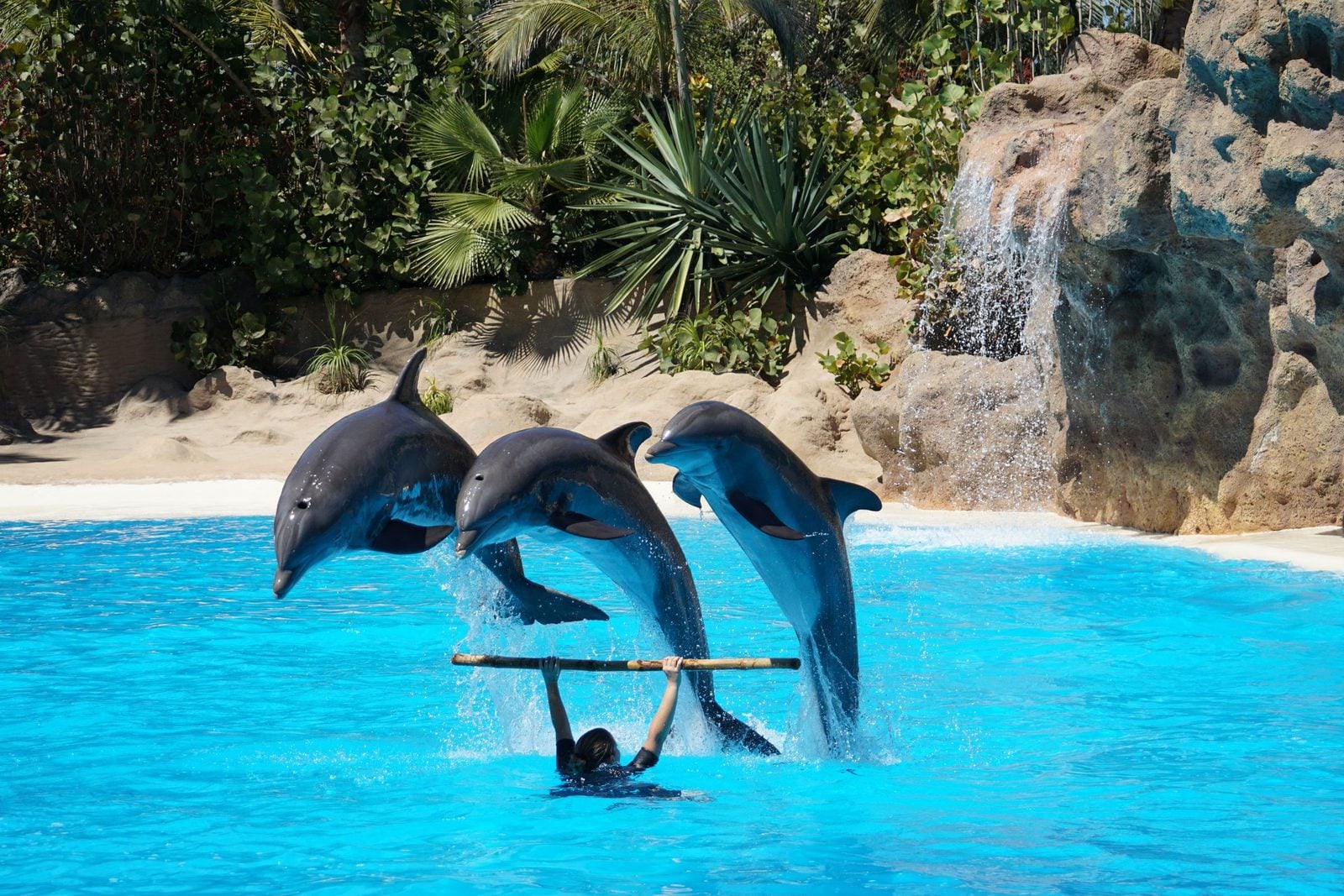
The Netherlands joins a growing list. According to WDC, Canada, Mexico, France and Belgium have already decided to phase out keeping dolphins for shows. Germany still has two dolphinariums, at Duisburg Zoo and Nuremberg Zoo, with no phase-out plan.
An animal ethics perspective.
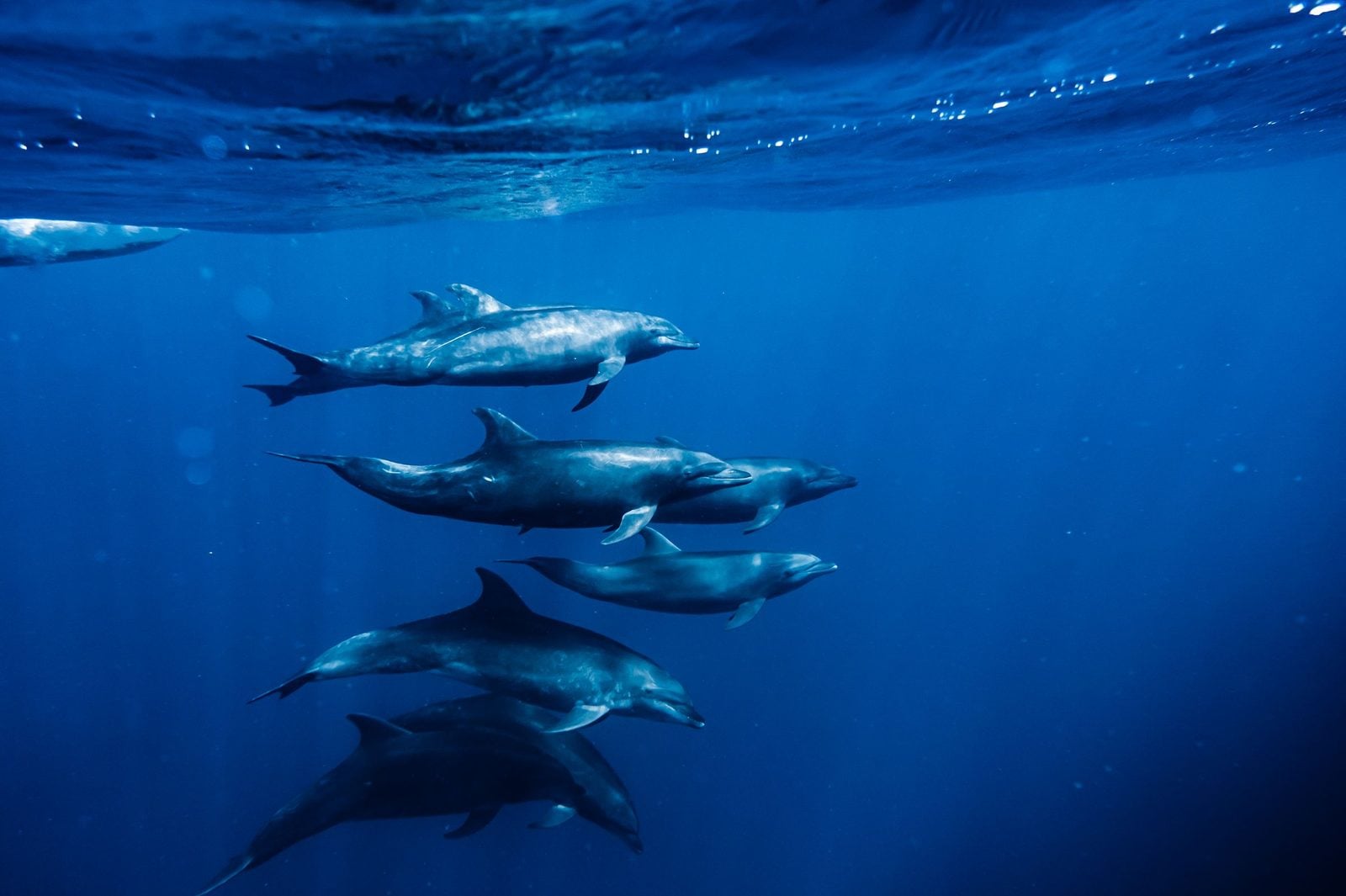
In the wild, bottlenose dolphins swim many kilometres a day and dive deep. They live in complex groups and navigate by echolocation. In a concrete pool, hardly any of that is possible. That a government says this so openly and acts on it is a real win for the animals and for everyone who has protested against dolphinariums for years.
A breeding ban is the most honest solution for the animals already there. They cannot go back to the sea, so what matters is that no more dolphins are born into this situation. The downside: the 22 dolphins may live in their pools for decades, and their daily lives will hardly change for now. The next step would be a sea sanctuary where former dolphinarium animals can live in near-natural conditions. For bottlenose dolphins in Europe, there are plans for this, but no finished sanctuary yet.
What you can do.
- Don’t buy a ticket. Dolphin shows, swim-with-dolphins programmes and photos with marine mammals fund captivity.
- Watch out on holiday. Many dolphinariums are in holiday destinations. If you want to see dolphins, choose certified whale watching that keeps its distance.
- Learn the background. The Oscar-winning documentary “The Cove” shows how dolphins are captured for dolphinariums.
- Support organisations working to end dolphin captivity and create sea sanctuaries.
Frequently asked questions.
Is the Netherlands banning dolphinariums?
Not immediately. The government wants to ban dolphin breeding so that captivity ends over time. The Dolfinarium Harderwijk may keep its 22 bottlenose dolphins and continue its shows.
When will the breeding ban apply?
The government still has to put it into regulation. According to media reports, it expects this to take about two years.
Why aren’t the dolphins released?
Dolphins born or raised in captivity usually cannot survive in the wild. According to the Dutch government, there is currently no suitable alternative home for them either.
Which countries have ended dolphin shows?
According to WDC, Canada, Mexico, France and Belgium have already decided to phase them out, and now the Netherlands is following.
Sources ●
Dutch government announcement of 14 October 2026, WDC Germany of 19 October 2026, reports by BNNVARA and the Harderwijker Courant. Photos: Nico Marín, Efrem Efre and Marian Florinel Condruz / Pexels. This article contains affiliate links. If you buy something through them, we earn a small commission at no extra cost to you.
Want our reporting to show up first in Google's Top Stories? Add This Is Vegan as a preferred source on Google.