







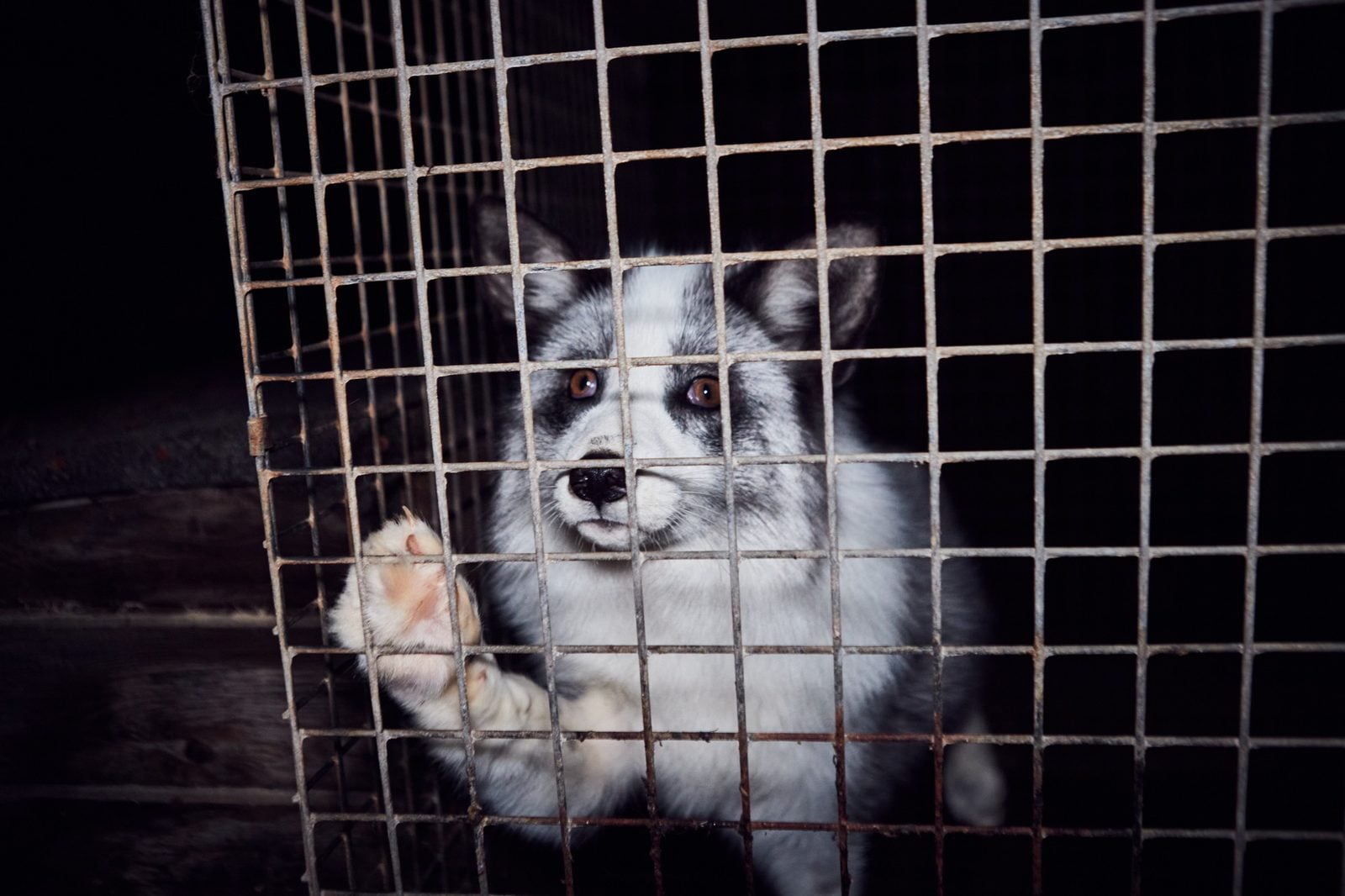
Switzerland is banning the import of and trade in fur produced through cruel methods. Parliament passed the amendment to the Animal Welfare Act in its final vote on 2 October 2026, turning a ban the Federal Council had so far only issued by ordinance into law. Animal protection groups call it a milestone. Fur is still allowed in Switzerland, as long as sellers can prove it did not come from cruel production.
Key facts
- What: a ban on importing, transiting and selling fur and fur products made with cruel methods, written into the Swiss Animal Welfare Act
- Vote: final vote on 2 October 2026, passed in the National Council by 139 to 52 with 5 abstentions
- Who checks: retailers must prove a non-cruel origin, certified through a programme run by the Federal Food Safety and Veterinary Office (FSVO), not through fur industry labels
- Exceptions: fur for personal use while travelling is still allowed, heirlooms may be brought in but not sold
Contents9 chapters
What parliament decided.
It started with a popular initiative, “Yes to an import ban on fur products made through animal cruelty”, which collected more than 113,000 signatures by December 2023. It is backed by FOUR PAWS, the Tier im Recht foundation, the Swiss Animal Protection STS, Zürcher Tierschutz, Sentience and Animal Rights Switzerland.
The Federal Council rejected the initiative, arguing that an import ban in the constitution would clash with Switzerland’s obligations to the World Trade Organization and the EU. Instead, in May 2025 it proposed an indirect counter-proposal that goes further than the initiative in one respect: it also bans domestic trade. That means inspections can happen in fashion stores and online shops, not just at the border.
The National Council approved the counter-proposal in September 2025 by 183 to 9 votes, the Council of States followed on 15 September 2026 by 43 to 1. After two minor differences were settled, the final vote came on 2 October. In the National Council it passed with 139 yes, 52 no and 5 abstentions.
What exactly is banned.
The ban covers fur and fur products produced with cruel methods. The benchmark is the animal welfare guiding principles of the World Organisation for Animal Health (WOAH). According to the Federal Council, keeping animals in a way that allows species-typical behaviour and causes no pain, injury or suffering does not count as cruel. Anyone selling fur will have to document where it came from and how it was produced.
- Burden of proof: furriers, fashion retailers and online shops must check and document production methods.
- Inspections: the federal government checks at the border, the cantons in shops.
- Penalties: illegally imported or sold fur is seized, violations are prosecuted.
- Exceptions: fur for personal use while travelling remains allowed. Heirlooms may be imported but not sold.
At ordinance level, the import ban has applied since 1 July 2025 with a two-year transition period. The new law makes it a permanent standard. The Federal Council will set the date it takes effect, after the usual 100-day referendum period.
The fight over certificates.
Hardly anyone in parliament opposed a ban as such. The real dispute was over who decides what counts as cruel fur. Committees in both chambers pushed for exceptions for fur certified under international schemes, or for handing recognition of external certifiers to the Swiss Accreditation Service. The catch: the only existing certification schemes for fur come from the fur industry itself.
“The fur industry gets to define what counts as animal cruelty. How absurd is that?”, Social Democrat MP Gabriela Suter asked during the debate. In the end, both chambers sided with the Federal Council. Certification will run through an FSVO programme.
Why labelling was not enough.
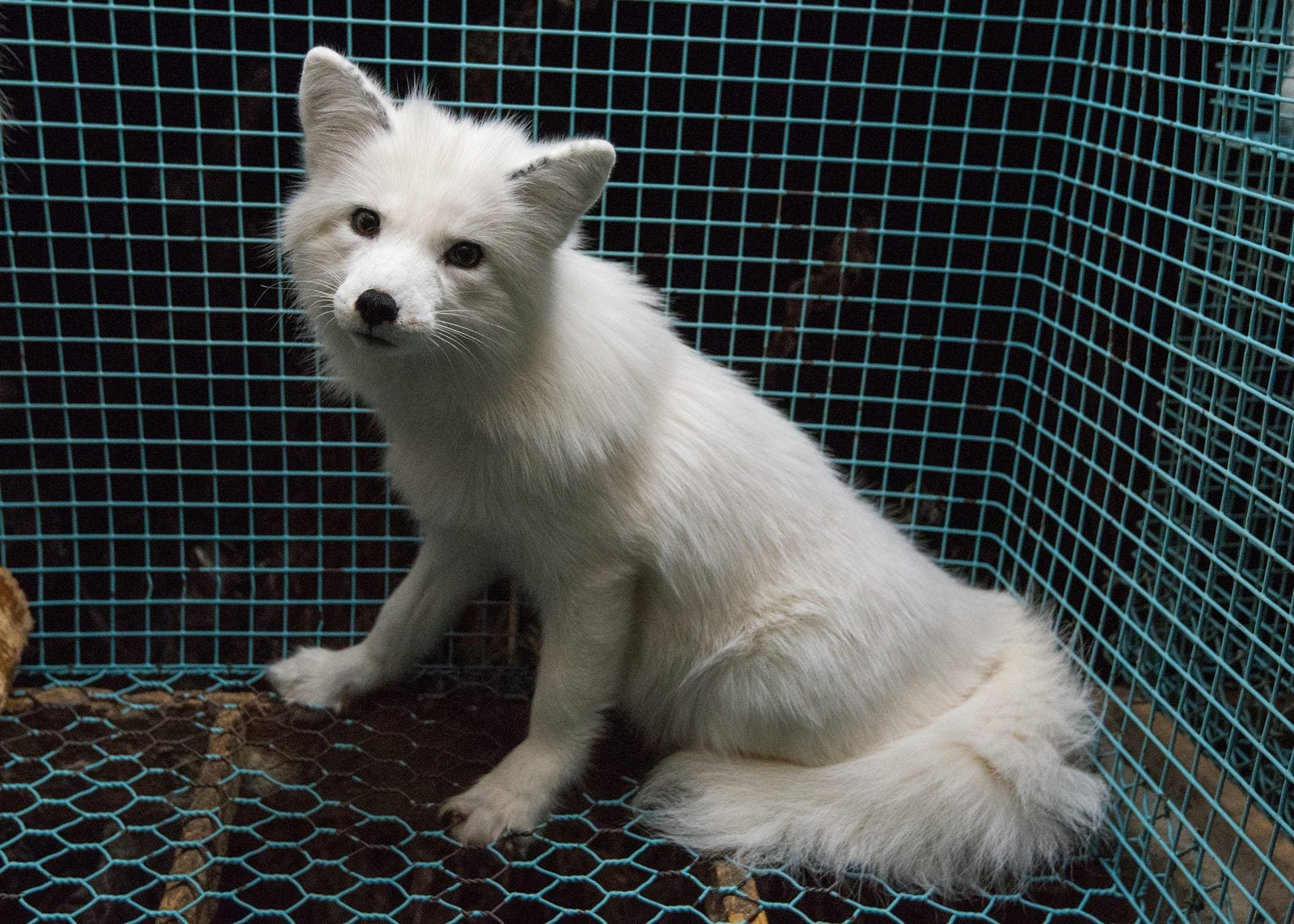
Since 2013, Swiss shops have had to label real fur with the species, country of origin and production method, such as cages with wire floors. It made little difference. The FSVO says it objects to more than 70 percent of the products it checks every year. In its dispatch to parliament, the Federal Council wrote that retailers had widely ignored the labelling rules despite warnings and criminal proceedings. So the government is now moving to a ban with a burden of proof.
What animal protection groups say.
“Animal cruelty must not be a business model,” says Katja Schönenberger, director of FOUR PAWS Switzerland. Andreas Rüttimann of Tier im Recht calls it a permanent legal animal welfare standard. Marco Mettler, director of the Swiss Animal Protection STS, stresses that animal welfare does not end at the border.
According to the organisations, Switzerland is the first country with a statutory import ban on cruelly produced fur. Israel became the first country to largely ban the sale of fur for fashion in 2021. Public support appears strong: a gfs-zürich survey cited by FOUR PAWS found that 94 percent of Swiss voters back an import ban.
What about the EU?.
Many EU countries have banned fur farming, but there is no EU-wide ban. The European Citizens’ Initiative “Fur Free Europe” collected more than 1.5 million signatures in 2023. The European Commission then asked the European Food Safety Authority (EFSA) for an opinion on animal welfare on fur farms, published in 2025. A decision from the Commission is still pending. Read more, including why mink farms are also a disease risk, in our article on bird flu on a mink farm and the EU fur ban.
Animal ethics perspective.
Fur is where the animal industry has the fewest arguments. It is about mink, foxes and raccoon dogs, mostly kept in wire cages and killed for a garment that any other material could replace. That is exactly why fur draws broad political majorities that do not exist for meat, milk or eggs.
Still, the new law draws the line at the method of keeping, not at the animal. Fur remains legal if it can be shown to have been produced without the defined cruelties. That is animal welfare, not animal rights. A certified fox was still killed so someone could wear its fur. Whether any fur farms can meet the criteria will only become clear once the FSVO programme is running. In practice, the ban may come close to ending fur in Swiss retail altogether. The signal is clear either way: it is now the sale of fur that has to justify itself.
What you can do.
Until the law takes effect, real fur will still end up in Swiss shops, and it remains legal across most of Europe. It often hides in hood trims, pom-pom hats and keyrings. A few tips:
- Read the label: under EU textile rules, products must state “contains non-textile parts of animal origin”. If you see that, take a closer look.
- Check the base: real fur grows out of leather. Faux fur shows a woven fabric backing when you part the hairs.
- Choose fur-free brands: many brands have dropped real fur entirely. You can find a selection of vegan winter jackets on Amazon, for example.
FAQ.
Is fur now completely banned in Switzerland?
No. The import, transit and sale of fur from cruel production is banned. Fur that can be shown to have been produced without such methods remains legal. Which fur qualifies will be decided by an FSVO certification programme.
When does the Swiss fur ban take effect?
An import ban by ordinance has applied since 1 July 2025 with a two-year transition period. The amended law takes effect after the referendum period, on a date set by the Federal Council.
Can I bring my fur coat to Switzerland?
Yes. Fur for personal use while travelling remains allowed. Heirlooms may be brought in but not sold.
Which countries ban fur?
Israel largely banned the sale of fur for fashion in 2021. Switzerland now bans the import and sale of cruelly produced fur. Many European countries, including the UK, Austria and the Netherlands, have banned fur farming, but most still allow fur to be imported and sold.
Sources ●
Business 25.059 and National Council voting data on parlament.ch, including the Federal Council press release of 28 May 2025 and SDA reports on the debates. FSVO information on fur labelling. Joint press release by the animal protection groups, 2 October 2026. Tages-Anzeiger, 2 October 2026. On the EU: European Citizens’ Initiative. Quotes translated from German. Photos: © FOUR PAWS (header: Georg Mayer), provided for coverage of the press release. The Amazon link is an affiliate link; as an Amazon Associate we earn from qualifying purchases. This article is not sponsored.
Want our reporting to show up first in Google's Top Stories? Add This Is Vegan as a preferred source on Google.