







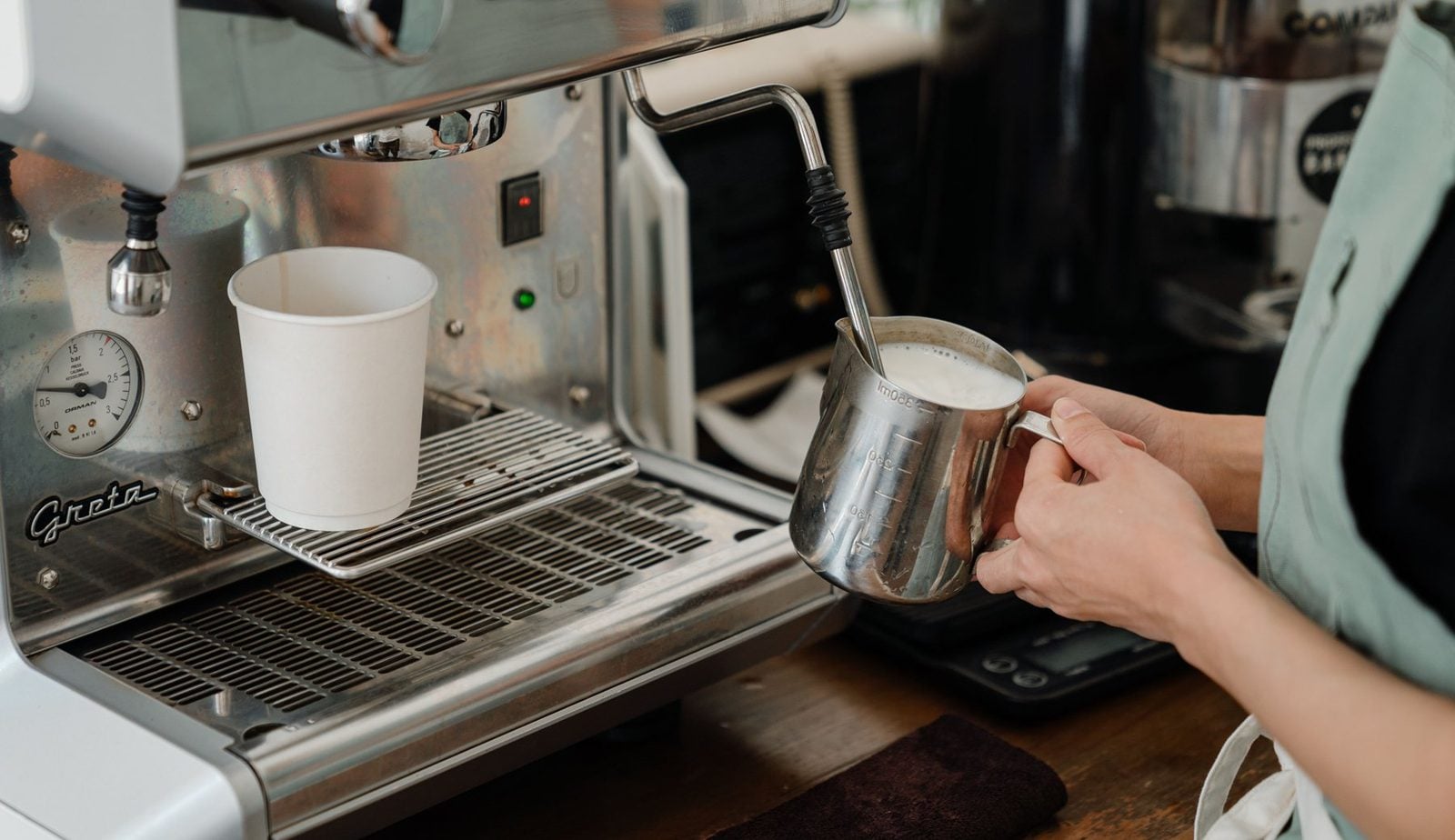
German consumer magazine Öko-Test frothed and lab-tested 27 barista oat drinks. 14 got the top grade, “very good”. Last place went to the best-known name on the shelf: the conventional Oatly Barista Edition scored only “sufficient”, even though it was one of the best at foaming.
In short
- The test: 27 shelf-stable oat drinks labelled “barista”, 19 of them organic, priced from €1.25 to €3.32 per litre
- The result: 14 drinks are “very good”, 11 foam “very well”
- Last place: Oatly Barista Edition, rated “sufficient” because of phosphates, too much iodine and added vitamin D
- Good news for Oatly fans: the organic Oatly Bio Barista is “very good”
- The catch with organic: organic drinks can’t be fortified with calcium, iodine or vitamin B12
Contents10 chapters
- 01How Öko-Test tested
- 02The foam: 400 millilitres versus 80
- 03Why Oatly came last despite great foam
- 04Phosphates, iodine, vitamin D: where Öko-Test deducts
- 05The sugar nobody added
- 06The 27 drinks in the test
- 07Who makes the drinks
- 08An animal ethics perspective
- 09What you can do
- 10Frequently asked questions
How Öko-Test tested.
Öko-Test is one of Germany’s best-known consumer testing magazines. It bought the drinks in supermarkets, organic shops, discounters and drugstores. Where a brand didn’t sell a pure oat barista drink, an oat and soy blend went into the test instead. The results appear in the magazine’s November issue and went online on 29 October.
The lab looked at two things. First, contaminants: pesticides including glyphosate, the heavy metals lead and cadmium, and mould toxins. Second, the foam. Each drink was frothed from 150 millilitres, and the foam volume was measured straight away and again after five and ten minutes. The team also checked the packaging: which vitamins and minerals are added, and whether the amounts fit the recommendations of the German Nutrition Society (DGE) and the maximum levels proposed by Germany’s Federal Institute for Risk Assessment (BfR).
The foam: 400 millilitres versus 80.
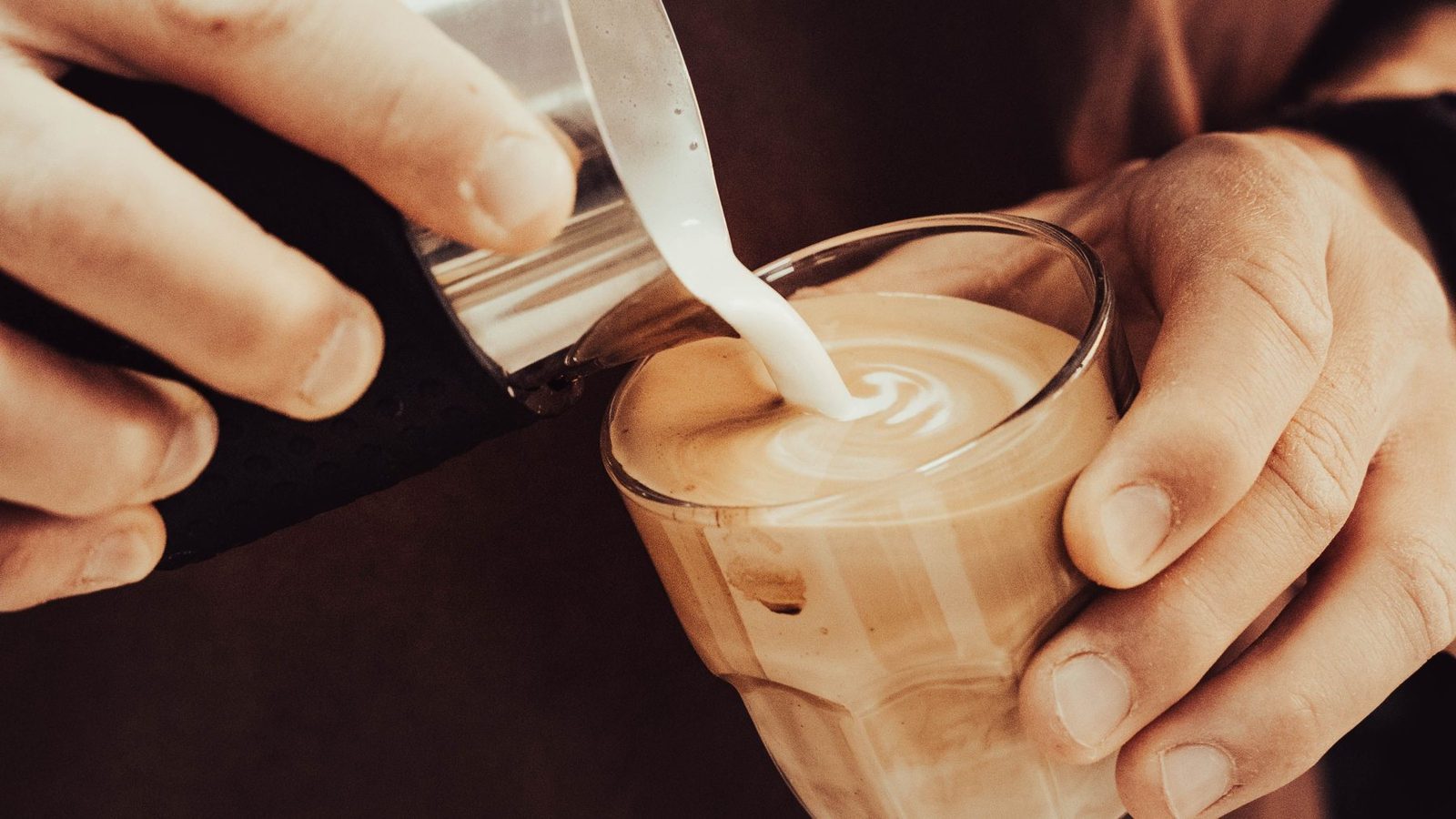
Oats are naturally low in fat and protein, and a stable foam needs both. Barista versions make up for that with extra oil, protein or stabilisers. It mostly works: according to Öko-Test, eleven products foam “very well”. The best produced more than 300, some almost 400 millilitres of foam. The weakest managed just 80.
“With an oat drink labelled barista, consumers rightly expect decent foaming,” says Öko-Test molecular biologist Lisa Hitschler. “Not all products in the test manage that.”
Notably, more of the weak foamers were organic. Organic producers aren’t allowed to add phosphates and use vegetable oil, pea protein or soy instead. Six organic drinks show it can work, scoring top marks for foam anyway.
Why Oatly came last despite great foam.
According to Öko-Test, Oatly calls its Barista Edition its “super premium product” on its German website. When it comes to foam, that holds up: Öko-Test rates the volume as “very large” and the foam only drops slightly, so the drink gets “very good” for foaming.
It was the ingredients that pulled it down. It lost two grades for containing phosphates and more iodine than the BfR proposes as a maximum for milk alternatives. Added vitamin D cost it another grade. The result was “sufficient”, the only one in the test.
The organic version from the same brand, Oatly Bio Barista, passed without any criticism of its ingredients, foamed well and stayed stable, and is one of the 14 “very good” products.
Phosphates, iodine, vitamin D: where Öko-Test deducts.
On additives, Öko-Test is more nuanced than in many earlier tests. Added calcium, iodine, vitamin B2 and B12 are not penalised as long as the amounts stay within the BfR proposals. The reason: the DGE advises anyone replacing cow’s milk fully or partly with plant drinks to choose products fortified with exactly these nutrients.
Points are deducted in three cases:
- Phosphates: they stabilise the foam but only appear in conventional drinks. Öko-Test cites studies suggesting that higher phosphate levels in the blood may be a problem not just for people with kidney disease. On the ingredient list they often appear as an acidity regulator, for example potassium or calcium phosphate.
- Too much iodine: when the amount exceeds the BfR’s proposed maximum.
- Vitamin D: the DGE doesn’t consider fortifying foods with it useful, so Öko-Test sees no reason for it in oat drinks and deducted a grade for it several times in the test.
For vegans, this creates a trade-off. Organic products may not contain phosphates or added vitamins and minerals. Choose the organic carton and you also get no calcium, iodine or B12 from your drink. For B12, a supplement is the reliable route anyway.
The sugar nobody added.
Many drinks say “no added sugar” or “unsweetened”. They still contain between 1.6 and 8 grams of sugar per 100 millilitres. It forms during production, when enzymes break the starch in the oats down into maltose and glucose. The longer the process runs, the sweeter the drink.
That’s why Öko-Test considers the label “contains naturally occurring sugar” not quite accurate. More honest would be a clear note on the process that produced the sugar.
The 27 drinks in the test.
Öko-Test publishes the individual grades only in its paid magazine and e-paper. The list of tested products with supplier and price per litre is freely available:
| Product | Supplier (manufacturer) | Price/litre |
|---|---|---|
| Allos Hafer Barista | Allos | €2.79 |
| Alnatura Barista Hafer mit Soja | Alnatura | €1.49 |
| Alpro Barista Hafer | Danone | €1.49 |
| Alpro Bio Barista Hafer | Danone | €2.31 |
| Berief Bio Barista Hafer mit Soja | Berief Food | €1.99 |
| Bio Primo Haferdrink Barista | Müller drugstore (Stengel) | €1.45 |
| Bio Sonne Bio-Drink Hafer Barista mit Soja | Norma (Immergut) | €1.25 |
| BioBio Barista Haferdrink | Netto Marken-Discount | €1.25 |
| Dennree Barista Haferdrink mit Soja | Dennree | €1.49 |
| Dm Bio Barista Haferdrink | dm | €1.45 |
| Edeka Bio Hafer Barista | Edeka | €1.39 |
| Ener Bio Barista Hafer mit Soja | Rossmann | €1.49 |
| Food For Future Bio Barista Hafer-Soja | Penny (Soja Food) | €1.25 |
| Jeden Tag Haferdrink Barista | Zentrale Handelsgesellschaft | €1.25 |
| K-Plant Based Barista Haferdrink | Kaufland (Hohenloher Molkerei) | €1.25 |
| Mølk Hafer Barista | Moelk | €1.99 |
| My Vay Barista Drink Hafer | Aldi Nord (Frías Nutrición) | €1.25 |
| My Vay Barista Drink Hafer | Aldi Süd (De-Vau-Ge) | €1.25 |
| Natrue Barista Oat, gluten-free | Liquats Vegetals | €1.99 |
| Natumi Bio Hafer Barista mit Soja | Natumi | €2.49 |
| Oatly Barista Edition | Oatly | €2.55 |
| Oatly Bio Barista | Oatly | €2.55 |
| Rewe Bio pflanzlich Barista Hafer-Soja-Drink | Rewe (Soja Food) | €1.35 |
| Tegut Bio Barista Haferdrink | Tegut (Immergut) | €1.29 |
| Velike! Bio Haferdrink Barista | Black Forest Nature | €1.99 |
| Vemondo Bio Barista Hafer | Lidl (Grønvang) | €1.25 |
| Voelkel Bio Hafer Barista, gluten-free | Voelkel | €3.32 |
Organic doesn’t have to cost more: the cheapest drinks, with and without the organic label, cost €1.25 per litre.
Who makes the drinks.
The manufacturer column is worth a look. Alpro belongs to the food group Danone, which also makes yoghurt and dairy products. According to Öko-Test, Kaufland’s drink is made by the Hohenloher Molkerei, a dairy. The oat and soy drinks sold by Penny and Rewe come from Soja Food. According to the German newspaper Augsburger Allgemeine, that name belongs to the producer Berief, which the dairy group Theo Müller took over this summer.
None of this says anything about taste or quality. But if you want to know whether a dairy company is earning from your oat drink, the answer is often in the small print on the back.
An animal ethics perspective.
Öko-Test itself names animal welfare as one of the reasons more and more people are switching from cow’s milk to plant drinks. Otherwise it plays no role in the test, and that isn’t the test’s job. Still, it’s worth keeping in mind when a grade like “sufficient” makes headlines.
In Öko-Test’s view, an oat drink with phosphates and too much iodine is a worse product. But it’s still a drink that doesn’t require a cow to give birth again and again so she keeps producing milk, or a calf to be separated from its mother shortly after birth.
So the test is mainly a buying guide within the vegan range. The question isn’t oat or cow, it’s which oat drink. And 14 of them convince on every count.
What you can do.
- Read the label. Phosphates are listed in the ingredients, and added vitamin D shows up in the nutrition table. Organic drinks never contain either.
- With Oatly, pick the organic carton. According to Öko-Test, Oatly Bio Barista is “very good”, the conventional Barista Edition only “sufficient”.
- Think about nutrients separately. If you drink organic, calcium, iodine and B12 won’t come from the carton. Plan for them through other foods or a supplement.
- Use the right tools. Oat drinks foam best when well chilled. A milk frother does the job without an espresso machine.
Frequently asked questions.
Which barista oat milk is best according to Öko-Test?
14 of the 27 drinks received the top grade “very good”, there is no single winner. The full list with grades is in Öko-Test’s November issue and e-paper. It is publicly known that Oatly Bio Barista is among the “very good” ones.
Why did Oatly Barista Edition come last?
Because of its ingredients: phosphates, iodine above the BfR’s proposed maximum and added vitamin D. For foaming it scored “very good”.
What is the difference between barista oat milk and regular oat milk?
Barista versions usually contain more oil and often extra protein or stabilisers so the drink froths more easily and the foam holds.
Are phosphates allowed in organic oat drinks?
No. In the EU, organic products may not contain phosphates or added vitamins and minerals. That’s why organic oat drinks aren’t fortified with calcium, iodine or B12.
Does oat milk with no added sugar still contain sugar?
Yes. During production, enzymes break oat starch down into sugar. In the test, levels ranged from 1.6 to 8 grams per 100 millilitres.
Sources ●
Öko-Test: Welche Hafermilch Barista ist die beste? 27 Produkte im Test and Barista-Hafermilch von Oatly ist Testschlusslicht (both in German), 29 October 2026, magazine issue November 2026. We did not have access to the individual grades of all products. Photos: Ketut Subiyanto, Drago Rapovac / Pexels. This article contains affiliate links. If you buy something through them, we earn a small commission at no extra cost to you. As an Amazon Associate, we earn from qualifying purchases.
Want our reporting to show up first in Google's Top Stories? Add This Is Vegan as a preferred source on Google.