







If tempeh has always struck you as dry or bitter, this is the recipe that changes your mind. Thin slices are deep-fried until crisp and golden, then tossed in a hot pan with pointed cabbage, tomatoes, ginger, garlic and sambal oelek. Mirin, rice syrup, shoyu and fresh lime juice cook down into a glossy sweet and sour sauce. The recipe comes from Abundant*, the new cookbook by chef Alexander Gershberg, and we are sharing it with the publisher’s permission.
* Affiliate link: If you buy through this link, we earn a small commission. The price stays the same for you.
Contents5 chapters
From the cookbook Abundant
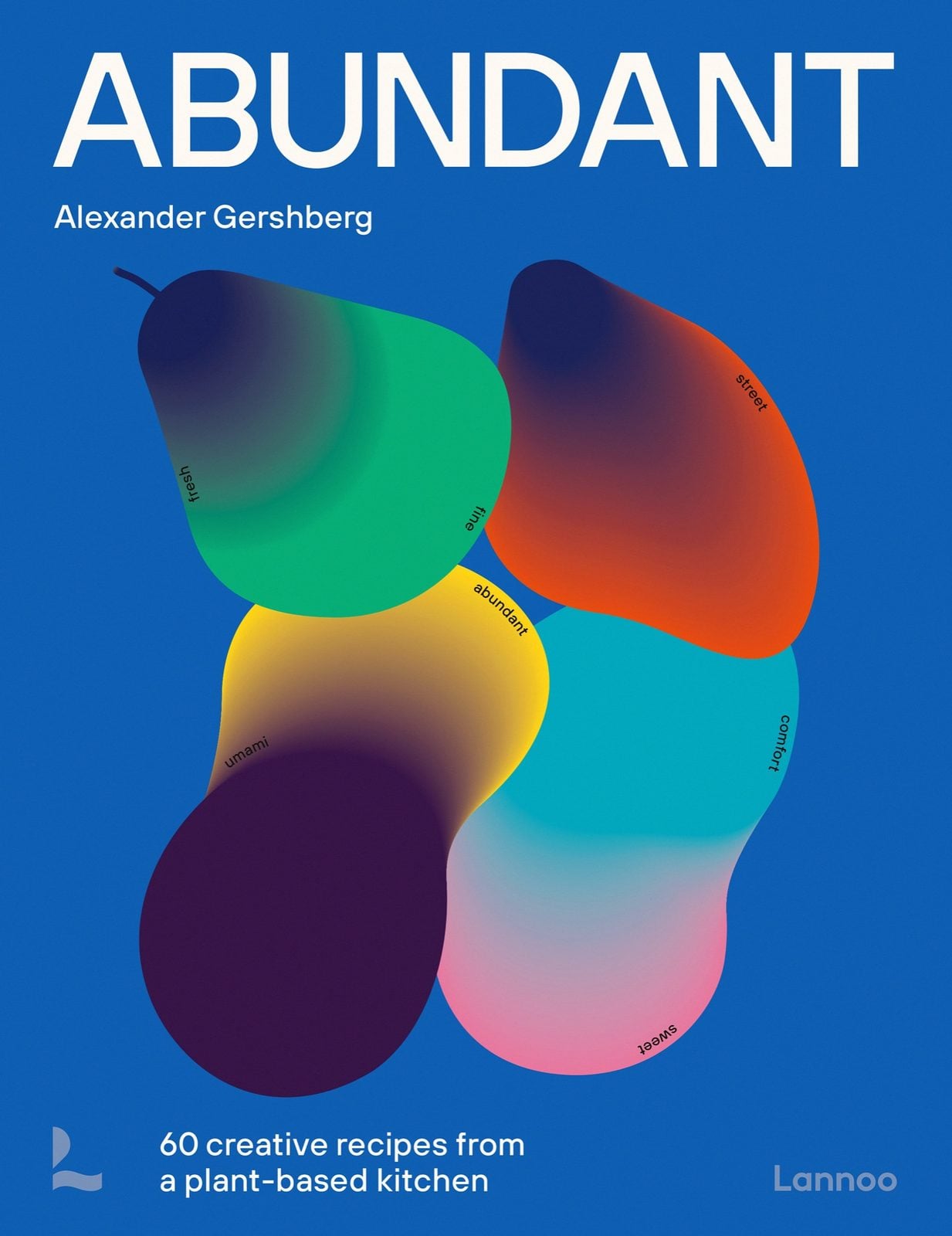
Abundant* collects 60 plant-based recipes by Alexander Gershberg, photographed by Lucia Ivanyi. Here is how he introduces this one:
This freestyle Indonesian stir-fry is very sensual, red, passionate and full of spice. It makes the whole experience of eating tempeh very pleasant. I recommend serving this with brown rice or brown jasmine rice.
Excerpted from Abundant: 60 Creative Recipes from a Plant-Based Kitchen © 2026 by Alexander Gershberg. Photography © 2026 by Lucia Ivanyi. Reproduced by permission of Lannoo Publishers. All rights reserved.
Abundant is out now in English, available for example on Amazon*. From the same book we have also shared sabich and soba noodles with spicy miso eggplant.
Ingredients for 4 portions
Time: about 30 minutes.
- 1 liter (4 cups) sunflower oil or other oil for deep-frying
- 300 g (10 oz) tempeh, cut into thin slices
- 2 tbsp toasted sesame oil
- ⅓ pointed cabbage (about 300 g), cut into 1 cm (½ in) slices
- 2 spring onions, cut into thin slices
- 2 garlic cloves, finely chopped or grated
- 6 cm (2½ in) piece of ginger, finely chopped or grated
- 3 tomatoes, cut in eighths
- 2 tbsp sambal oelek
- 4 tbsp mirin
- 3 tbsp rice syrup
- 3 tbsp shoyu
- 4 tbsp freshly squeezed lemon or lime juice
- coriander for garnish
- brown rice or brown jasmine rice, to serve
Method
- Fry the tempeh. In a heavy pan, heat 1 liter (4 cups) of deep-frying oil. The oil should reach a height of 4 cm (1½ in) in the pan. Heat it to 180 °C (350 °F). Add the tempeh and deep-fry for 3 to 4 minutes until it turns crisp and golden brown. Lay the tempeh on a plate covered with paper towels to absorb the excess oil.
- Stir-fry the vegetables. Heat 2 tablespoons of toasted sesame oil in a skillet pan over a high flame. Add the cabbage, spring onion, garlic and ginger, and sauté for 1 minute while constantly stirring.
- Add tempeh and tomatoes. Add the tempeh and tomatoes, and sauté for another minute.
- Add the sambal. Add the sambal oelek and sauté for another minute on a high flame.
- Reduce the sauce. Add the mirin, rice syrup, shoyu and lime juice, and cook for another 5 to 6 minutes until most of the liquid evaporates.
- Serve. Serve garnished with coriander, with brown rice or brown jasmine rice on the side.
Tempeh, mirin and shoyu in a nutshell
Tempeh comes from Indonesia and is made from whole soybeans fermented with the mold Rhizopus, which binds them into a firm cake. It is chewier than tofu and tastes nutty. Mirin is a sweet Japanese rice wine for cooking. Shoyu is Japanese soy sauce, and any other soy sauce works too; we looked at whether soy sauce is vegan in a separate piece. Agave syrup can stand in for rice syrup, the sauce just turns a little sweeter. More ideas for weeknight dinners are in our vegan recipes collection, for example this red lentil dal.
Frequently asked questions
Can I use tofu instead of tempeh?
The book’s recipe is written for tempeh. Sliced firm tofu fries just as well but comes out softer and soaks up more sauce. We have not tested a tofu version. If you want to pick a block, here is our guide to independent tofu brands.
What is pointed cabbage, and what can I use instead?
Pointed cabbage, also sold as sweetheart or hispi cabbage, is a tender, cone-shaped white cabbage that cooks quickly, which suits a fast stir-fry. Napa cabbage has a similarly short cooking time.
What do I do with the frying oil?
Let it cool, strain it through a fine sieve into a clean bottle and keep it for the next round of frying. Never pour used oil down the drain.
Where this recipe comes from
The recipe, headnote and photo are excerpted from Abundant: 60 Creative Recipes from a Plant-Based Kitchen* by Alexander Gershberg (Lannoo Publishers, 2026) and published here with the publisher’s permission. Notes on tempeh, mirin, shoyu and cabbage are our own. Photo: © 2026 Lucia Ivanyi.