







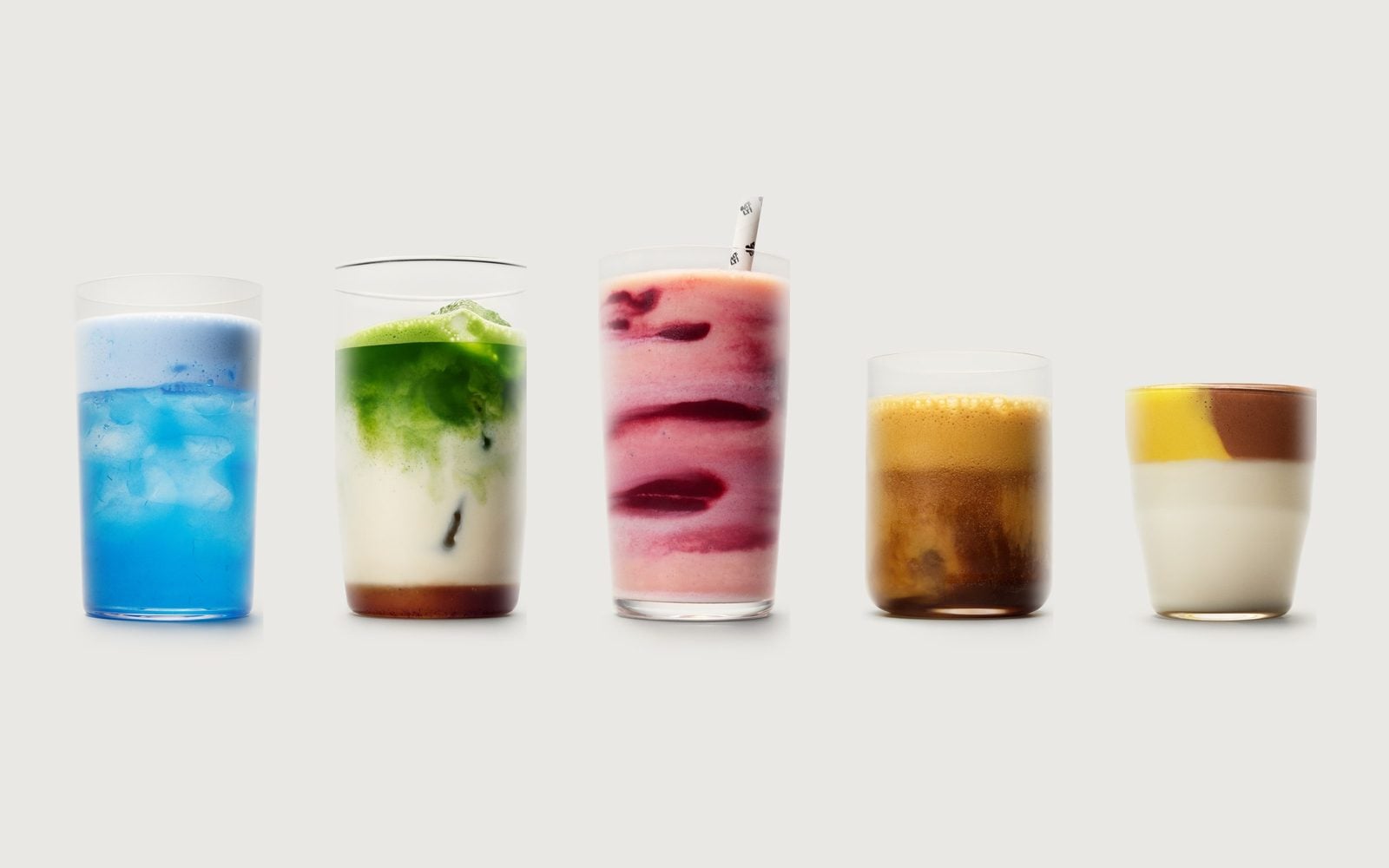
What will we be drinking in cafés over the next few years? Oatly asked over 200 baristas, café owners and drinks professionals from 21 countries. The result is its second “Future of Taste Report”. It sees herbs, fermented drinks, drinks without coffee and above all texture on the rise, all the way to coffee jelly. We looked at the report and explain where animal ingredients hide in the new trends. Plus: three vegan recipes from Oatly’s new lookbook.
In short
- Herbs and fermentation: 40% of respondents named herbs and botanicals the top flavour trend, 56% brought up fermentation unprompted
- The café as a meeting place: 51% named community and connection as the future of cafés
- Beyond coffee: 82% of baristas mentioned drinks that are neither coffee nor tea
- Texture: 72% say mouthfeel is becoming almost as important as taste
- Vegan check: collagen and gelatine jelly come from animals, agar and plant milks are the alternatives
Contents10 chapters
- 01Where the numbers come from
- 02Trend 1: herbs, flowers and fermentation
- 03Trend 2: the café as a meeting place
- 04Trend 3: beyond coffee and tea
- 05Trend 4: texture takes centre stage
- 06Vegan check: where animals hide in the trends
- 07Three lookbook recipes to try
- 08An animal ethics perspective
- 09What you can do
- 10Frequently asked questions
Where the numbers come from.
Oatly published the Future of Taste Report on 23 October 2026. It is based on over 200 interviews with people from the café and bar scene in 21 countries, plus data from the trend research firm CultureLab on things like online articles and Google searches.
The report still needs some context. It is published by a company that sells oat drinks, so it is not an independent study. The percentages reflect how often interviewees raised a topic. They are not representative of all cafés or of what customers actually order. As a snapshot of the scene, the report is still worth a look.
Trend 1: herbs, flowers and fermentation.
Oatly calls this trend the “pharmafication” of drinks: cafés drawing on herbalism, traditional medicine and wellness. For 40% of respondents, herbs and botanicals will shape the flavours of tomorrow. The most frequently named were ginger, cinnamon, cardamom, turmeric, hibiscus and lavender.
More than half (56%) talked about fermentation without being asked. Alongside kombucha, menus increasingly feature tepache made from fermented pineapple, the Eastern European bread drink kvass and Turkish şalgam, a fermented black carrot juice. As an example from Berlin, the report cites the salt-fermented plum soda by Hoa Tran Nhat at the café Antibarist.
Whether these ingredients actually do anything for your health in a drink is not something the report examines. It describes what cafés serve and what customers ask for. Order a “wellness drink” and what you mainly get is an interesting drink.
Trend 2: the café as a meeting place.
Remote work and digital jobs are making cafés more important again as places to be around people. 51% of respondents talked about belonging, community and real connection. The report mentions matcha groups, coffee communities and cafés built around music or shared hobbies. “I don’t think that coffee can change the world, but the conversations that start with coffee can,” says Nguyen Hoang Long of the Berlin café Twogather.
Trend 3: beyond coffee and tea.
82% of the baristas and café owners interviewed mentioned drinks that are neither coffee nor tea. Ube, a purple yam from the Philippines, came up twice as often as flat white or cappuccino. Add to that refreshers, botanical sodas, the roasted green tea hojicha and drinks with coconut or hibiscus. According to Oatly, the five most mentioned emerging ingredients all came from East or Southeast Asia.
One list stands out: the so-called functional ingredients respondents often brought up. Protein, fibre, collagen, mushrooms, creatine, electrolytes and adaptogens. At least one of them is not vegan, more on that below.
Trend 4: texture takes centre stage.
72% of respondents say mouthfeel is becoming almost as important as taste. Foams, jellies, fizz, chewy toppings, fruit pieces and layered drinks are in demand. Looks matter too: 37% consider appearance a key part of a drink’s appeal. Coffee jelly, a coffee gel popular in Japan, shows the trend most clearly. According to the report, Google searches for it are up 90% year on year worldwide. “Nobody orders cold foam for the taste, but for the feeling,” says Diego Mata of the café Nuwanda in Valencia.
Vegan check: where animals hide in the trends.
If you’re vegan, some of the new café trends deserve a closer look:
- Collagen is made from the skin, bones and cartilage of cattle, pigs or fish. A “collagen latte” in a café is almost always animal-derived. Products labelled “vegan collagen” usually contain no collagen at all, just other plant ingredients. Only a few companies make real animal-free collagen through fermentation so far.
- Jelly is traditionally made with gelatine, also from animal skin and bones. Agar, made from seaweed, is the vegan option. It’s worth asking, since menus rarely say.
- Cold foam and other foams are often made with cow’s milk or cream. Many cafés now also offer them with plant milk.
- Botanical drinks are often sweetened with honey. Agave or sugar syrup are the vegan alternatives.
- Protein powder in functional drinks is often whey. Pea or soy protein is plant-based.
Ad · nutri+
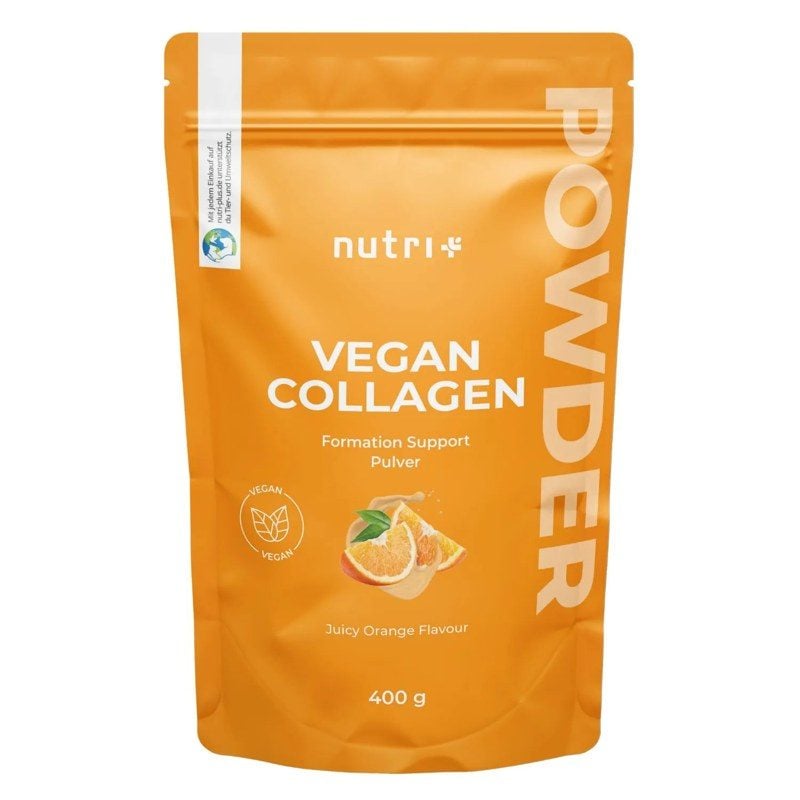
The collagen trend without animals: Vegan Collagen by nutri+
Instead of collagen from slaughterhouse by-products, this powder contains the amino acids glycine, proline and lysine that the body uses to build its own collagen, plus vitamin C. Vitamin C contributes to normal collagen formation for the normal function of skin. The amino acids are made by fermentation or synthetically. We have not tested the product.
The recipes in Oatly’s lookbook, on the other hand, are all vegan. Where butter appears, it explicitly says vegan butter, and sweetening comes from sugar, agave or panela. For recipes with chocolate, make sure you use a vegan one.
Three lookbook recipes to try.
Alongside the report, Oatly released its fourth lookbook of signature drinks for autumn and winter. Three of them work well at home.
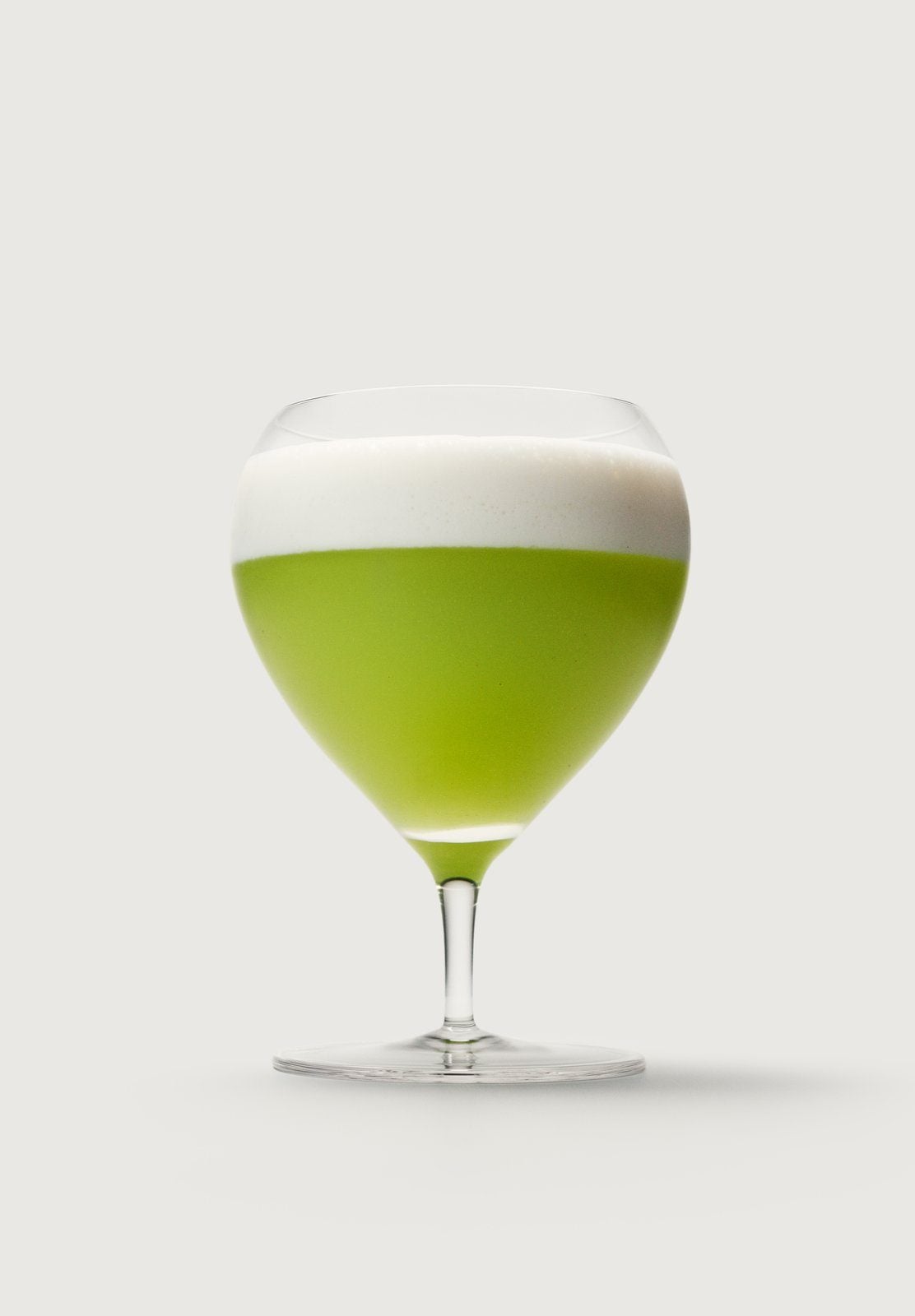
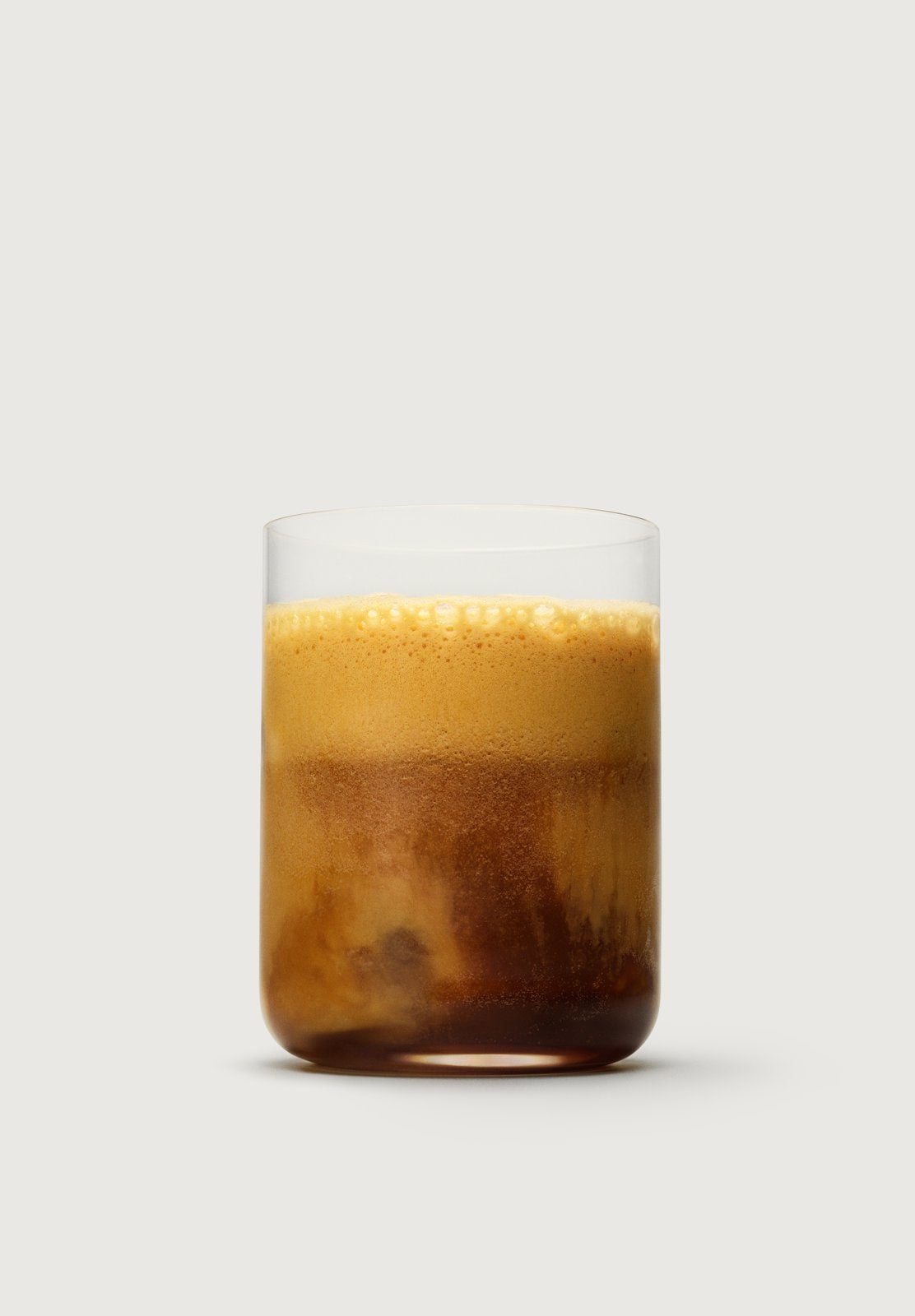
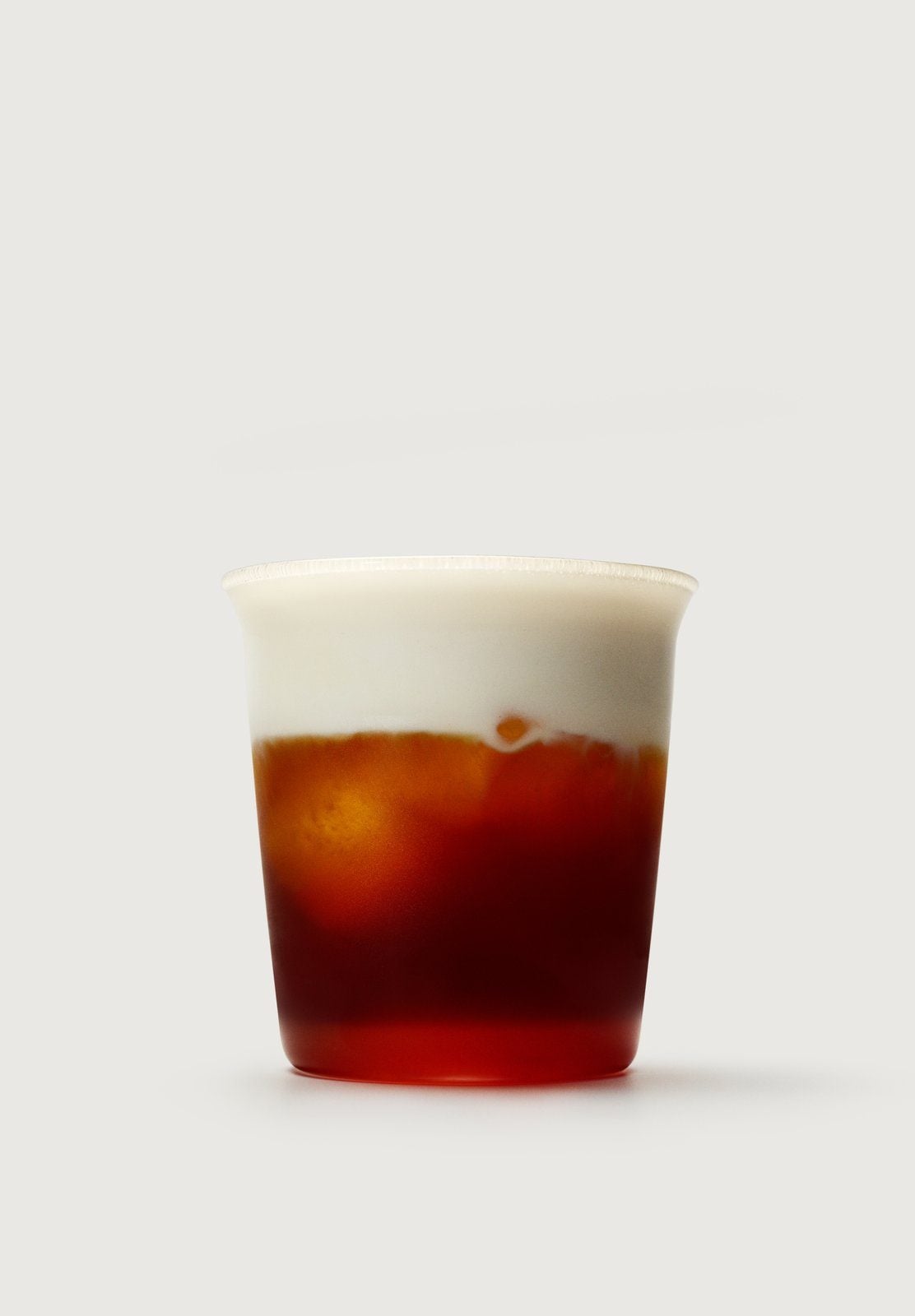
Saffron and orange shaken espresso
For the saffron syrup (about 7 portions): 0.1 g saffron, 100 ml water, 75 g sugar
For the drink: 1 double espresso, 25 ml orange juice, 1 small pinch ground clove, 100 g ice, 150 ml barista oat drink
- Grind the saffron in a mortar, add an ice cube and let it melt.
- Bring sugar and water to the boil until the sugar dissolves. Stir in the saffron water, take off the heat and chill.
- Add espresso, orange juice, clove, 20 ml saffron syrup and ice to a shaker and shake for 10 to 20 seconds.
- Pour into a glass and top with the oat drink.
Oatly recommends a natural-process Brazilian coffee with low acidity.
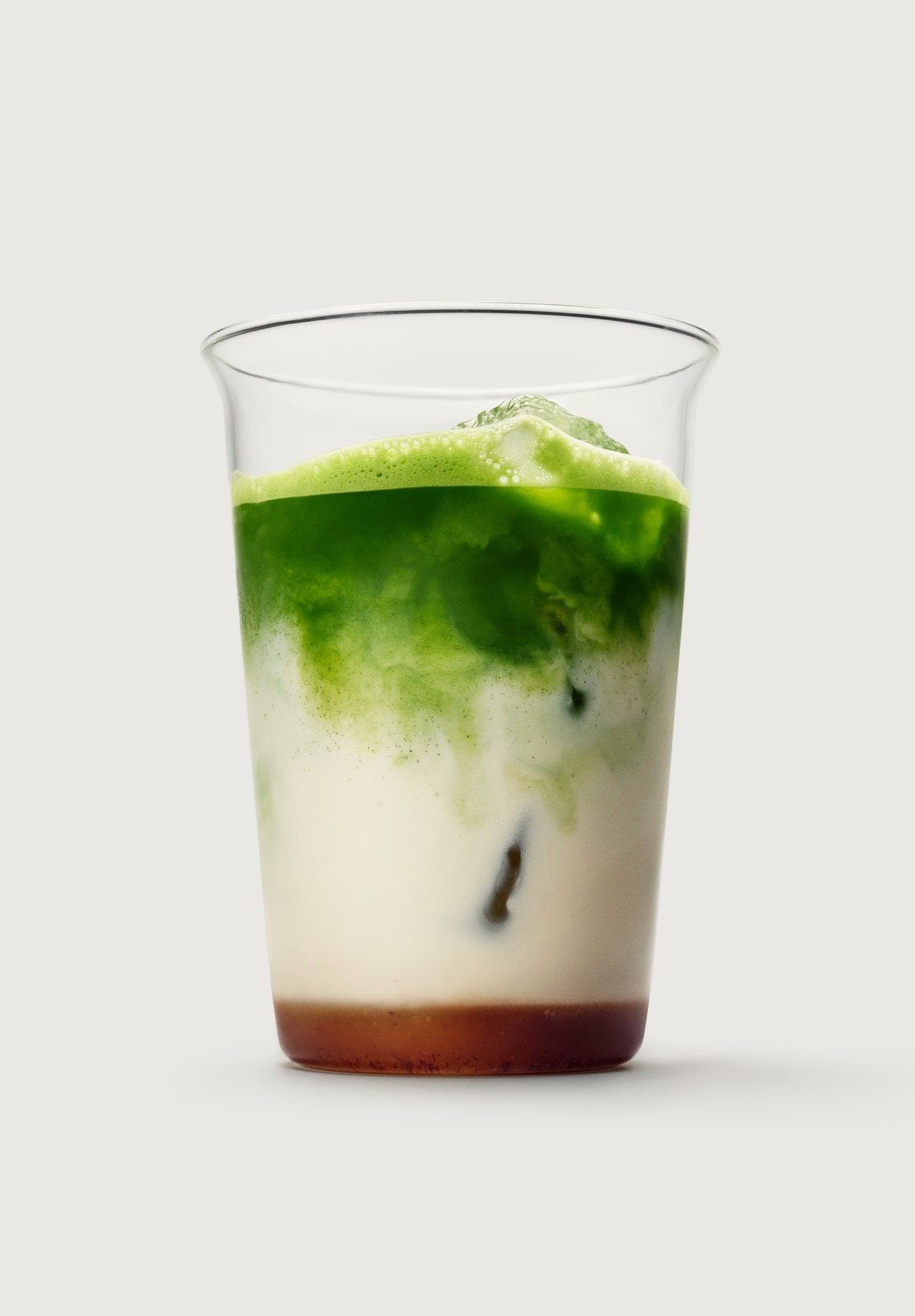
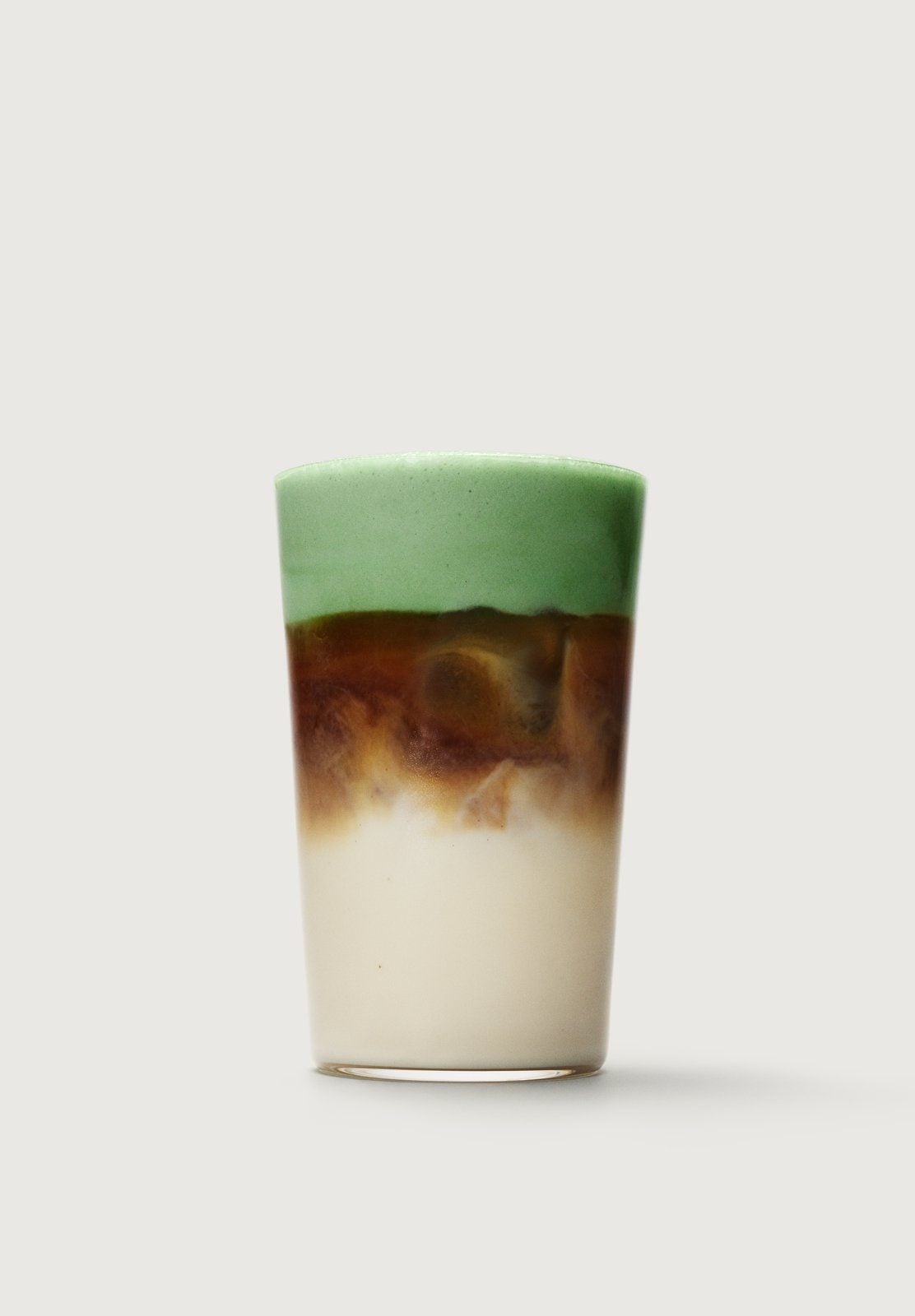
Jujube matcha
For the jujube date syrup (about 10 portions): 25 g pitted jujubes, 200 ml hot water, 100 g rock sugar or white sugar, 1 pinch salt, 1 g Chinese five spice
For the cold brewed matcha: 2 to 3 g matcha, 30 ml cold water, 0.1 g salt, 5 to 10 g agave syrup to taste
For the drink: ice, 150 ml barista oat drink
- Chop the jujubes and soak them in 100 ml hot water for 10 to 15 minutes. Blend and strain.
- Dissolve the sugar in the remaining 100 ml hot water and simmer with the jujube liquid for 2 to 3 minutes. Stir in salt and five spice and chill.
- For the matcha, whisk or shake all ingredients vigorously for 30 seconds.
- Add 20 ml jujube syrup to a glass, add ice and oat drink and top with the matcha.
Dried Chinese red dates (jujubes) are available at almost any Asian supermarket.
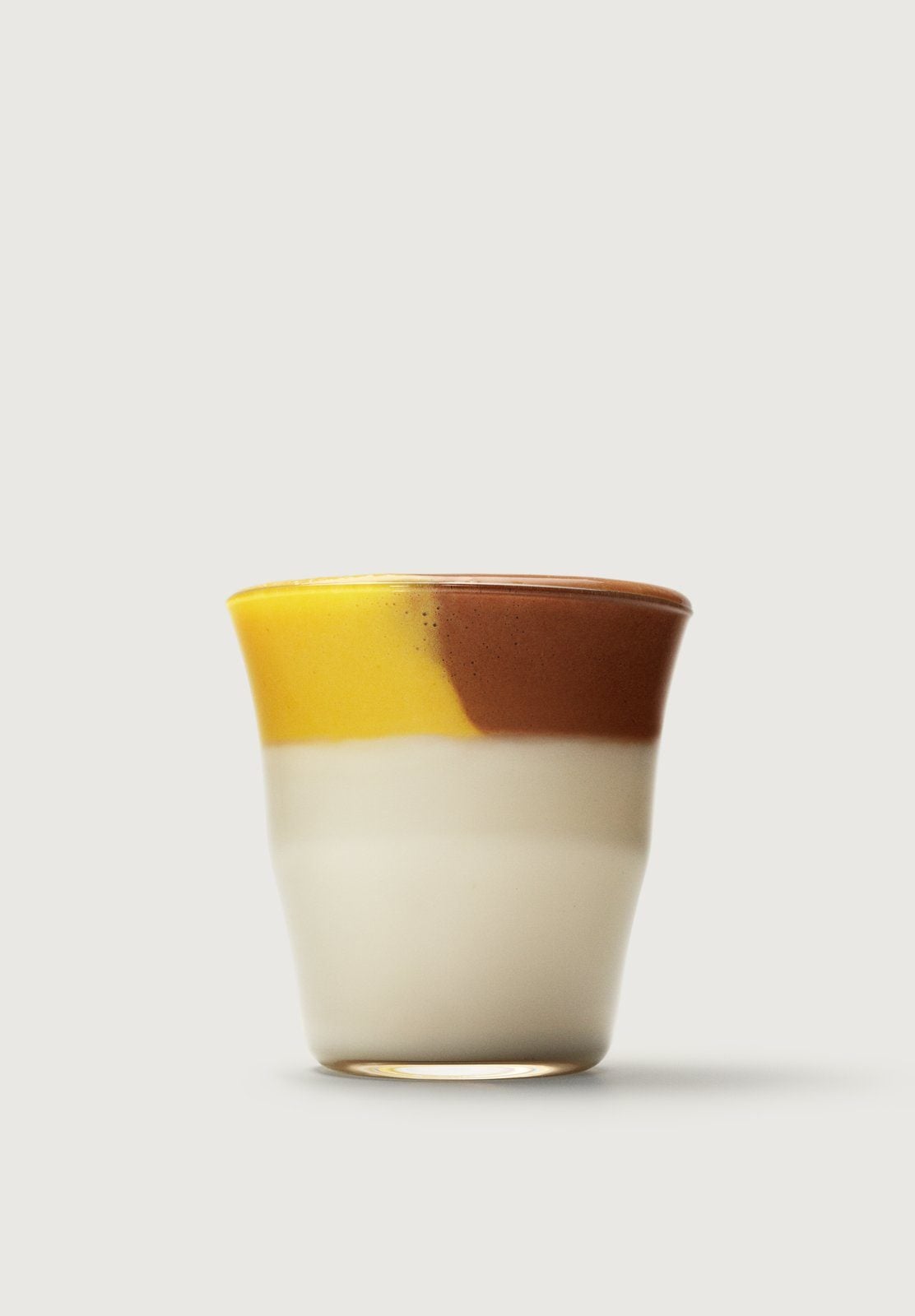
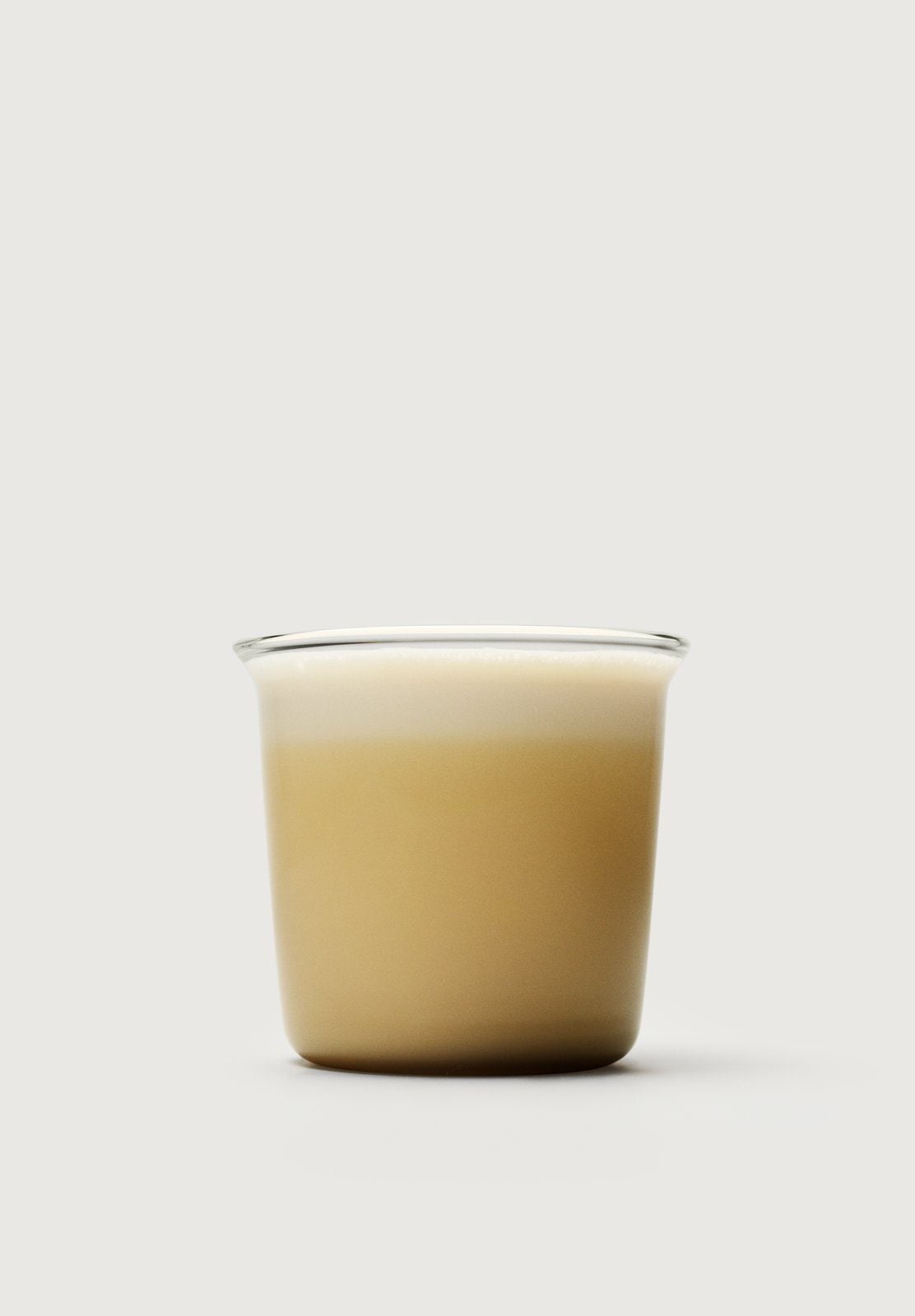
Hot peanut
Ingredients: 10 g smooth peanut butter (dark roasted), 150 ml barista oat drink, 7 g panela or brown sugar
- Mix all ingredients.
- Heat with a steam wand, a milk frother or in a pan.
- Pour into a cup.
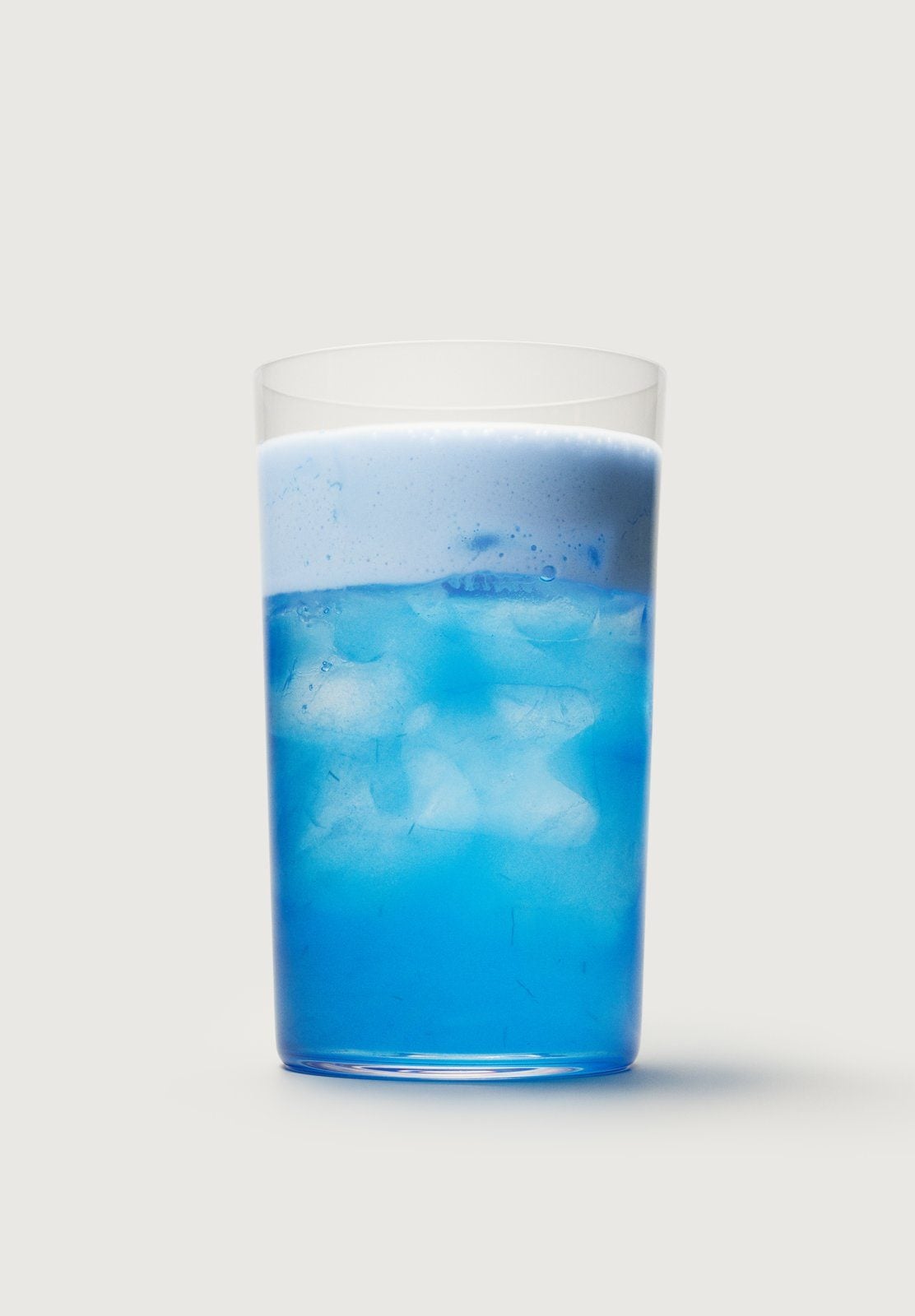
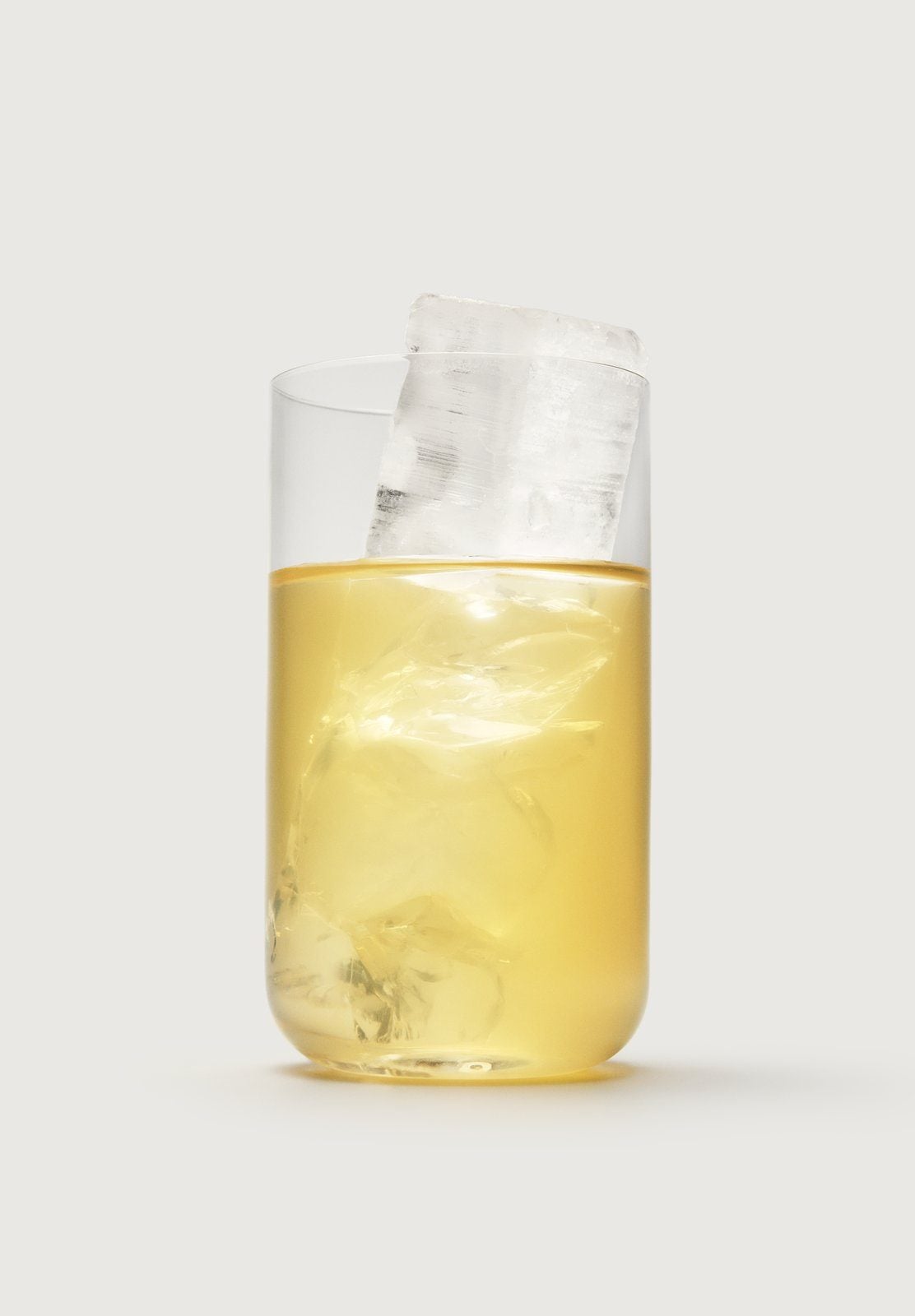
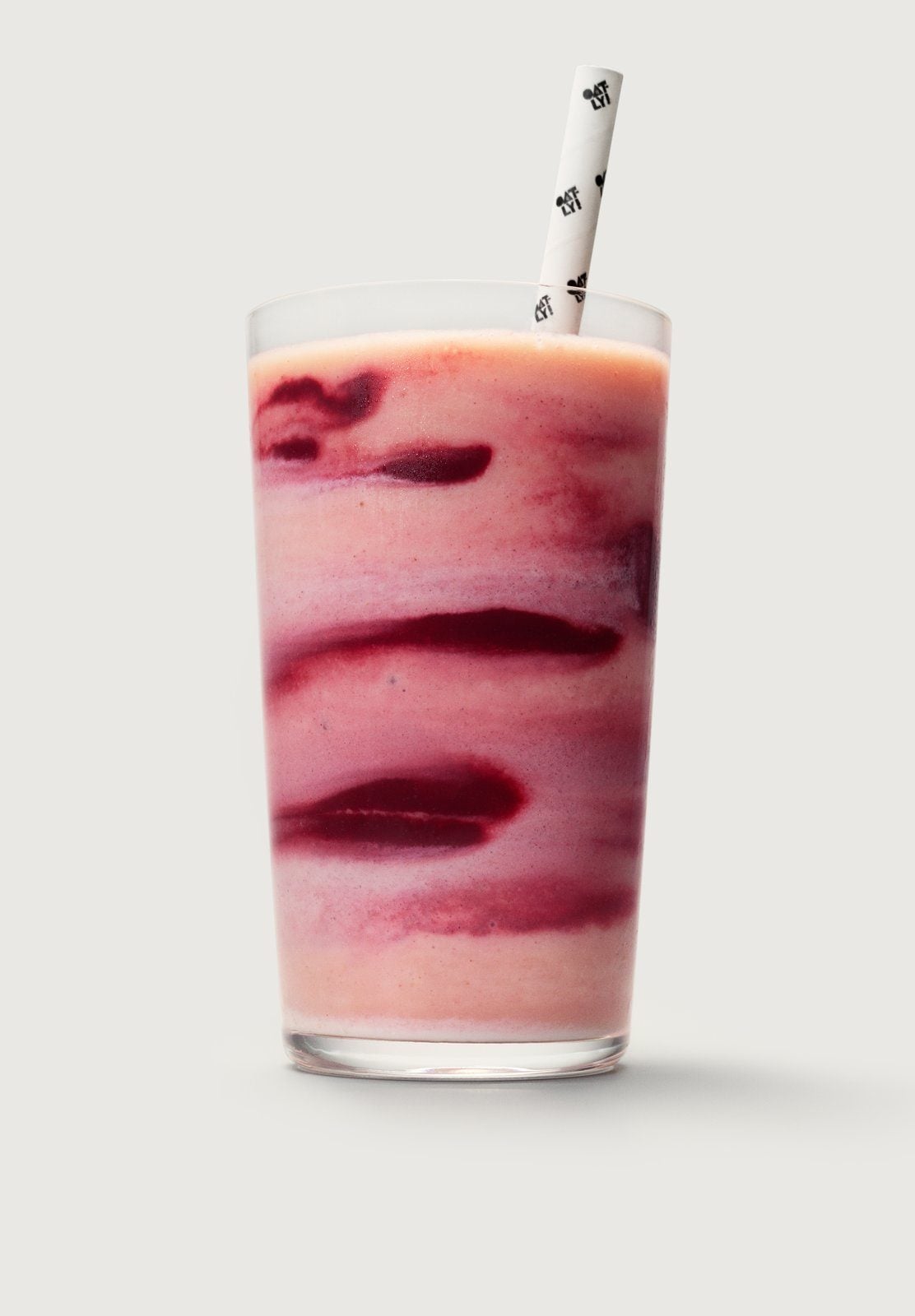
More drinks from the lookbook:
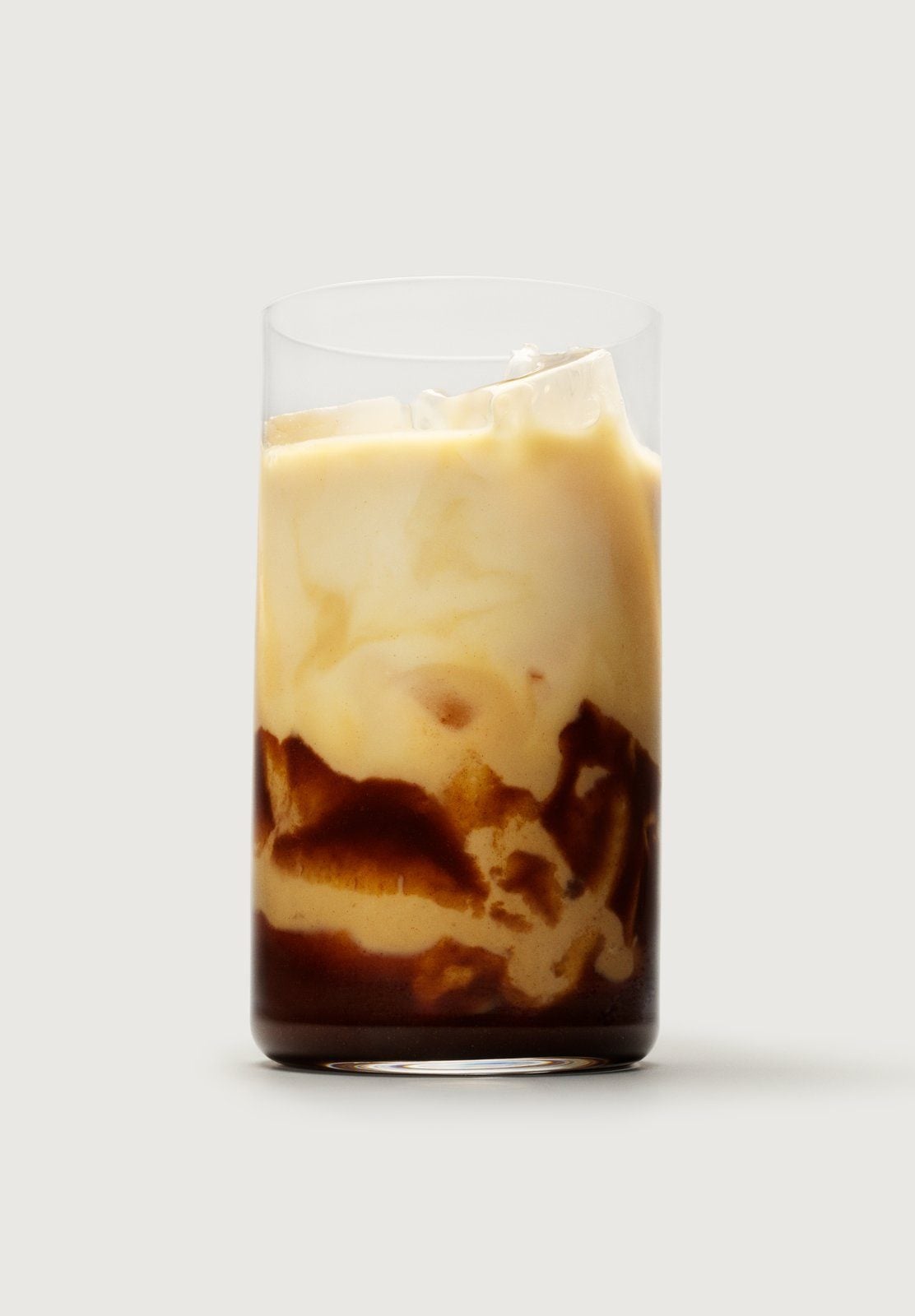
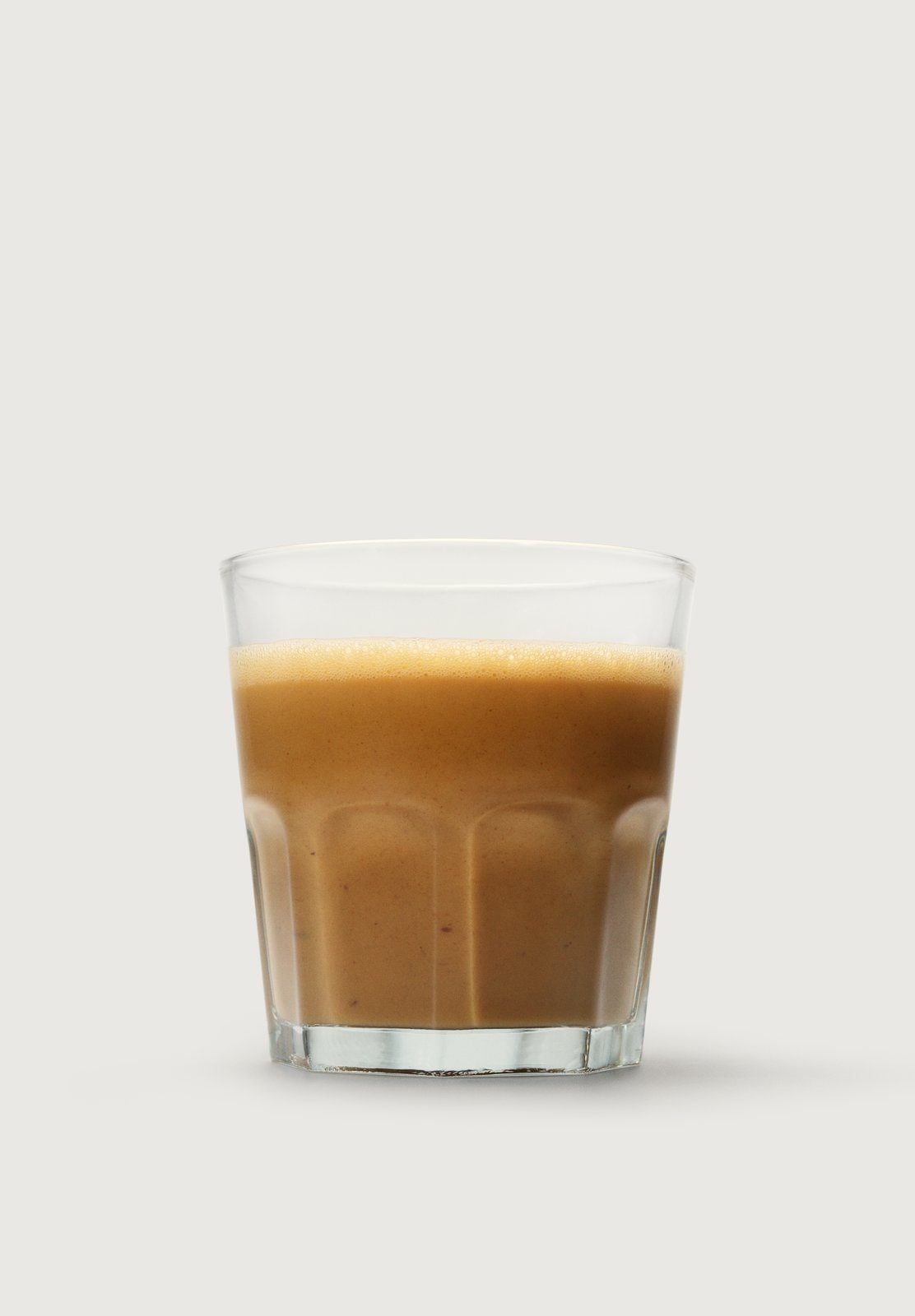
An animal ethics perspective.
The report shows something that matters for animals: in café culture, cow’s milk is no longer the default. US industry analyst Dan Frommer says in the report that dairy is no longer the obvious answer for every kind of creaminess. Every cappuccino with plant milk is one for which no cow has to be made pregnant again and again and give up her calf.
At the same time, the trend towards functional and texture-rich drinks brings new animal ingredients into cafés that many people don’t think about. Collagen and gelatine are by-products of the slaughter industry and make it more profitable. If you want to protect animals, check the milk and also ask about the jelly and the “wellness booster”.
What you can do.
- Ask at the café. Jelly, foam or syrup: ask what it’s made of. It also shows cafés there is demand for vegan options.
- Try it at home. For the recipes above you need a frothable barista oat drink and some matcha for the jujube drink.
- Make your own coffee jelly. With agar, coffee turns into a firm vegan jelly in minutes.
- Join the collagen trend the vegan way. Instead of animal collagen powder, there are plant-based powders such as nutri+ Vegan Collagen Formation Support with amino acids and vitamin C.
- Support local cafés that offer plant milk at no extra charge.
Frequently asked questions.
What is the Future of Taste Report?
A trend analysis by Oatly, published in its second edition in 2026. It is based on over 200 interviews with drinks professionals from 21 countries and trend data from CultureLab. Since Oatly sells oat drinks itself, the report is not an independent study.
Is coffee jelly vegan?
Not necessarily. It is traditionally made with gelatine from animal skin and bones. With agar from seaweed, it can be made vegan.
Is collagen vegan?
Usually not. Collagen is made from the skin, bones and cartilage of cattle, pigs or fish. Products labelled “vegan collagen” usually contain no collagen, and only a few companies make it animal-free through fermentation.
What is ube?
A purple yam from the Philippines. It tastes slightly nutty with a hint of vanilla and turns drinks and desserts bright purple.
Sources ●
Oatly: A Report on the Future of Taste, Vol. 2 (October 2026), press release by Oatly Germany of 23 October 2026, Oatly Look Book Vol. 4. Report, recipes and photos come from Oatly’s press material. We created the header image from five Oatly press photos. This article contains affiliate links. If you buy something through them, we earn a small commission at no extra cost to you.