







Veganuary is a free pledge to eat vegan for the 31 days of January. You sign up at veganuary.com with your name and email address, and for the next 31 days you get daily emails with recipes, meal plans, nutrition tips and a celebrity e-cookbook. Veganuary 2027 runs from January 1 to 31, 2027. It costs nothing, and you can start on any day: the 31 days count from the moment you join.
That is the whole mechanism. What decides whether the month works for you is what you do around it, and that is what this guide is for: a week-by-week plan, a shopping list, eating out, the nutrients worth sorting on day one, the mistakes almost everyone makes, and the honest numbers on how many people are still vegan in February.
How we researched this guide
Participant numbers come straight from Veganuary’s own press releases and campaign reports, checked in September 2026. Nutrition guidance comes from the NHS, the British Dietetic Association, The Vegan Society and the Academy of Nutrition and Dietetics. We have not run a product test for this article, and we name no products as “tested”. Veganuary is a campaigning charity, so its figures come from an interested party; we say where that matters.
Contents11 chapters
- 01Where Veganuary came from, and how big it has got
- 02How to sign up for Veganuary 2027
- 03A week-by-week plan for your vegan January
- 04Veganuary shopping list: the basics
- 05Eating out during Veganuary
- 06Nutrients to watch during Veganuary
- 07Common Veganuary mistakes
- 08What happens after January?
- 09Why animals are at the heart of Veganuary
- 10Veganuary FAQ
- 11Sources
Where Veganuary came from, and how big it has got
Veganuary started as a conversation between a married couple in the UK, Matthew Glover and Jane Land, in late 2013. They ran the first campaign from their bedroom. Jane hoped for 100 people; 3,300 signed up for January 2014. The next year it was 12,800, then 23,000 in 2016. Today Veganuary is a registered charity in England and Wales (no. 1168566).
In 2023, 706,965 people signed up through the website, the last year the headline figure was a sign-up count. Since then Veganuary uses nationally representative online surveys, mostly by YouGov, scaled up to population estimates, arguing that registrations miss everyone who joins in without the mailing list:
- 2024: roughly 25 million people worldwide, with 1.8 million directly supported through emails, videos, the podcast and other resources.
- 2025: about 25.8 million, based on surveys in 11 countries.
- 2026: around 30 million, based on 13,529 adults surveyed by YouGov in 11 countries between January 20 and 29, plus 2,000 US adults polled by Wakefield Research.
The jump from 706,965 to 25 million is mostly a change in how people are counted. Self-reported participation in an online poll is a generous measure: someone who ate vegan for a week might say yes. The fieldwork is documented, but it counts people who say they took part.
What is harder to argue with is the shelf. For January 2026, Veganuary counted at least 1,187 new vegan products and menu items launched worldwide, after 1,480 the year before. Former CEO Ria Rehberg led the campaign for six years and handed over to Wendy Matthews in March 2025. In 2023 she talked to us about that year’s record campaign: read our interview with Ria Rehberg.
How to sign up for Veganuary 2027
Go to veganuary.com and enter your name and email address. That’s it. Veganuary says the programme is “100% free and always will be”, and there is no paid tier you need.
After that you get 31 daily emails with recipes, meal plans and nutrition advice. If you join on January 12, your 31 days run until February 11, and nobody minds.
A small tip: sign up in December. The first emails arrive before your first vegan breakfast, which gives you a few days to shop.
A week-by-week plan for your vegan January
Week 1 (January 1 to 7): breakfast and the milk in your coffee
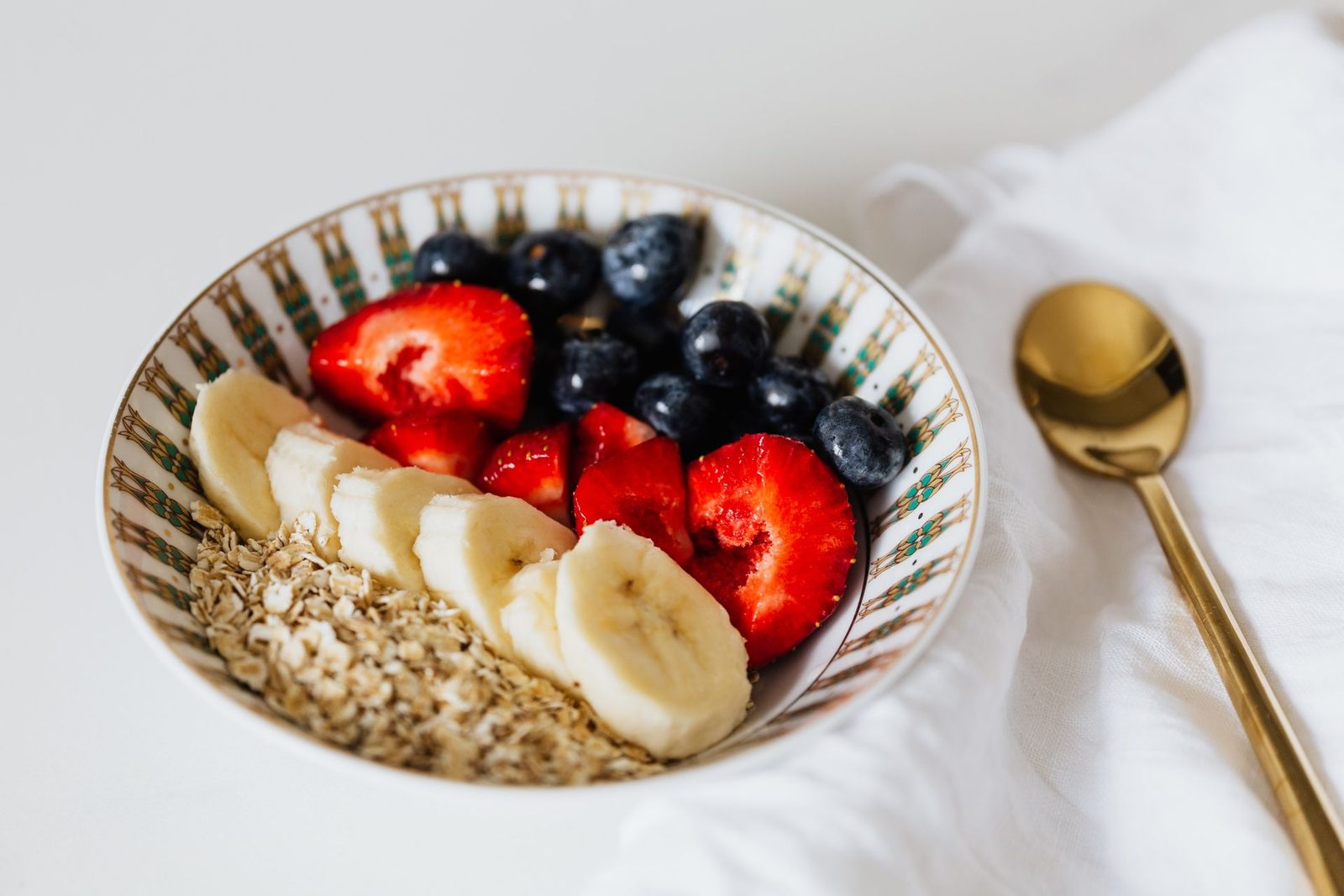
Change the meal you eat on autopilot first: oats with a fortified plant drink and fruit, toast with peanut butter, a tofu scramble on the weekend. Try two or three plant drinks in your coffee; soy and oat behave very differently in a hot cup. Buy a B12 supplement this week and start taking it (more on that below).
Week 2 (January 8 to 14): three dinners you can repeat
Most of us cook the same handful of dinners on rotation. Replace three of them. Chili with beans instead of mince, a red lentil curry, pasta with a tomato and white bean sauce. Cook double and freeze half. Repetition is fine. Nobody needs 31 new recipes.
Week 3 (January 15 to 21): labels, snacks and the office
Week three is where the hidden stuff shows up: whey powder in crisps, gelatin in sweets, egg in fresh pasta, fish sauce in a curry paste. Learn the handful of ingredient names that give animal products away (our guide to hidden animal ingredients lists them), and bookmark our A to Z of “Is it vegan?” checks for the moments you are standing in the aisle. Pack a lunch for the days you know the canteen will be a problem.
Week 4 (January 22 to 31): fill the gaps and decide what stays
Which meals felt easy, which did you miss? Check that B12 is a daily habit and that you have an iodine source. Then decide what February looks like.
Veganuary shopping list: the basics
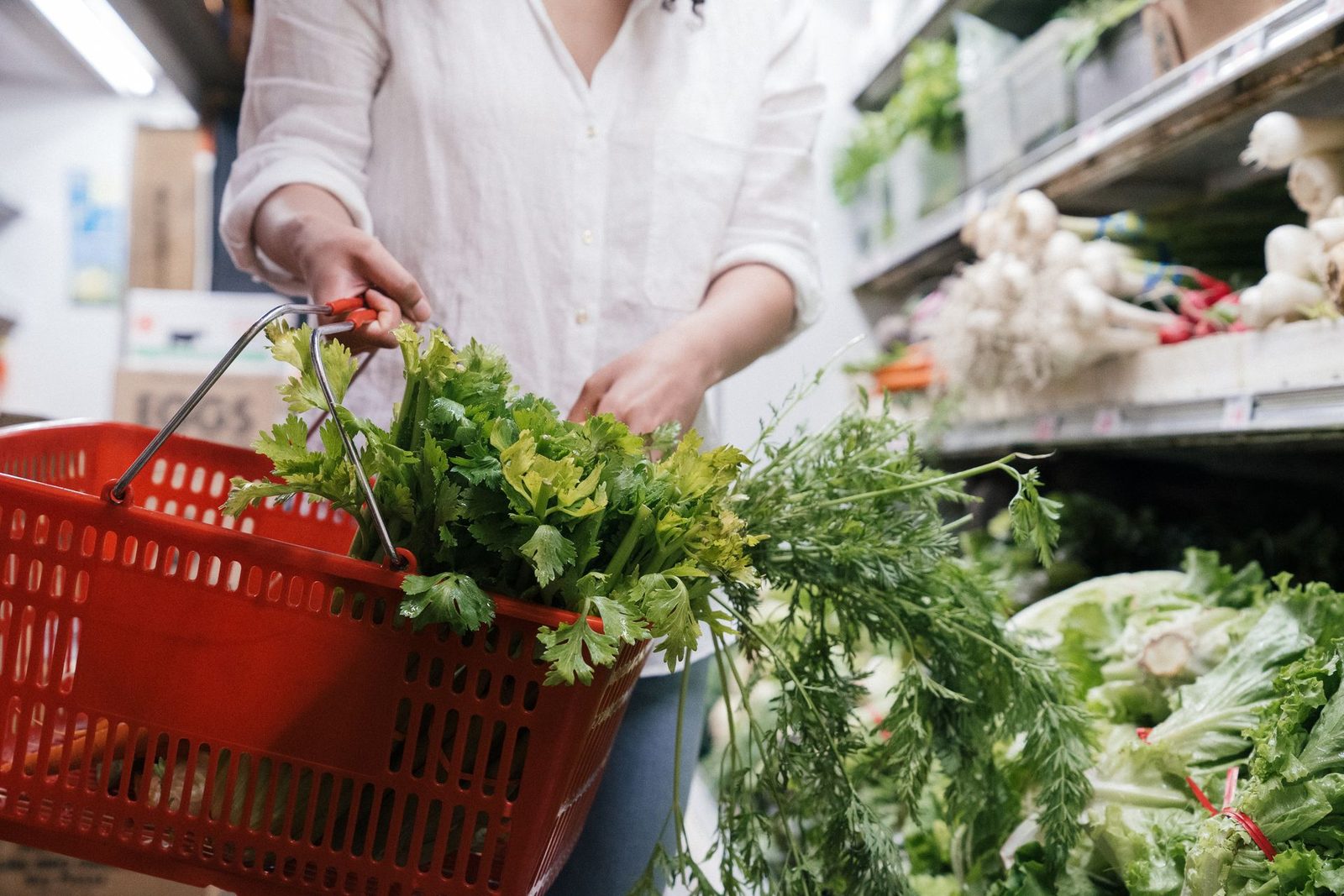
A vegan shop is mostly the same shop with a few swaps. The basics sit in any supermarket on either side of the Atlantic:
- Pulses: tinned chickpeas, kidney and black beans, red lentils, frozen edamame
- Tofu and tempeh, ideally calcium-set tofu (it says so in the ingredients, often as calcium sulfate)
- A fortified plant drink with B12, calcium and, if you can find it, iodine. Check the label; organic versions are often unfortified.
- Whole grains: oats, wholemeal bread, brown rice, wholewheat pasta
- Nuts and seeds: walnuts, ground linseed (flax), chia and hemp seeds, peanut butter, tahini
- Frozen vegetables and fruit, for the evenings you can’t be bothered
- Flavour: soy sauce, miso, nutritional yeast, a stock cube without milk powder
- Hummus, the fridge staple that saves lunch. Does hummus have dairy? Usually not, with a few exceptions.
In the UK the discounters have leaned in. Lidl GB announced in 2024 that it would more than triple its plant-based range, with a national roll-out by January 2025 (its own label is called Vemondo), and Aldi UK has launched new items in its Plant Menu line for Veganuary. Look for an explicit vegan label on own-brand ranges, since “meat-free” and “vegetarian” can still mean egg or milk.
Ready-made burgers are handy in week one; if they become every meal, read our piece on plant-based meat and ultra-processing. Worried about budget? Beans, lentils, oats and frozen veg are among the cheapest foods in any shop, and here are five tips for cheap vegan food.
Eating out during Veganuary
Check the menu online before you go. Plenty of chains now mark vegan dishes, and the January launches mean the options are at their widest that month.
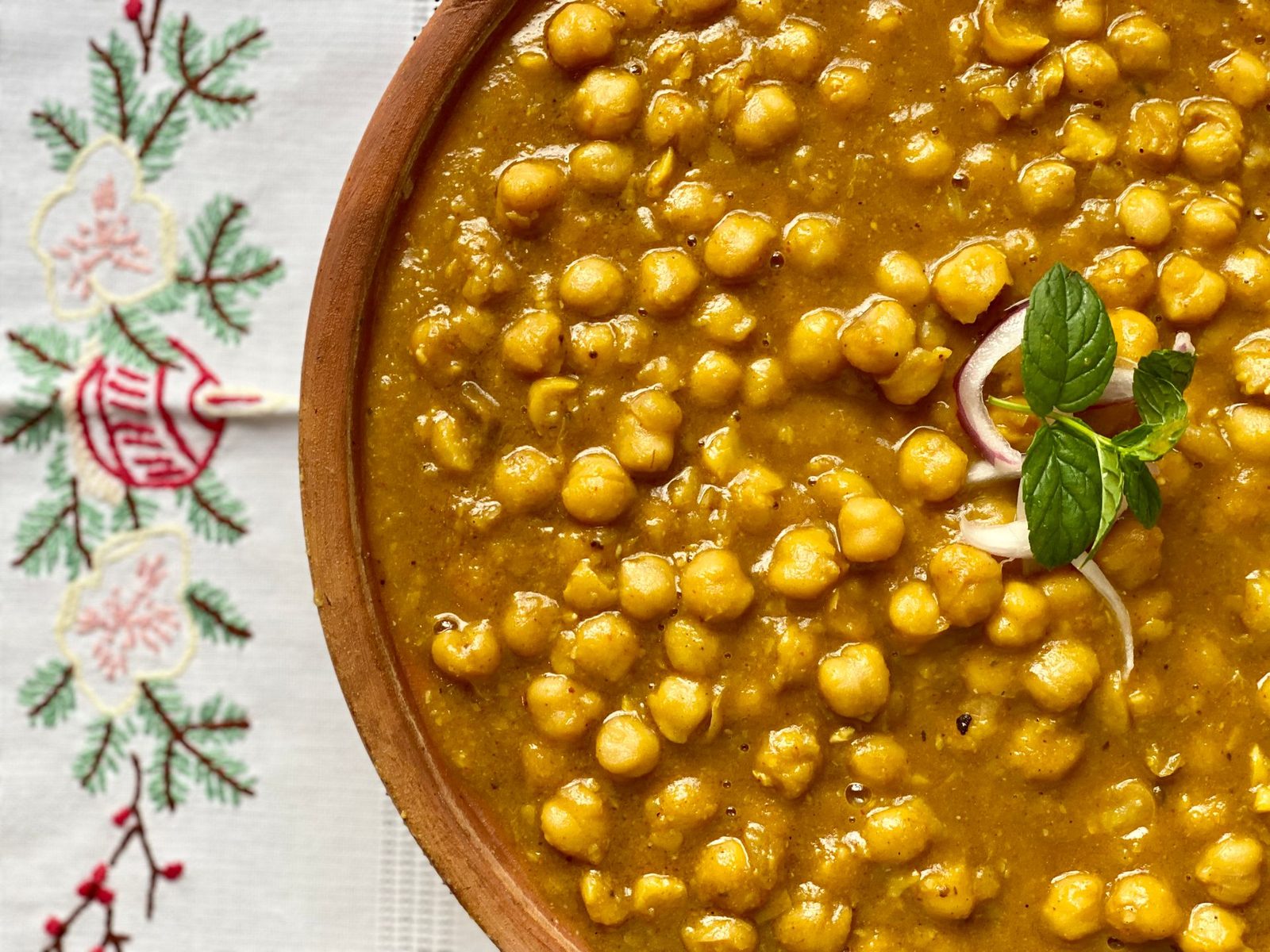
When a menu has nothing marked, some cuisines make it easy: Middle Eastern (falafel, hummus, tabbouleh), Indian (dal, chana masala, aloo gobi), Ethiopian (lentil and vegetable stews on injera), Mexican (bean burritos without cheese and sour cream). Each has a catch you should ask about: ghee in Indian cooking, spiced butter in Ethiopian stews, lard in refried beans, fish sauce in Thai curries.
Ask plainly: “Is there butter, egg, milk or meat stock in this?” Being specific gets better answers than asking whether something is “vegan”.
Nutrients to watch during Veganuary
The Academy of Nutrition and Dietetics concluded in its 2016 position paper that appropriately planned vegetarian diets, vegan included, are healthful and nutritionally adequate. The British Dietetic Association says carefully planned plant-based diets can support healthy living at every age and life stage. “Planned” is the working word. Here is what the official guidance says to plan for.
Vitamin B12
The one you can’t skip. A plant-based diet does not reliably supply B12, and spirulina, nori or tempeh don’t fix that. The Vegan Society recommends one of three routes: fortified foods two or three times a day for at least 3 micrograms a day, a daily supplement of at least 10 micrograms, or a weekly supplement of at least 2,000 micrograms. For comparison, the US recommended intake for adults is 2.4 micrograms a day. Pick one route and start in week one.
Iodine
Adults need 140 micrograms of iodine a day, according to the NHS. In many diets it comes from dairy and fish, so vegans should look at fortified plant drinks or a supplement. Seaweed is an unreliable and sometimes excessive source: the British Dietetic Association advises eating sea vegetables no more than once a week. Talk to a doctor or pharmacist before taking a supplement if you have a thyroid condition.
Omega-3
Walnuts, ground linseed, chia and hemp seeds and rapeseed oil provide plant omega-3, which the body can convert into the long-chain forms. The BDA notes that algae-based omega-3 supplements are available and suitable for vegans.
Iron
The NHS lists pulses, wholemeal bread, fortified cereals, dark green leafy vegetables, nuts and dried fruit. Iron from plants is absorbed less well than iron from meat; eating it with something rich in vitamin C, like peppers or a glass of orange juice, helps absorption.
Calcium
The BDA puts adult needs at around 700 milligrams a day. Good sources: calcium-set tofu, fortified plant drinks and yoghurts, kale, almonds, sesame seeds and tahini, figs, tempeh.
Protein and vitamin D
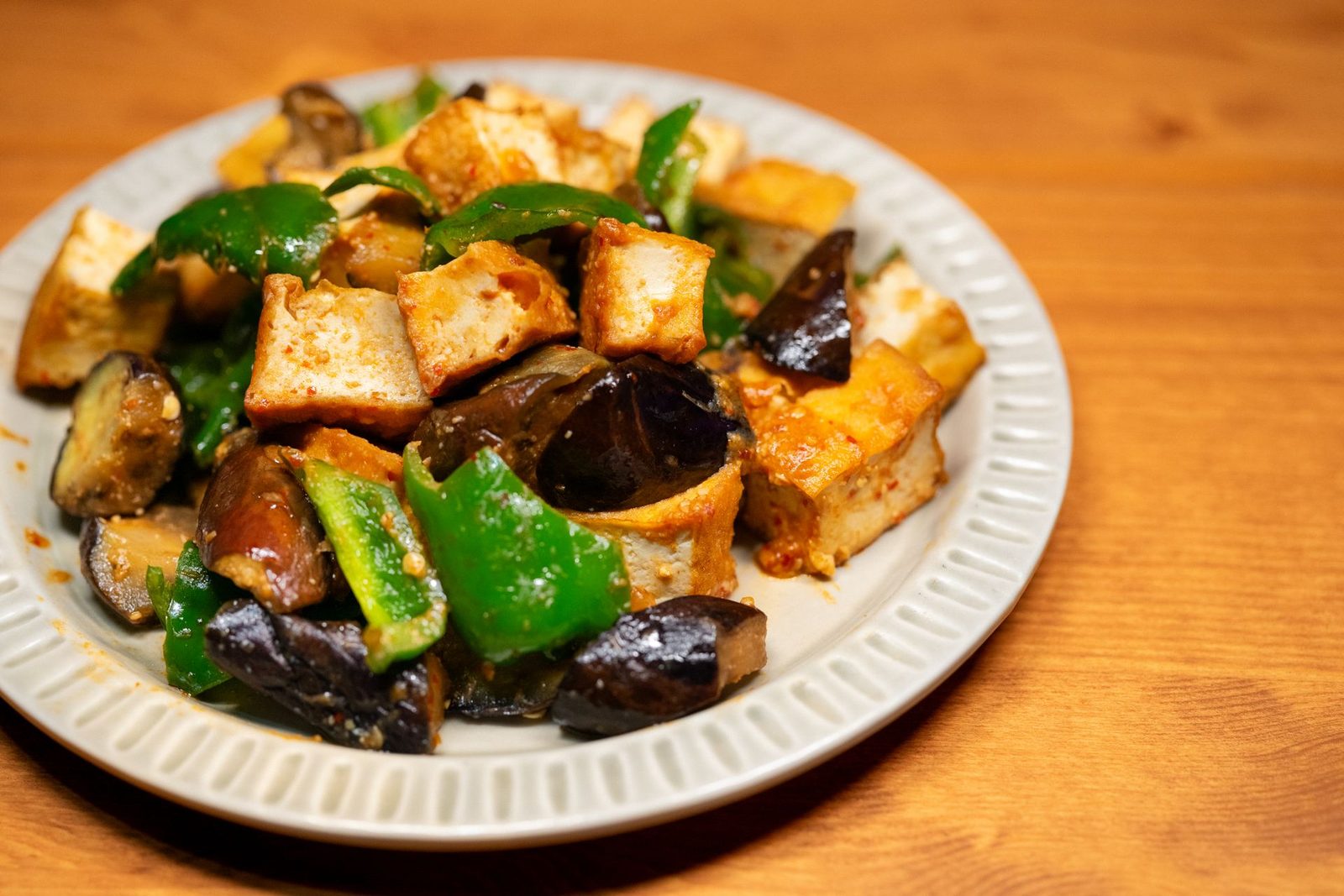
“You can easily meet protein needs by eating protein-rich foods,” says the BDA. Put beans, lentils, tofu, tempeh, seitan or soy milk into most meals and you are there. For vitamin D the NHS advises everyone in the UK, vegan or not, to consider a daily supplement in autumn and winter, which covers the whole of January. Many D3 supplements are made from sheep’s wool, so check the source: is vitamin D3 vegan?
If you are pregnant, breastfeeding, planning Veganuary for a child, or live with a medical condition, talk to your doctor or a registered dietitian before you change your diet. This guide is general information and does not replace individual advice.
Common Veganuary mistakes
Eating too little. Vegetables, beans and whole grains fill you up with fewer calories. If you swap the meat out and add nothing, you’ll be hungry by 4 pm and blame veganism. Add a portion of beans, a handful of nuts, more olive oil.
Treating B12 as optional because it’s only a month. Honestly, a month without B12 is unlikely to cause problems; The Vegan Society notes that deficiency symptoms usually take five years or more to develop in adults. Start anyway. The point of January is building the habits you keep in February.
Living on substitutes. Fine for the first week. After that you are spending a lot to eat a copy of your old diet. The cooking skills are what stick.
Seeing a slip-up as the end. Veganuary itself tells participants not to worry about mistakes. Accidentally ate a biscuit with milk powder in it? Read the label next time and carry on.
Doing it alone. Sign someone up with you, a partner, a flatmate, a colleague. Veganuary also runs a workplace challenge; 276 organisations took part in 2026.
What happens after January?
Veganuary surveys the people who got its 31-day emails. In the 2026 end-of-month survey (7,319 responses), 32 percent of those who were not vegan before January said they planned to stay vegan, and 79 percent said they planned to at least halve their intake of animal products.
The more telling figure comes later. For the 2025 six-month follow-up, Veganuary emailed 237,346 participants; 2,115 replied, fewer than one in a hundred. Of those, 32 percent said they were still eating fully vegan six months on.
Two caveats. People who stayed vegan are more likely to answer a Veganuary survey six months later than people who quietly went back to cheese, and the survey is published by the organisation running the campaign. So read 32 percent as an upper bound for the email crowd, and a real signal all the same: a sizeable group of people stick with it well past January.
For me the most useful February is a plain one. I’ve been vegetarian since I was six and vegan for more than ten years, and what kept it going was never a pledge. It was a fridge with food in it I liked cooking.
Why animals are at the heart of Veganuary
Most January coverage is about bodies: energy, skin, weight, gut. Those stories sell the month. They leave out the ones who pay for the other eleven.
In 2022, 83 billion land animals were slaughtered for meat worldwide, according to FAO data compiled by Our World in Data. The vast majority were chickens. The figure excludes fish and the male chicks killed in the egg industry. Around three quarters of land livestock live on factory farms, Our World in Data estimates; in the US it is 99 percent.
These animals feel what happens to them. In the New York Declaration on Animal Consciousness (2024), a large group of scientists stated that there is strong scientific support for conscious experience in mammals and birds, and at least a realistic possibility in all vertebrates and many invertebrates. EU law (Article 13 of the Treaty on the Functioning of the European Union) calls animals sentient beings. The UK wrote it into the Animal Welfare (Sentience) Act 2022.
Set against that, the reasons for eating animals mostly come down to taste and habit. For us, the case for leaving them off the plate does not depend on any nutrition study. It would hold even if every health question were settled in favour of meat.
And it goes past dinner. Dairy depends on cows being made pregnant again and again, with calves taken away. Egg production kills male chicks. Leather, wool, down and animal testing ask the same question in other forms. Veganuary is a food campaign, and a good one; the animals are why it exists.
Want to go further? Our list of the best vegan documentaries is a good place to start, and so is our interview with activist Seb Alex.
Veganuary FAQ
When is Veganuary 2027?
January 1 to 31, 2027. You can sign up before or during January, and your 31 days of emails start when you join.
Is Veganuary free?
Yes. Sign-up needs only your name and email, and the daily emails, meal plans and e-cookbook cost nothing. Veganuary is a registered charity.
Can I start Veganuary late?
Yes. Your 31 days begin when you sign up, so a start on January 10 simply runs into February.
Do I need supplements for just one month?
B12 from a supplement or fortified foods is the one thing every vegan needs long term, so start in January. The NHS advises everyone in the UK to consider vitamin D in autumn and winter. For iodine, use fortified foods or ask a pharmacist.
What if I slip up?
Carry on. Veganuary’s own advice is not to worry about mistakes. One slip does not undo 20 vegan days.
Is Veganuary only about food?
The pledge is about what you eat. Veganism as a whole also covers clothing, cosmetics and other products made from or tested on animals, which many participants start looking at once the food feels easy.
Sources
- Veganuary: What is Veganuary? (sign-up, emails, free programme)
- Veganuary: A look behind the scenes (founders, sign-ups 2014 to 2016), September 15, 2016
- Veganuary: Veganuary 2023 breaks all records, February 2, 2023
- Veganuary: How many people took part in Veganuary 2025? The results explained, February 3, 2025
- Veganuary: Veganuary 2024 results, Veganuary 2025 results, Veganuary 2026 results (February 4, 2026)
- Veganuary: 2026 participant survey, April 20, 2026; 2025 six-month survey, September 17, 2025
- Veganuary: 2026 campaign review, March 10, 2026; CEO reflects on final year, March 10, 2025
- Melina V, Craig W, Levin S: Position of the Academy of Nutrition and Dietetics: Vegetarian Diets. Journal of the Academy of Nutrition and Dietetics 116(12), 1970 to 1980, 2016. doi:10.1016/j.jand.2016.09.025
- British Dietetic Association: Plant-based diet food fact sheet
- NHS: The vegan diet and Iodine
- The Vegan Society: What every vegan should know about vitamin B12
- Lidl GB: Lidl GB triples plant-based range, 2024; Aldi UK press office: Veganuary range launch
- Our World in Data: More than 80 billion land animals are slaughtered for meat every year, May 31, 2024; How many animals are factory-farmed?, Hannah Ritchie, September 25, 2023
- The New York Declaration on Animal Consciousness, April 19, 2024
Transparency and method
All participant figures come from Veganuary’s own publications, retrieved in September 2026. Veganuary is a campaigning charity and therefore an interested party; since 2024 its headline figures are extrapolations from self-reported online surveys and cannot be compared one to one with the sign-up counts of earlier years. The surveys on staying vegan only reach people who received Veganuary’s emails and chose to reply. Nutrition information follows the NHS, the British Dietetic Association, The Vegan Society and the Academy of Nutrition and Dietetics and is general information, not medical advice. This article contains no product test and no affiliate links.
Images: ready made (featured image), Kaboompics, Mike Jones, Muhammad Khawar Nazir, Gu Ko, all via Pexels. Symbolic images.