







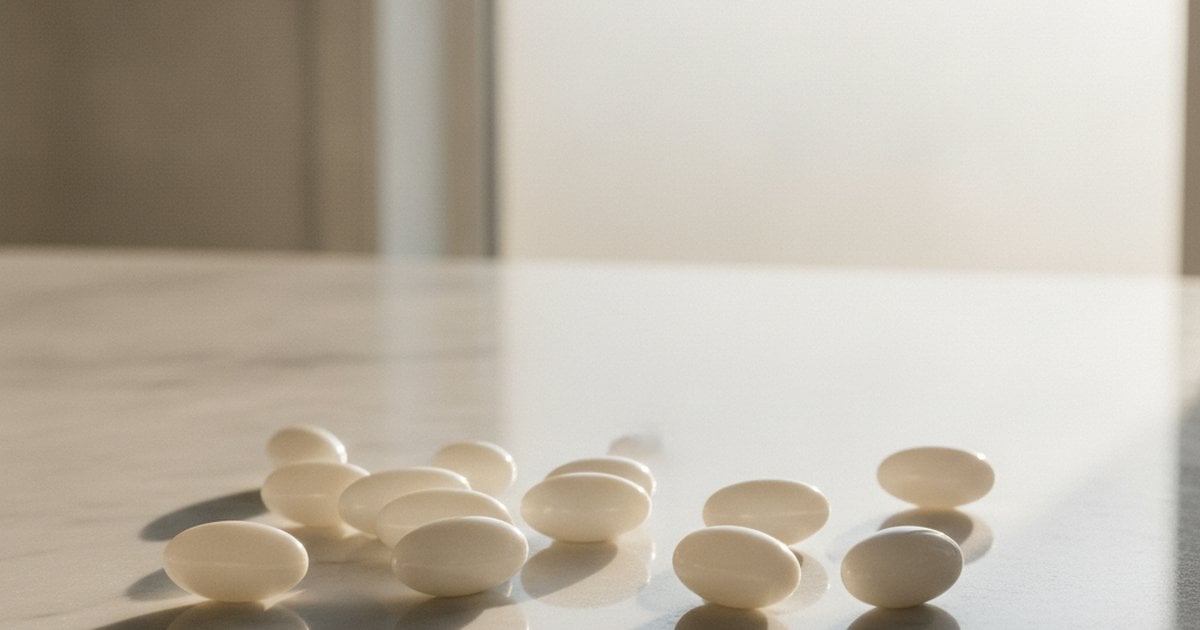
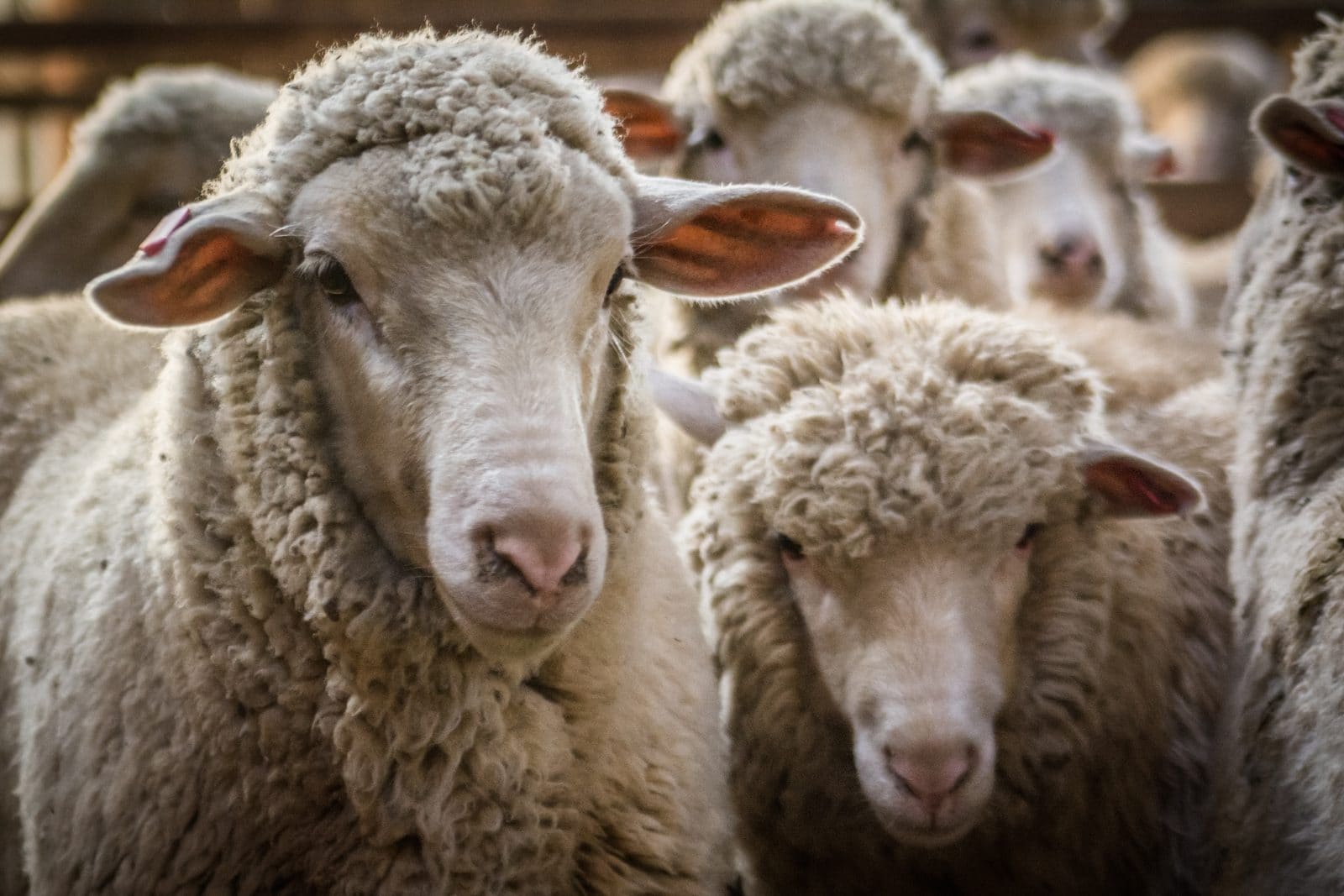
Vitamin D is the one nutrient nearly every vegan is told to supplement, which makes it a nasty irony that the most common form, D3, usually isn’t vegan at all. Ask “is vitamin D3 vegan,” and the standard answer is no: most of it is made from lanolin, the waxy grease squeezed out of sheep’s wool.
There is a vegan D3, and it’s just as effective. It comes from an unlikely place: lichen. Here’s how to make sure you’re getting that one.
Usually not vegan. Standard vitamin D3 (cholecalciferol) is made from lanolin, the grease from sheep’s wool, and sometimes from fish oil. A vegan D3 made from lichen exists and works the same way. Vitamin D2 (ergocalciferol) is always vegan but generally less potent. Look for “vegan D3” or “lichen-derived” on the label.
Last checked: July 2026
Contents6 chapters
Why standard D3 isn’t vegan
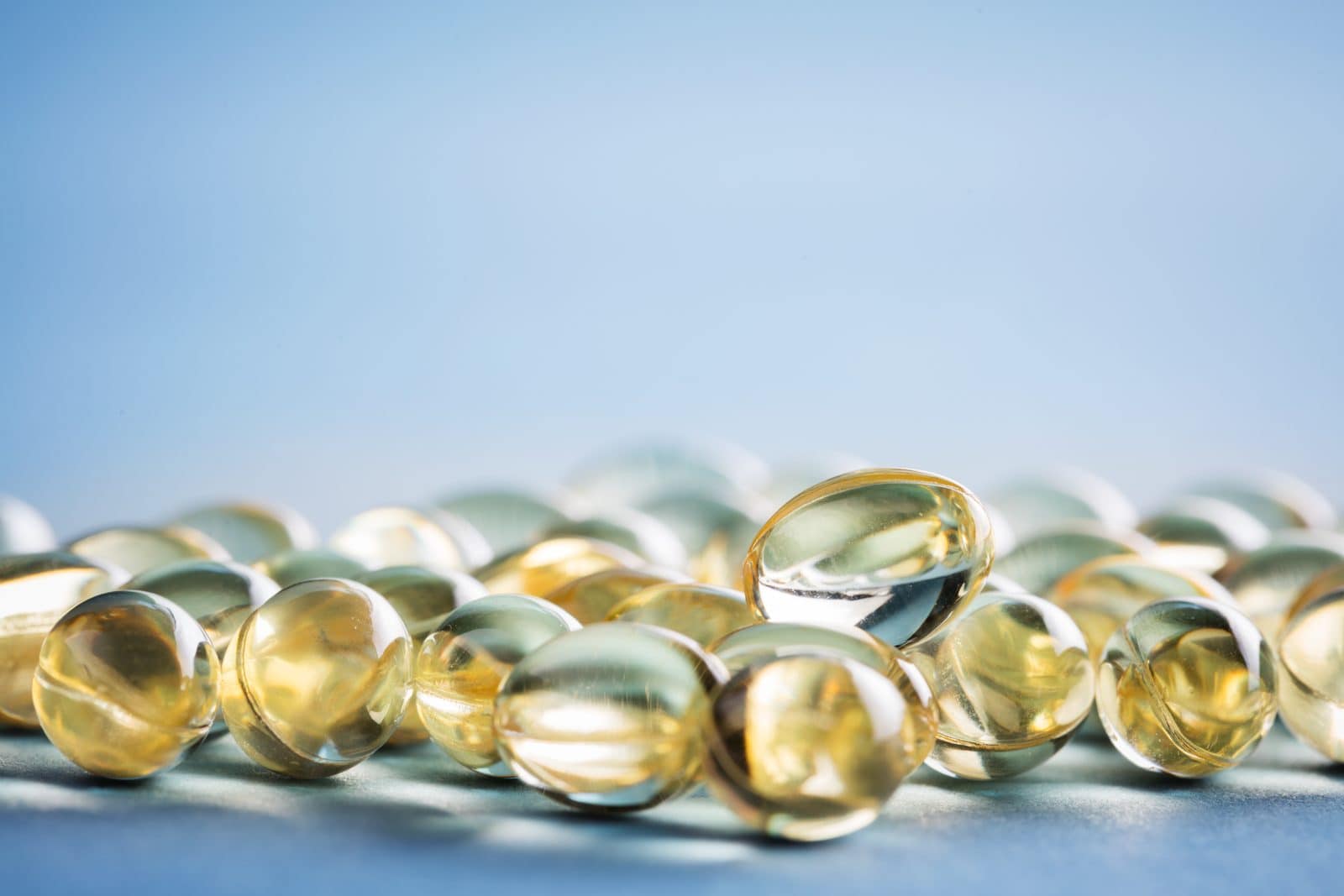
There are two main forms of supplemental vitamin D. D2 (ergocalciferol) is made from fungi and is always vegan. D3 (cholecalciferol) is the form the body uses most efficiently, and it’s what most supplements and fortified foods use. The catch is how D3 is made.
The standard industrial route starts with lanolin, the oily wax that coats sheep’s wool. A compound in it (7-dehydrocholesterol) is extracted and hit with UV light to become D3. Some D3 is also derived from fish oil. Either way, animal-sourced, so not vegan. Because D3 in fortified plant milks, cereals and most supplements is typically the lanolin kind, a lot of “accidentally non-vegan” sneaks in through the fortification, not the obvious ingredients.
The lichen version
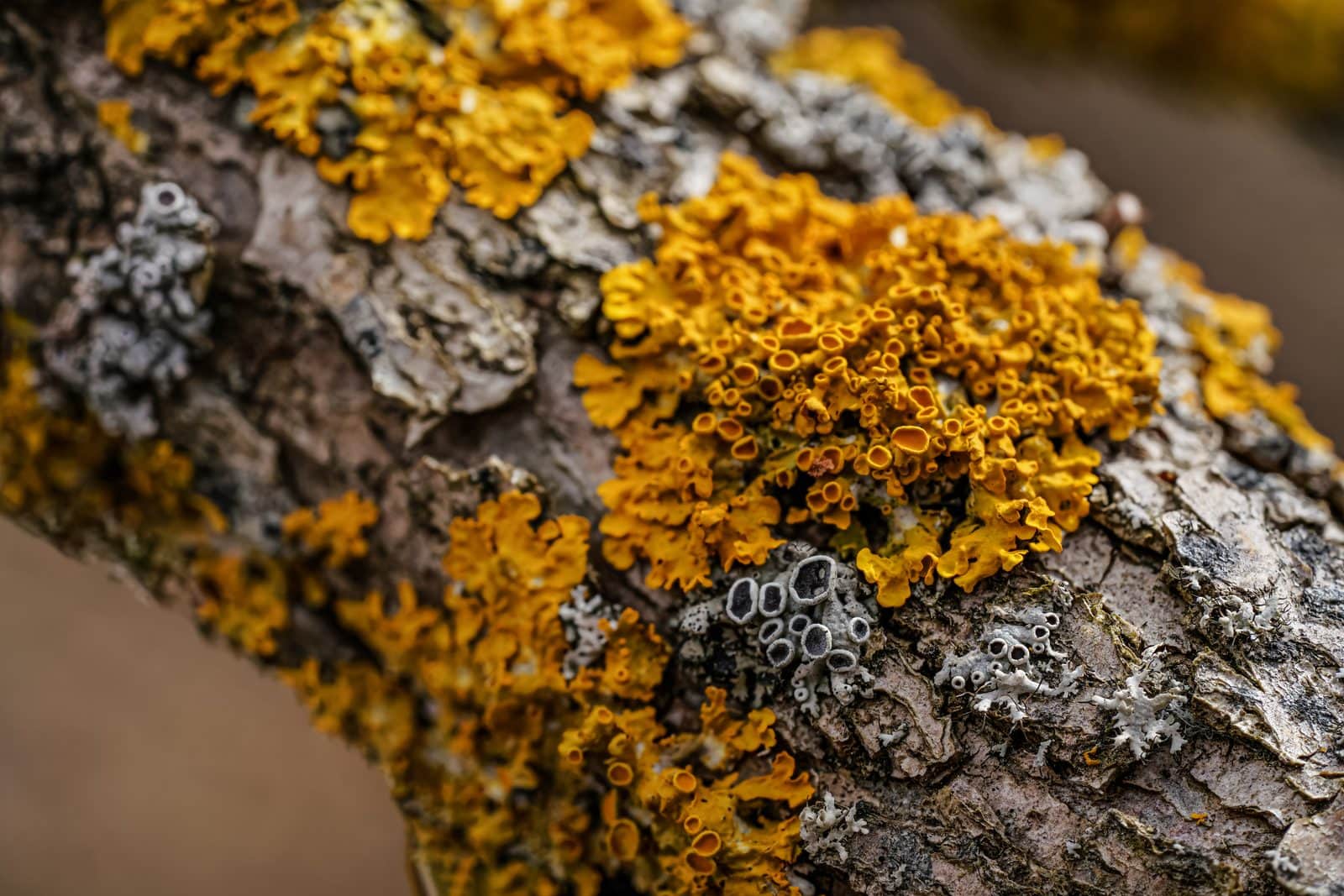
The vegan answer is lichen, a symbiotic organism of fungi and algae that naturally produces D3. Supplement makers now grow and extract lichen-derived D3, giving you the more usable D3 form without the sheep. It’s identical in function; the only difference is the source and usually a slightly higher price.
How to read the label, tap to expand
“Vitamin D3” or “cholecalciferol” with no source stated
“Vegan D3,” “lichen-derived,” or “plant D3”
“Vitamin D2” or “ergocalciferol”
D3 in a fortified food (plant milk, cereal)
Fact or fiction?
Standard D3 comes from sheep’s wool. Fact or fiction?
There is no vegan form of D3. Fact or fiction?
D2 is always vegan. Fact or fiction?
Quiz: how well do you know vitamin D?
Five questions, no cheating
1. What is standard D3 usually made from?
2. What’s the vegan source of D3?
3. Which form is always vegan?
4. What’s the label word to look for?
5. Is D3 in fortified plant milk automatically vegan?
document.addEventListener(“click”,function(e){var b=e.target.closest(“.tivq button”);if(!b||b.disabled)return;var q=b.closest(“.tivq-q”),z=b.closest(“.tivq”),ok=b.hasAttribute(“data-ok”);q.querySelectorAll(“button”).forEach(function(x){x.disabled=!0;if(x.hasAttribute(“data-ok”))x.classList.add(“tiv-ok”)});if(!ok)b.classList.add(“tiv-no”);z.dataset.d=(+z.dataset.d||0)+1;z.dataset.s=(+z.dataset.s||0)+(ok?1:0);if(+z.dataset.d===z.querySelectorAll(“.tivq-q”).length){var r=z.querySelector(“.tivq-res”);r.style.display=”block”;r.textContent=”Your score: “+z.dataset.s+” of “+z.dataset.d+”. “+(+z.dataset.s>=4?”Supplement-aisle expert.”:+z.dataset.s>=2?”Solid. Scroll back up for the rest.”:”Worth another read.”)}});
So, is vitamin D3 vegan in 2026?
Usually not, but you don’t have to settle. Standard D3 is lanolin from sheep’s wool; the vegan swap is lichen-derived D3, which is easy to find and works the same. If a supplement or fortified food just says “D3” with no source, treat it as animal-derived and look for the “vegan” or “lichen” wording instead. It’s one of the few supplements genuinely worth taking on a plant-based diet, so it’s worth getting the right one.
More vegan ingredient checks:
- Is glucosamine vegan? The shellfish supplement with a fermented swap
- Is L-cysteine vegan? The bread additive from hair and feathers
- Is lecithin vegan? Usually fine, sometimes egg