






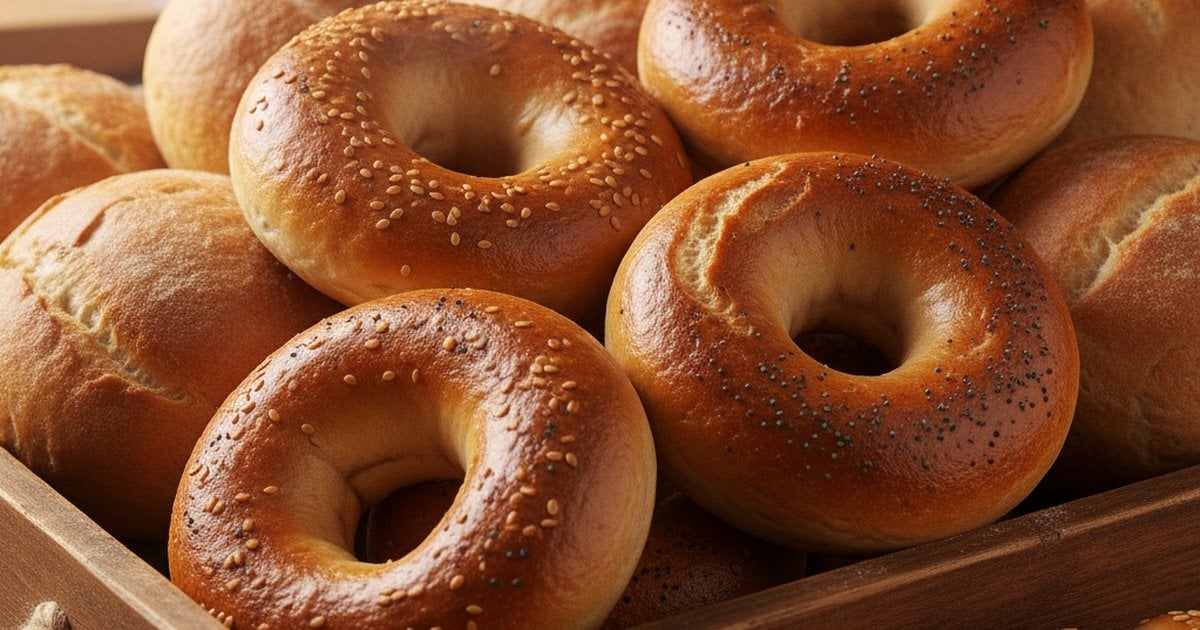
Here’s a fact that puts people off their sandwich: L-cysteine, the dough conditioner labelled E920 in a lot of mass-produced bread, bagels and pizza dough, is most often made from human hair and duck feathers. So when someone asks “is L-cysteine vegan,” the honest answer is usually no, and the how is worse than the what.
The good news is that a plant-based version exists, and once you know the label words to look for, avoiding the grim kind is easy.
Usually not vegan. Around 90% of the world’s L-cysteine (E920) is made from keratin, sourced from human hair, duck and goose feathers, or hog bristles. A plant-fermentation version made from corn or molasses exists but is a small share of the market. Only L-cysteine labelled “plant-derived,” “vegetable,” or “fermentation-based,” or a product certified vegan, is safe.
Last checked: July 2026
Contents6 chapters
What L-cysteine is and where it hides
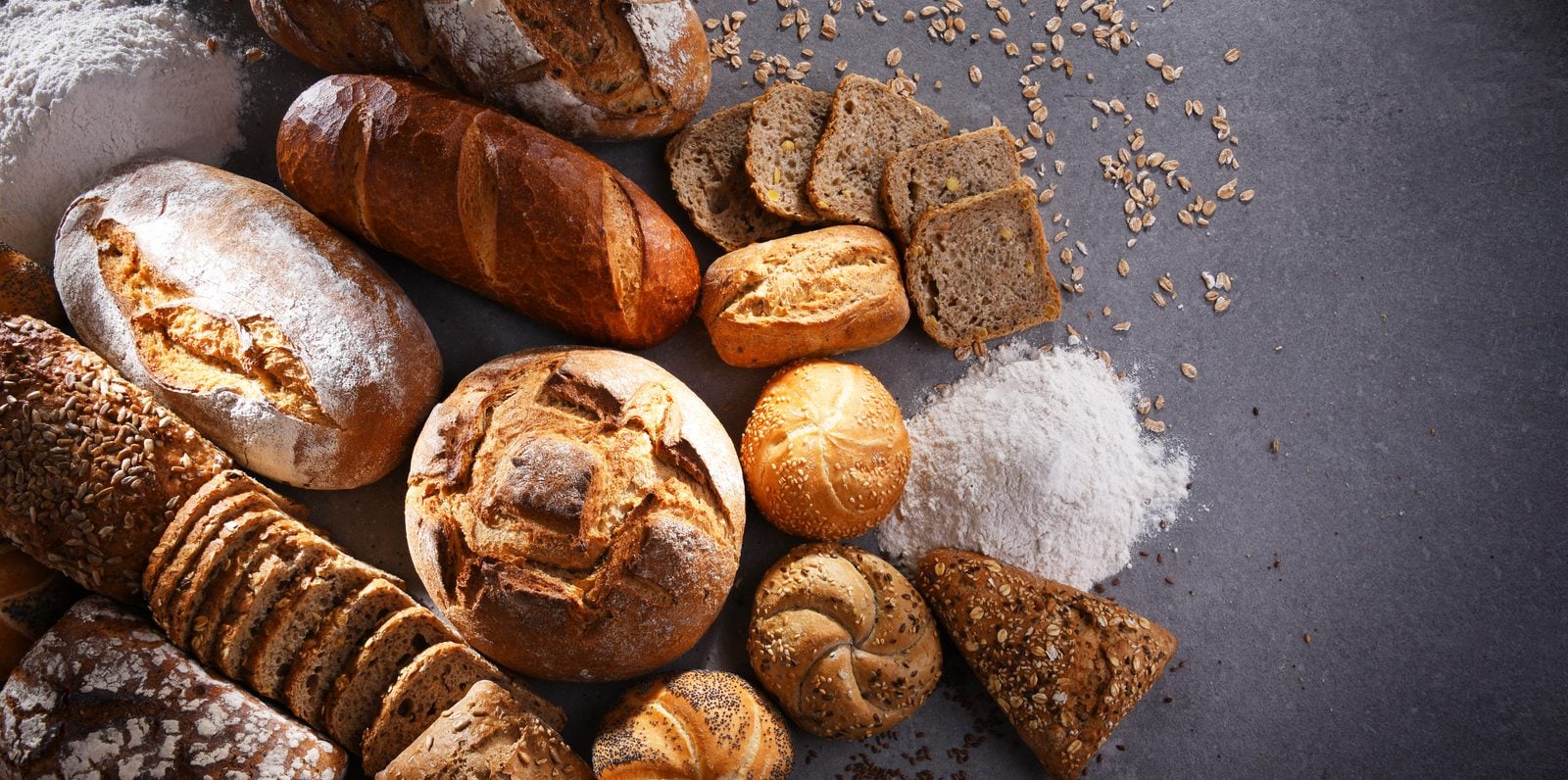
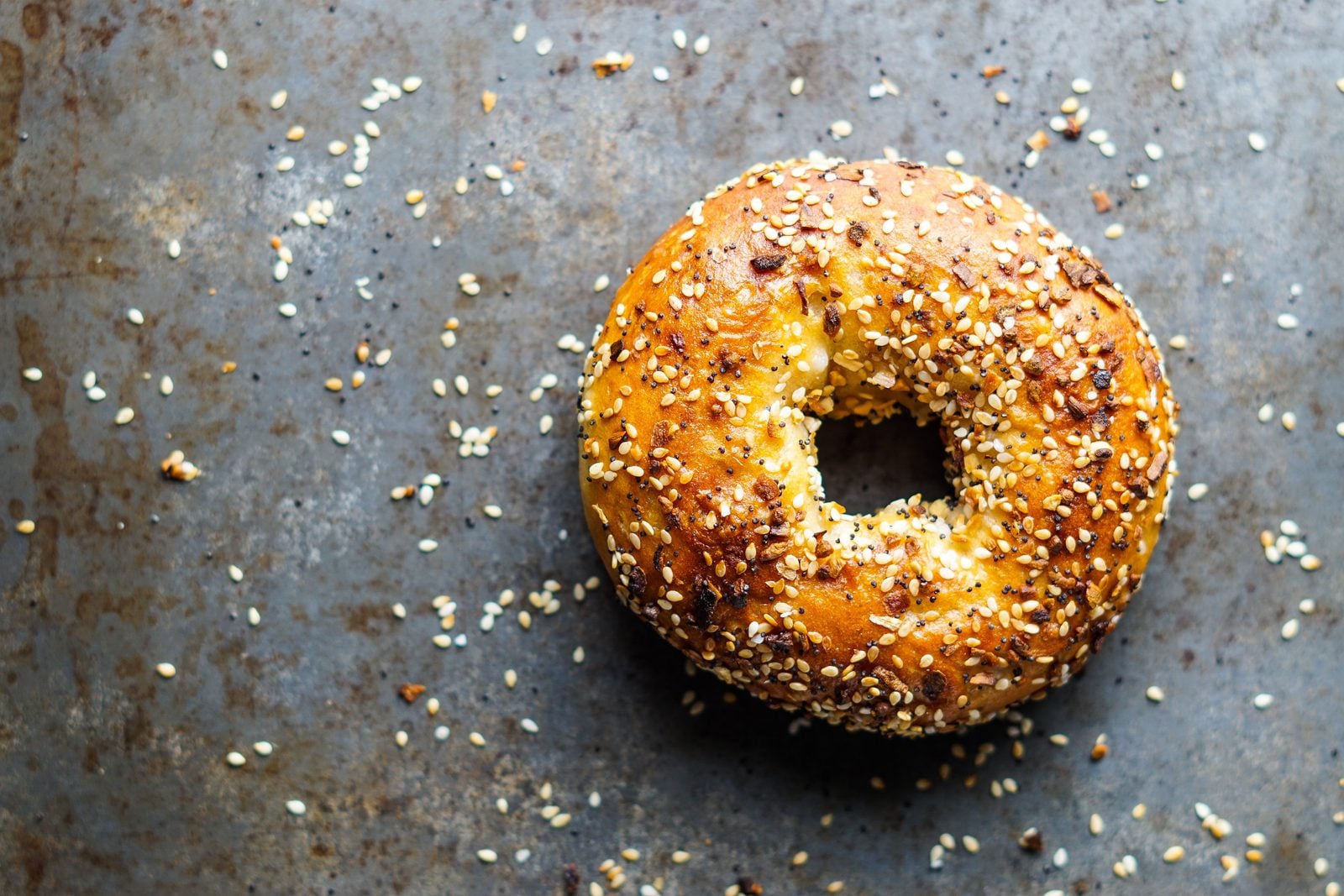
L-cysteine is an amino acid used as a dough conditioner. It relaxes gluten so industrial bakeries can run dough faster and get a softer crumb. You’ll find it in a lot of commercial bread, bagels, burger buns, pizza dough and some pastries, listed as L-cysteine, cysteine, or E920.
The problem is the source. The cheapest way to make it at scale is to extract keratin from something rich in it, then break that down into the amino acid. The keratin-rich raw materials are human hair (much of it collected in China), duck and goose feathers, and hog bristles. It is exactly as unappetising as it sounds, and it’s why “vegetarian” on a label doesn’t help you here: hair and feathers are technically slaughter-free, so a hair-derived additive can sit in a vegetarian product.
The plant version exists, but you have to look
A minority of L-cysteine (roughly 10% of supply) is made by bacterial fermentation of plant sugars from corn or molasses. It’s molecularly identical, it’s just more expensive, so manufacturers rarely use it unless they’re marketing to vegans.
That means the label is everything. Bare “L-cysteine” or “E920” should be treated as animal-derived by default. Only trust it when the maker specifies a plant source or the product carries a vegan certification.
How to tell, tap to expand
The label just says “L-cysteine” or “E920”
It says “plant-derived,” “vegetable,” or “fermentation” L-cysteine
The product is certified vegan
It only says “suitable for vegetarians”
Fact or fiction?
Most L-cysteine comes from human hair. Fact or fiction?
You mostly find it in fresh fruit and veg. Fact or fiction?
There’s a plant-based version. Fact or fiction?
Quiz: how well do you know E920?
Five questions, no cheating
1. What is the most common source of L-cysteine?
2. What’s L-cysteine’s E-number?
3. What does it do in food?
4. Which label wording is vegan-safe?
5. Where are you most likely to find it?

So, is L-cysteine vegan in 2026?
Usually not. Treat plain L-cysteine and E920 as animal-derived unless the maker says otherwise, especially in commercial baked goods. The plant-fermented version is real and identical, so vegan bread with soft, industrial-style texture does exist. You just have to read the bag. When in doubt, freshly baked bread from a bakery that lists only flour, water, yeast and salt sidesteps the question entirely.
More vegan ingredient checks:
- Are mono and diglycerides vegan? Another label word that could be animal
- Is vitamin D3 vegan? The sheep-wool vitamin
- Is lecithin vegan? Usually fine, sometimes egg