







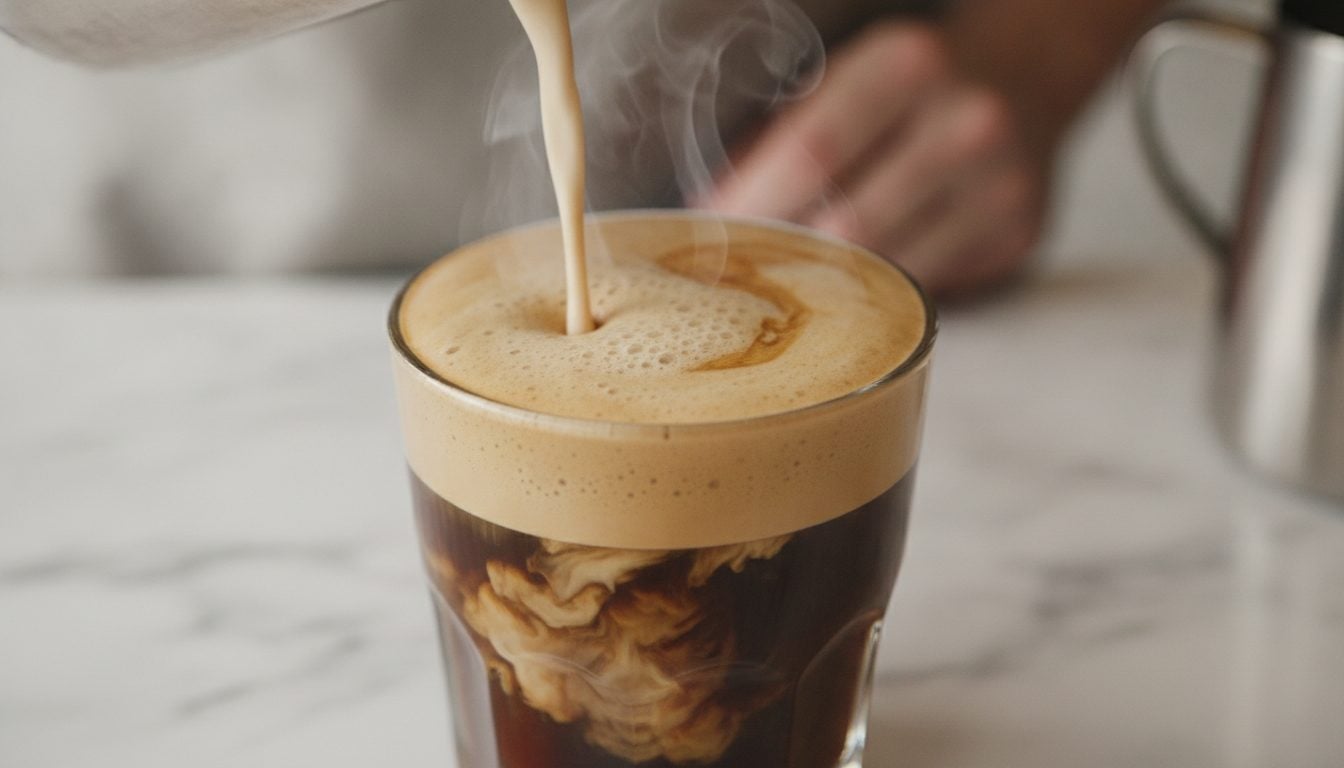
Pour oat milk into a hot coffee and it foams, blends, stays smooth. You never think about it. But that exact moment used to be the great unsolved puzzle of food technology. How do you take a grain that turns to porridge and get a liquid that tastes good, stays stable, and does not split into grey flecks the second it hits an espresso?
The answer lives in an enzyme process. And the person behind it is Angeliki Triantafyllou. On 2 July 2026, the European Patent Office (EPO) handed her the European Inventor Award 2026 in the Industry category at a ceremony in Berlin. Put simply, she is part of the reason your morning coffee tastes the way it does.
Contents6 chapters
The short answer
Greek-Swedish food scientist Angeliki Triantafyllou won the European Inventor Award 2026 from the European Patent Office in the Industry category. The prize recognises her patented enzyme process, which sharply improved the taste, texture and stability of oat drinks. It pairs a protein deamidase with amylases to dissolve oat protein without chopping it into bitter fragments. The process is owned by Oatly and made products like its Barista range possible.
Why oats make a bad drink in the first place
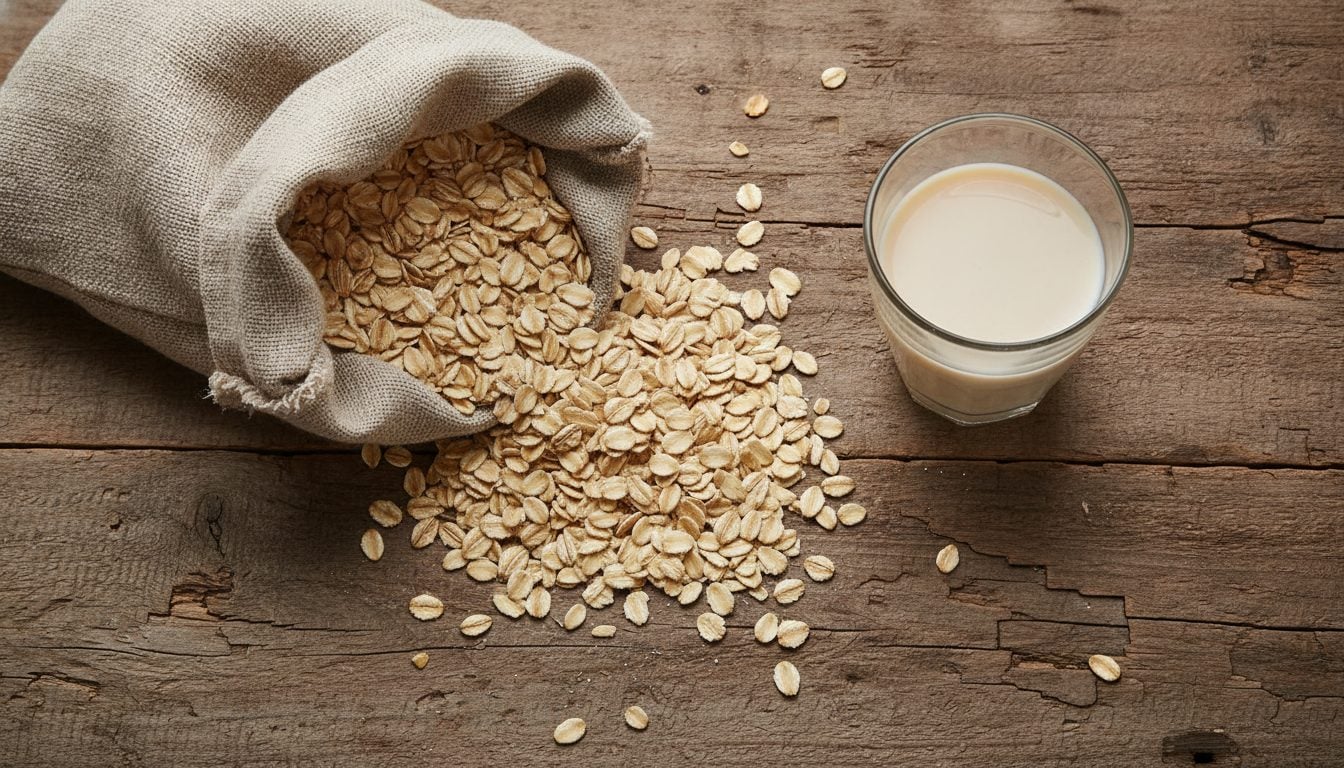
Oats are packed with starch. Mill them with water and you get a cloudy, floury slurry that settles fast and thickens into glue when heated. Oat protein barely dissolves in water, and if you force it apart the hard way, it turns bitter. No surprise that the earliest oat drinks stayed a niche product for people avoiding lactose, rather than the café favourite they are today.
The story begins in Lund, Sweden. There, in the 1980s and early 1990s, food scientist Rickard Öste worked out how to make oats drinkable. His original technique used enzymes to break oat starch into smaller sugars while keeping the valuable beta-glucan fibre intact. In 1994 Öste co-founded Oatly with his brother Björn, and he is widely credited as the inventor of oat milk. To keep the roles straight: Öste laid the foundation, and Triantafyllou built the process on top of it that made the drink genuinely good.
What enzymes actually do to your oat drink
Think of enzymes as tiny, specialised tools. Each one does exactly one job.
The amylases in Triantafyllou’s process cut the long starch molecules into short sugar chains. That solves two problems at once. The drink turns thin and pourable instead of pasty, and it tastes naturally a little sweet with no added sugar.
The real breakthrough is the protein deamidase. Earlier methods used proteases, enzymes that slice protein apart. That produces small, bitter fragments, leaves the drink unstable and causes browning. A deamidase works differently. It gently modifies the protein at the surface rather than shredding it. The structure stays intact, yet the protein becomes water-soluble. The result: more dissolved protein, a whiter colour, a fine and stable foam, and no bitter aftertaste. Exactly the qualities that make a drink barista-ready.
The work grew out of a research collaboration at Lund University, originally aimed at using oat by-products and creating an option for people with lactose intolerance. Triantafyllou joined during her doctoral studies in biotechnology and spent years refining the process. The patent belongs to Oatly and paved the way for the Barista range that pushed oat milk from a dietary product into the mainstream.
Who Angeliki Triantafyllou is
For more than 20 years, Triantafyllou led research and development at Oatly. That makes her one of the central figures behind a product now poured into millions of coffees worldwide, even though most drinkers have never heard her name. In 2021 she shared Sweden’s Polhem Prize with Rickard Öste for their work on oat-based foods.
Today she is president of her own company, Cerealiq AB, and keeps working on enzyme processes, now for high-quality drinks made from oats and legumes. The science that scaled up oat milk is still moving forward.
Why this matters to you
First: when your oat drink foams instead of curdling in a café, that is not luck, it is applied enzyme technology. Second, the award signals that plant-based alternatives now sit firmly in the league of serious engineering. The European Patent Office is not honouring a marketing idea here, but a concrete technical problem that got solved. Third, it is a reminder of how much invisible science stands behind the everyday cartons in the chilled aisle.
If you want to dig into where dairy hides in everyday food, our piece on whether hummus contains dairy is a good place to start.
FAQ
Who invented oat milk?
Swedish scientist Rickard Öste is credited as the inventor of oat milk. He developed the original enzyme technique in Lund and co-founded Oatly with his brother Björn in 1994. Angeliki Triantafyllou later created the process that improved taste and stability enough to make oat drinks mainstream, and she won the European Inventor Award 2026 for it.
What does the award-winning enzyme process do?
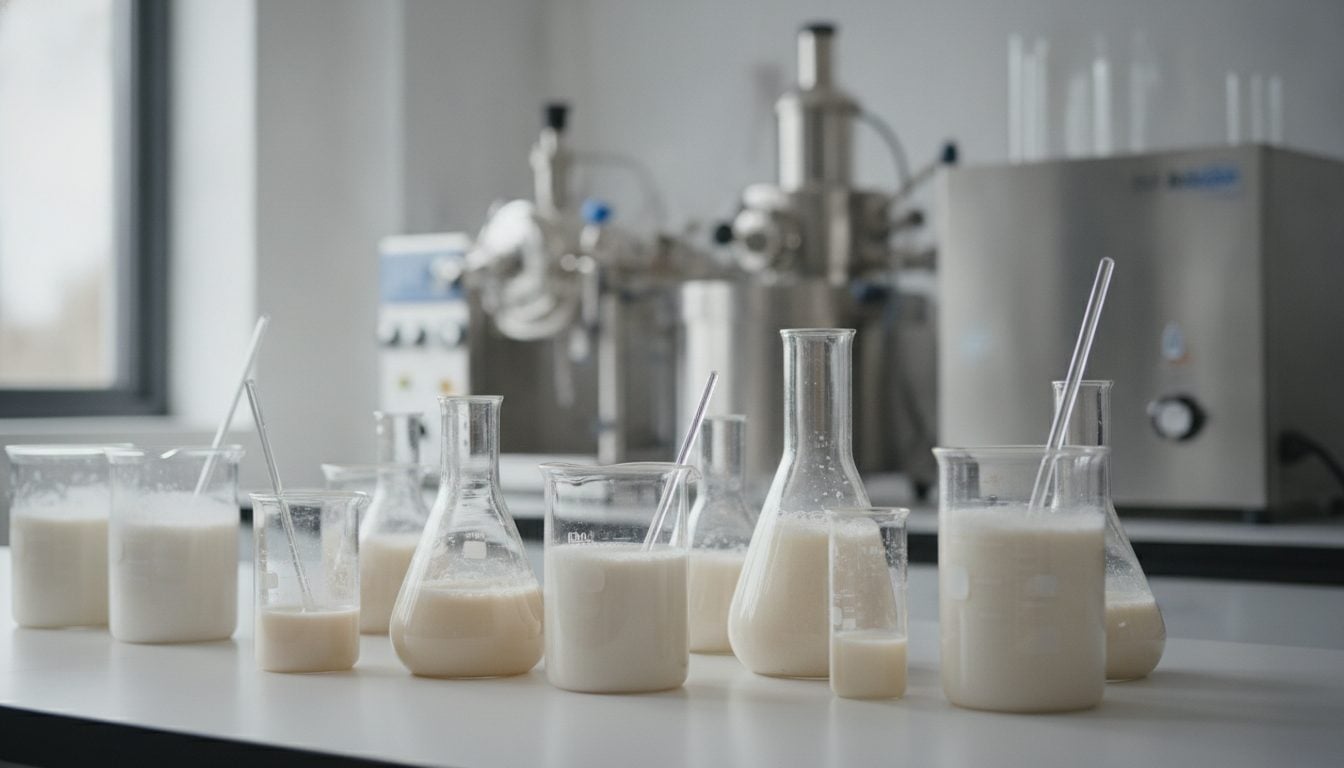
It combines amylases, which break oat starch into small sugars and make the drink thin and lightly sweet, with a protein deamidase, which makes oat protein water-soluble without cutting it into bitter fragments. The result is a creamy, stable drink with fine foam.
Why would an oat drink win an inventor award?
Because a real technical problem sits behind it. Oats tend to turn pasty, settle out and curdle when heated. The enzyme process fixed those issues and made a plant-based milk alternative genuinely competitive. The European Patent Office recognises patented breakthroughs like this.
Where is the process used today?
The patent is owned by Oatly and sits behind products including its Barista range. Triantafyllou now develops further enzyme processes through her company Cerealiq AB, for drinks made from oats and legumes.