






Think of the meal you miss most. Chances are it isn’t on any menu. It’s your mum’s cooking on a rainy Sunday, the turkey nobody actually rated but everyone expected, the soup that only tasted right at your gran’s table. New research from Scotland suggests those memories, more than flavour or convenience, are what keep people eating meat.
Psychologists at the University of Stirling sat down with 24 regular meat eaters for long, open conversations about food, childhood and family occasions. What they heard again and again: the attachment isn’t really to the meat. It’s to everything that happened around it.
Contents7 chapters
The Short Answer
In a qualitative study from the University of Stirling (24 in-depth interviews, published in the journal PHAIR), emotional ties to childhood, family and celebrations emerged as a stronger barrier to going vegan than taste or convenience. The researchers’ takeaway: recreate nostalgic dishes with vegan ingredients and you keep the tradition while changing the diet.
What the Researchers Did
Aga Kosla and Dr Carol Jasper from Stirling’s School of Psychology ran 24 semi-structured interviews, around 45 minutes each, some in person and some online, with people who regularly eat meat and other animal products. They analysed the transcripts using reflexive thematic analysis, a standard method in qualitative psychology. The paper appeared in July 2026 in Psychology of Human-Animal Intergroup Relations (PHAIR) and is free to read.
One detail worth knowing: the two authors sit on opposite sides of the plate. Kosla eats meat; Jasper has been an ethical vegan for over a decade. They coded the data independently and challenged each other’s interpretations, which is a genuinely good way to keep personal bias in check.
It’s Not the Meat, It’s the Memories
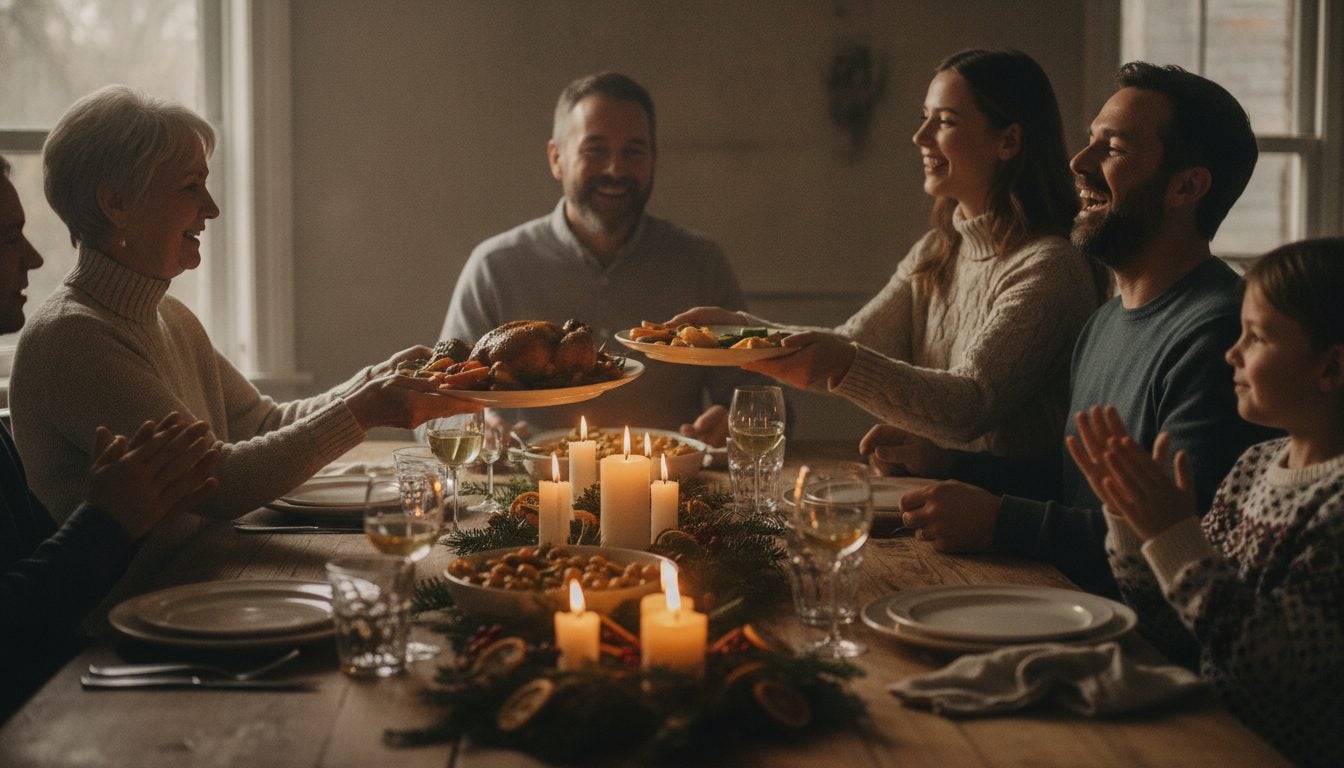
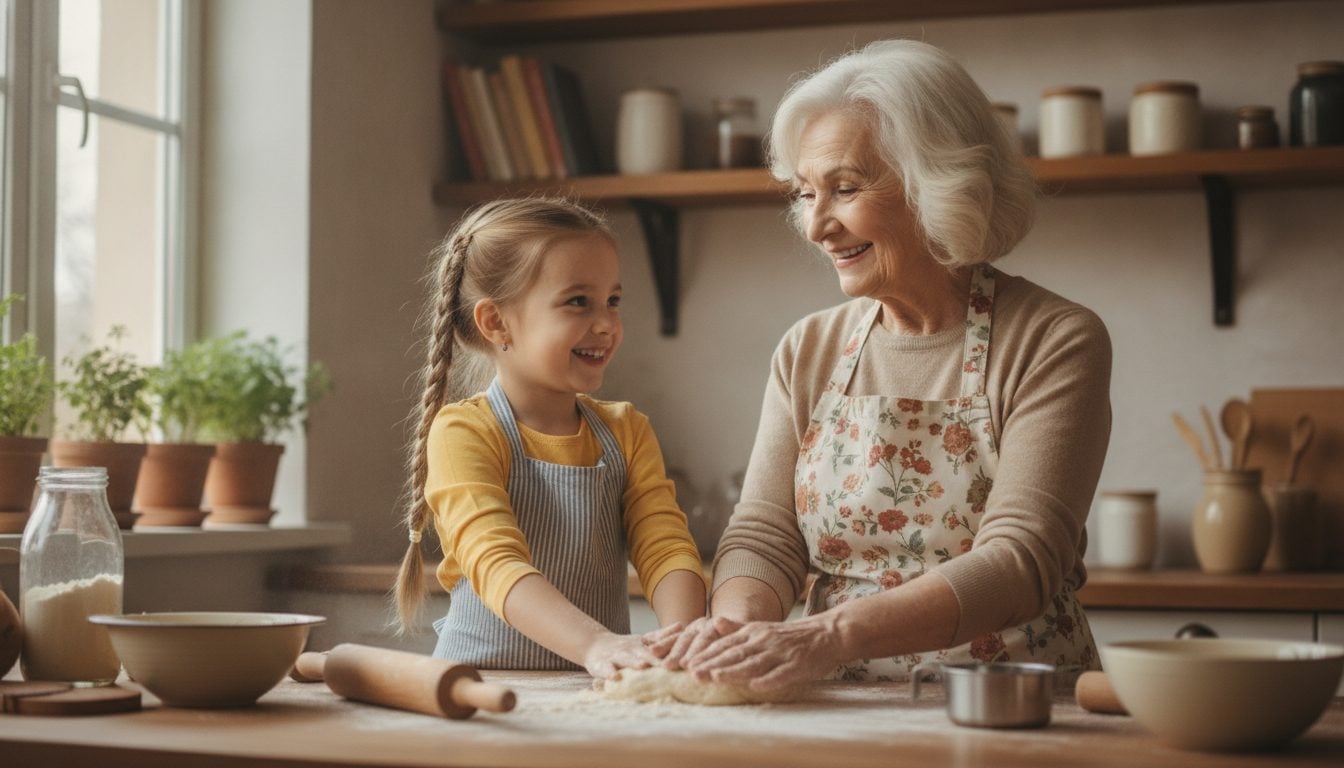
That’s literally the title of one of the study’s three themes. One participant admitted she still cooks a turkey every Christmas even though it’s always disappointing and nobody particularly likes it. She does it anyway, because Christmas without the turkey wouldn’t feel like Christmas. Another described how chicken soup only tastes right on a Sunday; cooked alone on a Tuesday, it’s a different dish entirely.
Across the interviews, people mourned the loss of shared moments, rarely the flavour of the food. In the University of Stirling press release, Kosla puts it plainly: food is tied to identity, belonging and family life, and vegan advocacy needs to engage with those emotional attachments rather than argue past them.
The same logic applies to smaller nostalgia triggers, by the way. Half the questions we get about childhood treats, from Toblerone to Biscoff biscuits, are really questions about whether a favourite memory survives the switch.
Family Is the Hurdle, Friends Are Not
Eating vegan with friends? The participants shrugged. Plenty of options, nobody minds; one called it “swimming with the tide”. Family dinners were a different story. One man was certain he’d be ostracised at Christmas dinner if he turned up vegan. Others doubted their parents could handle it at all. At the family table, a vegan plate felt like a disruption of the ritual.
Then came the twist. When the researchers asked participants to actually imagine themselves living vegan, most warmed to the idea, some framing it as culinary exploration rather than loss. Most admitted they had simply never thought it through before the interview.
How Solid Is This Study?
Honest assessment, as always. This is qualitative research with 24 participants. It can reveal mechanisms, it cannot tell you how common they are. No percentages follow from it.
The sample was recruited through purposive and snowball sampling via the researchers’ personal networks, which tends to produce like-minded groups. No demographic data was collected, for anonymity reasons, so beyond the split of 9 men and 15 women we know little about who these people were. Nothing here is representative, and the authors never claim otherwise.
What the study does well: it is, per the authors, the first to specifically examine how food nostalgia shapes meat eaters’ attitudes toward veganism. The dual-coder setup with opposing diets is solid craft, and the findings line up with earlier research on nostalgia and eating behaviour. As a foundation for larger quantitative work, it holds up.
Veganise Your Memories Instead of Giving Them Up
The most useful part of the study is its practical conclusion. Dr Jasper suggests that recreating nostalgic or culturally significant dishes with vegan ingredients can make dietary change feel accessible. The memory stays, the animal goes, and the table gets new shared moments to build on.
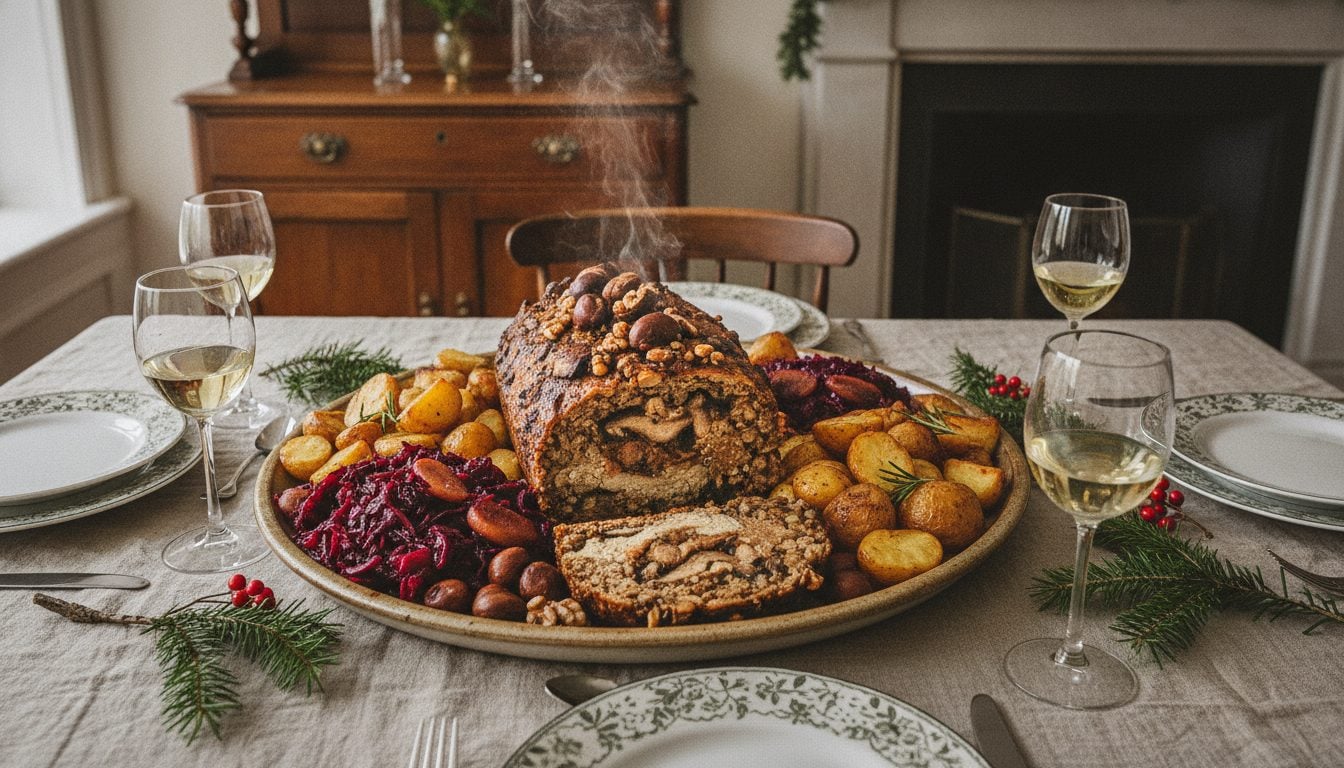
That maps neatly onto British food culture. A Sunday roast works with a mushroom-and-chestnut centrepiece and the same gravy-soaked ritual. Christmas dinner survives the turkey’s absence better than most families expect, because, as the study shows, the turkey was never the point. And the biscuit tin of your childhood has more vegan residents than you’d think; we keep a running list of surprise finds like Biscoff for exactly this reason.
The pattern is always the same: keep the occasion, keep the people, swap the ingredients.
FAQ
Why is giving up meat so hard for many people?
According to the Stirling study, the barrier is less about flavour and more about emotion: meat dishes are woven into childhood, family and celebrations. Changing your diet can feel like losing your place at the table, even though the memories attach to the people, and those don’t go anywhere.
What is food nostalgia?
Food nostalgia is the emotional bond with dishes tied to formative memories: a grandparent’s kitchen, holiday meals, Sunday rituals. Researchers distinguish sweet, bitter and bittersweet forms. These memories often steer our food choices more powerfully than taste or price.
Can vegan food trigger the same feelings?
Yes, given time. The Stirling researchers argue that veganised traditional dishes can create new, equally meaningful memories, because the emotion lives in the shared experience rather than the animal product. What matters is keeping the ritual intact: same occasion, same table, same people.
How do I handle Christmas dinner with my family?
The study found family gatherings are the toughest social hurdle for would-be vegans. Bringing a dish everyone can try works better than requesting special treatment; it keeps you inside the ritual instead of outside it. The sense of togetherness is the thing everyone is protecting anyway.