







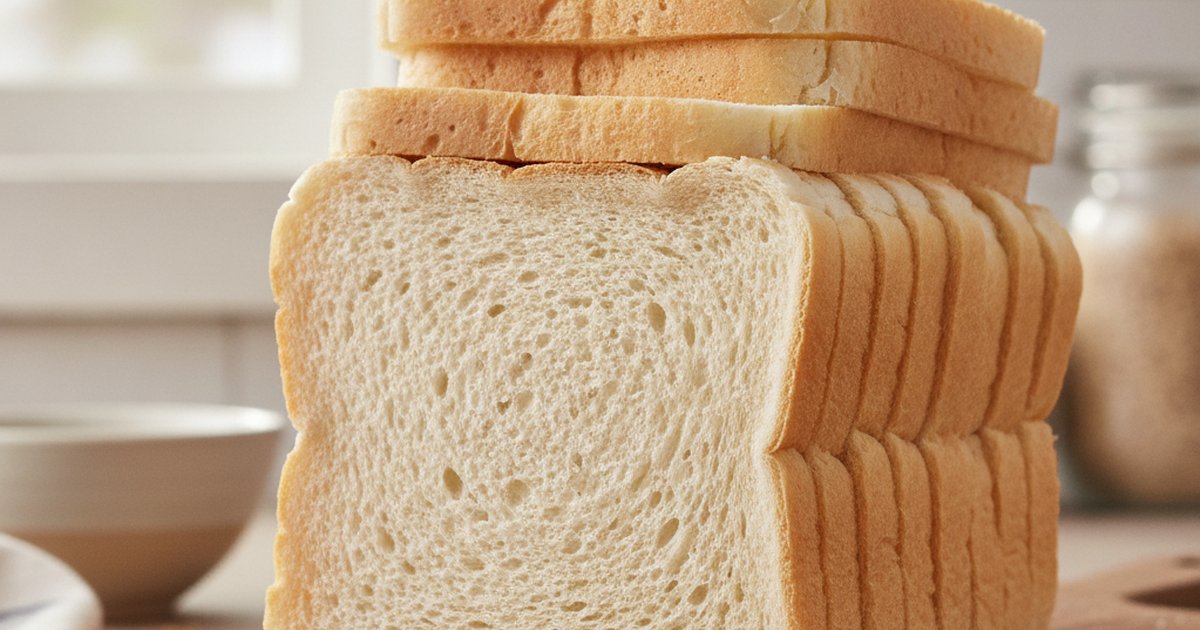
If you read ingredient labels, you’ve met mono and diglycerides. They’re one of the most common emulsifiers in the supermarket, hiding in bread, ice cream, margarine, peanut butter and coffee creamer under the name E471. And they’re one of the most annoying things a vegan can run into, because the honest answer to “are mono and diglycerides vegan” is: it depends, and the packaging almost never tells you which kind you’re holding.
Here’s how to think about E471 without either panicking or getting caught out.
It depends on the source. Mono and diglycerides (E471) are made from fats and oils that can be plant-based (soy, canola, palm, sunflower) or animal-based (pork or beef fat). The label rarely specifies. The Vegan Society flags E471 as potentially animal-derived, so a strict vegan should treat unspecified E471 as uncertain and look for “vegetable” wording or a vegan certification.
Last checked: July 2026
Contents6 chapters
What they are, and why the source is a mystery
Mono and diglycerides are emulsifiers: they help oil and water stay mixed, keep bread soft and stop ice cream from going grainy. They’re made by combining glycerol with fatty acids, and those fatty acids come from fat, which is the whole problem. That fat can be:
- Plant oils: soybean, canola, palm, sunflower, cottonseed
- Animal fats: rendered pork (lard) or beef tallow
Chemically the finished E471 looks the same whichever fat you start from, so the label just says “mono and diglycerides” or “E471” and leaves you guessing. In practice a large share of modern E471 is plant or palm based, but “a large share” is not “all,” and there’s no way to know from the pack alone.
The signals that help
You’re not completely blind. A few label cues shift the odds:
- “Mono and diglycerides of vegetable origin” or “vegetable emulsifier”: vegan.
- A vegan certification logo on the pack: the maker has confirmed it.
- Kosher Pareve marking: pareve means no meat or dairy, which usually (not always) points to a plant or synthetic source. A helpful hint, not a guarantee.
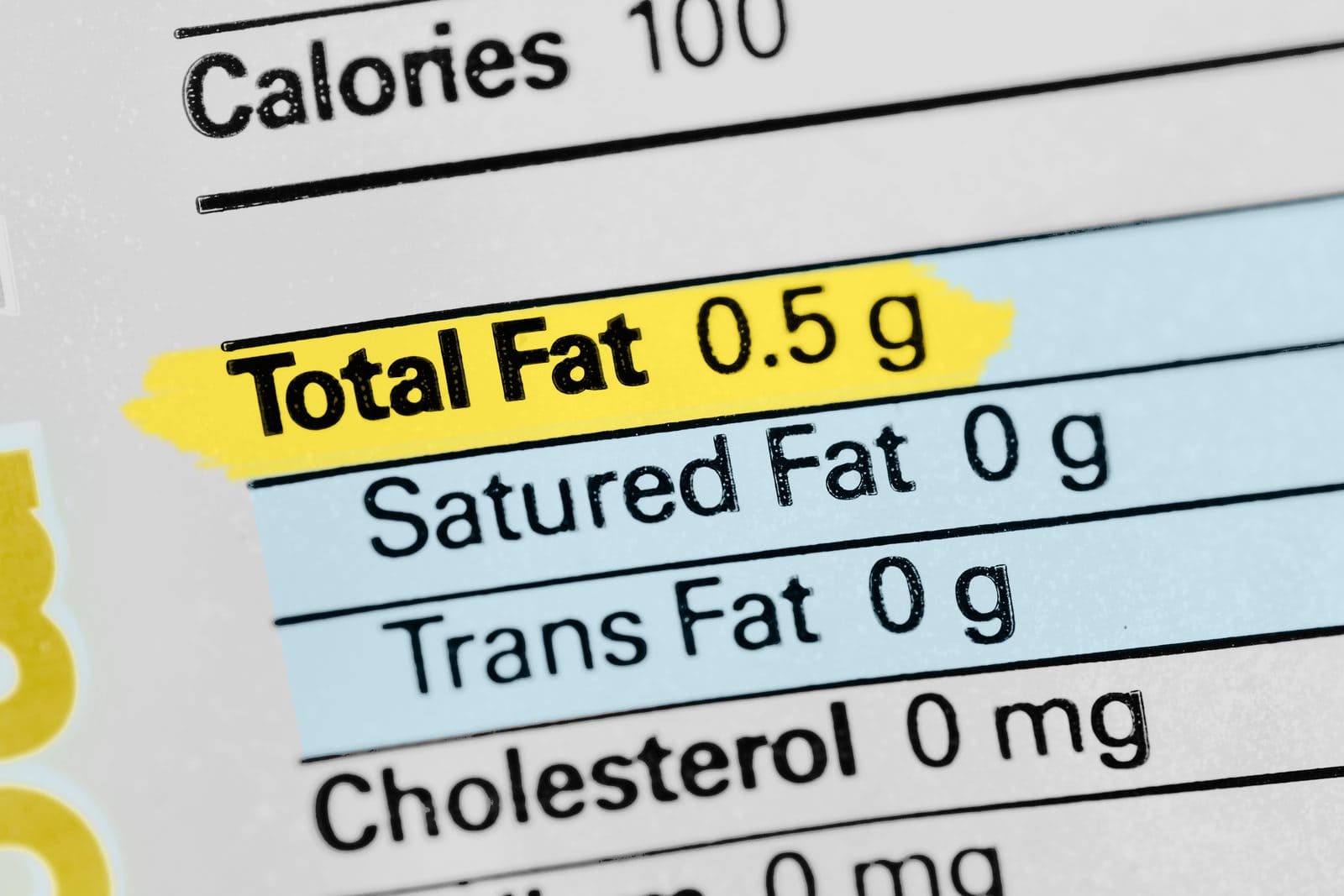
- No qualifier at all: uncertain. Contact the manufacturer if it matters to you, or choose a product that states its source.
How to handle E471, tap to expand
Label says just “E471” or “mono and diglycerides”
Says “of vegetable origin” or “vegetable mono-/diglycerides”
Product carries a vegan logo
Marked Kosher Pareve
Fact or fiction?
E471 is always made from animal fat. Fact or fiction?
The label usually tells you the source. Fact or fiction?
You’ll find E471 in bread and ice cream. Fact or fiction?
Quiz: how well do you know E471?
Five questions, no cheating
1. What can mono and diglycerides be made from?
2. What do they do in food?
3. Which wording confirms it’s vegan?
4. What does Kosher Pareve tell you?
5. If the label just says “E471,” you should…
So, are mono and diglycerides vegan in 2026?
It depends, and the label usually won’t settle it. E471 can be plant or animal fat, so a strict vegan should treat an unqualified listing as uncertain and lean on the cues that do help: “vegetable origin,” a vegan logo, or a quick message to the manufacturer. Plenty of E471 is plant based, so this isn’t a reason to fear every loaf of bread; it’s a reason to favour brands that bother to tell you.
More vegan ingredient checks:
- Is lecithin vegan? The other emulsifier, usually soy or sunflower
- Is L-cysteine vegan? The dough additive from hair and feathers
- Is glucosamine vegan? Shellfish by default, fermented if you look