







Lecithin is one of those ingredients that sounds vaguely suspicious but is usually fine. Labelled E322, it’s the emulsifier that keeps chocolate smooth, bread soft and salad dressing from splitting. Ask “is lecithin vegan” and the answer is a fairly reassuring: usually yes. The one real exception is egg-yolk lecithin, and it’s rare enough that most of the time you can relax.
Still, “usually” isn’t “always,” so here’s the quick way to be sure.
Usually vegan. Most lecithin (E322) is made from soy, sunflower, rapeseed or corn, all plant sources, so it’s vegan. The exception is egg-yolk lecithin, which is not. Bare “lecithin” or “E322” is almost always plant-derived in modern food, but if you want certainty, look for the named source (soy or sunflower lecithin) or a vegan mark.
Last checked: July 2026
Contents6 chapters
Where lecithin comes from
Lecithin is a group of fatty substances used as an emulsifier and stabiliser. The vast majority in food today is plant-based:
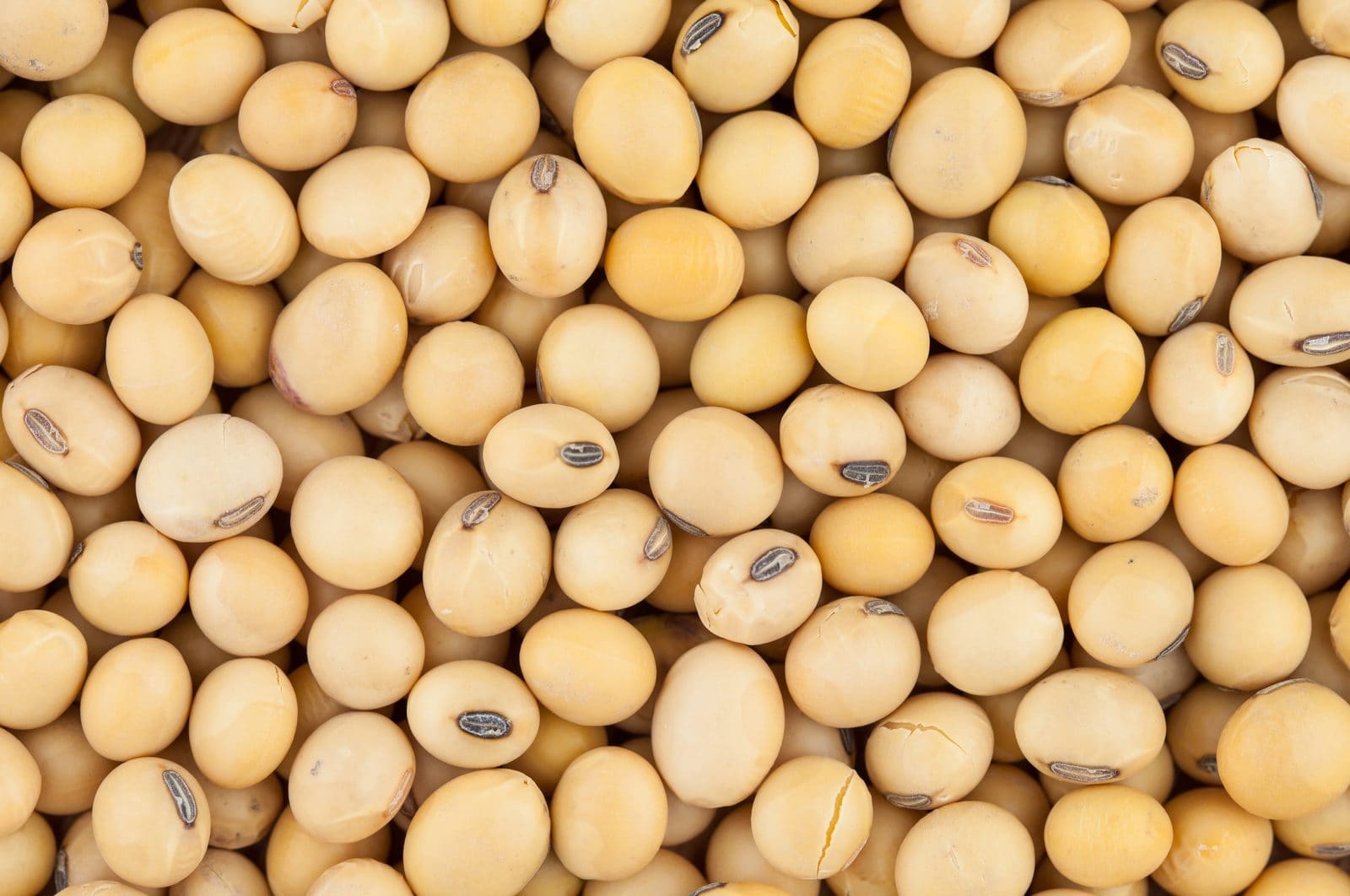
- Soy lecithin: the most common, in chocolate, baked goods and margarine
- Sunflower lecithin: increasingly popular, often used by brands avoiding soy
- Rapeseed (canola) and corn lecithin: also common
All of those are vegan. In food, the main non-vegan version is egg-yolk lecithin, which is used in some specialist products (occasionally in pharmaceuticals or certain cosmetics) but is uncommon in everyday groceries. Because plant lecithin is cheaper and more available, the default assumption for a supermarket food is plant, but the label will usually name it anyway.
The one to watch
Egg lecithin is your only real concern, and it’s normally declared clearly, because egg is one of the major allergens that has to be flagged. So if a product contained egg lecithin, “egg” would typically show up in the allergen line. That allergen labelling is quietly doing you a favour: no “egg” warning plus a lecithin listing almost always means plant lecithin.
How to be sure, tap to expand
Label says “soy lecithin” or “sunflower lecithin”
Label just says “lecithin” or “E322”
Label says “egg lecithin” or the allergens list egg
Product carries a vegan logo
Fact or fiction?
Most lecithin in food is from soy or sunflower. Fact or fiction?
Egg lecithin exists. Fact or fiction?
Lecithin is a preservative. Fact or fiction?
Quiz: how well do you know E322?
Five questions, no cheating
1. What’s the most common source of food lecithin?
2. Which lecithin is NOT vegan?
3. What does lecithin do?
4. If a label lists lecithin and no egg allergen, it’s…
5. Where would you commonly find it?
document.addEventListener(“click”,function(e){var b=e.target.closest(“.tivq button”);if(!b||b.disabled)return;var q=b.closest(“.tivq-q”),z=b.closest(“.tivq”),ok=b.hasAttribute(“data-ok”);q.querySelectorAll(“button”).forEach(function(x){x.disabled=!0;if(x.hasAttribute(“data-ok”))x.classList.add(“tiv-ok”)});if(!ok)b.classList.add(“tiv-no”);z.dataset.d=(+z.dataset.d||0)+1;z.dataset.s=(+z.dataset.s||0)+(ok?1:0);if(+z.dataset.d===z.querySelectorAll(“.tivq-q”).length){var r=z.querySelector(“.tivq-res”);r.style.display=”block”;r.textContent=”Your score: “+z.dataset.s+” of “+z.dataset.d+”. “+(+z.dataset.s>=4?”Chocolate-aisle scholar.”:+z.dataset.s>=2?”Solid. Scroll back up for the rest.”:”Worth another read.”)}});
So, is lecithin vegan in 2026?
Usually yes. The lecithin in your chocolate, bread and spreads is almost always soy or sunflower, both vegan. The only exception is egg lecithin, which is rare in groceries and normally declared as an allergen anyway. Of all the “is this additive vegan” questions, this is one of the more relaxing ones: plain E322 is a safe bet, and the named plant sources make it a certainty.
More vegan ingredient checks:
- Are mono and diglycerides vegan? The trickier emulsifier that could be animal
- Is vitamin D3 vegan? The sheep-wool vitamin
- Is L-cysteine vegan? The bread additive with a grim source