
Animal Welfare

Kickstarting For Good: 13 Ideas to Make the Food System More Plant-Based

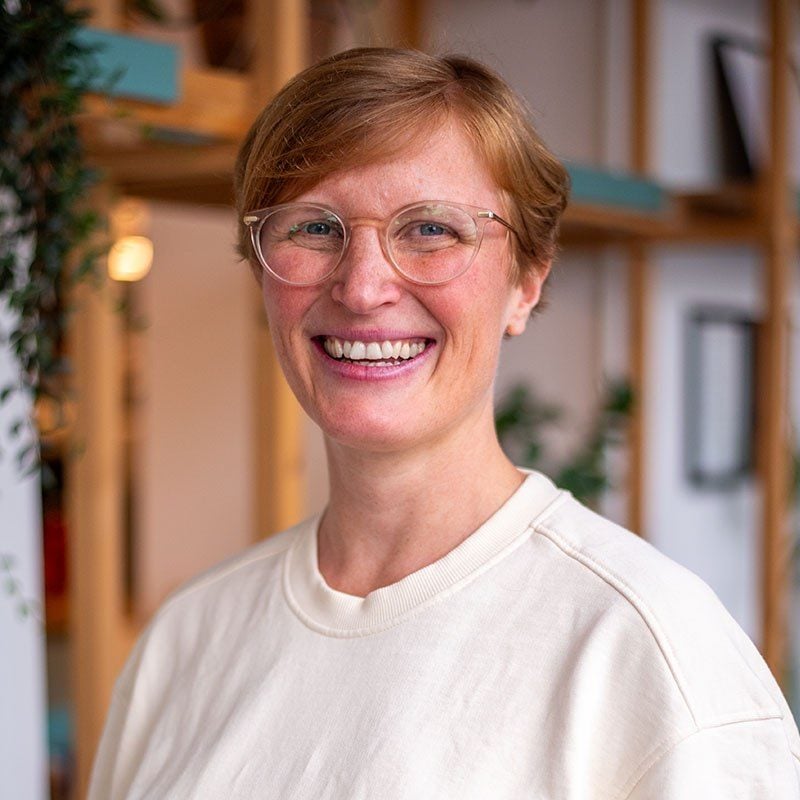
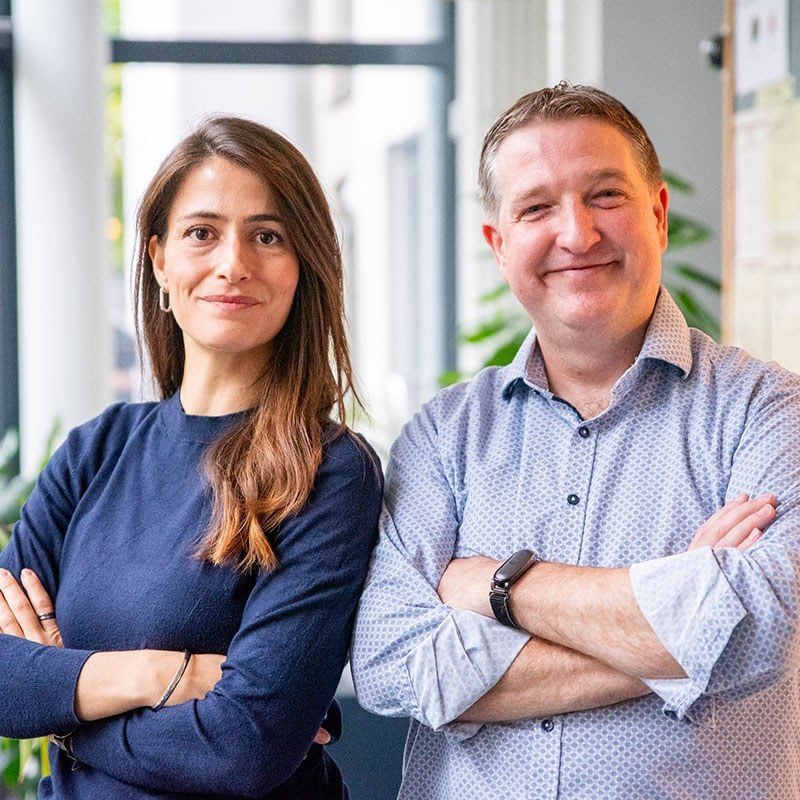
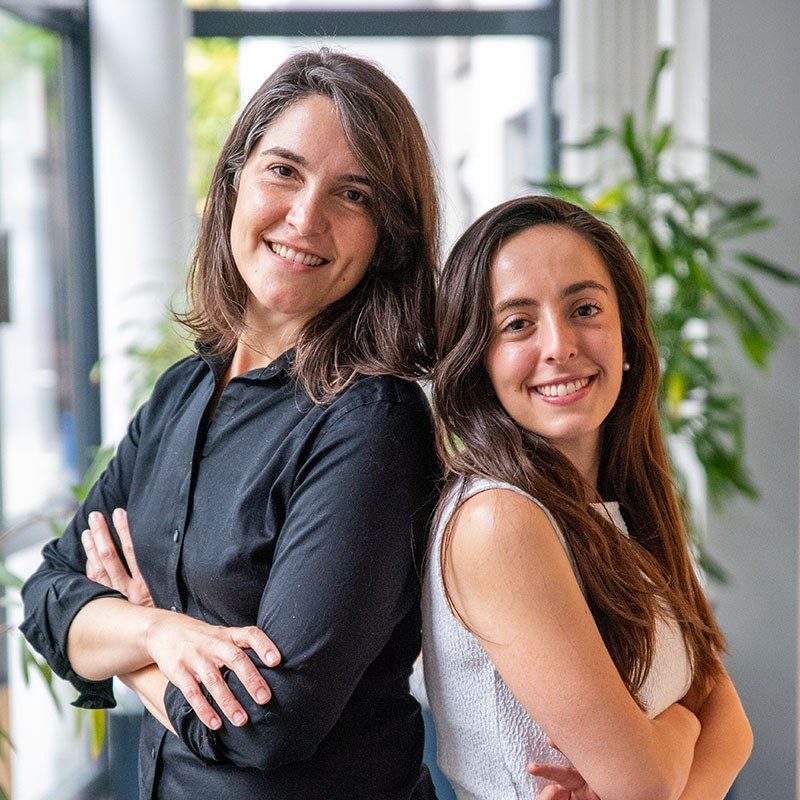
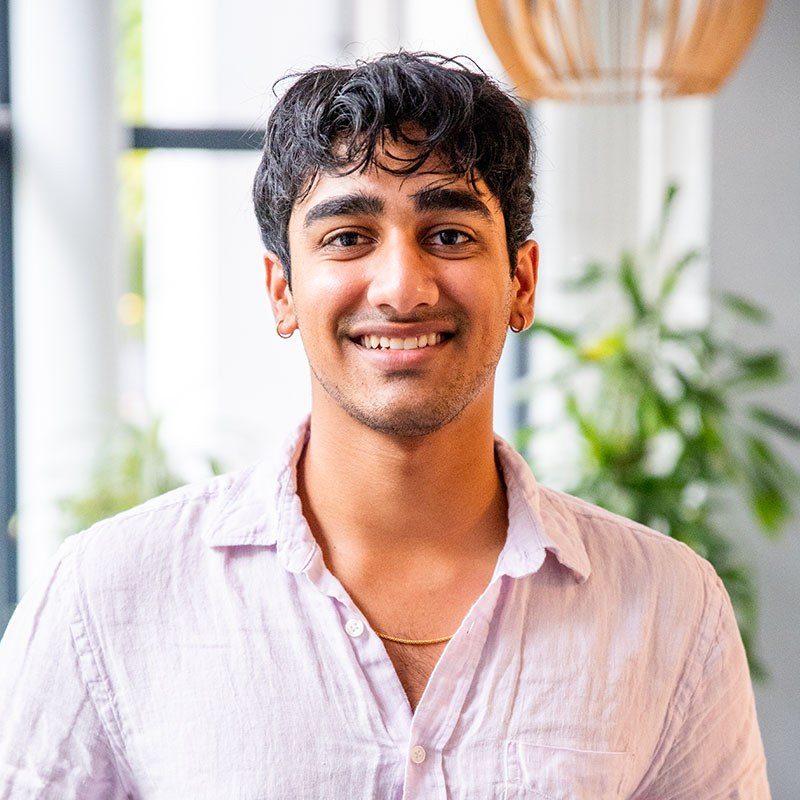
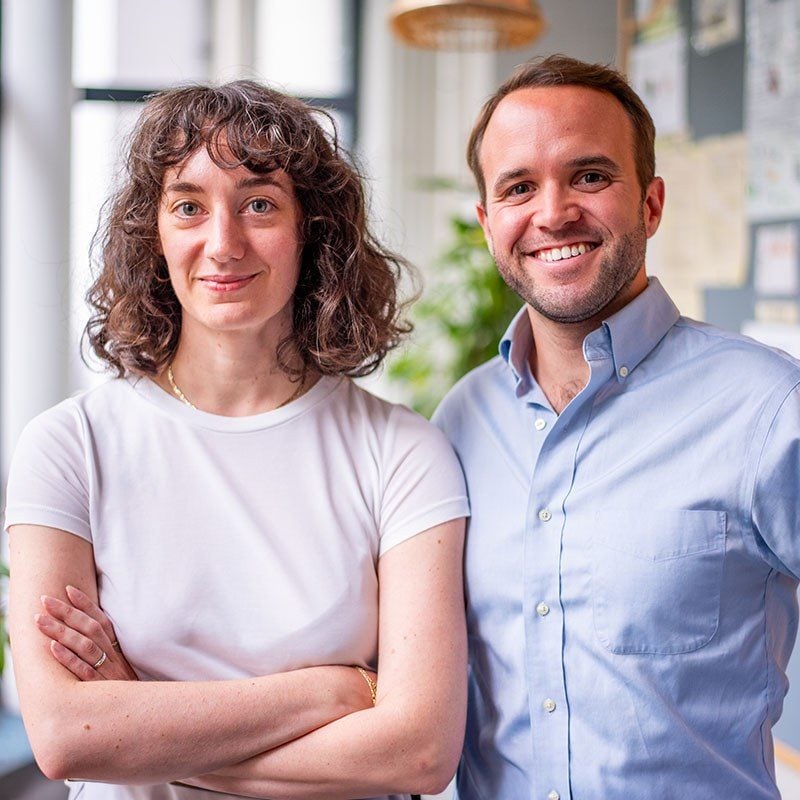
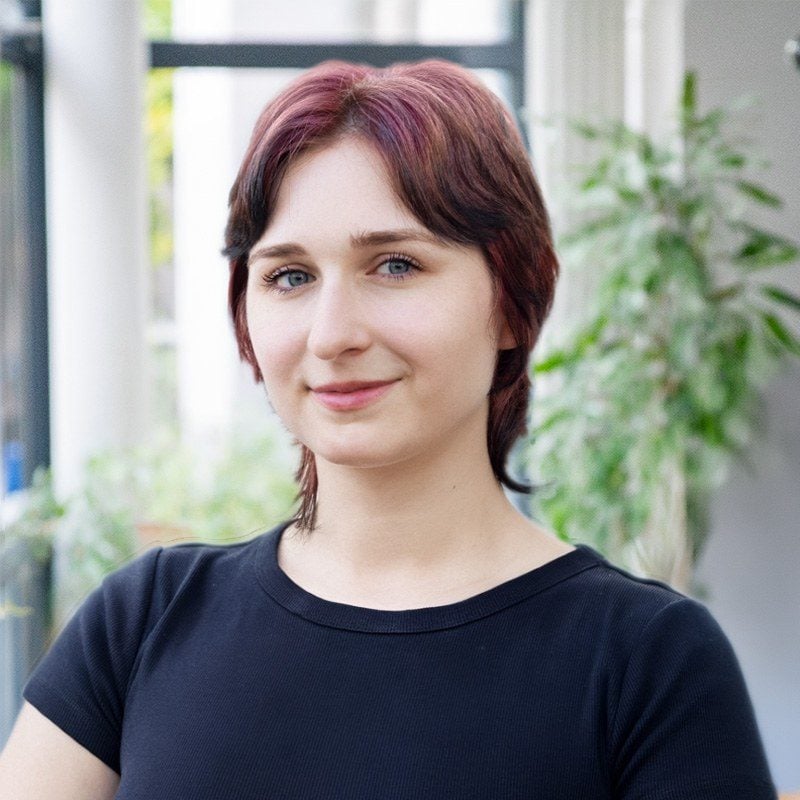
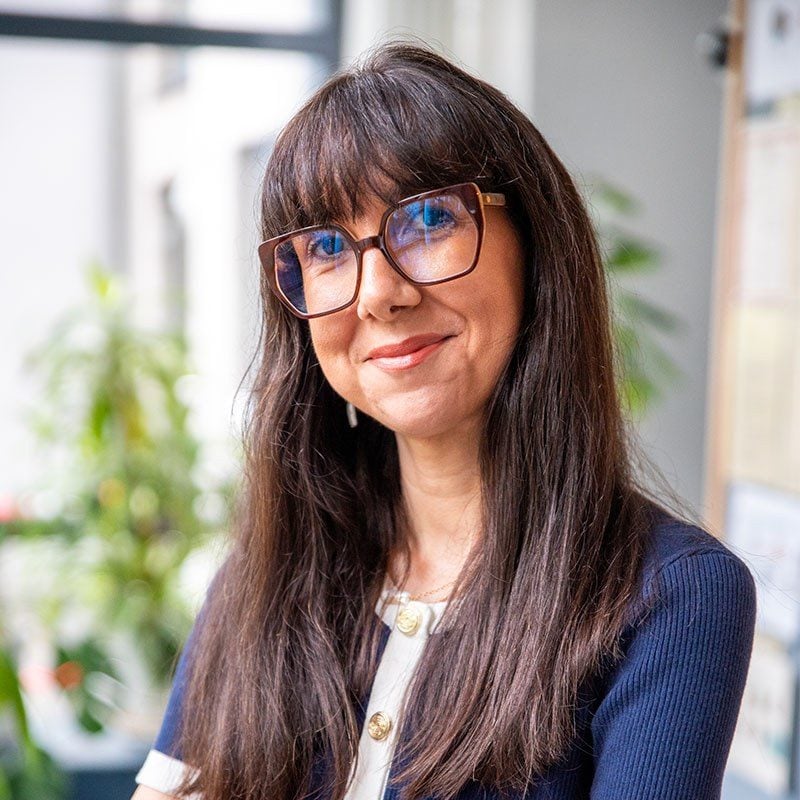
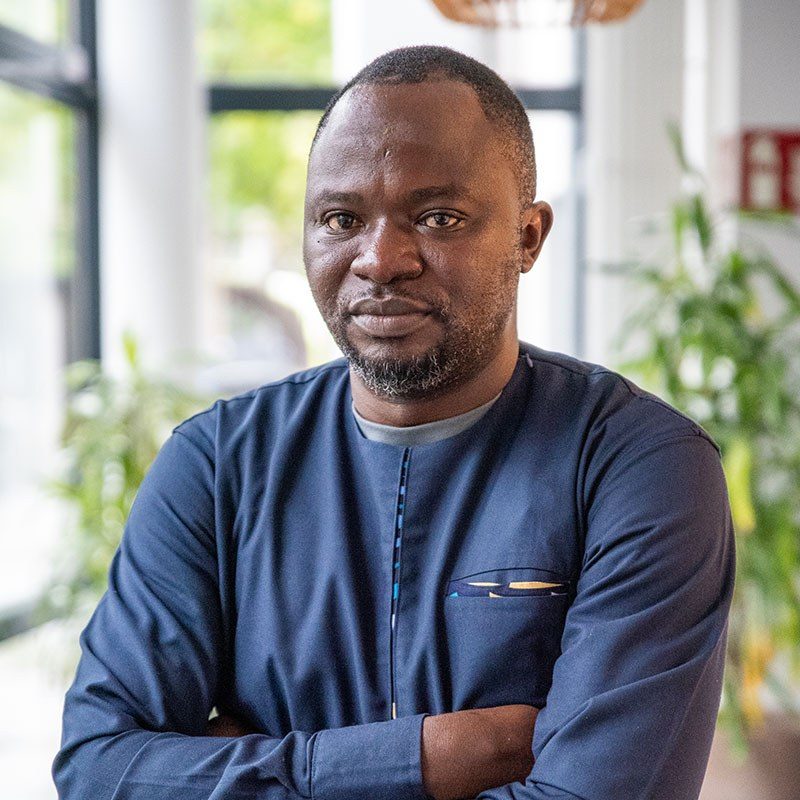
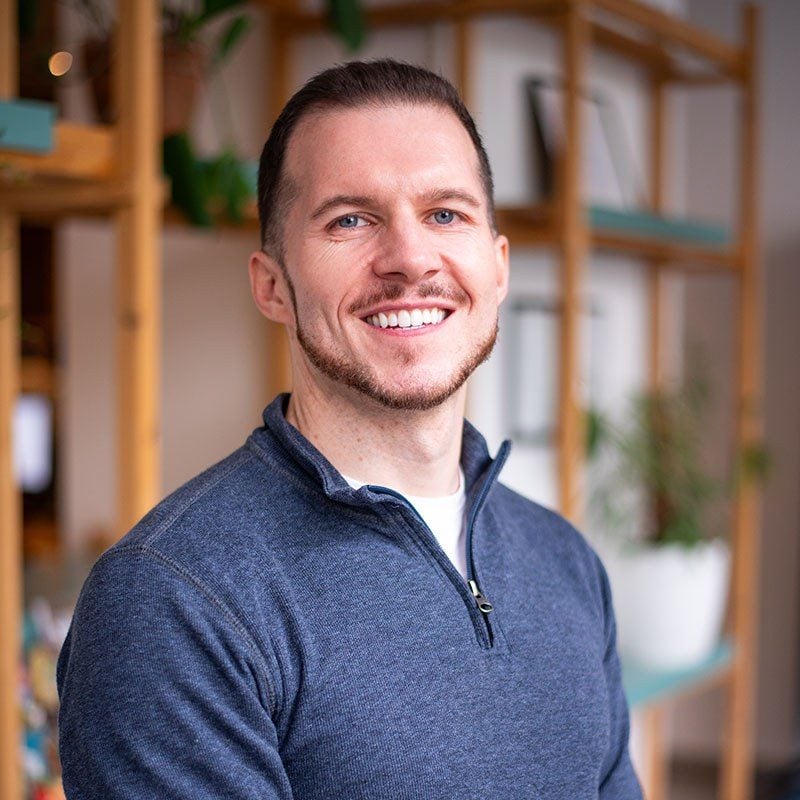
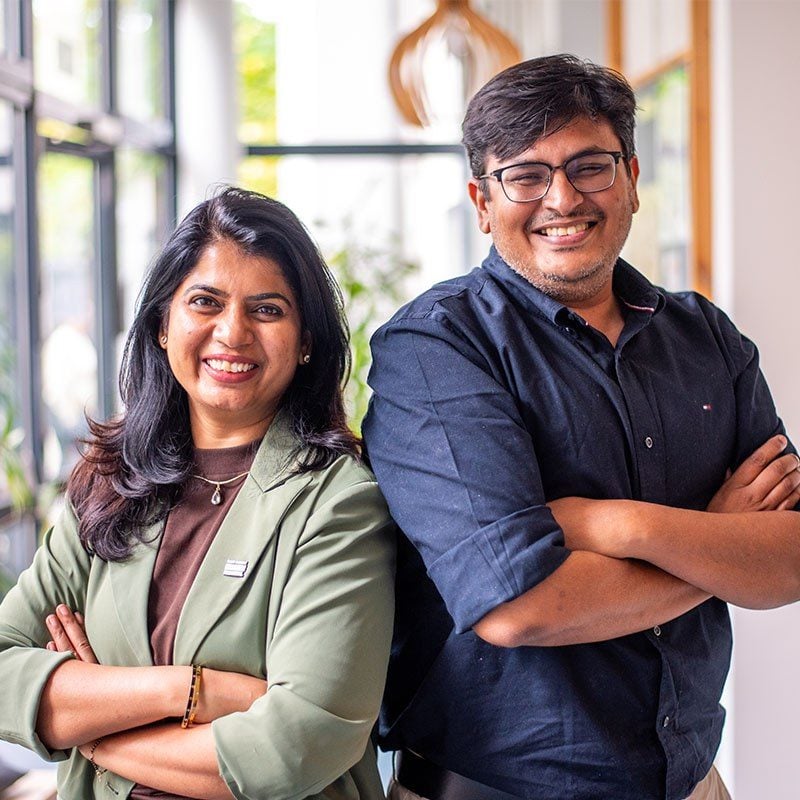
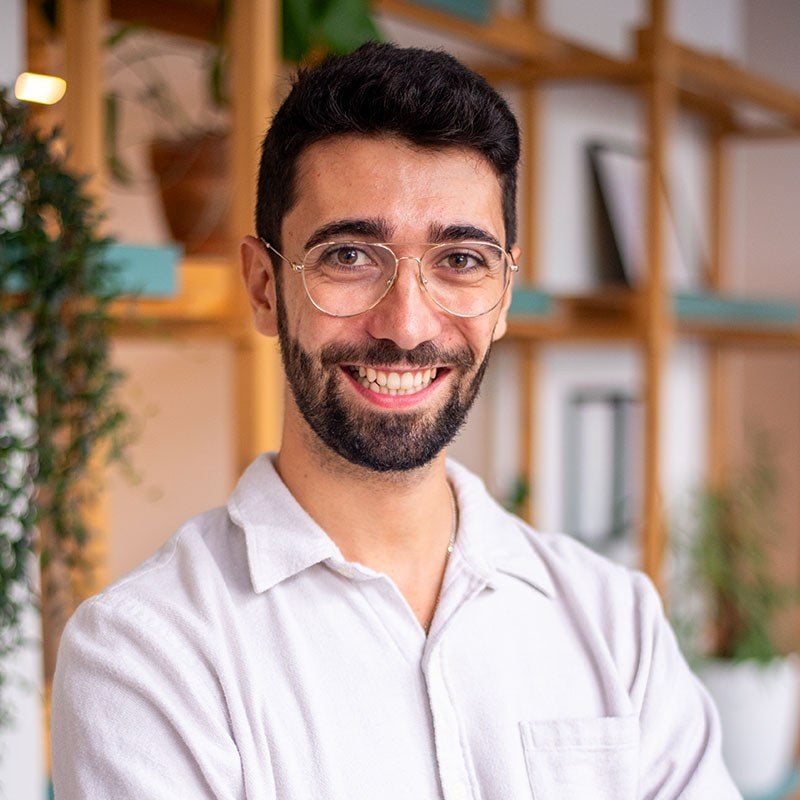
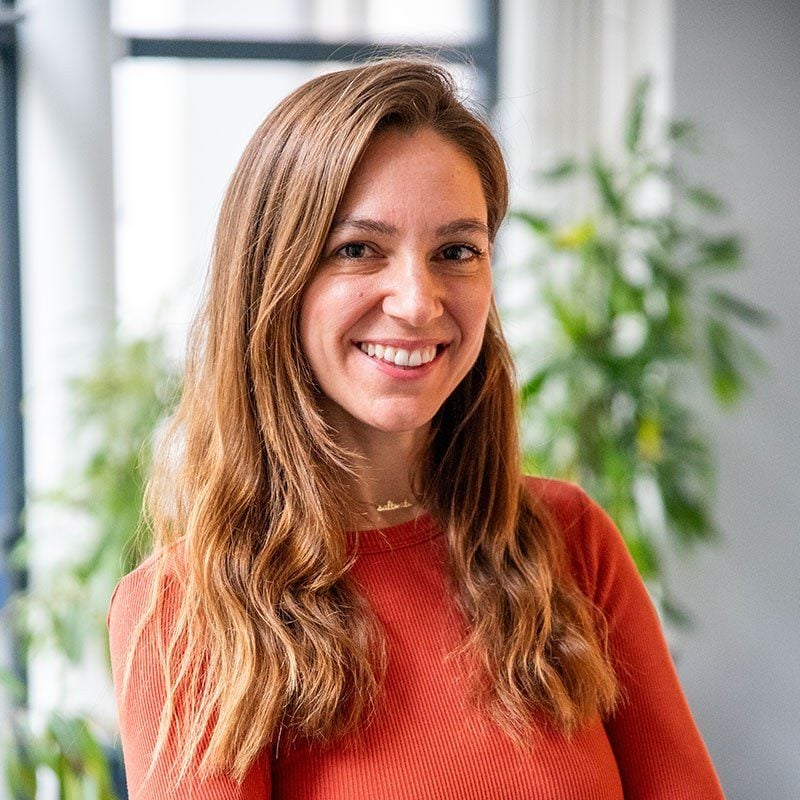
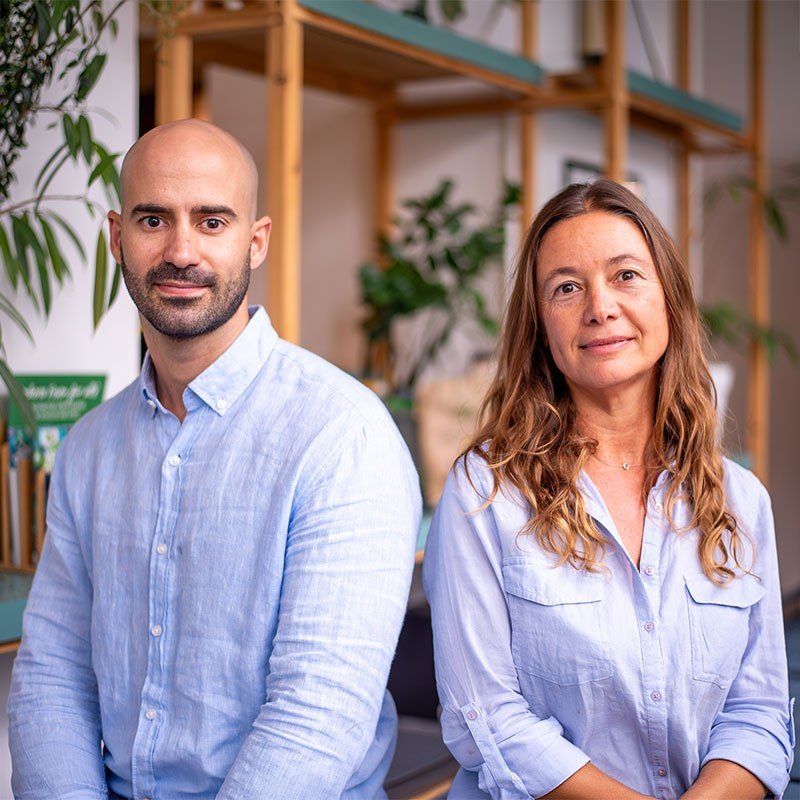
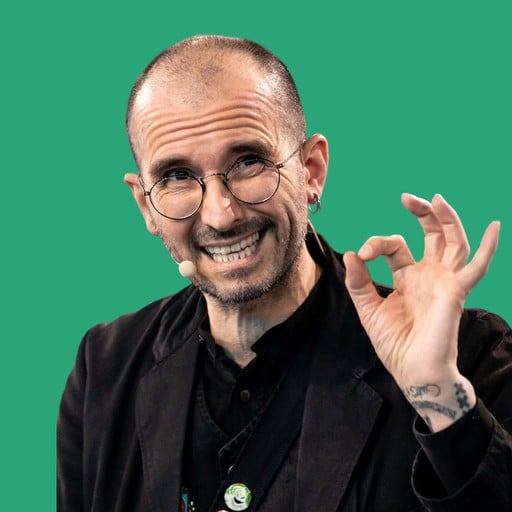
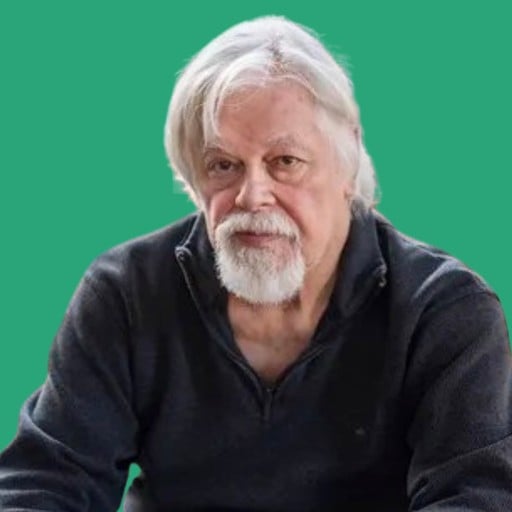
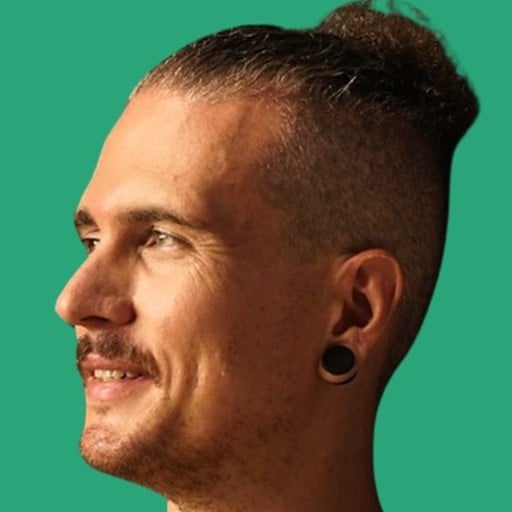
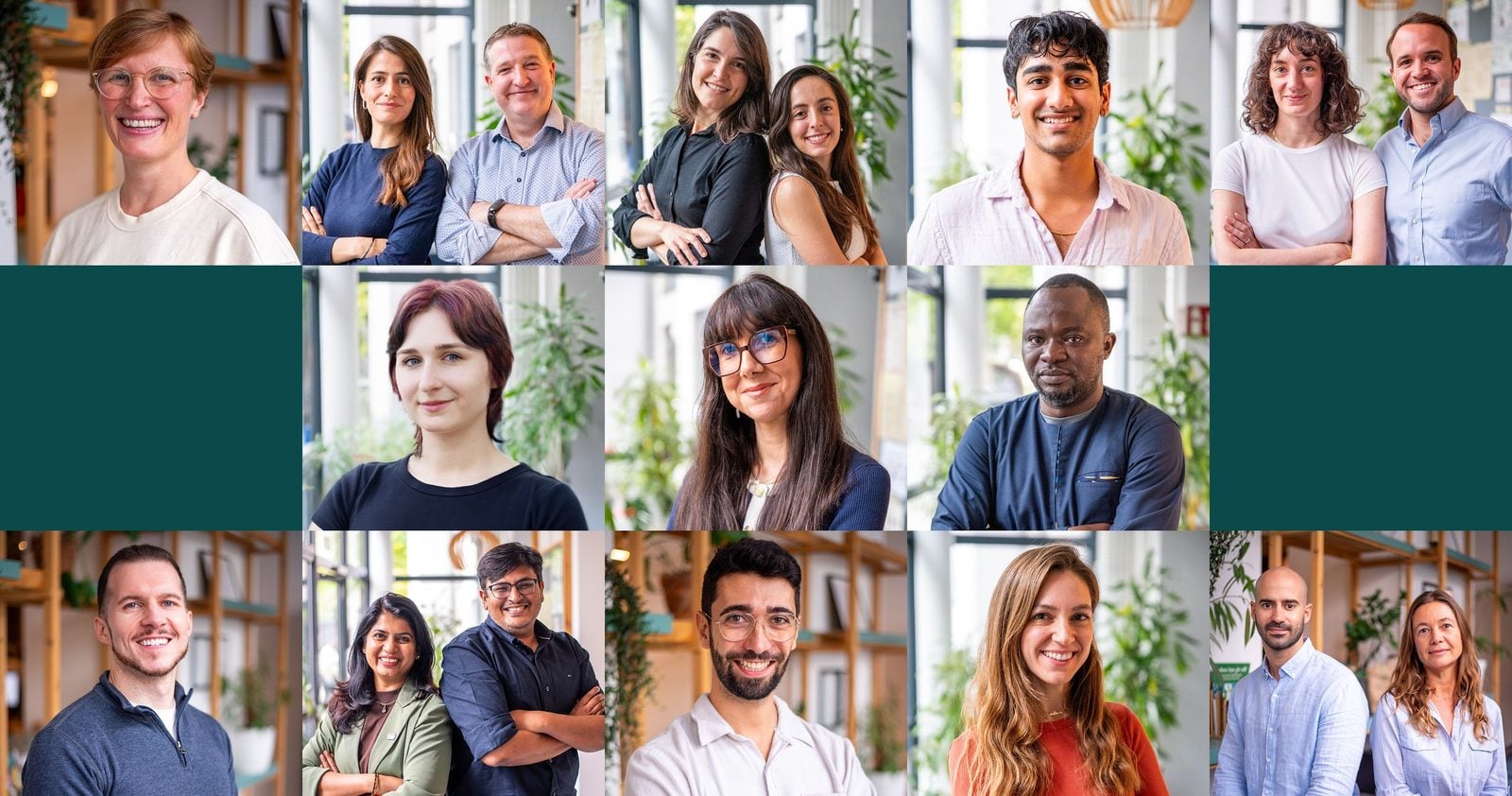
Porträts der Gründer*innen aus der Kohorte 2026 von Kickstarting For Good
Kohorte 2026. Fotos: Kickstarting For Good

13 initiatives, one goal: a food system with fewer animals. The Berlin-based incubator Kickstarting For Good has introduced its 2026 cohort, including projects that write AI rules for farmed animals, make soy milk in Kenya and help African governments adopt plant-based food policies. Here are all publicly announced teams and their ideas.

Werbe-Hinweis: Dieser Artikel enthält Affiliate-Links. Kaufst du über einen dieser Links, erhalten wir eine kleine Provision. Für dich ändert sich am Preis nichts. So finanzieren wir die Redaktion und bleiben unabhängig. Danke für deinen Support. Als Amazon-Partner verdienen wir an qualifizierten Käufen.

In short

  • What: Kickstarting For Good is a Berlin incubator for projects moving the food system towards plants
  • The programme: 18 weeks with two in-person weeks in Berlin, travel and accommodation covered
  • Selection: more than 1,200 applications for 2026, 13 initiatives publicly announced
  • Funding: graduates can compete for more than $1 million in grants and seed funding, according to the incubator
Contents4 chapters
  1. 01About the incubator
  2. 02The 2026 cohort
  3. 03The animal ethics view
  4. 04Frequently asked questions

About the incubator.

Kickstarting For Good (K4G) is based in Berlin and supports founders and nonprofits working towards a plant-forward food system. The 18-week programme includes two intensive in-person weeks in Berlin. After ten weeks, a “Mission Readiness Review” decides which teams continue to graduation. Not all participants are listed, because some projects are confidential.

The best of the magazine, once a week

New tests, recipes and real research, plus the discount codes from our partners. Free, unsubscribe any time.

The 2026 cohort.

Henrike Gätjens, AIGAH

Policy change

AIGAH

Henrike Gätjens

AI already runs much of animal farming, yet none of it has to be reported. The AI Governance for Animals Hub wants farmed animals written into the AI rules now taking shape in the EU and UK, and drafts policy text for advocacy groups.

Learn more: AIGAH →

Claudia Samaras and Tim Polkowski, Better Food Systems Fund

Capacity building

Better Food Systems Fund

Claudia Samaras and Tim Polkowski

Plant-forward food system change is badly underfunded. This regranting fund packages the strongest interventions into clear, evidence-based funding theses and moves philanthropic money towards them.

Learn more: Better Food Systems Fund →

Angela Aristizábal and Tamara Baia, Fellowship Academy

Careers

Fellowship Academy

Angela Aristizábal and Tamara Baia

Around 15 fellowship programmes now train people for careers in food system change and farmed animal advocacy, mostly in silos. Meta Fellowships connects them, shares tools and standards and incubates new programmes where gaps exist.

Learn more: Fellowship Academy →

Navin Durbhakula, Food 4 Thought

Careers

Food 4 Thought

Navin Durbhakula

US university dining is buying more chicken, seafood and eggs despite sustainability goals. Food 4 Thought works with the people who control sourcing and menus to replace chicken and seafood with animal-free options across hundreds of campuses.

Learn more: Food 4 Thought →

Francesca Sturiale and Bennett Iorio, Food Security Policy Program

Policy change

Food Security Policy Program

Francesca Sturiale and Bennett Iorio

The programme shows US policymakers that shifting to plant protein strengthens national resilience, and pushes for plant protein incentives in federal food programmes such as food stamps and school meals.

Learn more: Food Security Policy Program →

Maya Cygańska, Hatching Impact

Policy change

Hatching Impact

Maya Cygańska

Hatching Impact helps small advocacy groups across the EU win national policy change for food systems and farmed animals, just as EU animal welfare law is being revised.

Learn more: Hatching Impact →

Marine Lercier, ICARE

Capacity building

ICARE

Marine Lercier

ICARE’s free Law & Policy Lab gives food system and animal advocates the legal, policy and AI skills to turn real reform opportunities into effective interventions.

Learn more: ICARE →

Erick Ndenga, Malnutrition Matters

Nutrition

Malnutrition Matters

Erick Ndenga

In Western Kenya, locally grown soy often ends up as feed for factory farms while families cannot afford protein. Malnutrition Matters builds a network of 50 community entrepreneurs who make and sell affordable soy milk, yoghurt and other soy foods.

Learn more: Malnutrition Matters →

Ryan Gourley, Momentum

Careers

Momentum

Ryan Gourley

Momentum helps students at leading universities find their place in the movement, connecting them with the people and opportunities where they can make the biggest difference.

Learn more: Momentum →

Priyanka Srinivas and Sasikanth Chemalamudi, NEST4ALL

Nutrition

NEST4ALL

Priyanka Srinivas and Sasikanth Chemalamudi

India’s public nutrition programmes reach hundreds of millions of children and women on tight budgets. NEST4ALL develops affordable, animal-free foods that deliver more nutrition per rupee through these programmes.

Learn more: NEST4ALL →

Matt Unerman, Sourcing Stewards

Careers

Sourcing Stewards

Matt Unerman

Sourcing Stewards coaches people who care about better food systems into procurement and sustainability roles in UK food businesses, where they can steer sourcing away from factory farming.

Learn more: Sourcing Stewards →

Angelina Dobler, The Campaign Academy

Capacity building

The Campaign Academy

Angelina Dobler

The Campaign Academy gives working campaigners in-depth strategy training in small cohorts, with expert mentoring and peer support that continue after the programme ends.

Learn more: The Campaign Academy →

Enric Noguera and Cindy Veltens, The Root Alliance

Policy change

The Root Alliance

Enric Noguera and Cindy Veltens

The Root Alliance works with African governments to adopt national plant-sourced food policies, helping countries avoid the factory farming path before industrial animal agriculture takes hold.

Learn more: The Root Alliance →

The animal ethics view.

Most animals killed for food die because canteens, retailers and governments organise food that way. Changing the purchasing decision of a university dining service or a country’s food policy affects more animals than individual shopping choices ever could. That is where this cohort comes in. Whether the projects deliver remains to be seen, but the direction is right.

Frequently asked questions.

What is Kickstarting For Good?

A Berlin-based incubator supporting founders and nonprofits that want to make the food system more plant-based.

How many initiatives are in the 2026 cohort?

13 are publicly listed. Some further projects are not named for confidentiality reasons.

Sources ●

Kickstarting For Good: 2026 cohort and initiative pages. Photos: Kickstarting For Good. This article contains an affiliate link to books on food system change. If you buy through it, we receive a small commission at no extra cost to you.

Want our reporting to show up first in Google's Top Stories? Add This Is Vegan as a preferred source on Google.