







Oregano Oil: What Is In It and What the Evidence Shows

+22
99 episodes so far with guests like Dr. Mark Benecke, Atze Schröder or Nathan Goldblat
Listen to the Podcast →9 min read

Oregano (Origanum vulgare) is a popular spice of Mediterranean cuisine and spices up traditional dishes with a slightly tart note in no time. It has also been used as a household remedy since ancient times, long before anyone could test what it actually does. Even the ancient Romans knew the tasty spice and we still use it today. Oregano oil is sold for internal and external use and marketed for just about every complaint there is.
This article goes through what is in the oil, how to handle it, whether oregano oil is carcinogenic, and where the evidence for the promises runs thin.
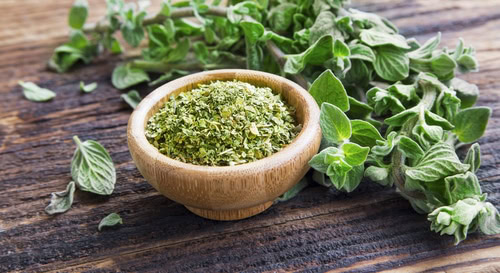
Meanwhile, the plant from the Mediterranean is cultivated worldwide in temperate climates. The ingredients such as thymol, Carvacrol, iron, magnesium, calcium and P-cymol can vary slightly in concentration due to the soil conditions.
Oregano oil
is obtained using a steam process. Nearly everything that gets claimed for it goes back to laboratory work: carvacrol and thymol slow the growth of bacteria and fungi in a petri dish. That is a long way from an effect in a human body, and the clinical trials that would close the gap are largely missing. The oil is rich in antioxidants. Oregano keeps most of its aroma when you process the herb freshly.
Oregano has a long history in traditional medicine, in Europe as much as in China. Traditional use tells you that people have tried something for a very long time. It does not tell you that it works.
Oregano oil is a food, not a medicine. It does not replace treatment, and if you have health problems you should talk to your doctor before taking it.
These are the uses you will see advertised, and what actually stands behind them (overview):
When buying the natural remedy, you can choose between
oregano oil capsules
and
the oreganooel
. The oils available at the supermarket are more suitable for cooking, so opt for the 100% essential oil.
The same applies to oregano oil capsules: Make sure that there are no additives such as magnesium stearate, stabilizers or artificial flavors . Conventional kitchen herbs are often contaminated with pesticides, so you should alwaystake organic products as oregano oil .
The positive thing about the oregano oil capsules: they prevent you from not noticing the sharp taste of the oil and having it in your mouth.
The best of the magazine, once a week
New tests, recipes and real research, plus the discount codes from our partners. Free, unsubscribe any time.
Essential oils should always be diluted when used internally and externally. Always test beforehand how you react to the oregano oil. If you suffer from iron deficiency, it is recommended to take it two hours before or after meals, as oregano can interfere with the absorption of iron. Oregano can also enhance the effect of blood-thinning drugs. If you take them, ask your doctor before you start.
Some women have experienced oregano oil during pregnancy/lactation that trigger preterm labor. Toddlers and babies should also not take oregano oil, as it is a powerful remedy. Pyrrolizidine alkaloids (PA) are formed by the plant itself and are highly harmful to health in high concentrations. Again and again, contamination by foreign plants and stems is found in rubbed oregano. Seasoning with dried oregano is not a health problem in usual quantities.
So that you can find the right oil, we have put together a few criteria that can make your purchase decision easier.
Which form makes sense depends on what you want to do with it. Oregano oil capsules are sold as a dietary supplement and are easier to dose, and they spare you the taste. The liquid oil is mostly used externally, always diluted.
Consider your different areas of application and use the oil quickly after opening. As a rule of thumb for use, you can use 10 ml oregano oil dosage or 90 capsules for 3 months . Liquid oils must always be used diluted , otherwise it can cause damage to mucous membranes and on the skin.
This plant compound occurs in many Mediterranean plants. In laboratory tests it acts against fungi and bacteria and dampens inflammatory markers. Those are cell and animal experiments. What they say about a few drops in a glass of water is: not much, not yet.
There is a rumor that oregano oil is carcinogenic . We took a closer look at where this comes from.
There were recalls by some manufacturers, who banished the dried spice from the shelf. Consumers should no longer consume crushed oregano, as a possible health hazard due to increased levels of pyrrolizidine alkaloids (PA) has been identified. PA occurs naturally in various plants and is a secondary plant ingredient for the plant’s own protection. During harvesting, surrounding plants are unintentionally harvested and contaminate the oregano. Animal experiments have shown that the consumption of large amounts of pyrrolizidine alkaloids is mutagenic and carcinogenic. Again and again, oregano samples are targeted by food inspectors because of their high PA content.
That oregano oil is carcinogenic, can not be confirmed. Commercially available rubbed oregano is partially adulterated with other leaves. For this reason, oregano for spreading has often been declared harmful to health in the past. Fresh oregano, on the other hand, is not toxic and can be consumed safely. We recommend paying attention to the organic seal, as this guarantees regular checks and laboratory reports.
One more word on cancer, because the claim is everywhere: what exists are cell-culture studies in which carvacrol slowed the growth of tumour cells in a dish. There is no clinical trial showing anything of the sort in people. Oregano oil does not treat cancer and it does not ease the side effects of chemotherapy. If you are in treatment, talk to your oncologist before taking any supplement. Some of them interfere with therapy.
We have used the
oregano oil
from Aimilios Organics in the team for over a year, and yes, we earn a commission through the affiliate links in this article. So here is the honest version: we like the stuff, and what we have is anecdote, not evidence.
At the first hint of a cold it goes into our tea, juice or, for the hard cases, into a sip of water or another oil. Whether the cold then passes faster than it would have anyway, we cannot tell you, and neither can anybody else, because the trial that would answer it has not been done. Colds pass on their own. That is exactly what makes home remedies feel so convincing. The taste is intense. Never drink it pure.
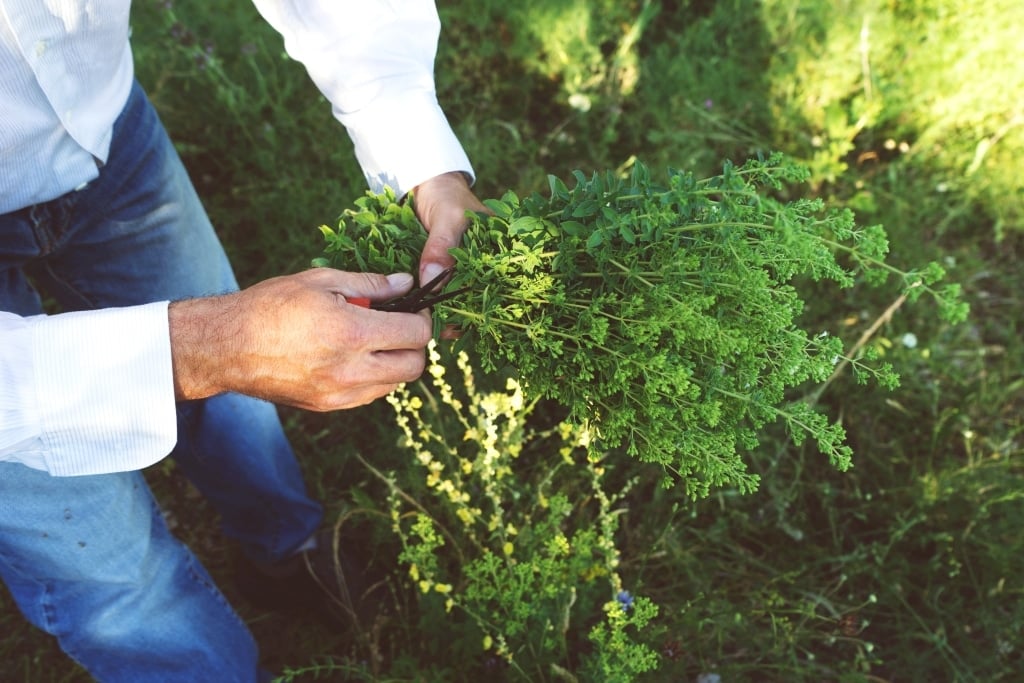
Of course, oregano is also best processed fresh, directly from the garden or the kitchen pot. Even a small amount is enough to give salads, tofu and rice dishes a Mediterranean touch. As a spice, oregano is completely uncontroversial.
For an aromatic
oregano tea
, you only need a teaspoon of dried leaves. Oregano oil is also used on dry, irritated skin: massage it, well diluted, onto the affected areas. A few drops also go into home-made natural cosmetics. The oil is rich in antioxidants.
As written above, we use the Aimilios Organics organic oregano oil diluted, for example in tea at the first signs of a cold. We like it. That is a preference, not a health claim, and it should be read as one. Give it a try and let us know what you think in the comments below.
Bioactive Natural Compounds and Antioxidant Activity of Essential Oils from Spice Plants: New Findings and Potential Applications
Essential Oils of Oregano: Biological Activity beyond Their Antimicrobial Properties
Effectiveness of plant products against herpes infections
Antimicrobial Activity of Basil, Oregano, and Thyme Essential Oils
Oregano Oil May Protect Against Drug-Resistant Bacteria, Georgetown Researcher Finds
Oregano Essential Oil as an Antimicrobial and Antioxidant Additive in Food Products
Antioxidant capacity variation in the oregano (Origanum vulgare L.) collection of the German National Genebank
Sensitivity of Candida albicans to essential oils: are they an alternative to antifungal agents?
National reporting “Pesticide residues in food”
Tables for National Reporting on Pesticide Residues in Food 2019
Oregano – national library of medicine
Oregano – an aromatic but rich kitchen herb. Part I: Pyrrolizidine alkaloids
Photos: Sabrina Hrovatin / Unsplash / Pixabay / Envanto / Aimilios Organics

Input your search keywords and press Enter.
The top 5 of the past four weeks.
Once a week: the best recipes, events and exclusive deals, straight to your inbox.
Sign up freeIndependent and free to read. Every donation makes us a little less dependent on ads.
Donate nowIndependent magazine for vegan living, animal protection and sustainability.
Reach people who decide what goes into their cart by values.
A word from us
TIV is independent, light on ads and firmly on the animals' side. If this article was worth something to you, help carry the movement a little further.
Donate now →🔒 Secure via credit card, Apple Pay, SEPA & PayPal · any amount works
Then follow us instead, it costs nothing and keeps us going. A follow, a comment or a share already helps a lot:
And on Spotify, a positive rating for the Plantbased Podcast makes our day. It takes 10 seconds and gives us a mighty push.
Newsletter · free
New tests, recipes and real research, plus the discount codes from our partners. No spam, one click to unsubscribe.