






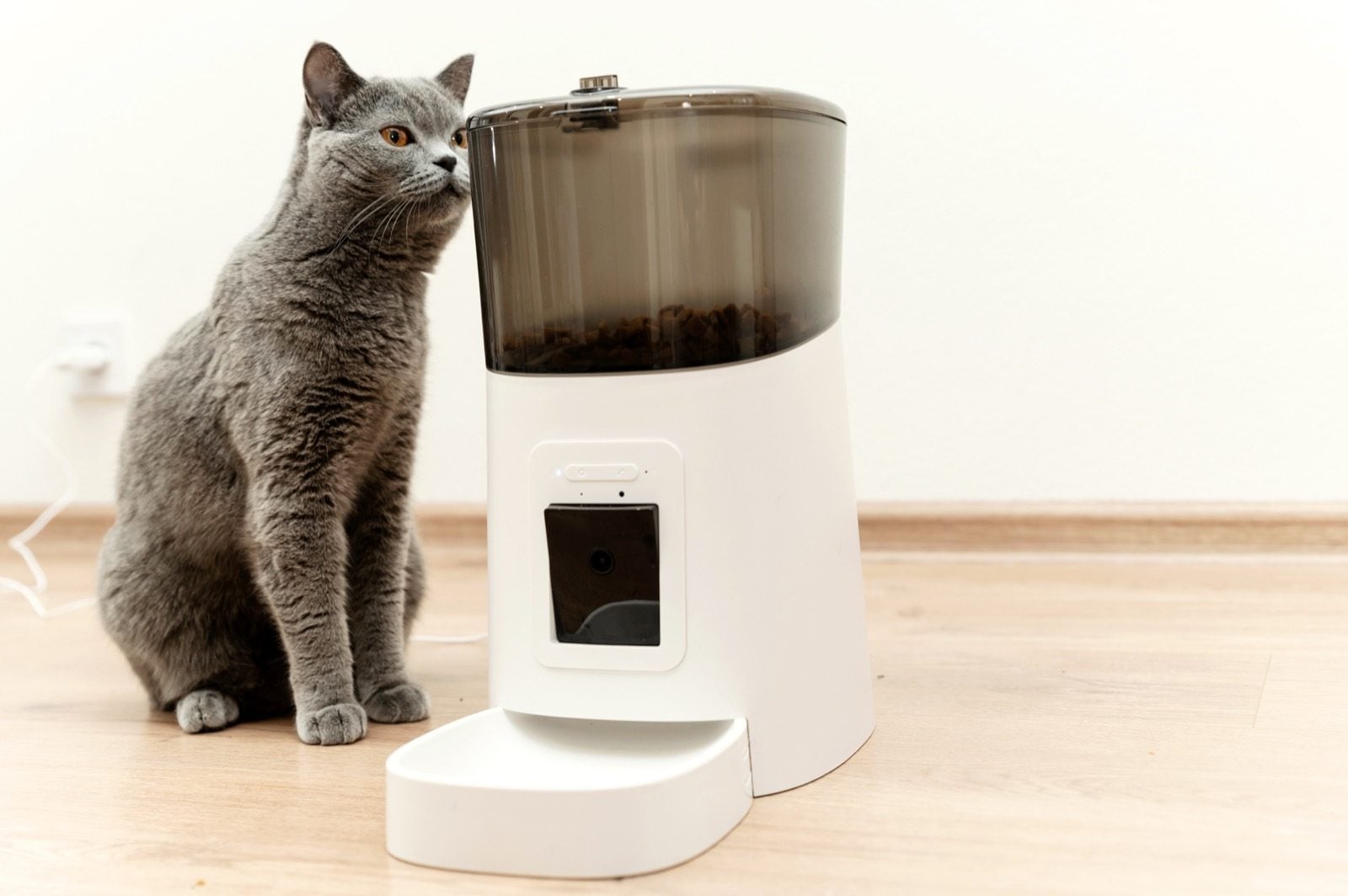
For 38 hours, Petlibro’s servers were down, and in homes across several continents, automatic pet feeders went quiet. The company says feeding schedules saved on the devices kept running locally. A lot of users report the opposite. The case is a reminder of how much trust we hand to a device that stands between an animal and its meal.
Contents5 chapters
What happened
Petlibro sells connected devices for dogs and cats: automatic feeders, water fountains, self-cleaning litter boxes. Everything runs through an app, and everything depends on the company’s cloud.
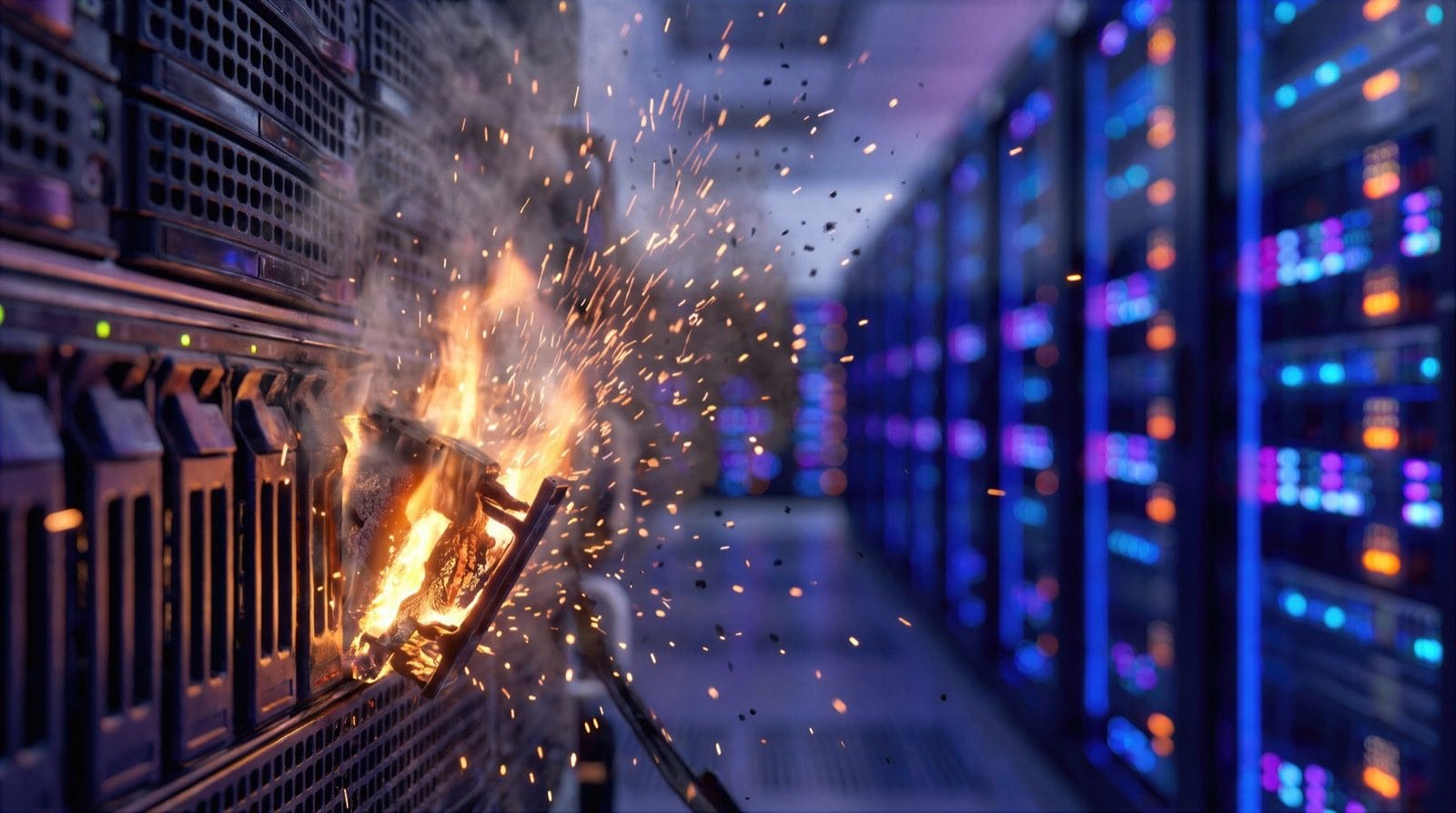
On Tuesday, 11 August 2026, at 5am Pacific time, that cloud went down. According to the company, app access, device connectivity, remote control and device setup were all affected. The outage was resolved on Wednesday at 7pm Pacific time. That is 38 hours.
The contradiction at the centre of it
On its status page, Petlibro states that feeding schedules and other settings saved to a device before the disruption continued to run locally, provided the device had not been reset. Anyone who changed something during the outage was warned that the change may not have been saved.
Forums and social media tell a different story. Owners describe feeders that dispensed nothing, devices that stayed offline and refused to reconnect, and animals waiting for a meal that never arrived. According to those reports, Granary and RFID feeders, Dockstream water fountains and the Luma litter box were affected.
Both accounts sit side by side, and neither can be verified independently from the outside. What can be said: a device that performs its core function only with the help of someone else’s servers has a point of failure its owner cannot control.
Why this matters beyond gadgets
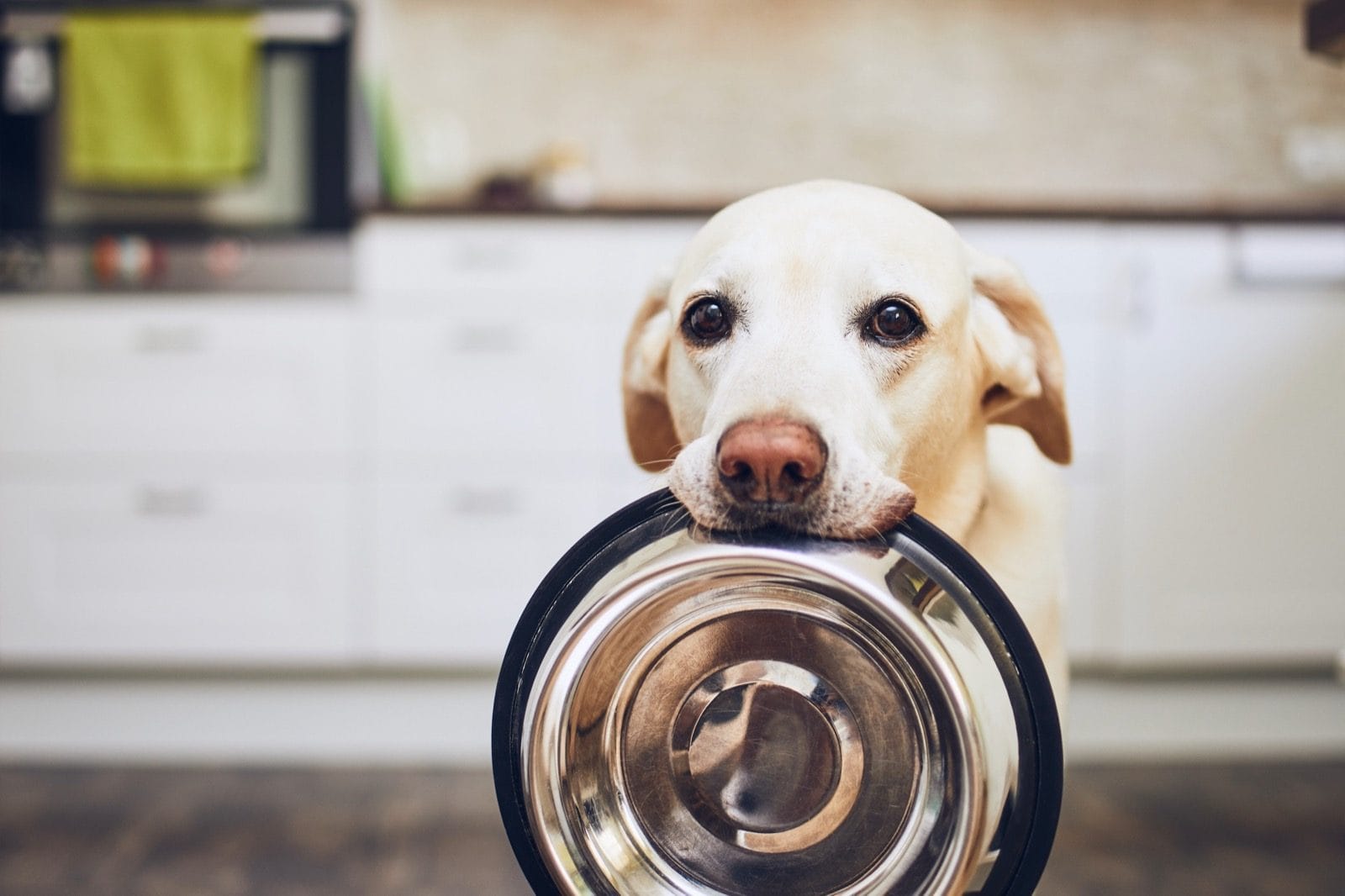
An automatic feeder is not a light switch. When a smart bulb fails, the evening is dark. When a feeder fails while its owner is away on a trip, a living being goes hungry behind a door it cannot open.
It gets tighter with animals whose feeding is tightly scheduled anyway. Cats with diabetes need their meals at fixed intervals. Young animals eat several small portions a day. And anyone who has moved a pet onto a specific diet tends to watch quantity and timing closely.
What to do about it
- Test whether your feeder works without internet. Unplug the router, wait for the next scheduled feeding, and see whether it happens. That is the only test that counts.
- Leave a portion openly accessible when you are away for longer. With dry food, a second bowl is the simplest insurance there is.
- Give someone a key. A neighbour, a friend, a pet sitter. A human who can go and look beats any push notification.
- Do not rely on the app to warn you. During a cloud outage, the alert telling you something failed goes down too, so you may never hear about the problem.
- Two devices beat one if you travel often. Ideally from two different manufacturers, so they cannot fail at the same time.
The bigger question
This case joins a line of similar stories. Connected devices are sold as household objects, but they behave like subscriptions: they need a running service in the background, and that service belongs to somebody else.
With a speaker, that is annoying. With a device that controls an animal’s food supply, it is a question of responsibility. Anyone selling such feeders should keep the core function entirely on the device and be able to demonstrate it. Until that is the standard, the backup plan is the owner’s job.
Where these details come from
The start, end and scope of the outage, along with the statement about locally stored schedules, come from Petlibro’s official status page, accessed on 14 August 2026. The 38-hour figure is our own calculation from the times given there. Reports of missed feedings come from forums and social media and could not be verified independently, which is why they appear here as reports rather than as fact.
Want our reporting to show up first in Google's Top Stories? Add This Is Vegan as a preferred source on Google.