







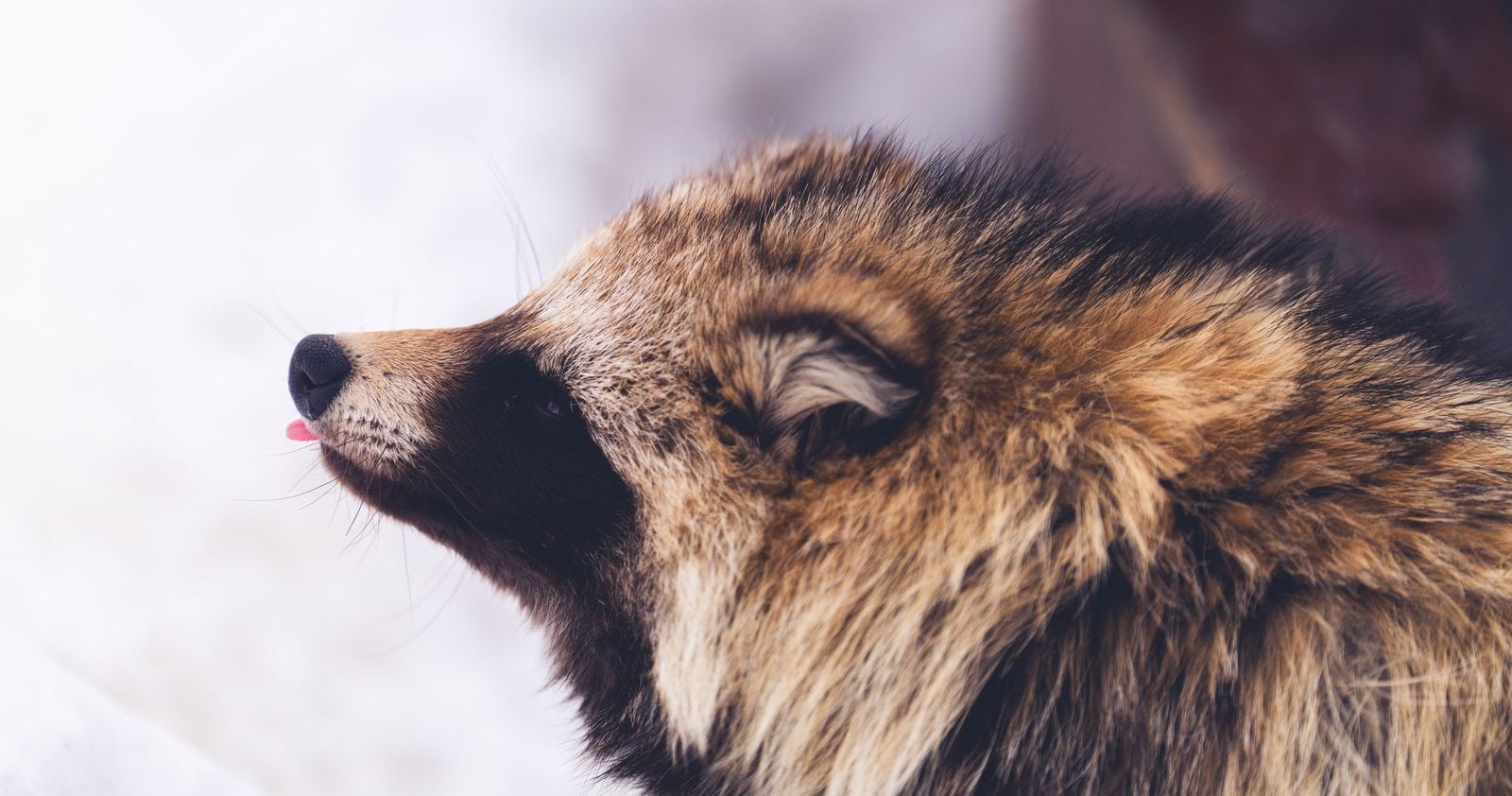
Woolrich is dropping fur. On 14 October 2026 the outdoor brand announced that from 1 January 2027 all new collections sold in Europe will be fur-free. The decision follows more than a year of pressure from animal protection groups, including over 200,000 emails and protests outside stores across Europe.
In short
- The decision: Woolrich Europe stops producing garments with animal fur by the end of 2026
- From when: all new collections are fur-free from 1 January 2027, existing stock will still be sold
- Where: all Woolrich stores in Europe
- Why now: a Fur Free Alliance campaign since September 2025 and a new owner
- The animals: hood trims used fur from coyotes and raccoon dogs, among others
Contents6 chapters
What Woolrich has committed to.
Woolrich Europe has joined the Fur Free Retailer programme, which according to its organisers includes around 1,700 brands and retailers. By 31 December 2026 the company will stop producing new garments with real fur. Existing stock may still be sold. From 1 January 2027 every new collection will be fur-free.
The commitment covers all Woolrich stores in Europe. The brand runs 33 stores and outlets worldwide, 23 of them in the EU. Woolrich Europe also says it will push for the policy to apply outside Europe. The brand rights there belong to a different company, and no commitment for those markets exists yet.
How it happened.
In September 2025, during the fashion weeks in New York, London, Milan and Paris, the Fur Free Alliance launched a campaign against Woolrich. The coalition of 45 animal protection organisations in more than 30 countries, including Humane World for Animals and FOUR PAWS, urged the brand to follow Canada Goose, Moncler, Napapijri and Parajumpers, which had already dropped fur. Woolrich did not respond at first. Protests followed outside stores in cities including Frankfurt, Hamburg and Munich.
Then the owner changed. In November 2025 the Italian group BasicNet, which also owns Kappa and K-Way, bought Woolrich’s European business for around €40 million from the Luxembourg investment fund L-Gam. According to the Fur Free Alliance, the decision to go fur-free was taken by the new owner.
Joh Vinding, chair of the Fur Free Alliance, called it a sign of the times that a brand which once made fur-trimmed coats for fur trappers is now going fur-free. Woolrich was founded in Pennsylvania in 1830 and is considered the oldest outdoor clothing brand in the United States.
Why the timing matters.
The announcement comes while the European Commission is deciding on the future of fur farming. The European Citizens’ Initiative “Fur Free Europe” gathered more than 1.5 million signatures for an EU-wide ban. The Commission originally planned to respond in March 2026, then postponed its answer until after the summer. It has still not been published.
According to the Fur Free Alliance, fur farming is banned in 24 European countries. Israel has banned fur sales, as have 16 US cities and the state of California. Switzerland recently voted to ban imports and sales of fur produced with cruelty.
Shely Bryan, who directs the fur-free programme at Humane World for Animals, sees the decision as a message to Brussels. Since 2014, she says, the number of animals kept and killed for fur has fallen by 86 percent, and every brand that drops fur pushes demand down further.
The animal ethics view.
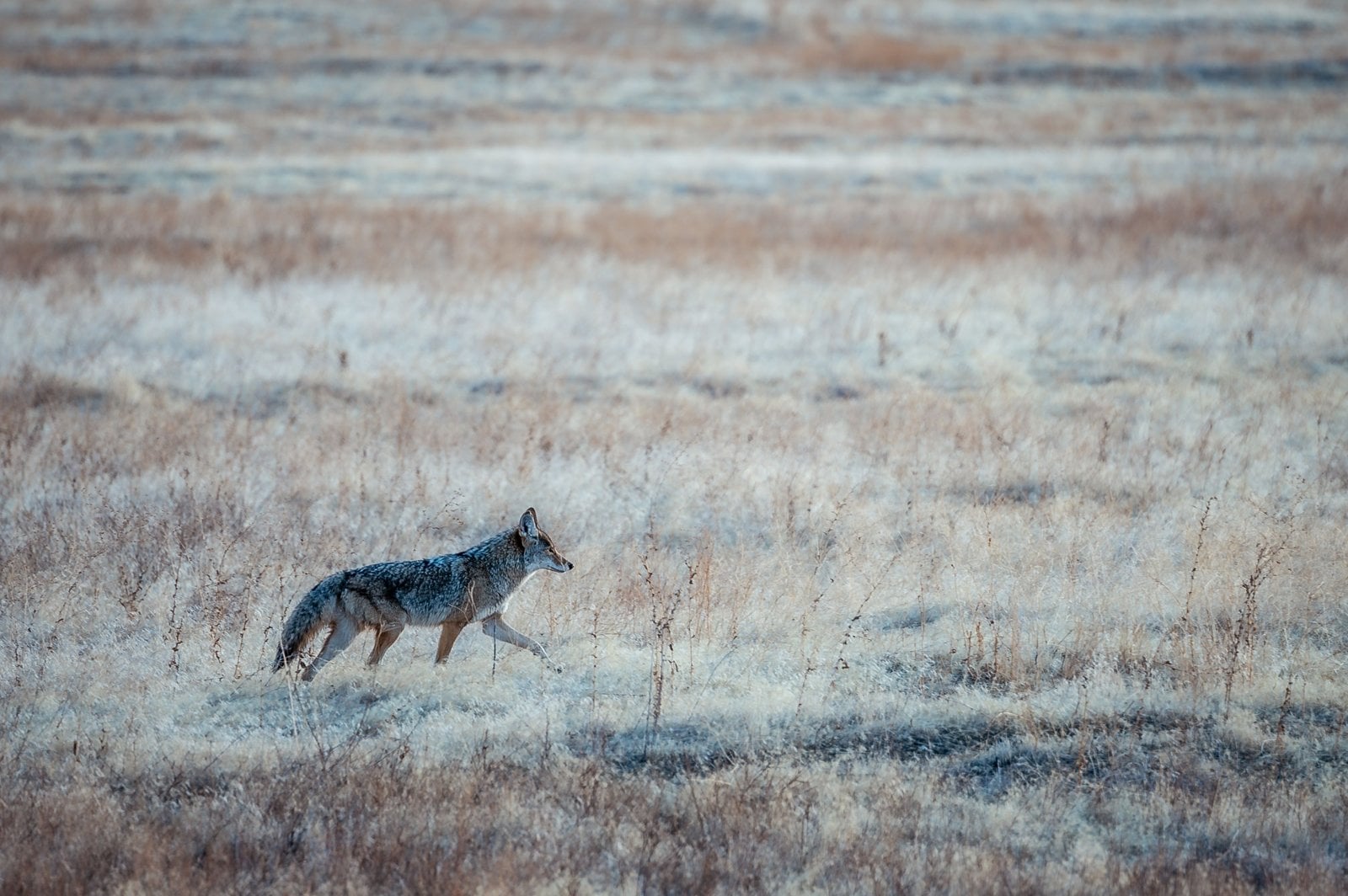
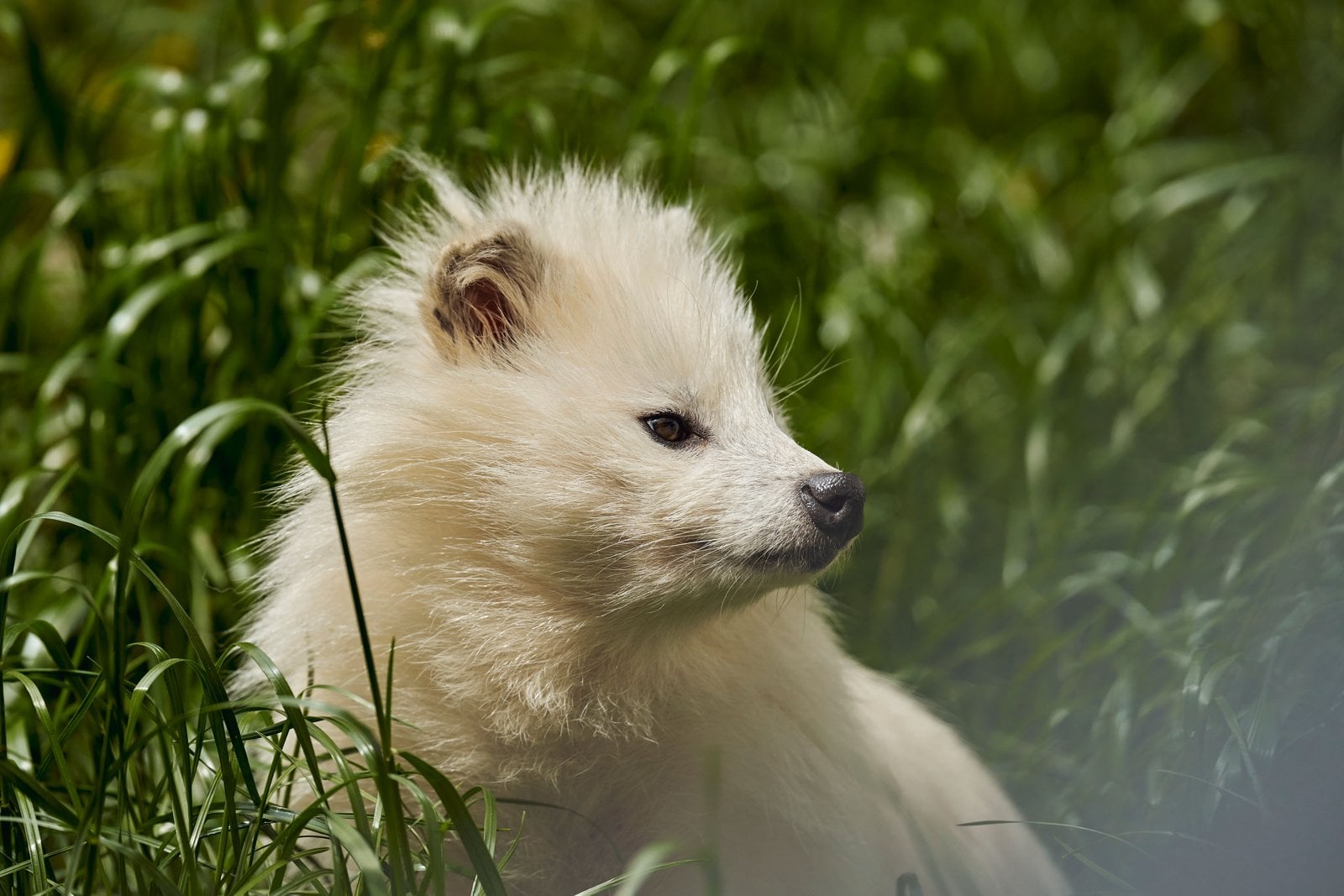
For coyotes and raccoon dogs this is good news. Coyotes in North America are mostly caught in traps, where they often wait for a long time before someone kills them. Raccoon dogs on fur farms, mainly in China and Finland, live in wire cages. Every hood trim that is no longer sewn spares one of these animals that life or that death.
Fur-free does not mean animal-free, though. The brand’s best-known parkas are usually filled with down, and the name Woolrich itself points to wool. Down comes from geese and ducks that are mostly raised and slaughtered for meat. With wool, much depends on how the sheep are kept. If you want to avoid harming animals altogether, look at more than the collar when you buy a jacket.
It is also worth noting how the decision came about. Woolrich held on to fur for years while almost all its competitors dropped it. It took protests, hundreds of thousands of emails and a change of ownership. Campaigns work, and companies rarely give up animal suffering of their own accord.
What you can do.
- Check before you buy. Real fur is often sold as faux fur, especially on cheap pom-pom hats. Real fur has an underlayer and a skin base, faux fur has a woven backing.
- Watch out for down and wool. Warm jackets also come with synthetic insulation, for example vegan down-free winter jackets.
- Don’t resell old fur. An inherited fur coat back in circulation makes fur look normal again.
- Keep the EU in mind. Whether the Commission proposes a ban is still open. Writing to your MEPs adds pressure.
Frequently asked questions.
Does Woolrich still sell fur?
In Europe, only fur-free collections will be sold from 1 January 2027. Garments with fur that have already been produced may still be sold until stock runs out.
Which fur did Woolrich use?
According to the Fur Free Alliance, mainly coyote and raccoon dog fur, typically as trim on the hoods of winter parkas.
Does the decision apply worldwide?
No. It applies to Woolrich Europe and its European stores. The brand rights outside Europe belong to another company. Woolrich Europe says it will push for a fur-free policy there as well.
Are Woolrich jackets vegan now?
Not automatically. Many models contain down or wool. Fur-free only means no animal fur is used.
Sources ●
Press release by Humane World for Animals and the Fur Free Alliance, 14 October 2026. On the campaign since 2025: Fur Free Alliance and FOUR PAWS. On the acquisition: FashionNetwork. Photos: Saya Azeem, Brett Sayles and Wijs (Wise) / Pexels. This article contains affiliate links. If you buy through them, we receive a small commission at no extra cost to you.
Want our reporting to show up first in Google's Top Stories? Add This Is Vegan as a preferred source on Google.