






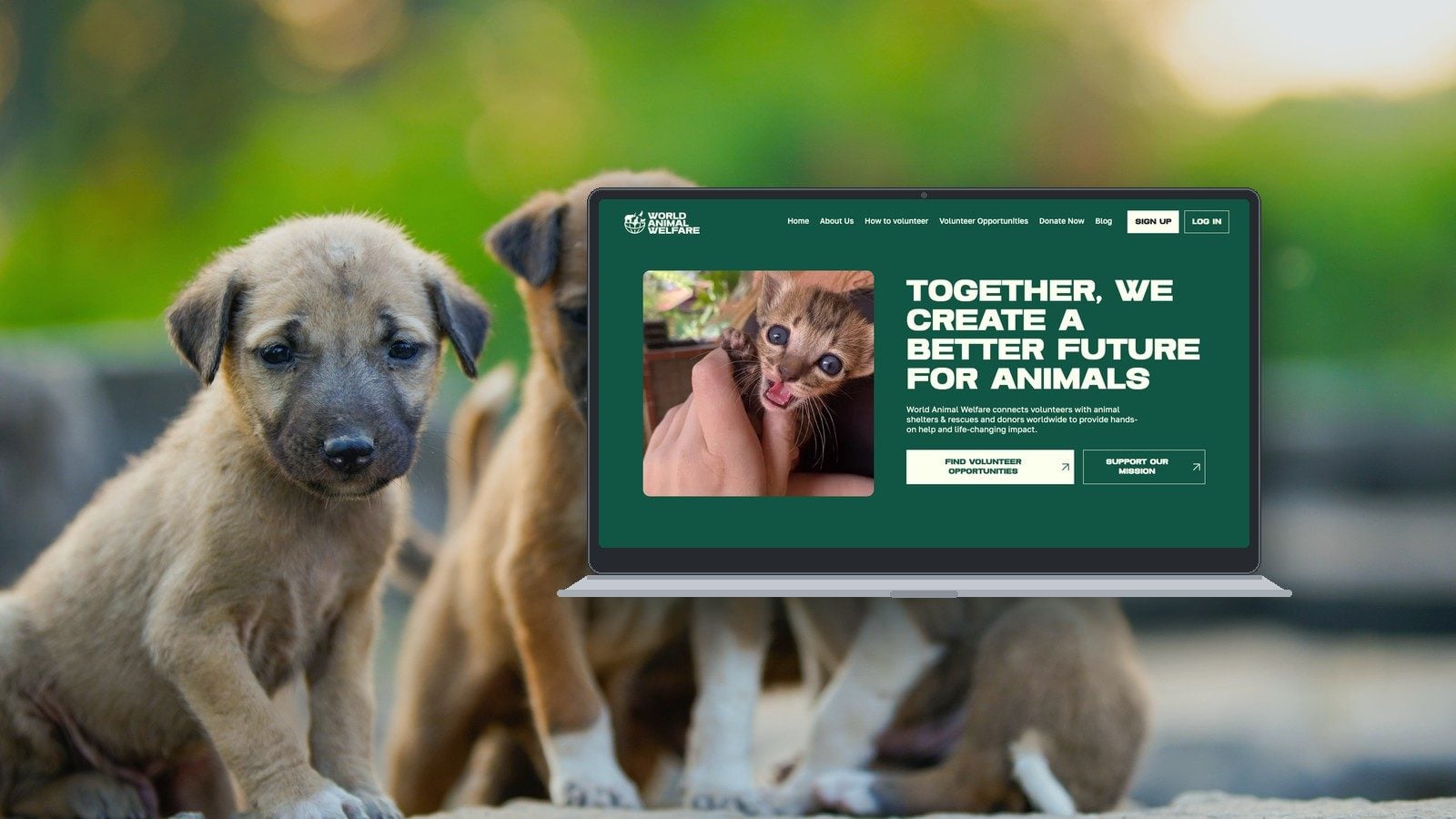
Twenty shelters contacted, eighteen never replied. That experience seven years ago is why World Animal Welfare exists today. The platform connects animal shelters, rescues and sanctuaries worldwide with volunteers, free for both sides. Here is what the project does, what volunteering can and cannot achieve, and why we joined as a media partner.
Quick answer: what is World Animal Welfare?
World Animal Welfare is a free platform connecting animal shelters, rescues and sanctuaries worldwide with volunteers. Neither side pays anything: no programme fees, no pay-to-volunteer. It was founded by management consultant Jessica Dzikonski, who spent years volunteering in shelters herself. According to the organisation, more than 85 partner organisations in over 20 countries have joined since the July 2026 launch, along with around 7,000 community members. Volunteers create a free profile, filter by location, timeframe and skills, and message organisations directly.
Contents8 chapters
Twenty requests, one yes
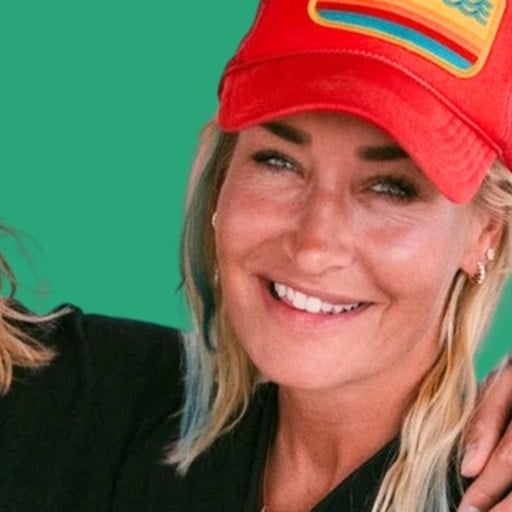
Jessica Dzikonski, Jessi to everyone who knows her, works as a management consultant and has been travelling the world for almost a decade. Wherever she arrived, she looked up local shelters and offered her time for free.
Seven or eight years ago she contacted around twenty organisations. Eighteen never replied. One declined. One said yes.
That sounds like indifference, and it is the opposite. Most small shelters are run by two or three people already working beyond capacity. Every email answered is an hour not spent with the animals. Onboarding a stranger without knowing whether they will stay two days or two months, whether they can handle a frightened dog or will fall apart at the sight of an injured one, costs energy nobody has to spare.
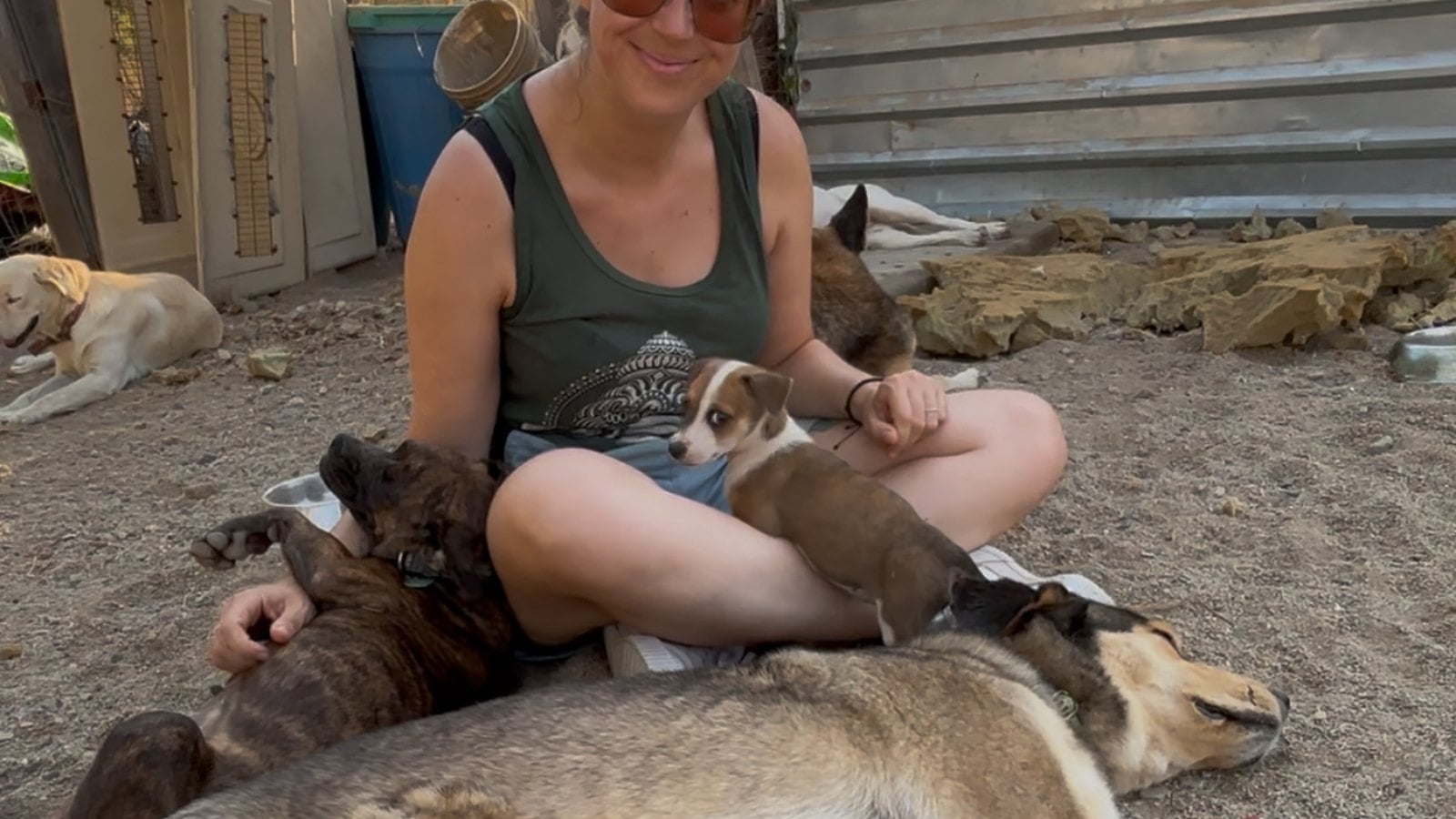
Existing volunteer platforms did not help much. Animal welfare tends to be a small category next to farm work, hostel receptions and language trips. Filter out everything unrelated to animals and a handful of listings remain, half of them outdated.
500 dollars a week for the right to work
During her search, Jessi came across a programme charging 500 US dollars per week. Not for accommodation or food, but for the privilege of working there.
“A volunteer gives the most valuable thing they have: their time.”
Her counter-argument is simple. Nobody gets time back. Paying on top of giving it away turns volunteering into buying an experience, with the shelter reduced to scenery. That pattern is familiar from the wider voluntourism debate and in some countries has produced an industry in which animals become an attraction for paying guests.
The bottleneck is matching
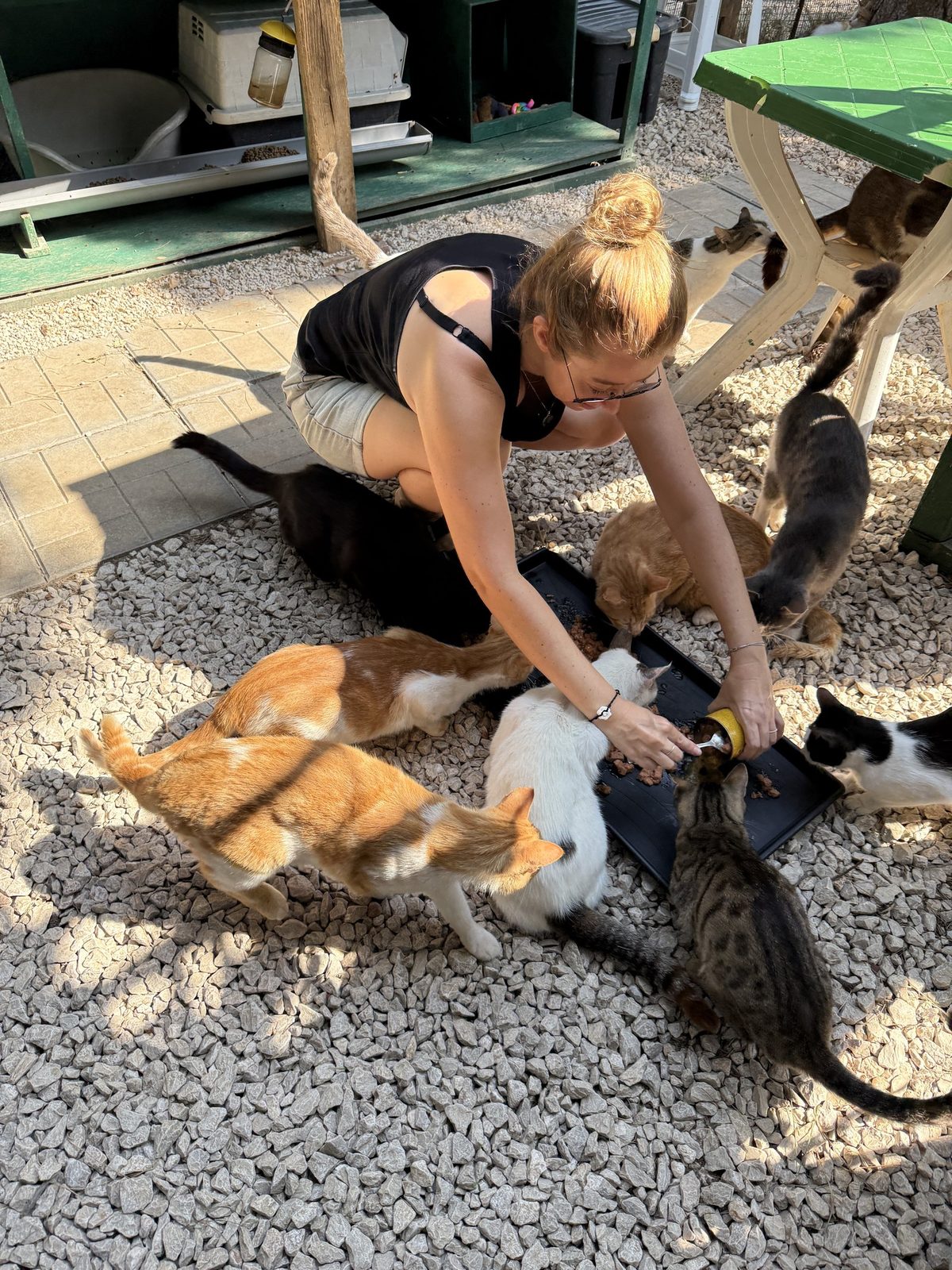
This is not about goodwill, it is about structure. A shelter needs concrete information up front: How long are you staying? Do you have experience with dogs from bad conditions? Can you assist during a spay and neuter campaign? Without that, every enquiry costs several rounds of messages.
World Animal Welfare reverses the order. Volunteers build a profile with skills, availability and resilience. Organisations post placements with tasks, accommodation and requirements. Volunteers then message them directly, with no agency in between.
“We built World Animal Welfare so that a small organisation with three volunteers has the same chance of being found as a large, well-funded sanctuary.”
Current listings include a dog shelter in rural Sicily, a project on the Galápagos Islands, Moalboal in the Philippines, the Caribbean island of Mayreau, Málaga in Spain, a monkey project in Iquitos, Peru, and Hyderabad in India. Veterinary training is far from the only thing needed: dog walking, feeding, cleaning, construction, social media and fundraising are all on the lists, and some of it works remotely.
Who runs the platform
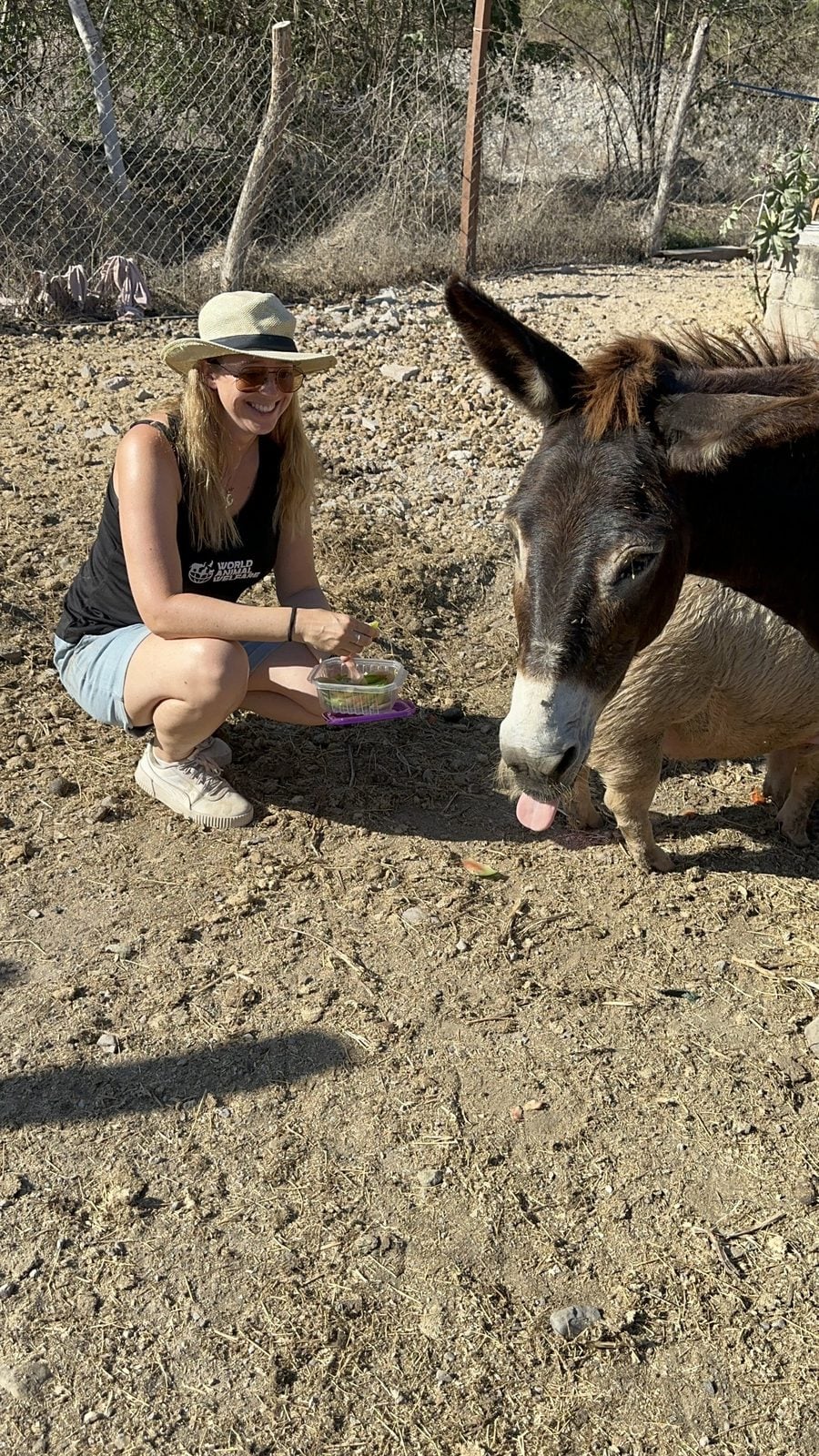
World Animal Welfare is Jessi’s purpose project alongside her consulting work. The organisation says it is entirely bootstrapped, with no revenue stream. No fees, no commission, no subscription.
This is usually the point where scepticism kicks in, and it is warranted: a model without income has to be carried privately, indefinitely. So far it is. What funds the platform long term is the open question, and Jessi names it as such herself.
What is planned next
- Emergency Fund: pooled donations directed to wherever need is most urgent, rather than favouring organisations with the loudest campaigns.
- Flight Angels: adopted animals cannot fly alone. The programme aims to match travellers already heading to a destination with animals waiting to leave, booking the animal onto the traveller’s own ticket.
- On-site process support: Jessi plans to visit partner organisations each year, give them media visibility and use her consulting background to automate administration. Every hour less paperwork is an hour more with the animals.
An honest assessment
We think the project makes sense, and we are not going to pretend volunteering abroad is uncomplicated.
Two weeks of dog walking solves no structural problem. Street dog populations shrink through consistent spay and neuter programmes, not through visits. A volunteer who stays a few days can cost an organisation more onboarding time than they give back in work. Stating your real timeframe honestly is the most important part of your profile.
There is also the question of what a placement does to you. Seeing the condition animals arrive in for the first time does not leave you untouched. In our conversation with Samara Eckardt, that is a central theme; she speaks openly about her PTSD diagnosis after years in animal protection.
And the uncomfortable part: most of the suffering shelters deal with originates in decisions made long before the shelter. Breeding, abandonment, a food system that treats animals as goods. A weekend at a shelter replaces none of those debates. It also replaces nothing if nobody helps. Both are true at once.

Why we joined as a partner
This Is Vegan has been an official media partner of World Animal Welfare since September 2026, and our logo appears on the platform’s partner page. No money changes hands in either direction. What we contribute is reach.
The reasoning is unglamorous. A free platform where a shelter in Guatemala is found as easily as a sanctuary with a marketing budget has exactly one problem: being known. Without volunteers who have heard of it, the best matching system is useless. That is where a magazine can actually help.
We will keep reporting on the platform, feature placements and give partner organisations visibility. That does not rule out critical coverage. If something looks wrong, we will write it.
FAQ
Is it really free?
The platform is free for volunteers and organisations, with no placement or programme fee. Travel, insurance and usually accommodation are your own cost. Some organisations provide housing, which is stated in the listing.
Do I need animal care qualifications?
No. Many placements are basic work: feeding, cleaning, walking dogs, repairing enclosures, communications. Veterinary tasks require the relevant qualification, which the listing specifies.
How long should I stay?
The longer the better for the organisation. Two weeks is a common entry point, many organisations would prefer a month or more. Shorter stays are possible but help less than most people assume.
Can I help from home?
Yes. Fundraising, social media, translation and web work can all be done remotely, and many organisations need that more urgently than another pair of hands on site.
📬 Never miss a story: our newsletter
Transparency note: This Is Vegan is a media partner of World Animal Welfare. No money is exchanged in either direction. Figures on reach, partner numbers and nonprofit status come from the organisation and could not be independently verified by us. Photos: private / World Animal Welfare. Title image: stray dog photo Adobe Stock, screenshot world-animal-welfare.com. Dieser Artikel auf Deutsch: World Animal Welfare.
Want our reporting to show up first in Google's Top Stories? Add This Is Vegan as a preferred source on Google.