







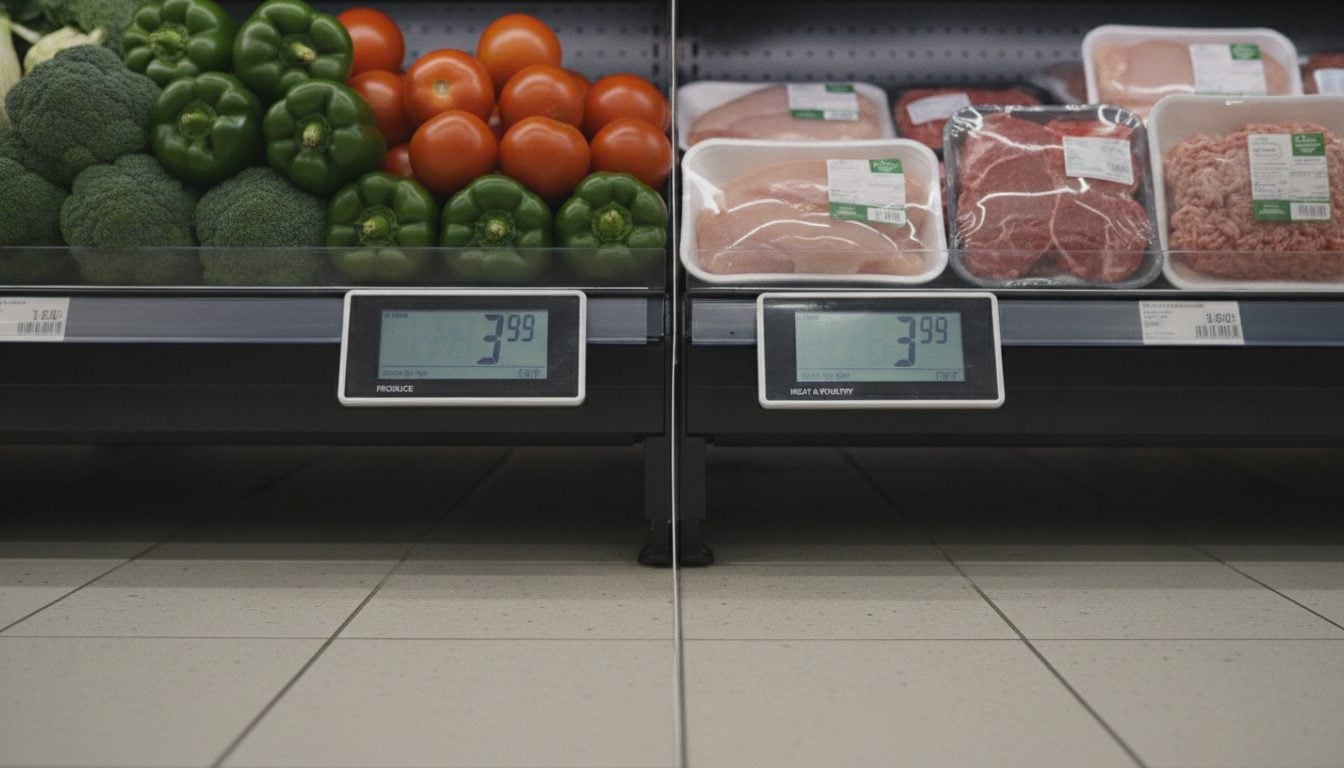
Picture yourself in the supermarket. A tray of chicken breast costs a few dollars. Next to it sits a head of broccoli, and somehow you get the feeling that the handful of veg is nearly as pricey as the meat. That feeling is not fooling you.
There is no mystery of the market behind it. There is a political decision most of us never see. Governments around the world spend hundreds of billions every year to support farming. That money does not spread out evenly. It makes some foods artificially cheap and leaves others looking expensive on the shelf.
That is exactly what the new UN food report puts its finger on. It came out in July, it is officially called “The State of Food Security and Nutrition in the World” (SOFI for short), and five UN agencies write it together: FAO, IFAD, UNICEF, WFP and WHO. This year’s theme is why a healthy diet stays out of reach for so many people.
Contents6 chapters
The short answer
Around 2.69 billion people could not afford a healthy diet in 2025, roughly 32.7 percent of the world’s population. The SOFI 2026 report names one structural reason: how farm support is designed. A large share of the roughly 540 billion US dollars in annual agricultural support distorts prices and favours calorie-dense staples plus meat and dairy, while fruit, vegetables and pulses get very little help.
What the numbers say
Start with the good news. Hunger is falling. In 2025 about 645 million people faced hunger, or 7.8 percent of the world’s population. That is roughly 14 million fewer than a year earlier and 43 million below the 2022 peak. Three years in a row the line has bent downward.
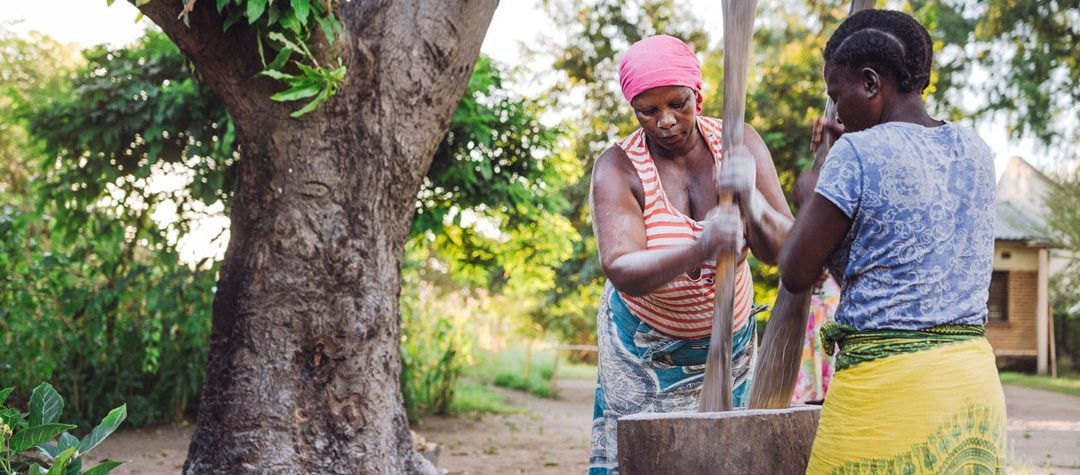
The bad news sits one layer deeper. Getting enough calories is one thing. Eating well is another, and that is where it breaks down. Nearly a third of humanity cannot afford a healthy diet, meaning one with enough variety across all food groups. In Africa that applies to two thirds of people, 66.6 percent to be exact.
So why is healthy food so expensive? The report offers two pieces of the puzzle. First, the priciest building blocks of a healthy diet are animal-source foods, fruit and vegetables. Together they make up nearly 70 percent of the cost of a healthy diet. Second, much of the price appears only after the farm. Storage, processing, transport and retail account for 70 to 75 percent of what shoppers actually pay. Weak cold chains and poor roads make fresh, perishable produce costly. A sack of rice survives the same journey without a problem.
How subsidies distort prices
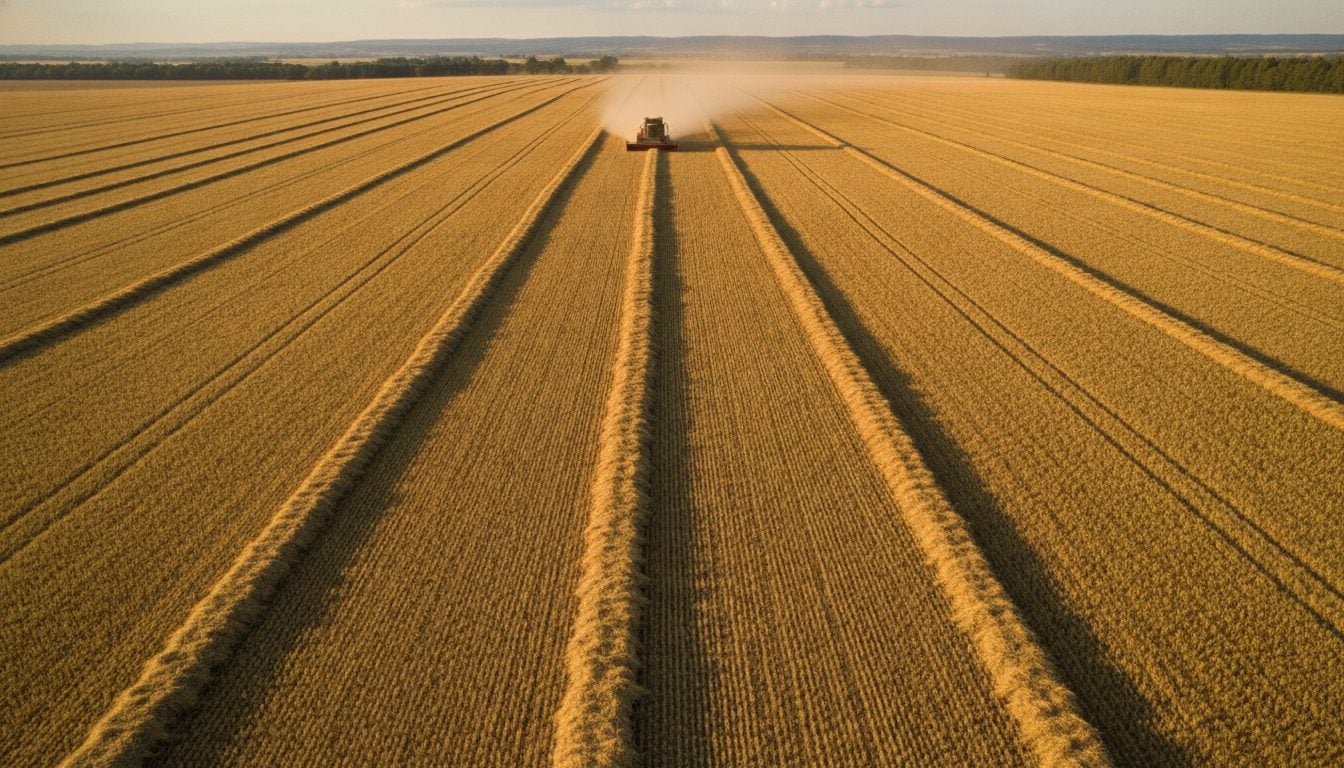
Now the invisible part. When a government supports farming, it rarely does so neutrally. It ties a big chunk of the payments to specific products. Produce a certain amount of grain, sugar, or in rich countries meat and dairy, and you receive money or benefit from guaranteed prices and tariffs that make foreign competition dearer. Economists call this market price support and coupled subsidies.
The effect: those products become more attractive to grow, so more of them get grown, so the shelf price falls. Part of the support ends up baked into your cheap cut of meat. Fruit, vegetables and pulses usually lose out in this logic. They get far less support and therefore look more expensive than they would in a neutral system.
How big is this pot? A joint analysis by FAO, UNDP and UNEP put worldwide support to agricultural producers at an average of roughly 540 billion US dollars a year (over 2013 to 2018), about 15 percent of the total value of farm production. The key line: around 87 percent of it, some 470 billion US dollars, is price-distorting or harmful to nature and health. The report singles out the oversized meat and dairy industry in wealthy countries, which alone accounts for 14.5 percent of global greenhouse gas emissions. By 2030 total agricultural support could climb to 1.759 trillion US dollars.
SOFI 2026 draws a clear recommendation from all this: shift public support away from the monoculture of a few staples and towards nutrient-rich foods like fruit, vegetables and pulses. Add investment in cold chains and transport so fresh produce does not spoil or get expensive on the way to the till. The point is not to take anything away from farmers, but to steer the existing money differently.
How solid are the numbers
A quick word on sourcing, because not every figure is equal. SOFI is the UN’s annual flagship report on world food security, produced by five agencies and running to around 250 pages. It draws on official statistics from member states. The figures on hunger and on the affordability of healthy diets come from this 2026 edition.
The 540 billion dollars is older. It comes from the report “A Multi-Billion-Dollar Opportunity” by FAO, UNDP and UNEP, published in 2021, and refers to the 2013 to 2018 average. We cite it separately so you know it is the reliable order of magnitude for farm support, not a live checkout figure. SOFI 2026 builds on the same logic and recommends exactly this repurposing. To be fair: not every one of those 540 billion dollars lands in a steak. But the system favours calorie-dense mass-market food and works against fresh, plant-based options.
What it means for your grocery bill
First, a bit of relief. If vegetables feel expensive to you, it is not your budget and not your judgement. The price is politically made. That takes some of the pressure off, which many people feel when they think about eating more plants.
In practice: the cheapest plant staples are surprisingly often the nutrient-dense ones. Pulses like lentils, chickpeas and beans deliver a lot of protein per dollar and do not depend on costly cold chains. If you want to hit your protein target on a plant-based diet, this is the cheapest corner of the shop. And if you are wondering whether one person’s shopping choices matter for the planet, the honest answer is that policy and plates pull in the same direction here.
On the bigger stage, things are moving. Some cities have started restricting meat advertising in public space, like Tomorrowland’s push on sustainability shows how fast norms can shift. And if you enjoy a bowl of hummus, you are already eating from the cheap, nutrient-dense corner the report is talking about, so it is worth knowing whether hummus contains dairy when you shop.
Frequently asked questions
Are plant-based foods not subsidised at all?
They are, partly. But compared with staples and animal products, fruit, vegetables and pulses receive far less direct support. The big price-supporting subsidies are historically tied to a few calorie crops, and in rich countries to meat and dairy. That is why fresh vegetables look relatively expensive on the shelf.
So would my meat be unaffordable without subsidies?
Not unaffordable, but more expensive and more honestly priced. Part of the low price of animal products comes from state support and from costs that never appear on the receipt, such as environmental and climate impacts. The UN report argues that a fairer system would reduce this distortion.
What does the SOFI report actually call for?
It recommends repurposing existing farm support: away from the monoculture of a few staples, towards nutrient-rich foods. Plus investment in storage, cold chains and transport so fresh produce stays affordable. The goal is to make healthy diets reachable for more people.
Are these numbers current?
The hunger and affordability figures are from the SOFI 2026 report and refer to 2025. The 540 billion dollars in farm support comes from an FAO analysis and refers to the 2013 to 2018 average. Both sources are linked below.
FAQ - What readers ask
Are plant-based foods not subsidised at all?
So would my meat be unaffordable without subsidies?
What does the SOFI report actually call for?
Are these numbers current?
Want our reporting to show up first in Google's Top Stories? Add This Is Vegan as a preferred source on Google.