







Only between 10 and 20 Irrawaddy dolphins are left in Songkhla Lake in southern Thailand, and the figure most often given is 14. Now Thailand is building a seven-kilometre bridge right across their lake. That sounds like the end of a tiny dolphin community. We read the World Bank’s project documents in full, and the story turns out to be surprisingly hopeful. It does come with some caveats, though. Diesen Artikel gibt es auch auf Deutsch.
Is this good news for the dolphins?
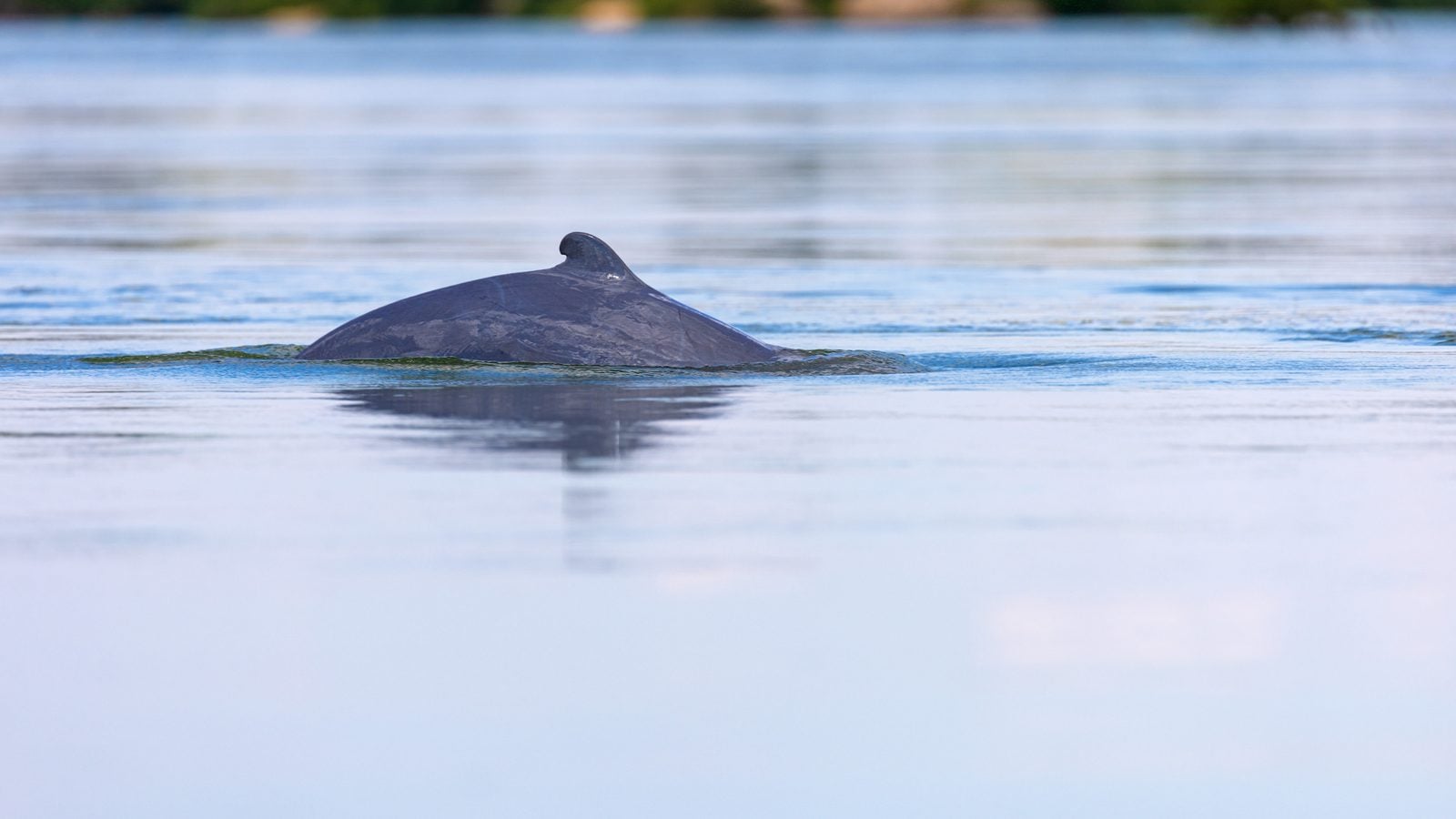
On balance yes, with reservations. The World Bank is funding the bridge and, at the same time, binding Thailand to a conservation plan for the dolphins. That plan targets their most common cause of death: gillnets. Fishing is now banned in the dolphins’ core area, and dangerous nets are prohibited across a large buffer zone. The bridge sits at the southern edge of their habitat, it will be built without hammer piling, and work stops whenever dolphins come close. The animals live in the wild, nobody keeps them in captivity. Whether the plan works will only become clear once it is put into practice.
Contents7 chapters
The project in numbers
- The World Bank’s Board approved the “Thailand Resilient Transport and Irrawaddy Dolphin Conservation Project” (TRIP) with US$140.76 million on 22 December 2025.
- On top of that there is a US$4 million grant from the PROBLUE ocean fund, administered by the World Bank and earmarked for dolphin conservation.
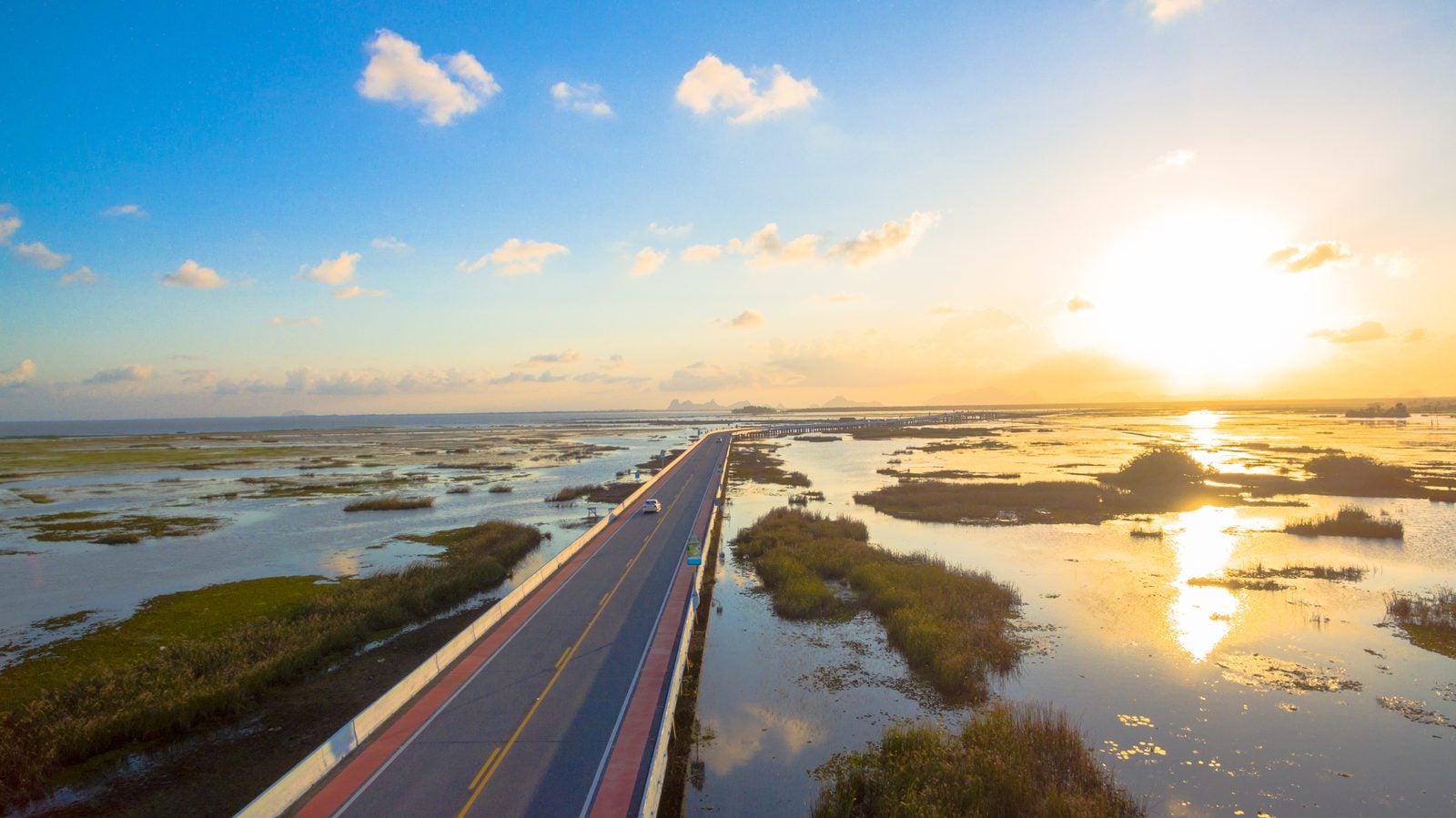
- The Songkhla Lake bridge will be around seven kilometres long and replaces a detour of about 80 kilometres. According to Thai media, the construction contracts were signed on 31 August 2026. Work is due to start towards the end of 2026 and take about three years.
- The dolphins of Songkhla Lake are Thailand’s last group living in an inland water body, cut off from the sea and genetically isolated. This subpopulation is listed as Critically Endangered on the IUCN Red List. More Irrawaddy dolphins live in the coastal waters of the eastern Gulf of Thailand: off Trat province, surveys between 2008 and 2014 counted more than 400 animals on average.
The project is also being showcased at the IMF and World Bank Group Annual Meetings in Bangkok from 12 to 18 October 2026.
Why so many dolphins have died in Songkhla Lake
Before 1991, more than 100 Irrawaddy dolphins lived in the upper part of the lake, known as Thale Luang. By 2005 there were 44, and in 2015 the alarm was raised at 27. According to Thailand’s dolphin conservation plan, an average of four animals died each year, which a group this small cannot survive.
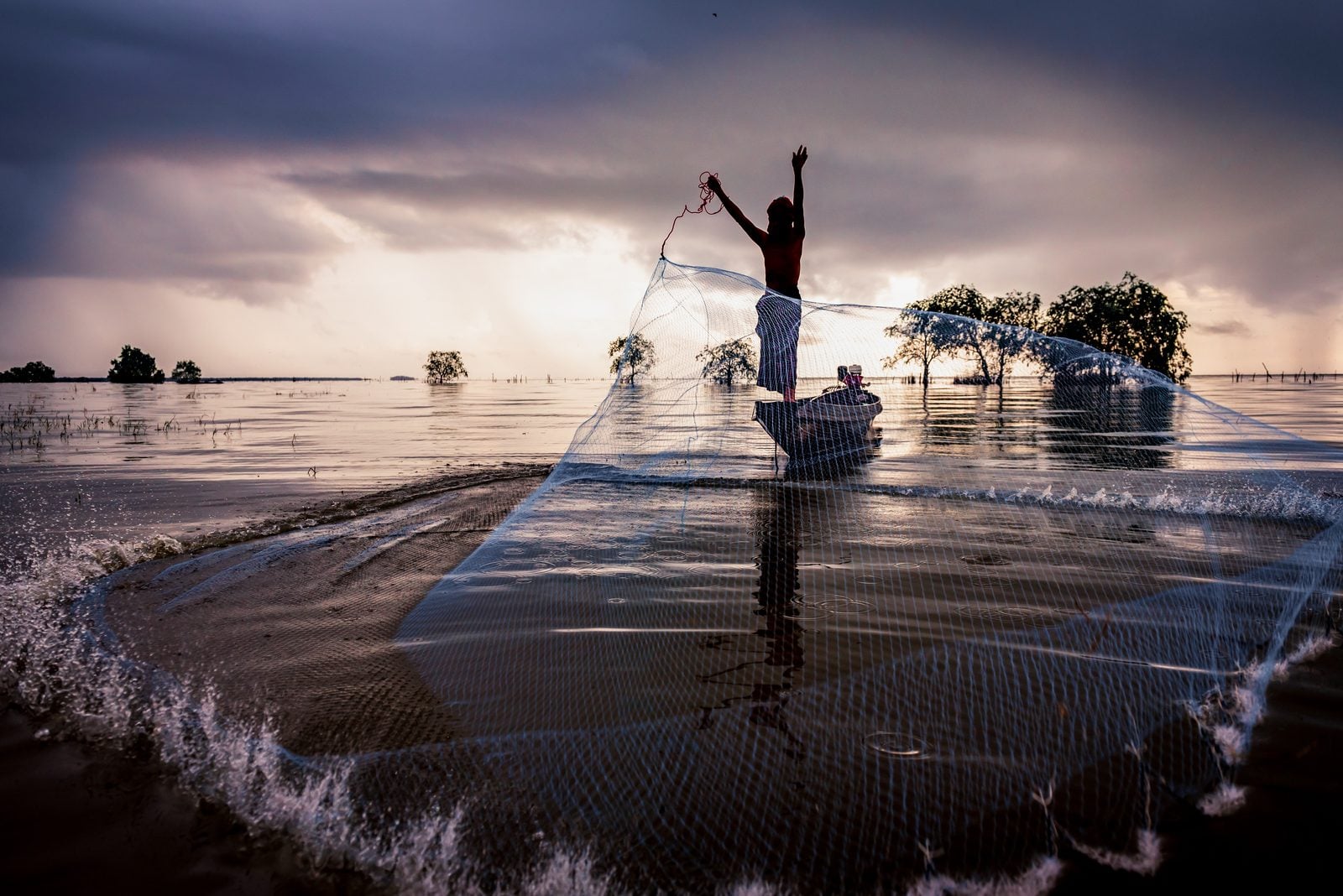
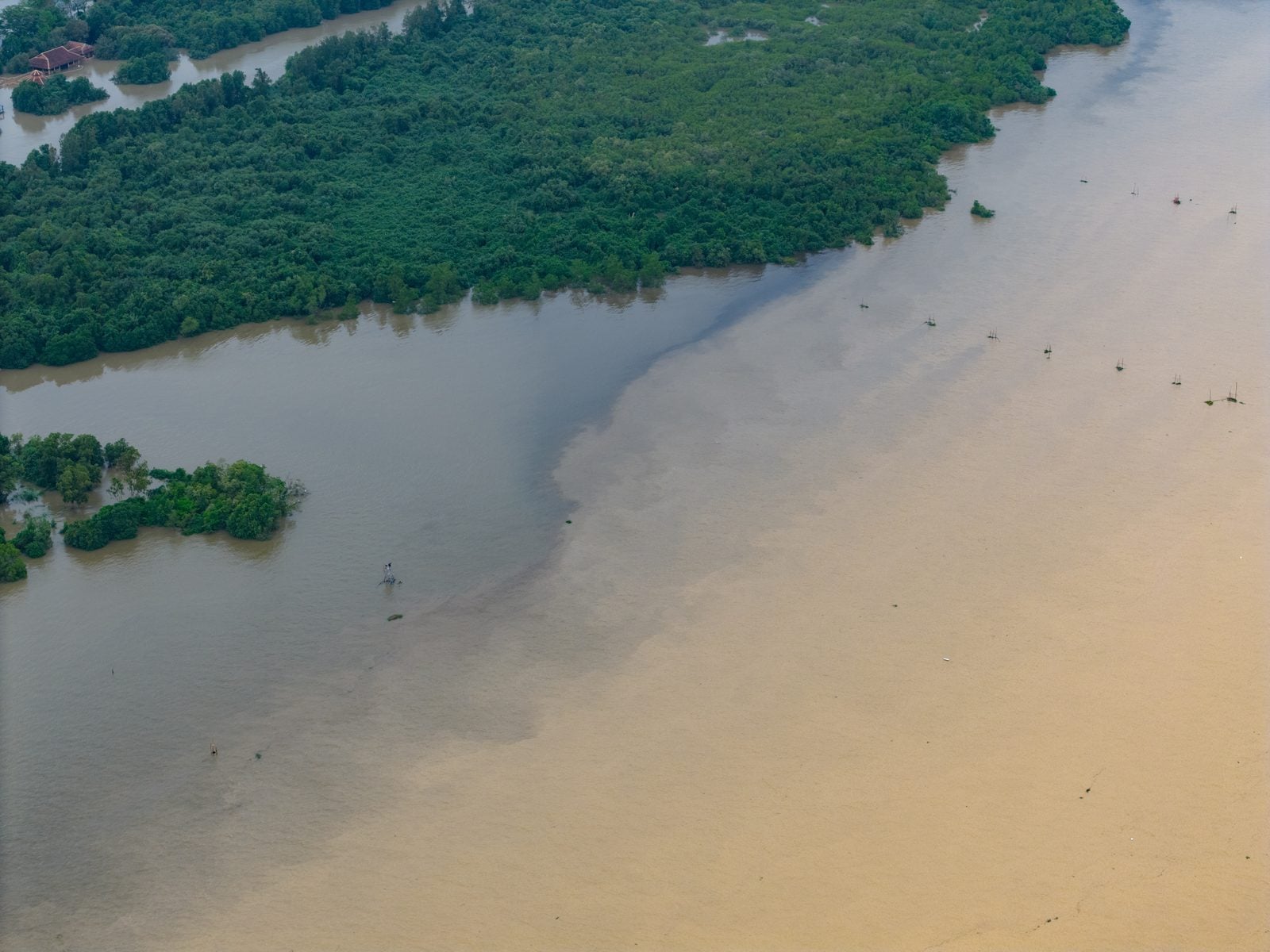
The plan names the main cause clearly: the dolphins get caught in fishing nets and drown. Large gillnets for the giant Mekong catfish, which used to be released into the lake, were especially dangerous. These nets have been banned since 2013 but are still used seasonally. On top of that come polluted water that is getting shallower and murkier, fewer fish to eat and the effects of inbreeding in such a small group. The Seub Nakhasathien Foundation counts around 140 dead dolphins in 30 years. The most recent known death was reported in February 2024.
What the conservation plan actually changes
The heart of the good news sits in a 41-page document. The World Bank tied its loan to a binding conservation plan carried out jointly by three agencies: the Department of Marine and Coastal Resources, the national parks department and the fisheries department. Around 403 million baht, roughly US$11.5 million, is budgeted for the first five years. Here is what it contains:
- No fishing in the core zone: All fishing is banned in the new dolphin core zone, which covers about 75 square kilometres. 100 solar-powered buoys will mark its boundary on the water.
- Dangerous nets out: In the large buffer zone around it, gillnets with a mesh of 13 centimetres or more are banned, and in the rest of the upper lake from 20 centimetres. Unlike before, the rules go by mesh size rather than target fish, which makes them much easier to enforce.
- Other incomes for fishing families: Around 2,250 fishers from 60 communities are to receive training, safer nets and support for alternative livelihoods. No ban works without them.
- Patrols and rescue: There will be regular patrols, and vets will be trained to rescue injured marine mammals.
- Finally, accurate numbers: Underwater microphones, aircraft and drones will record how many dolphins there really are and where they spend their time. An official census is to be published every two years.
Success will be measured, among other things, by one simple figure: how many dolphins die because of humans. Back in 2023, Thailand’s marine department set the goal of growing the group to 30 animals within ten years.
And the bridge? The risks and the safeguards
When the government approved the bridge in 2022, there was justified concern. The environment ministry, conservationists and even the World Bank itself asked whether construction would endanger the last dolphins. The biggest threat is noise. Sound travels far underwater, it can damage dolphins’ hearing, disrupt hunting and communication and, in the worst case, separate mothers from calves. There is also the risk of animals colliding with boats and barges.
The project documents show how these concerns were addressed:
- Location: The bridge links Krasae Sin district (Songkhla) with Khao Chaison district (Phatthalung) and forms the southern boundary of the protection zones. According to the conservation plan, no dolphins have been detected south of it.
- No hammer piling: The piers will be drilled instead of driven into the lakebed, which is much quieter.
- Work stops for dolphins: A 1,000-metre observation zone and a 500-metre shutdown zone apply around the site. Trained observers with underwater microphones report any dolphins, and work is then halted under a fixed protocol.
- Less sediment, speed limits: All in-water work takes place behind silt curtains, and construction boats must travel slowly.
- Independent monitoring: A university or environmental organisation is to check that the conditions are met. According to the Thai newspaper Dailynews, payments to the contractor are also tied to compliance.
Are the dolphins being harmed or kept captive?
No. The dolphins of Songkhla Lake live in the wild. They are not captured, kept in tanks or trained for shows, and the conservation plan includes nothing of the kind. Why captivity is no solution for dolphins is something we explored using the example of Singapore, where keeping dolphins is being phased out (in German).
Honesty also means naming what remains open. The World Bank rates the project’s cumulative impacts, together with agriculture, fishing and tourism, as “moderate to high”. It rates the social risk as “substantial”, because fishing families lose fishing grounds. If they are not properly compensated, the fishing ban will be hard to enforce. The bridge is also meant to boost tourism. More boats out looking for dolphins would be the opposite of protection.
The dolphins’ real chance lies in the money and the rules attached to this bridge. ●
An animal ethics perspective: 14 individuals, not a statistic
Behind the number 14 are individual animals with their own relationships. Irrawaddy dolphins live in small groups, and calves stay with their mothers for a long time. In a community this small every animal counts, and a single drowned mother can end a family line. According to Dailynews, a mother with a calf was spotted in recent surveys. That alone is reason enough to act now.
Songkhla Lake also shows how closely animal protection and fishing are linked. The dolphins don’t die because anyone wants to hurt them. They die as bycatch in nets meant for fish, and the fish caught there are sentient animals too. Eating less fish, or none at all, reduces the demand for exactly these nets, in Songkhla Lake and in every ocean.
Our assessment
Without the bridge, this conservation plan would probably not exist in its current form. For the first time, the dolphins of Songkhla Lake have a fishing ban in their core area, clear rules on nets, money for affected families and independent monitoring. That is more than they got in the past 30 years.
Whether this really becomes good news will be decided over the coming years. What matters is whether the number of dead dolphins falls, whether construction really stops when dolphins appear, and whether tourism is kept in check once the bridge opens. We will keep following the story.
How we researched this ●
Our sources are the World Bank press release of 22 December 2025, the Thale Luang Irrawaddy Dolphin Conservation Plan by the Thai authorities and the World Bank project document for TRIP (P509460) from October 2025, both read in full. We also used reporting by Mongabay, Thai PBS, The Nation, Dailynews and the Seub Nakhasathien Foundation, as well as the Trat survey (Jackson-Ricketts et al., Ecology and Evolution 2020). The photos are illustrative Adobe Stock images; the dolphin photo shows a wild animal in the Mekong. As of 13 September 2026.
Want our reporting to show up first in Google's Top Stories? Add This Is Vegan as a preferred source on Google.