







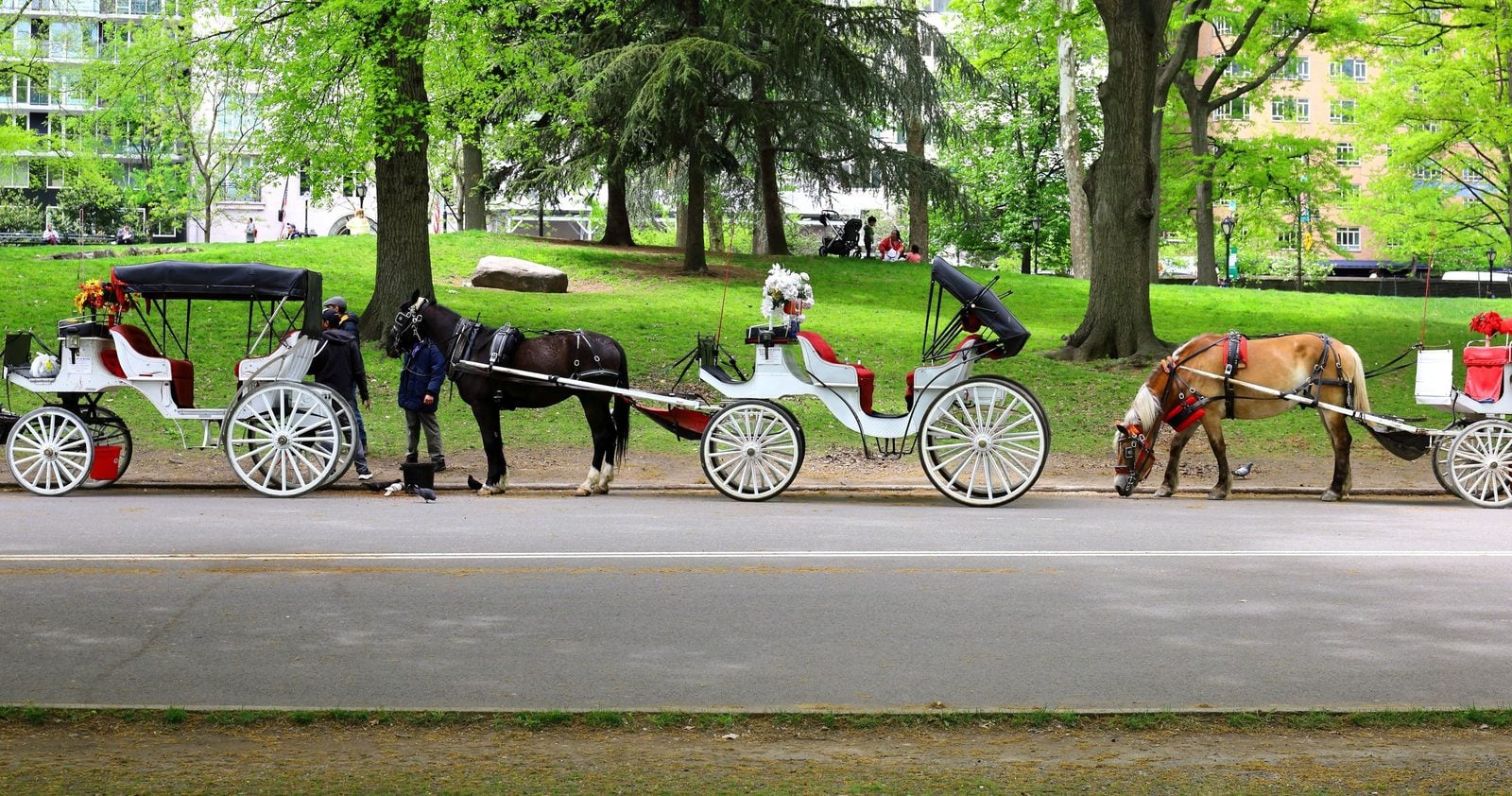
After almost two decades of argument, New York City is about to end its horse-drawn carriage trade. On 13 October 2026, Mayor Zohran Mamdani and City Council Speaker Julie Menin agreed on a bill that phases out carriage rides in Central Park by 1 June 2028. The Council votes on 22 October, and a majority looks secure.
In short
- The deal: the mayor and the Council Speaker both back the bill known as Romanch’s Law
- The timeline: vote on 22 October 2026, no new licences, ban from 1 June 2028
- The numbers: 29 of 51 council members have already signed on as sponsors
- The horses: the bill bars selling them for slaughter or to another carriage business
- The opposition: the drivers’ union rejects the bill and the industry is threatening to sue
Contents8 chapters
What Mamdani and Menin agreed.
“The horse carriage industry is coming to an end in New York City,” Mamdani wrote on social media on Tuesday night. Until then he had held back. His office said he supported the spirit of the bill but wanted stronger protections for workers. After a rewrite, his administration has signed off on the text.
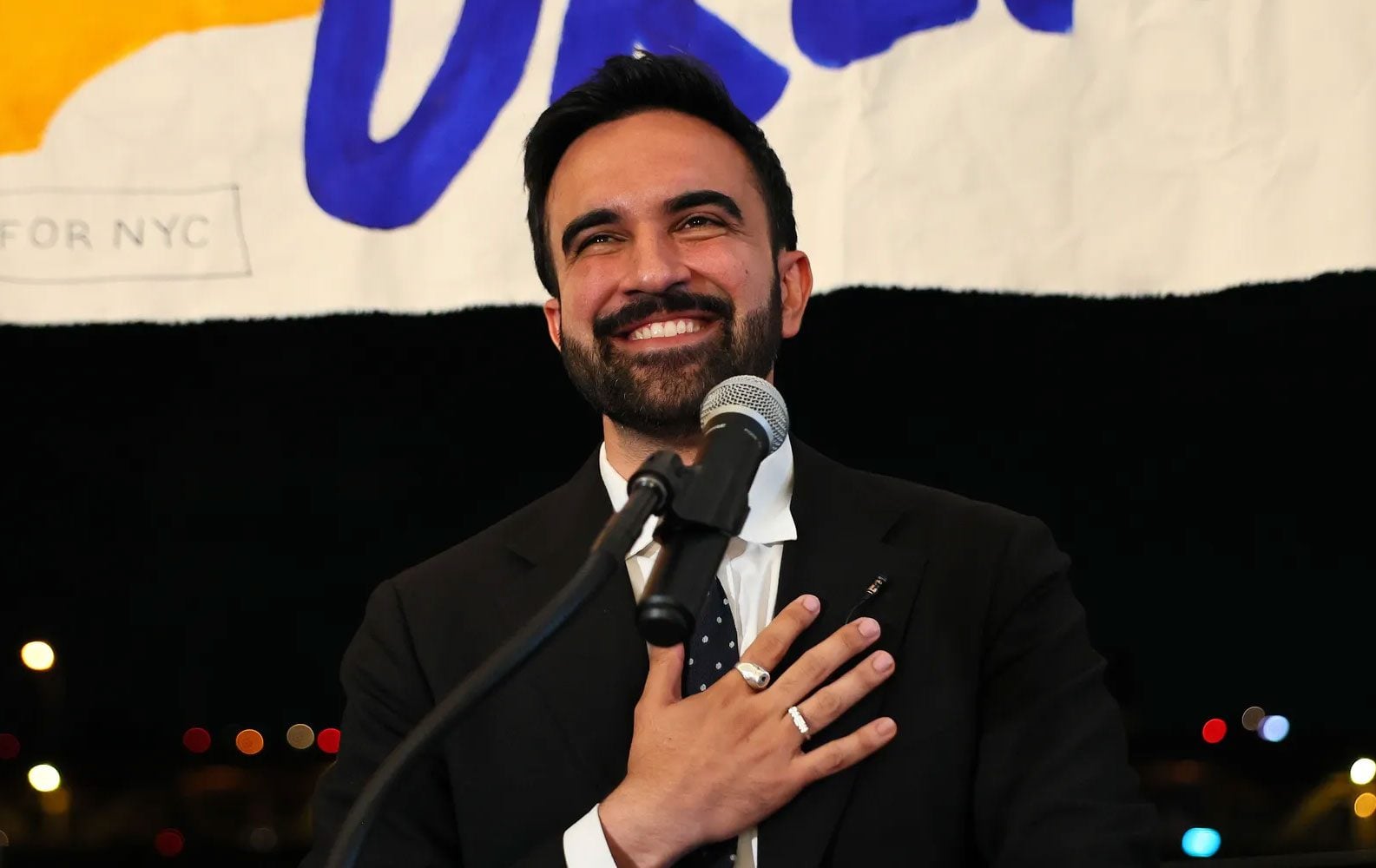
The bill is sponsored by Manhattan Council Member Christopher Marte. The city would stop issuing new licences and stop renewing existing ones, which all expire by 31 May 2028. From 1 June 2028, for-hire horse-drawn carriages are banned, with an exemption for temporary exhibits and performances. According to NBC New York, anyone who keeps operating faces fines, up to 15 days in jail and a civil penalty of at least $10,000.
With more than half of the Council on board and the mayor in agreement, local media expect the bill to pass. The ban is only final once the vote has taken place.
The death of Romanch Mahajan changed the debate.
The bill carries the name of an 18-year-old. Romanch Mahajan had travelled from India with his family to celebrate his high school graduation. On 17 June 2026 they took a carriage ride in Central Park. Investigators say the horse bolted, the carriage clipped another one and overturned. Mahajan was thrown out and died of his head injuries. NBC New York reports that the driver had left his seat to take a photo of the family.
The union and the Central Park Conservancy both say it was the first time a person died in a carriage accident since the rides began more than 150 years ago. The Conservancy also counted eight horse-related incidents in the park in just over a year. A few weeks before the crash, a carriage horse named Deniz had collapsed and died.
A month later Julie Menin came out in favour of the bill, the first sitting Speaker ever to do so. She called the death heartbreaking and preventable and described the carriages as a growing public safety liability.
What happens to the horses.
For the animals, this is the part that matters most. According to several reports, owners must notify the Mayor’s Office of Animal Welfare before giving up a horse. Selling or transferring a horse for slaughter, or to another carriage operation, is prohibited. The administration is also expected to help find new homes.
That protection is needed. Retired working horses in the United States are often sold at auction, and from there many end up in slaughterhouses in Mexico or Canada. Whether the rule holds will depend on how closely the city tracks each horse.
What the drivers get.
By 1 April 2027 the administration has to present a transition plan with career counselling, training and job fairs, including referrals to the MTA, the Port Authority and the Taxi and Limousine Commission. On compensation for licences, carriages and businesses, the bill only says the city should “consider” a programme. That is not a commitment.
This is where the anger comes from. The Transport Workers Union, which represents the drivers, calls the provisions weak. Its president John Samuelsen said the bill “has no meaningful economic relief for workers” and accused Menin of political opportunism. The industry calls the ban unconstitutional and has said it will go to court.
The drivers’ worries deserve to be taken seriously. A ban that helps animals and leaves people without an income would be badly made. The city has until 2028 to get that part right.
A long run-up.
Carriages have been part of the city for 168 years, and criticism is almost as old. The group NYCLASS has campaigned since the 2013 mayoral race. Bill de Blasio promised a ban and failed in the Council. In 2022 a horse called Ryder collapsed on a Manhattan street in summer and died a few months later, and the bill was first named Ryder’s Law after him. In September 2025 Mayor Eric Adams also urged the Council to ban the carriages. The bill still stalled in committee.
New York would not be the first big US city to act. Chicago and San Antonio have already ended carriage rides.
The animal ethics view.
The ban is good news. It is still worth noticing what finally pushed it through. For years horses collapsed in traffic, bolted or died, and the Council did nothing. It took the death of a human being to produce a majority, and the political case is argued almost entirely in terms of public safety.
The problem has always started with the animal. Horses are flight animals. Sirens, horns, buses and crowds put them on alert, and in harness they cannot run away. A horse tearing through the park with a carriage behind it is behaving exactly as its nature tells it to. Add hard asphalt, exhaust fumes, summer heat and a working day the animal never chose. No horse pulls tourists voluntarily.
Carriages still roll through city centres and holiday towns elsewhere, from the Fiaker in Vienna to Seville and Charleston. The question New York is answering now applies there too.
What you can do.
- Skip the carriage ride. In New York and anywhere else. Without customers there is no business.
- See Central Park another way. On foot, by rental bike or in a pedicab you see just as much. A current New York travel guide helps with planning.
- Support sanctuaries. Horses that no longer work need somewhere to live, and sanctuaries depend on donations.
Frequently asked questions.
Are horse-drawn carriages already banned in New York City?
No. The City Council votes on 22 October 2026. If the bill passes, the ban takes effect on 1 June 2028. Until then the carriages may keep operating.
What is Romanch’s Law?
It is the bill that ends for-hire horse-drawn carriage rides in New York City. It is named after Romanch Mahajan, who died aged 18 in a carriage accident in Central Park in June 2026. It was previously known as Ryder’s Law, after a carriage horse that died in 2022.
What happens to the carriage horses?
Under the bill they may not be sold for slaughter or passed on to another carriage business. Owners must notify the city before giving up a horse, and the administration is meant to help find new homes.
Have other cities banned horse-drawn carriages?
Yes. In the United States, Chicago and San Antonio are among the cities that have ended carriage rides.
Sources ●
New York City Council press release of 14 July 2026, Mayor’s Office statement of September 2025, and reporting by CBS New York, NBC New York, ABC News and amNewYork of 13 October 2026. As of 14 October 2026, before the vote. Photos: Luca Sullivan / Pexels (cover), NYC Mayor’s Office (Mamdani). This article contains affiliate links. If you buy through them, we receive a small commission at no extra cost to you.
Want our reporting to show up first in Google's Top Stories? Add This Is Vegan as a preferred source on Google.