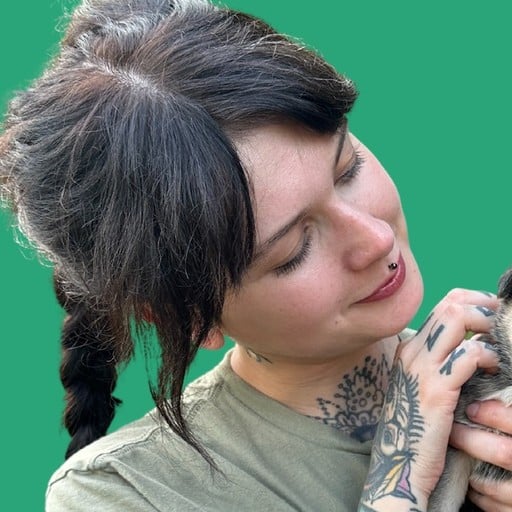






Nobody would stand in a marketplace with a cat and shout: “I’m going to torture her now, who wants to watch?” On social media, exactly that happens every day, millions of times over. Wiebke Plasse of the German organisation Welttierschutzgesellschaft has been documenting this cruelty for five years. We spoke with her about what she sees, why the perpetrators look like you and me, and what a gap in Germany’s criminal code has to do with it.
Dieses Interview gibt es auch auf Deutsch.
Contents15 chapters
- 01The full episode: Wiebke Plasse on the Plantbased Podcast
- 02“I would rather it be me than someone who stumbles onto it”
- 03The marketplace comparison: why this cruelty would not exist without social media
- 04Fake rescues: when the rescue is staged
- 0594,000 cases: the “database of horrors”
- 06“These are people like you and me”
- 07The legal gap: what section 131 of the criminal code has to do with animals
- 08Why is a known video not simply deleted?
- 09Indonesia: slow lorises, poachers and a coffee project
- 10What you can do yourself
- 11The platforms: where progress is visible, and where it is not
- 12“But visibility creates awareness”. Does it?
- 13One wish for 2026
- 14Read on
- 15More in the podcast
The full episode: Wiebke Plasse on the Plantbased Podcast
The complete conversation is available as a video (in German). Clicking the preview image starts the player; nothing loads from YouTube before that.
Who is Wiebke Plasse?
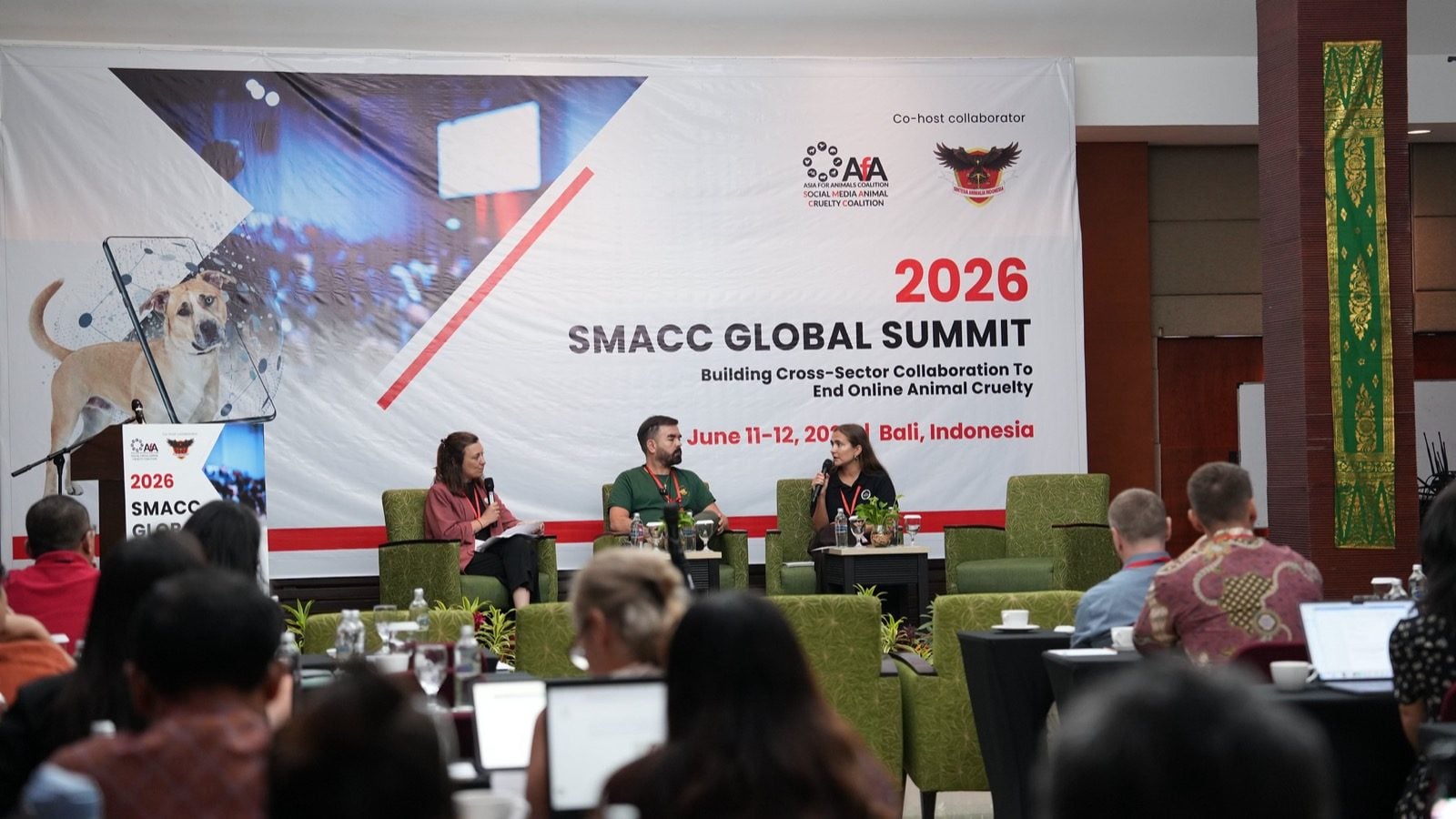
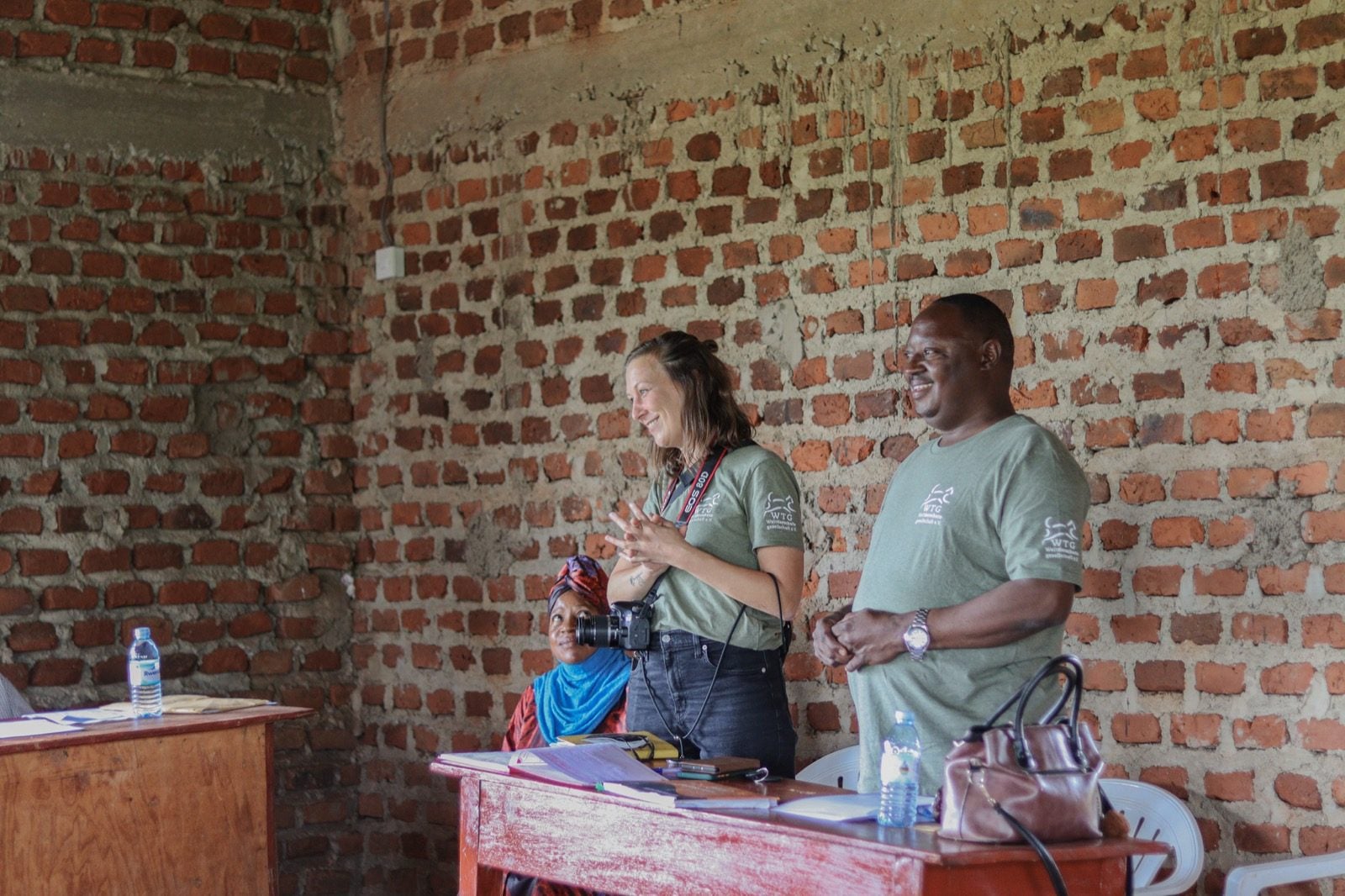
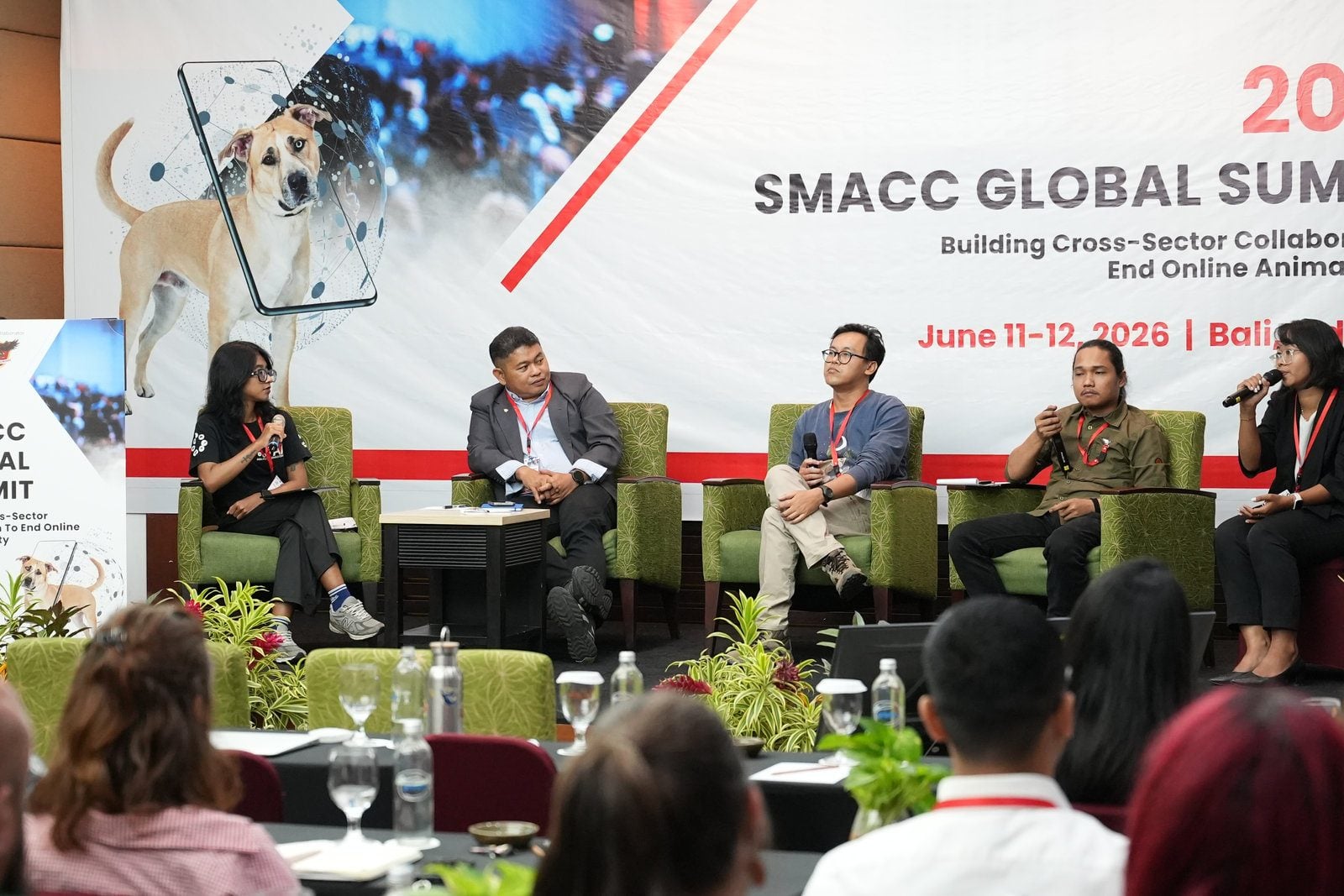
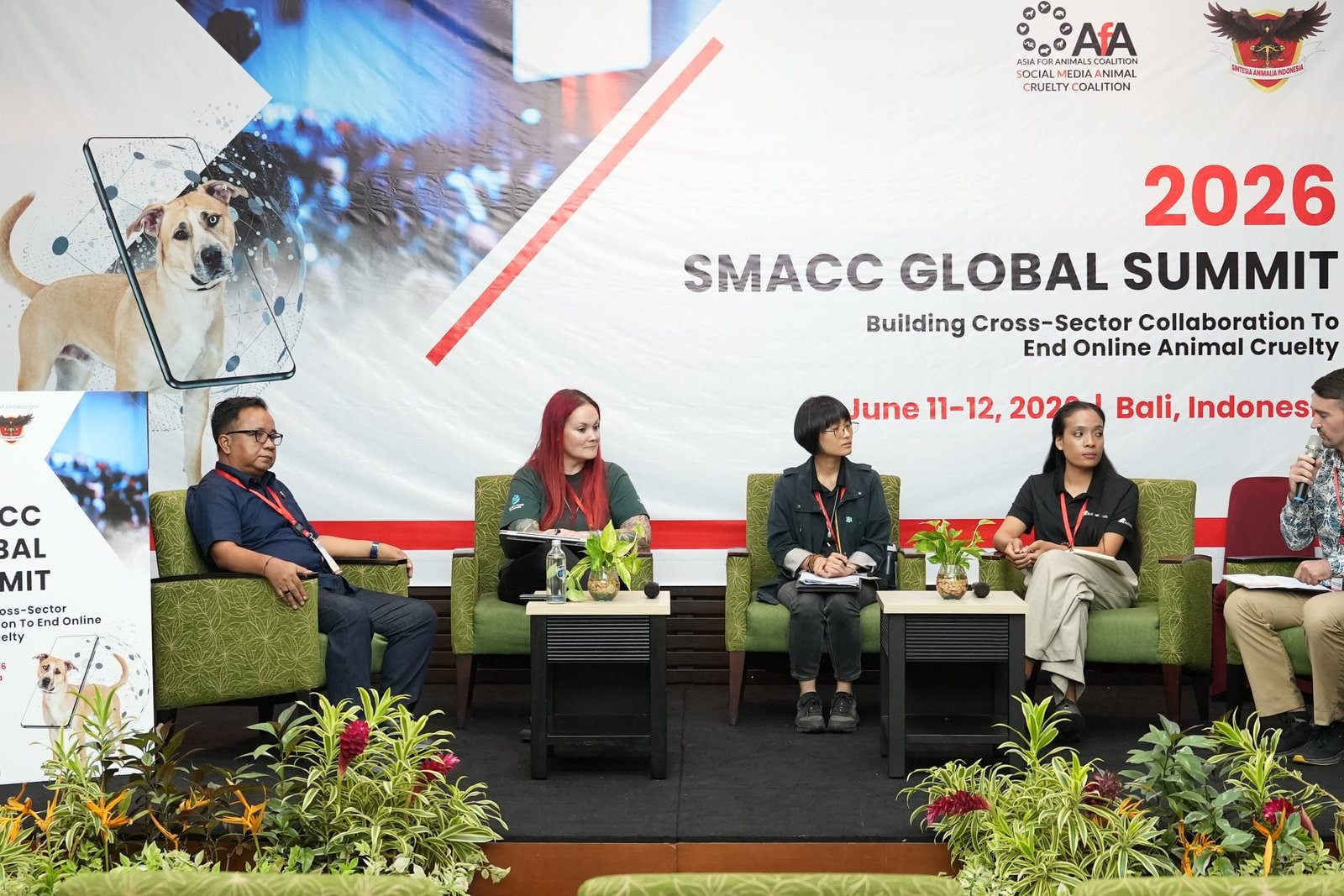
Wiebke Plasse heads communications at Welttierschutzgesellschaft (WTG), a German animal welfare organisation, and initiated the campaign “Stop animal suffering on social networks”. She has researched violence against animals on social media since 2020, has travelled for project visits to Uganda and, most recently, spent three and a half weeks in Indonesia, and spoke at the first SMACC Global Summit in Bali in June 2026.
WTG is a non-profit association funded largely by private donations. Its petition for a legal ban on glorifying depictions of animal cruelty has over 200,000 supporters.

“I would rather it be me than someone who stumbles onto it”
Wiebke, you have worked intensively on animal suffering on social media for years. How do you personally cope with facing this content daily?
Wiebke: I would honestly rather it be me doing this than someone who stumbles onto it completely unprepared while scrolling their timeline. I do it deliberately, prepared, as far as one can be, and with certain means of acting against it. Through this work we want to ensure that in future nobody else has to see it. That motivation and the campaign’s successes help make it bearable.
But it is part of the truth that at the start of the campaign I did not realise how dark the abysses would get. We documented the various trends in advance: challenges putting animals in dangerous situations, or welfare problems like the growing keeping of wild animals as pets. Often we were dealing with subtler suffering, where you cannot immediately see that an animal is suffering. Today we are somewhere else entirely. The deeper we went into the networks, the more obviously severe the cruelty became. We now document animals being tortured, abused, mistreated and killed purely for amusement and money, with the content sold in private chats and groups.
What happens psychologically when someone consumes such a video without reacting?
Wiebke: Through expert advice from psychologists and sociologists we know that constant unfiltered exposure to this kind of content poses an enormous danger to people’s animal welfare awareness. When people start laughing at suffering animals, or look away out of indifference, then desensitisation has already set in. If we no longer meet animals with empathy and ignore their suffering, that harms animal protection. That is exactly what we observe on social media every day.
The marketplace comparison: why this cruelty would not exist without social media
At the summit you used an image I cannot get out of my head: the marketplace.
Wiebke: Our campaign was developed with advice from sociologists and psychologists. Back then, nobody would have taken a cat, stood in the marketplace and said: I am going to torture her now, who wants to watch? But that is happening now. It means people are given a space where they can do things they perhaps did not even know they enjoyed, and that they can make money from.
Ultimately the platforms bear responsibility. I like to talk about house rules: I offer a space, I invite people in, so there have to be rules. They exist, there are community standards and policies. But animal suffering and violence in all their dimensions are often not covered there. And where they are, enforcement by moderation teams simply is not ensured.
Fake rescues: when the rescue is staged
Staged animal rescues look like hero stories at first glance. Why are they so dangerous?
Wiebke: This is a particularly insidious form of cruelty that we increasingly document. The creators target our collective compassion and exploit animals to gain reach and even donations. Users watch these videos to the end, because the rescue is surely coming. And in truth? In the case of fake rescues, animals were put into those situations in the first place, so they could then supposedly be rescued.
We documented this in a comprehensive 2024 analysis: dogs chained to railway tracks, monkeys brought close to drowning, severely mistreated cats. Either the animals are used repeatedly for rescue videos or sacrificed, or the footage is simply cut in reverse. Meaning: the supposed happy ending with the healthy animal was filmed before the creators put it into the cruel situation.
We therefore developed a guide that helps distinguish staged from genuine rescues. Because they exist, the real animal fates where we should look, feel and help. It is important to treat especially dramatic content with caution and to follow the A-R-E rules (in German).
94,000 cases: the “database of horrors”
You have built a database with tens of thousands of documented cruelty posts. What shocked you most?
Wiebke: I call it the database of horrors. By now that is close to 100,000, I believe 94,000 links and pieces of content we have collected. Above all they show: this is not a niche topic. We are not talking about isolated cases. We are talking about 94,000 cases that only we have seen so far. And there is far more out there.
The database can be filtered by topic and gives us a basis for telling the networks: look, this is you. You enabled this suffering, because you do not moderate, because you do not delete it.
What shocks me are all forms of particular cruelty and indifference towards a sentient being. The “animal crushing” networks are obviously horrific: small animals, puppies, kittens are trampled or crushed for likes and money. But seemingly cute videos of baby monkeys dressed in nappies and baby clothes also involve immense suffering. Those animals are torn from their mothers in the wild, and the mothers are often killed.
“These are people like you and me”
What kind of people commission and produce this?
Wiebke: The few cases we have been able to bring to prosecution globally are the ones where we could put a face to it. And these are completely ordinary people. Women too, which is not what people expect. Not the thug type roaming around with fighting dogs, but a woman, I believe she was a teacher, with children of her own, who thought it was great that baby macaques were being tortured. In England, if I remember correctly, it was a married couple.
So these really are people like you and me who feel something when a baby macaque, which looks very much like a human baby, is tortured. They feel something positive and commission it. Unfortunately these are not people you can spot in the street. And that does something to you: it could be you, it could be anyone.
How does this business work in practice?
Wiebke: In certain regions of Indonesia or at wildlife markets I can buy an animal very cheaply, the equivalent of under 50 euros, even cheaper online, or simply take one from the wild. And then videos are commissioned globally and produced there. These videos are bought and ordered by people all over the world: people in Europe. In England and the USA there have been arrests, because those countries have a legal basis that also prohibits commissioning animal cruelty. That is what we want to achieve in Germany.
The legal gap: what section 131 of the criminal code has to do with animals
You are calling for a change to section 131 of the German criminal code. What gap exists exactly?
Wiebke: German animal protection law prohibits causing animals pain, suffering or harm without good reason. But for the depiction of it, the legal basis is missing. With section 131 of the criminal code, or alternatively through a reform of the Animal Protection Act creating a section 17a, we want to close this gap.
Section 131 already exists. It criminalises depicting, distributing, offering and advertising serious violence against humans or human-like beings. Adding the words “or animals” to that section would prohibit the trivialising or glorifying depiction of cruel violence against animals, and would directly oblige platforms to act.
Crucially, the wording covers depictions in a “glorifying, trivialising or degrading manner”, which clearly distinguishes them from purely informative and documentary depictions used by organisations and media to expose abuses. That content is of course right and important. As a result, platforms would not only have to delete cruel content but also assist prosecution, for instance by passing personal data to the relevant authorities.
How is politics responding now?
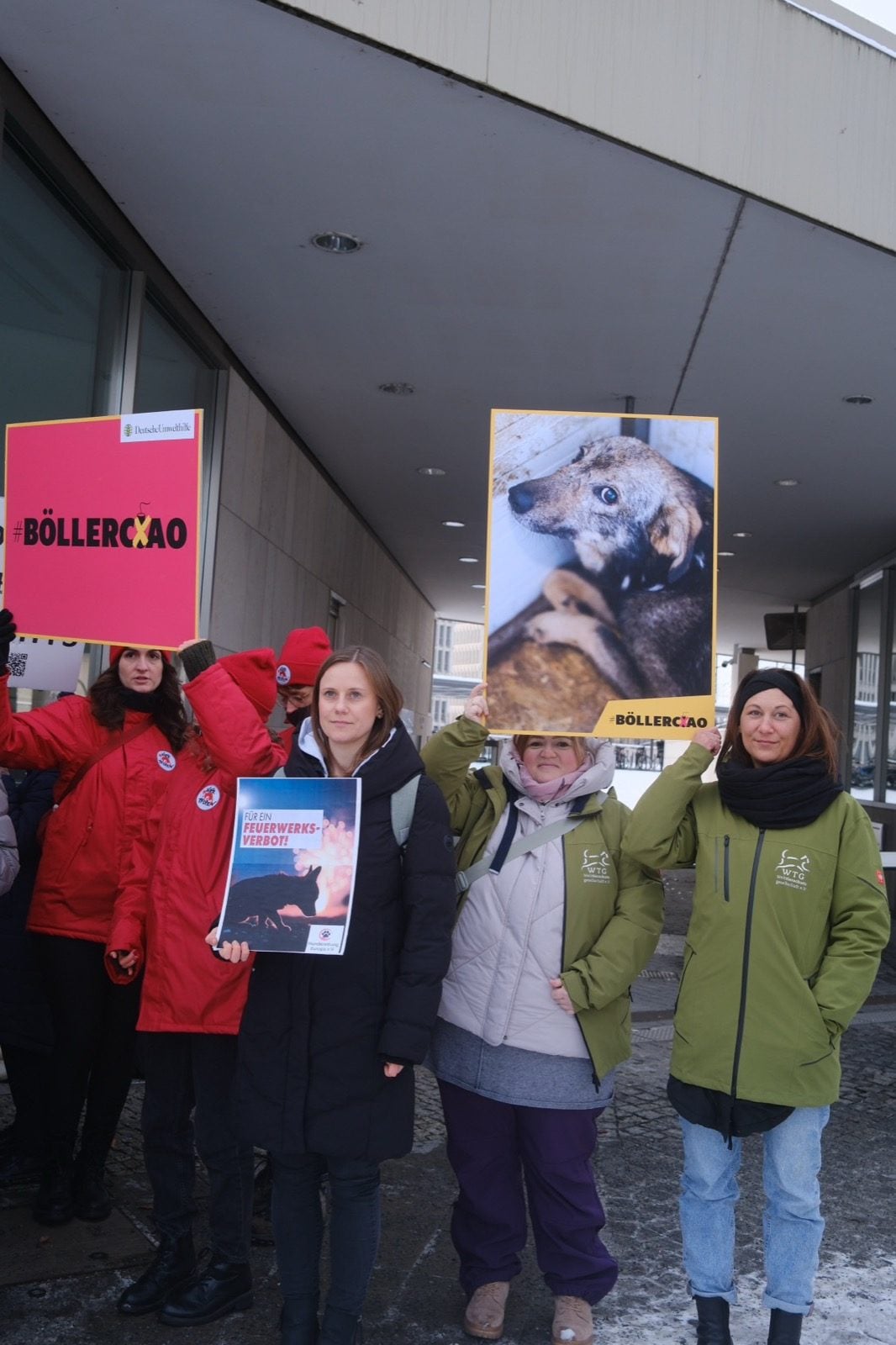
Wiebke: When we began our political work in 2021, the topic was less known and we met little resonance. We were passed from ministry to ministry, and were told it was “not a big problem here in Germany”. That awareness has changed. Recently both the Federal Animal Welfare Commissioner (CDU) and the animal welfare representative of the SPD parliamentary group signalled their support for our demand. We are cautiously optimistic that something decisive could happen in the coming months.
Why is a known video not simply deleted?
The summit spent a lot of time on technical solutions. What surprised you?
Wiebke: This is a piece of knowledge I find fascinating: every video ever posted gets an individual hash, like a fingerprint. No matter who copies, downloads and re-uploads it, that video always keeps this fingerprint. So it would be simple to say: this video shows a puppy being trampled, one of the worst videos I have ever seen. It is still being shared and spread. But it has this one fingerprint. Why can we not delete this video?
And what about AI-generated cruelty videos?
Wiebke: I find AI extremely difficult. So many other forms of animal suffering are still unresolved, we keep discovering new networks, new appalling torture groups. And before we have solved that, AI arrives on top and brings entirely new problems. That is what made the summit valuable, because we talked a lot about solutions, including with tech people who bring real expertise.
Indonesia: slow lorises, poachers and a coffee project
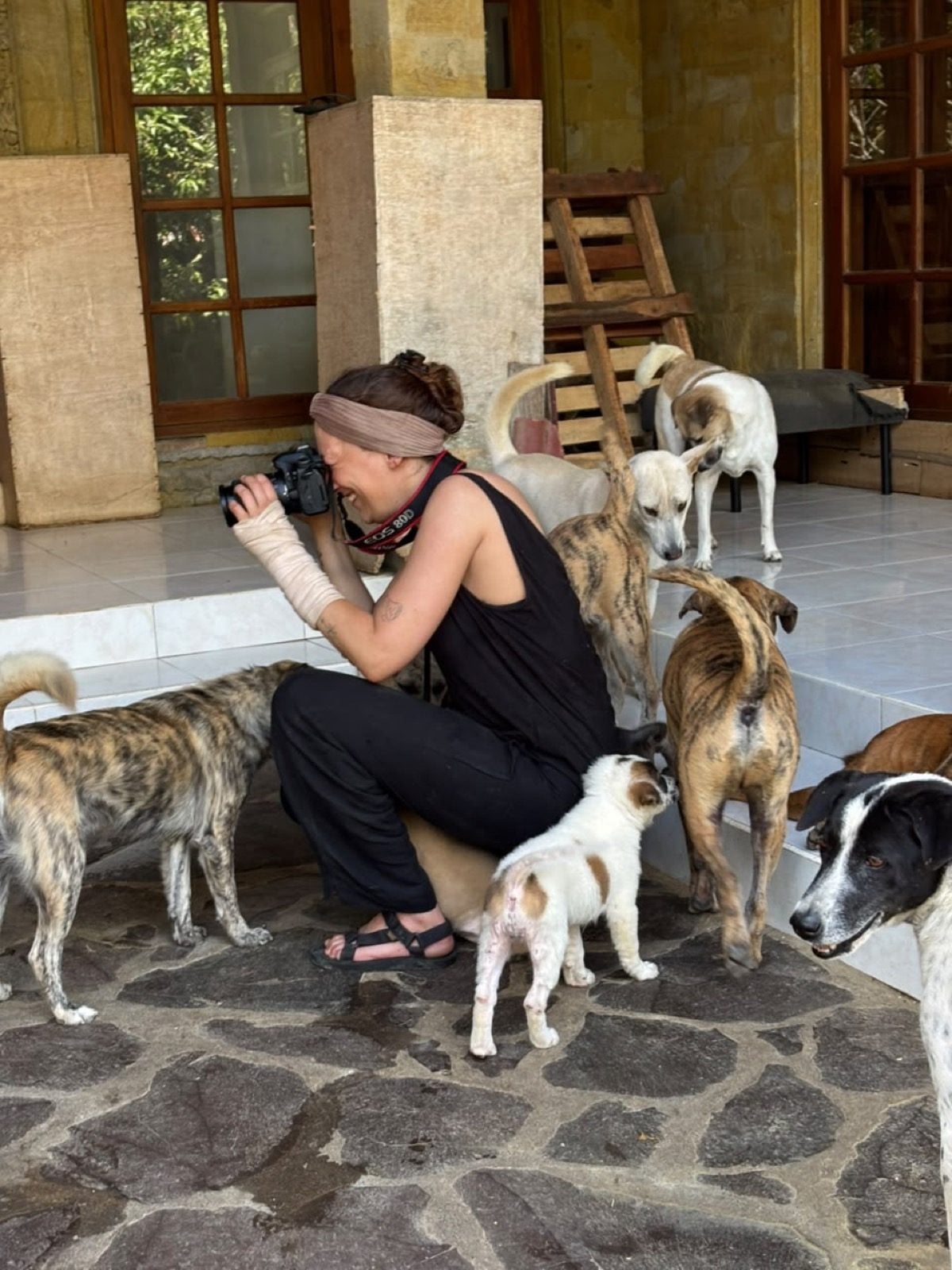
You spent three and a half weeks in Indonesia. What stayed with you?
Wiebke: I flew via Jakarta to North Sumatra, to Medan, and then onward. Google Maps said two hours, in reality it was six hours through pouring rain into absolute nowhere. Beautiful, deep in the rural countryside, where a rescue centre for slow lorises is being built. Right next to it is a school with afternoon classes. The children took part in environmental education voluntarily and some told us in English about their love for slow lorises. That was wonderful and moving.
Why are slow lorises so heavily affected?
Wiebke: They are poached on a huge scale and are an endangered species. The cruel part of this trade: many of these animals can no longer be released after being traded as pets, because their teeth are cut out and their claws removed. Essential things the animals need for life in the wild are taken from them, so they can be made “manageable” for human contact. Slow lorises are venomous, incidentally, their bite is dangerous, which is why the teeth are cut. Often it is the smallest, cutest animals that can be the most lethal. It remains a wild animal, and it does not belong with us.
Was there anything that gave you hope?
Wiebke: In southern Sumatra I visited a coffee project, which I found enormously enriching. These are former poachers who found an alternative source of income through the project. And I believe that is the solution: not telling people “stop poaching”, but presenting an alternative. I met them and could talk with them: very nature-connected, very good people who want something good for their local community and simply had no other option. They have been part of this now successful coffee project for several years, and they know the whole area and every person in it.
What you can do yourself
What should readers do concretely when they see a cruelty video?
Wiebke: Most importantly: no likes for animal suffering. The first step is recognising it, and distinguishing between impulse and reaction. My first impulse is: oh, how cute. Same for me, I love animals. Then pause briefly and ask: is this actually a good situation for the animal? With a wild animal the answer is always no to begin with. A monkey dressed in children’s clothing or doing unnatural things is a bad sign.
You must not react to it, and we really mean: do not react at all. Negative comments or a thumbs down also feed the algorithm. Everything I do as a user pushes the content further, so another hundred thousand people see it. Instead: the three dots, report to the moderation teams. Report, report, report is the single most important thing, whatever the severity. We cannot pester those moderation teams often enough. They need to see that we as users do not want this.
And what always helps: additionally report the link to SMACC. There is a form on their website. We document it, track with volunteers whether content was deleted despite reports, and report again ourselves. That gives hope, because things do happen, but it takes stamina.
The three rules in short
1. Do not react. No like, no comment, no sharing, not even in outrage. Every interaction is reach.
2. Report. Via the three dots on the post to the platform, plus through the reporting form at SMACC.
3. Pause instead of “cute”. Wild animal in human hands, clothing, unnatural behaviour: those are warning signs, not cuteness.
The platforms: where progress is visible, and where it is not
Representatives from YouTube and TikTok attended the summit. Why does that matter?
Wiebke: Because animal cruelty on social media is an issue that only exists because social media exists. The platforms create a platform for suffering that did not exist before. Cooperation is extremely important, because they essentially have the power to take responsibility and change it.
We know from our exchanges that platform representatives were often not even aware of the problems. Fake rescues are one example that organisations like ours had to point out first. By now the most relevant networks have at least anchored this content as prohibited in their community standards. But there is a lot of room for improvement, and far too often changes seem to conflict with profit orientation. Animal content, funny or dramatic, performs well and brings reach. And reach is the currency.
Are there countries further ahead than Germany?
Wiebke: There are great initiatives in the USA, the UK and Bulgaria. There, individual regulations or reforms of animal protection law have already made the depiction of animal violence a criminal offence. What drove those successes was always cases that happened in the respective countries: animal crushing in the USA and Bulgaria, the buying and selling of monkey abuse videos in England. As significant as these laws are, it is sobering that apparently it takes the cruellest national examples before legislators finally act. Until then, countless animals suffer and die.
“But visibility creates awareness”. Does it?
Some say: better to show such videos so the public knows what is happening.
Wiebke: Here it is vital to differentiate between content that informs and educates, and the content our campaign targets. We are concerned exclusively with the glorifying and trivialising depiction of animal suffering. When people laugh at animals suffering, revel in their mistreatment, or put animals in danger to earn money through staged rescues: that has to stop.
Depicting animal suffering to expose abuses is something entirely different: absolutely right and important. Social media is an enormous opportunity for spreading that. But for this important content to get the attention it deserves, we need proper rules and moderation.
One wish for 2026
If you could wish for a single change: which one?
Wiebke: I would like to close with all of us, because without us humans nothing can change. First, it is how we as users handle cruelty content. Second, we are responsible for continuing to support real, important animal protection work. In a world situation that has come completely off the rails, where help is needed almost everywhere, we still need people who do not forget the animals.
So for me the most positive development would be if we gained more animal advocates, and more and more people were found who enable animal protection work wholeheartedly and with conviction. Then together we can achieve great things and make this world, not only on social media, considerably better.
Welttierschutzgesellschaft in brief
Welttierschutzgesellschaft e.V. (WTG) is a non-profit association based in Berlin, funded largely by private donations. It works worldwide with local partner organisations, including in Uganda, Kenya and Indonesia, combining on-the-ground project work with political campaigning in Germany.
The #StopptTierleid campaign has run for around five years. Its results include adjusted community standards at several networks (a ban on violence against animals at Snapchat, bans on staged animal rescues at Facebook, TikTok and YouTube), a database of over 80,000 documented pieces of content within the SMACC coalition, guides for users, and over 200,000 signatures for the petition. More background at welttierschutz.org (in German).
Read on
We attended the SMACC Global Summit 2026 in Bali ourselves. What was discussed there over two days, and how the business with cruelty videos works, is in our detailed report: Clicks from cruelty (in German). How US investigators dismantled an international monkey torture network is covered in our report on the court cases in the USA (in German). And why animal experiments deliver less scientifically than their reputation suggests is the subject of our interview with Doctors Against Animal Experiments (in German).
More in the podcast
This interview is an excerpt. In the full episode, Wiebke Plasse shares considerably more: her three and a half weeks in Indonesia, animal welfare scandals that never made the news, the background to international investigations, and what this job does to a person. Around 78 minutes in which she says things that appear in no press release. The conversation is in German.
The episode is on YouTube, and all our other conversations with people standing up for animals are on our podcast page.
Transparency and method
This interview combines two sources: written answers Wiebke Plasse provided to us in advance, and passages from the podcast conversation with Yannick Haldenwanger, recorded in June 2026 following the SMACC Global Summit in Bali. Both parts were shortened and linguistically smoothed for readability without changing their meaning, and translated from German by us. Figures, campaign results and political developments are as stated by Welttierschutzgesellschaft; Wiebke Plasse cites around 94,000 documented items in the conversation, while the official campaign communication refers to over 80,000. As of 28 August 2026.
Images: Maximilian Goedecke (portrait), Welttierschutzgesellschaft e.V. (Berlin, Indonesia), Lisa Ossenbrink (Uganda), Social Media Animal Cruelty Coalition and Asia for Animals Coalition (summit). No money changed hands for this interview.
FAQ - What readers ask
Why is a known video not simply deleted?
“But visibility creates awareness”. Does it?
Want our reporting to show up first in Google's Top Stories? Add This Is Vegan as a preferred source on Google.