







In an office building in New Orleans, a team of federal agents has spent months pulling apart a network that existed for one purpose: paying people overseas to torture monkeys on camera.
At least 30 people have been charged across the United States. The first sentences have been handed down. And the legal story behind those sentences matters far beyond America, because most of Europe could not run the same case.
We describe no violence in this article and show no footage from the proceedings. This is about how the network operated, how it was prosecuted, and what happens when a country lacks the law to do the same.
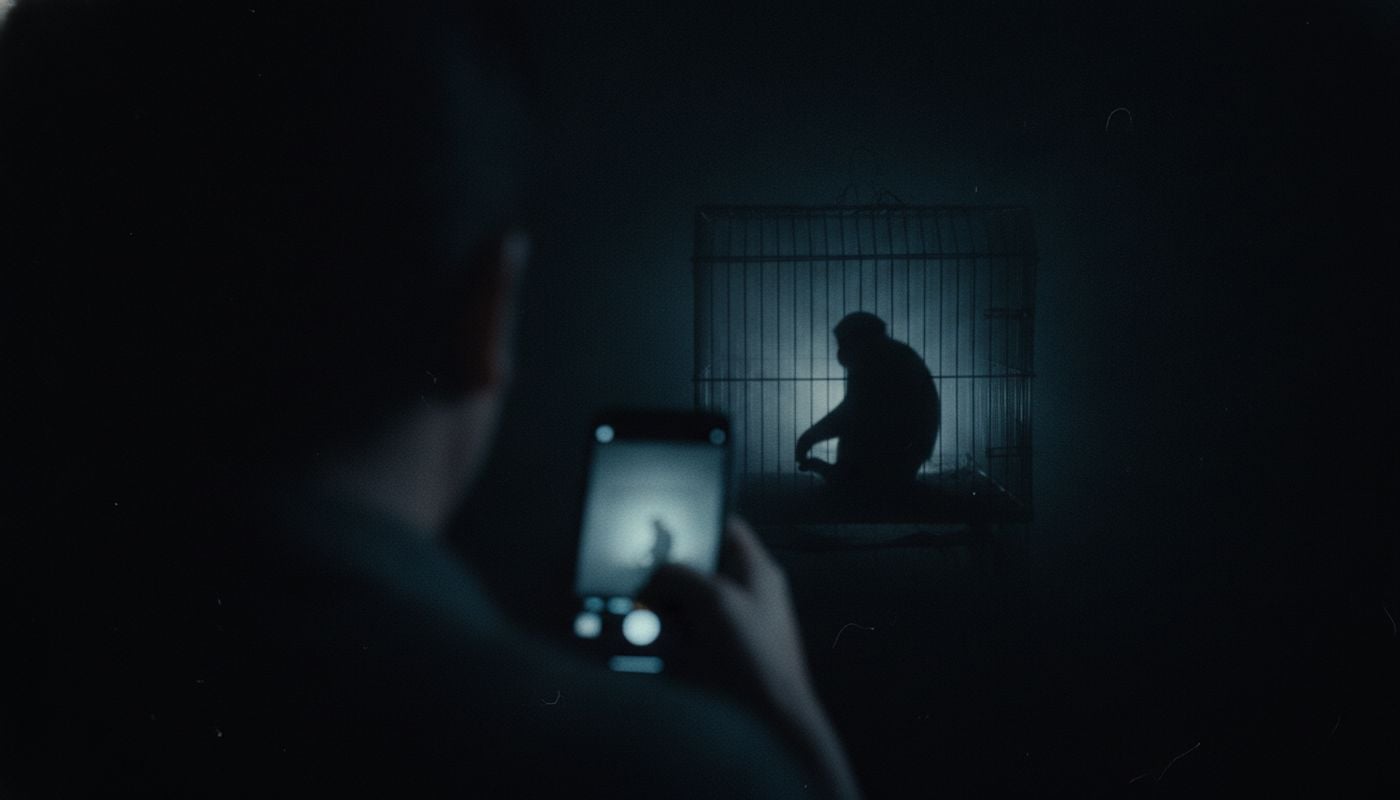
Symbolic image. The camera is the point. Without buyers for the footage, the acts would not happen.
Contents8 chapters
How the network worked
The investigation describes something far removed from the lone-offender cliché. It was a supply chain.
Demand sat in the United States and Europe. Payments went in small amounts to commissioned producers abroad, primarily in Indonesia. Coordination happened in closed groups on encrypted messengers, above all Telegram, with initial contact often made on open platforms such as YouTube.
The groups used their own cover language. Chat rooms were called “kitchens” and the videos were “sauce”. That detail is not a curiosity. It explains why automated moderation systems found nothing for years. Keyword filters do not flag a group that talks about cooking.
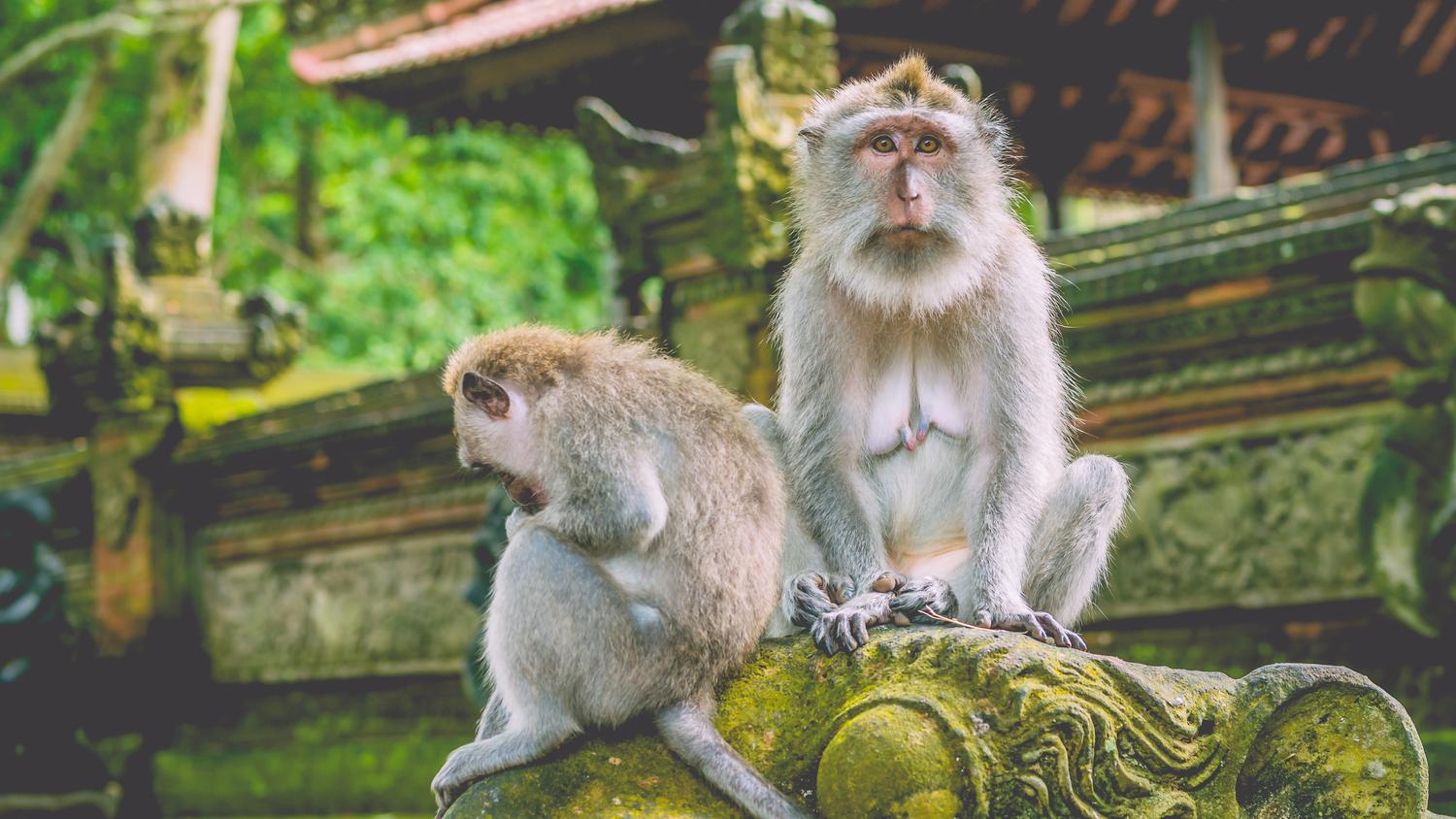
The animals were almost exclusively macaques, mostly infants.

Symbolic image. The demand came from ordinary living rooms in the US and Europe.
The convictions so far
This is not one trial but a series of them, spread across several states. Where things stand, based on court reporting and Department of Justice announcements:
Mike Maccartney of Virginia pleaded guilty in 2024. Investigators documented more than 300 payments for content. His case is widely seen as the turning point, because the money trail running through him led to others.
Nicholas T. Dryden of Cincinnati, Ohio, was sentenced on 21 July 2026 to 108 months in prison, nine years, plus three years of supervised release. He paid a minor in Indonesia and distributed the videos through groups he ran himself. It is the heaviest sentence in this series of cases so far.
Francisco Javier Ravelo of Coral Gables, Florida, was sentenced to 60 months in prison plus three years of supervised release. Homeland Security Investigations ran the case.
Ariel Kornienko of Covington, Louisiana, pleaded guilty to distributing ten videos.
Joseph Garrett Buckland of Pennsylvania and Amanda Leigh Fourez also pleaded guilty. Buckland is accused of belonging to a group that pooled money to pay a videographer in Indonesia.
Garrett Fitzgerald received 30 months in prison, three years of supervised release and 100 hours of community service.
Two further defendants from northern Louisiana, said to have used the handles “Beglu” and “Cat Face”, have pleaded not guilty. They are presumed innocent and their cases remain open.
The FBI is running a separate investigation in Ohio. Animal protection groups tracking these networks now count more than 30 people prosecuted worldwide.

Symbolic image. We deliberately show no footage from the case.
The law that made these cases possible
Here is the part worth understanding, and the reason this story travels.
The charges rest on the PACT Act, the Preventing Animal Cruelty and Torture Act of 2019, codified at 18 U.S. Code § 48. It prohibits “animal crushing”, defined as purposely crushing, burning, drowning, suffocating, impaling or otherwise inflicting serious bodily injury on a living animal. The maximum penalty is seven years in federal prison and fines up to $250,000.
What changed in 2019 is the crucial bit. A 1999 statute had already banned these videos, but only the videos. The underlying act itself fell outside federal reach. The PACT Act closed that gap, and only then did it become possible to prosecute a network rather than individual files.
There is a practical dimension too. Because this is federal law, an agency like HSI can investigate across state lines and internationally. With demand in Louisiana, payments from Pennsylvania and production in Indonesia, that is the difference between a case and no case at all.
Why Indonesia, and what we saw there
Outsourcing production to Southeast Asia was not random. Long-tailed macaques live there in large numbers in close proximity to people, access to animals is easy, enforcement is weak, and the income gap between local producers and Western buyers is enormous.
That exact subject was on the agenda at the 2026 SMACC Global Summit in Bali, which we attended. SMACC stands for Social Media Animal Cruelty Coalition, an alliance of animal protection organisations that documents cruelty content and pressures platforms to act.
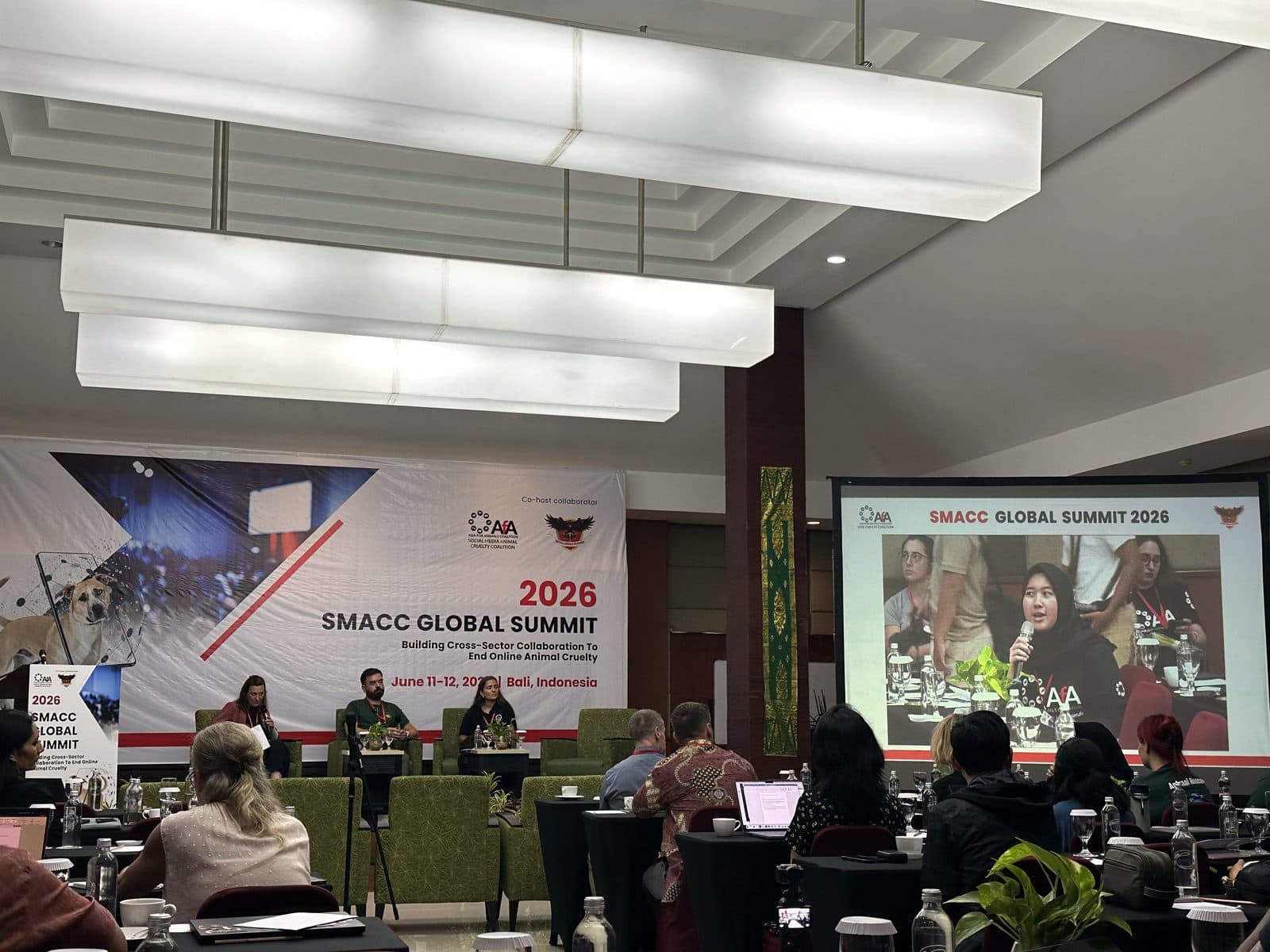
Panel discussion at the SMACC Global Summit 2026 in Bali.
The point that stayed with us: the networks now being prosecuted in New Orleans sit at the far end of a much wider spectrum. That spectrum includes staged animal rescues, where animals are deliberately put in danger so the rescue can be filmed. We wrote up how that works and how to recognise it here: Clicks built on animal suffering.
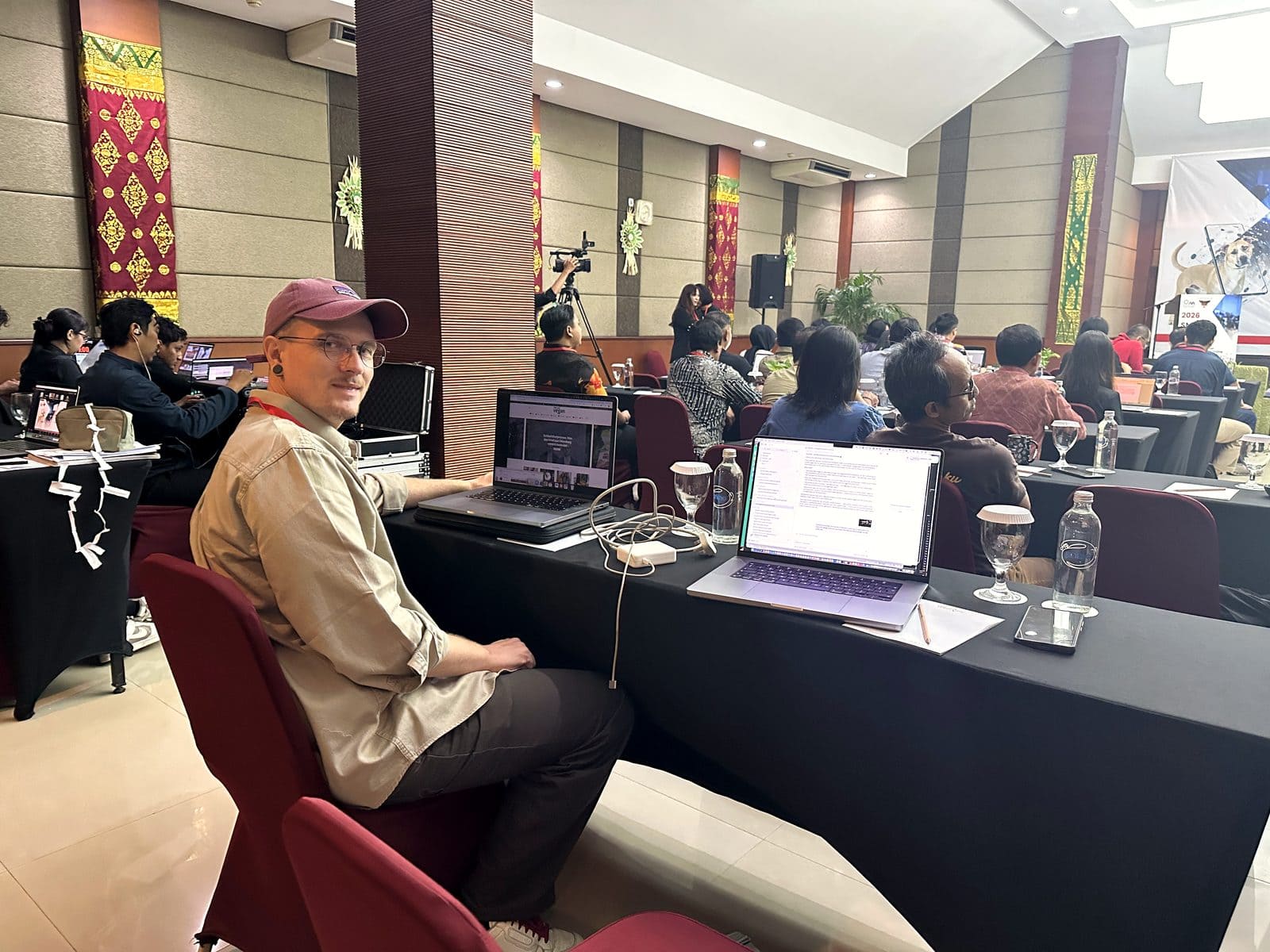
At the SMACC Global Summit 2026 in Bali, where the link between these torture networks and the wider content economy was a central theme.
Related: Harvard monkey experiments: NIH announced an end, but the lab still receives funding.
Where Europe stands, using Germany as the example
Now the uncomfortable comparison, and the reason this is not simply an American story.
We publish from Germany, so take it as the test case. German animal cruelty is prosecuted under § 17 of the Animal Welfare Act, which carries a maximum of three years’ imprisonment or a fine. There is no dedicated offence for commercially producing or trading in torture footage, nothing equivalent to the PACT Act.
A tightening was actually drafted. A government bill from May 2024 would have raised the maximum to five years where someone acts repeatedly, commercially, or against a large number of vertebrates. That bill died when the governing coalition collapsed and parliamentary discontinuity wiped it out. The substantive sentencing range under § 17 is unchanged, and no increase is currently planned. The fifth amendment to the Animal Welfare Act, put out for consultation by the agriculture ministry in March 2026, deals mainly with video surveillance in large slaughterhouses.
This does not mean nothing gets prosecuted in Germany. It means the tools are blunter: a lower ceiling, no specific offence covering the trade in this material, and jurisdictional limits that internationally organised networks run straight through.
Reporting like this takes time and is not funded by advertisers. If you want us to keep at it, you can support This Is Vegan here.
What you can actually do
The most important point first, because it is the most common well-meant mistake: do not comment, do not share, not even in outrage.
To a recommendation algorithm, outrage is simply engagement. An angry comment under a cruel video tells the system that people find it compelling, and the system shows it to more people. Anyone forwarding such footage out of disgust is helping it spread.
Instead:
- Report rather than react. Every major platform has a reporting route for animal cruelty. Report it, close it, do not watch it.
- Block the account, so the algorithm learns this direction does not work.
- Stay out of the comments, even to tell someone off.
- Where content appears to be criminal in your jurisdiction, a police report can be worthwhile, as can flagging it to an organisation that aggregates cases.
The wider frame
It would be comfortable to file this away as a story about a handful of sadists at the edge of society. Comfortable, but incomplete.
The species tortured in these videos, the long-tailed macaque, is also the most widely used primate in laboratory research worldwide. What happens there is legal and largely undiscussed, because it is understood to serve a purpose. We looked closely at how well that purpose actually holds up: of 100 compounds that pass animal testing, only five are ever approved.
The difference between the two is real and it matters. But the question underneath is the same one: under what conditions are we willing to accept the suffering of a sentient animal, and who gets to set those conditions?
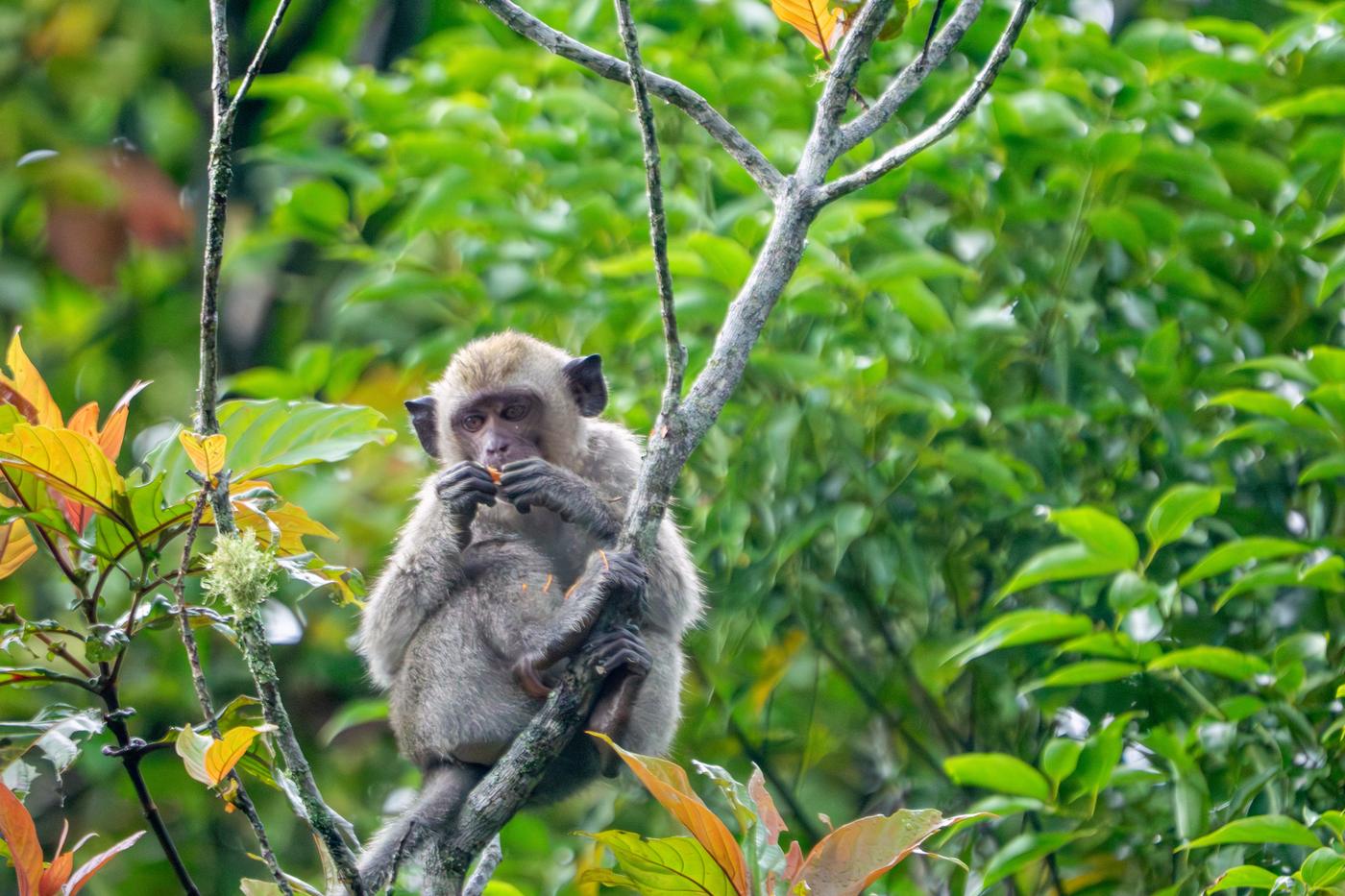
Macaca fascicularis, the long-tailed macaque. The same species used in laboratories around the world.
Frequently asked questions
What exactly are the defendants charged with?
Producing, distributing or financing videos depicting severe animal cruelty. The charges rest on the US federal offence of “animal crushing” under 18 U.S. Code § 48.
How severe are the penalties?
Animal crushing carries up to seven years in federal prison per count and fines up to $250,000. The highest sentence so far is 108 months, nine years, for Nicholas T. Dryden of Cincinnati in July 2026.
How many people are involved?
At least 30 have been charged in the United States. Animal protection organisations tracking these networks count more than 30 prosecutions worldwide.
Why was the footage produced in Indonesia?
Because long-tailed macaques live there in large numbers near human settlements, enforcement is weak, and the income gap makes payment from abroad attractive to producers.
Would this be equally prosecutable in Europe?
Not in the same way. In Germany, for example, animal cruelty carries a maximum of three years under § 17 of the Animal Welfare Act, and there is no separate offence for trading in such material. A proposed increase to five years failed in 2024.
Is it a crime to watch such a video?
Merely viewing it generally is not. Redistributing it may well be, and in every case it helps the people producing it. Reporting is the correct response.
Sources: reporting by The Times-Picayune / nola.com on the Homeland Security Investigations case, US Department of Justice announcements on the individual prosecutions, 18 U.S. Code § 48 (PACT Act), and § 17 of the German Animal Welfare Act. Defendants whose cases remain open are presumed innocent.
FAQ - What readers ask
What exactly are the defendants charged with?
How severe are the penalties?
How many people are involved?
Why was the footage produced in Indonesia?
Would this be equally prosecutable in Europe?
Is it a crime to watch such a video?
Want our reporting to show up first in Google's Top Stories? Add This Is Vegan as a preferred source on Google.