





Sometimes it actually works. On 3 August 2026, the French shipping company Brittany Ferries confirmed it will end the transport of live farmed animals from Ireland to France. From September 2026 at the latest, no cattle, no pigs and above all no unweaned calves will travel on its ships.
Behind that sentence sits one of the most persistent animal welfare campaigns of recent years. How it was won says something about where the real leverage currently lies.
Contents9 chapters
What was actually promised
The commitment covers all live farmed animals, explicitly including unweaned calves, on the Ireland to France route, with the withdrawal complete by September 2026 at the latest.
This is a date, not a statement of intent. What makes it more striking is that Brittany Ferries had only recently entered this business again. In March 2025, after a 30-year pause, the company resumed carrying live animals, a decision that provoked international outcry. Less than eighteen months later, it has been reversed.
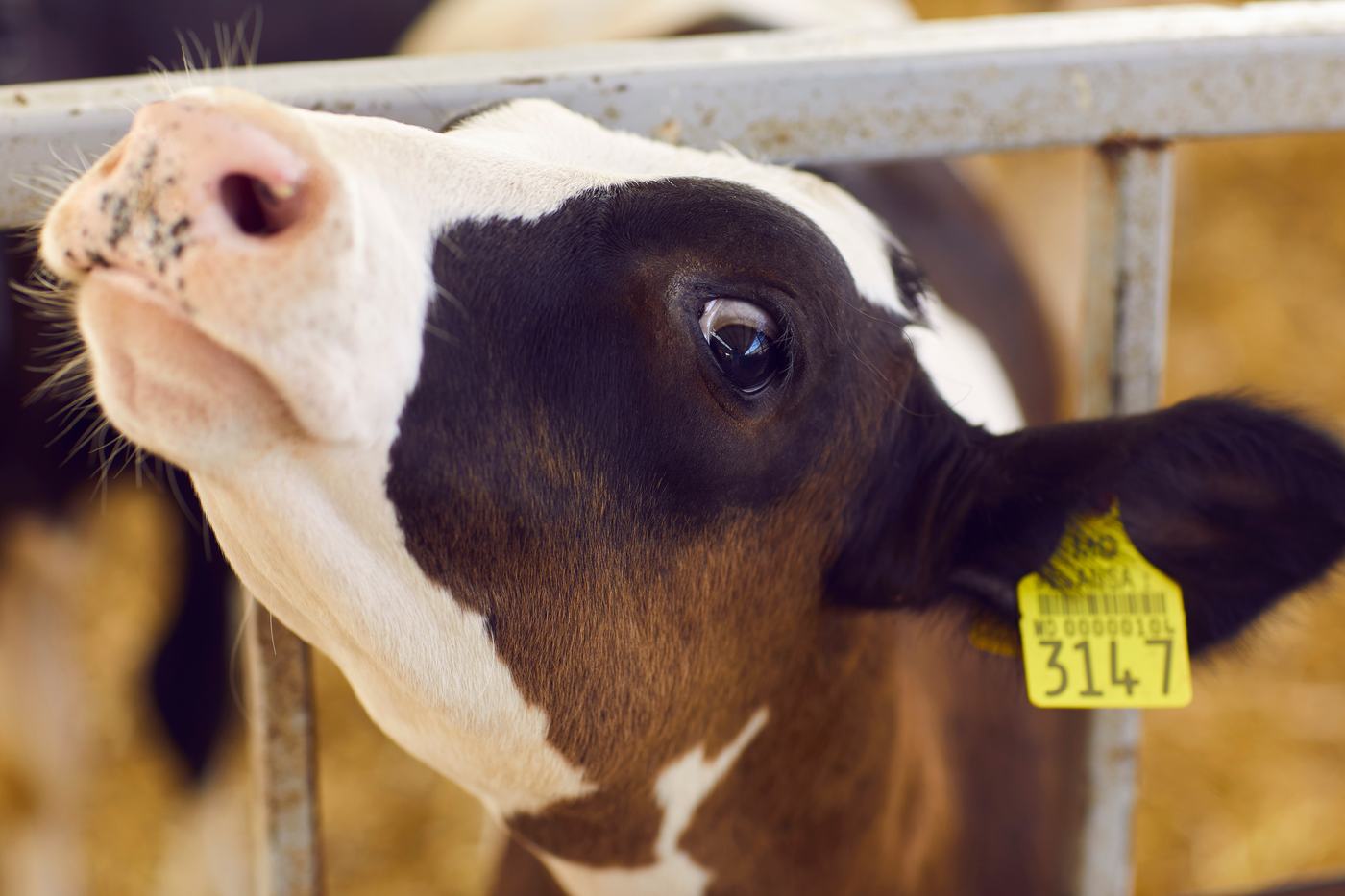
These are the animals at the centre of the case: unweaned calves that spent over 18 hours without feed during the crossing.
The detail that broke it open: 18 hours without feed
The campaign focused on the calves, for a specific and legally consequential reason.
Unweaned calves still need milk. They cannot process solid feed and depend on regular milk feeds. According to Compassion in World Farming, by the time the ships reached France these calves had gone more than 18 hours without food.
That is not only cruel. According to the organisation, it is a breach of EU animal welfare law. This is precisely where the campaign gained traction: the argument was not a moral appeal but a practice that left the company legally exposed.
One point belongs in this piece because we are a plant-based magazine. These calves do not appear by accident. They are a by-product of dairy production. A cow only gives milk after giving birth, and a large share of those calves, particularly the males, has no economic value to a dairy operation. Ireland therefore exports them to the continent in large numbers.
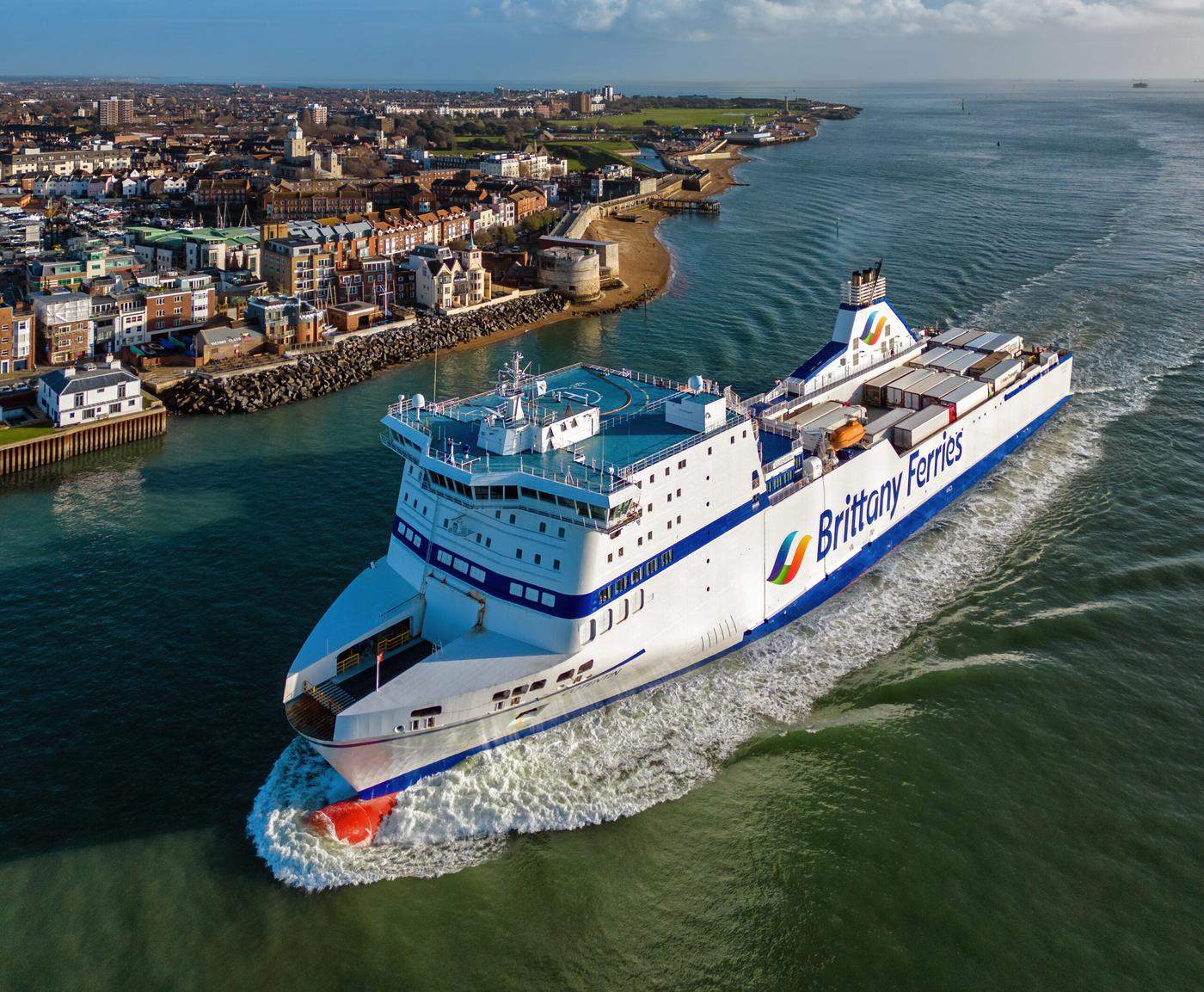
Freight is core business for the company. Live animals will not be part of it after September. Photo: © Brittany Ferries
How the pressure was built
The campaign is worth studying as a method, so here are the tools it used.
It was carried by a broad alliance: Compassion in World Farming, Ethical Farming Ireland, WELFARM, FOUR PAWS, L214, Eyes on Animals, Eurogroup for Animals, Southampton Animal Action and Dorset Animal Action. Organisations from Ireland, France, the UK and EU level, aligned behind a single demand.
What came together:
- More than 100,000 emails to the company
- Two petitions totalling over 100,000 signatures
- Regular demonstrations in Ireland, France and the UK
- A coordinated social media storm aimed directly at the company’s customers
- As a direct result, the Brittany Ferries Trustpilot page was temporarily taken down
That pressure produced four rounds of talks between the company and the NGOs. The commitment followed.
The Trustpilot detail is the most instructive one. It shows where a passenger ferry operator is genuinely vulnerable: not in the freight division, but with the holidaymakers who read reviews before booking a crossing.
“Animals are not cargo”
Charlotte Reid, Deputy Director of Global Campaigns at Compassion in World Farming, put it this way:
This is a landmark victory for animals. After months of campaigning by NGOs, with the support of hundreds of thousands of supporters across Europe, Brittany Ferries has finally listened. Animals are not cargo and they should not be forced to suffer on these gruelling, stressful journeys.
She added that campaigning will continue until the practice is consigned to the history books entirely.
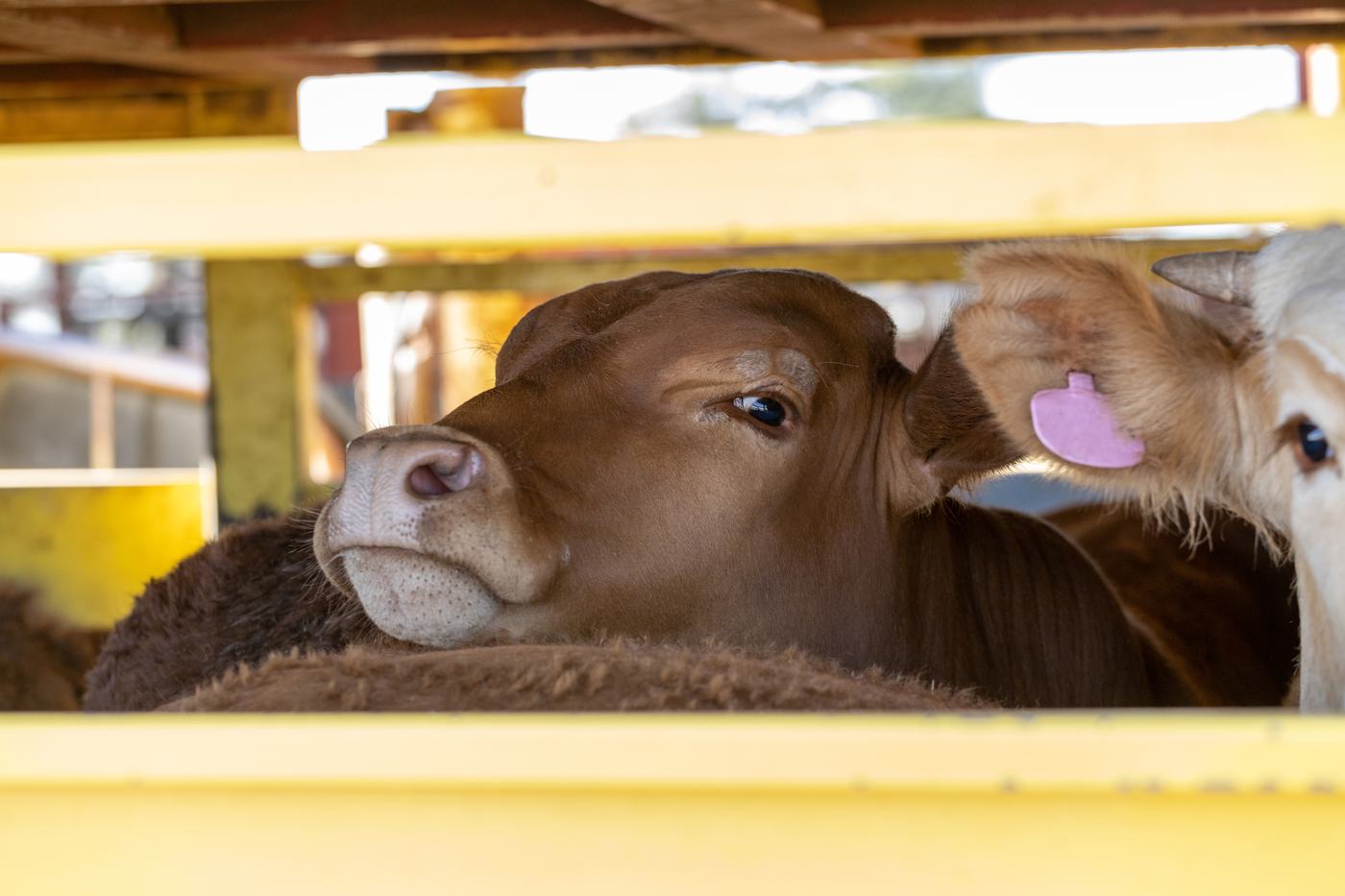
Symbolic image. The sea crossing is only one leg of a journey that usually begins and ends in a lorry.
Who is left
The Ireland to France route is not closed. It now has one operator.
Irish Ferries is the only remaining company carrying unweaned calves and other live animals on this crossing. The campaigning organisations have said they will now redirect the pressure. Being the last operator standing is an uncomfortable position: it also means being the only one visible.
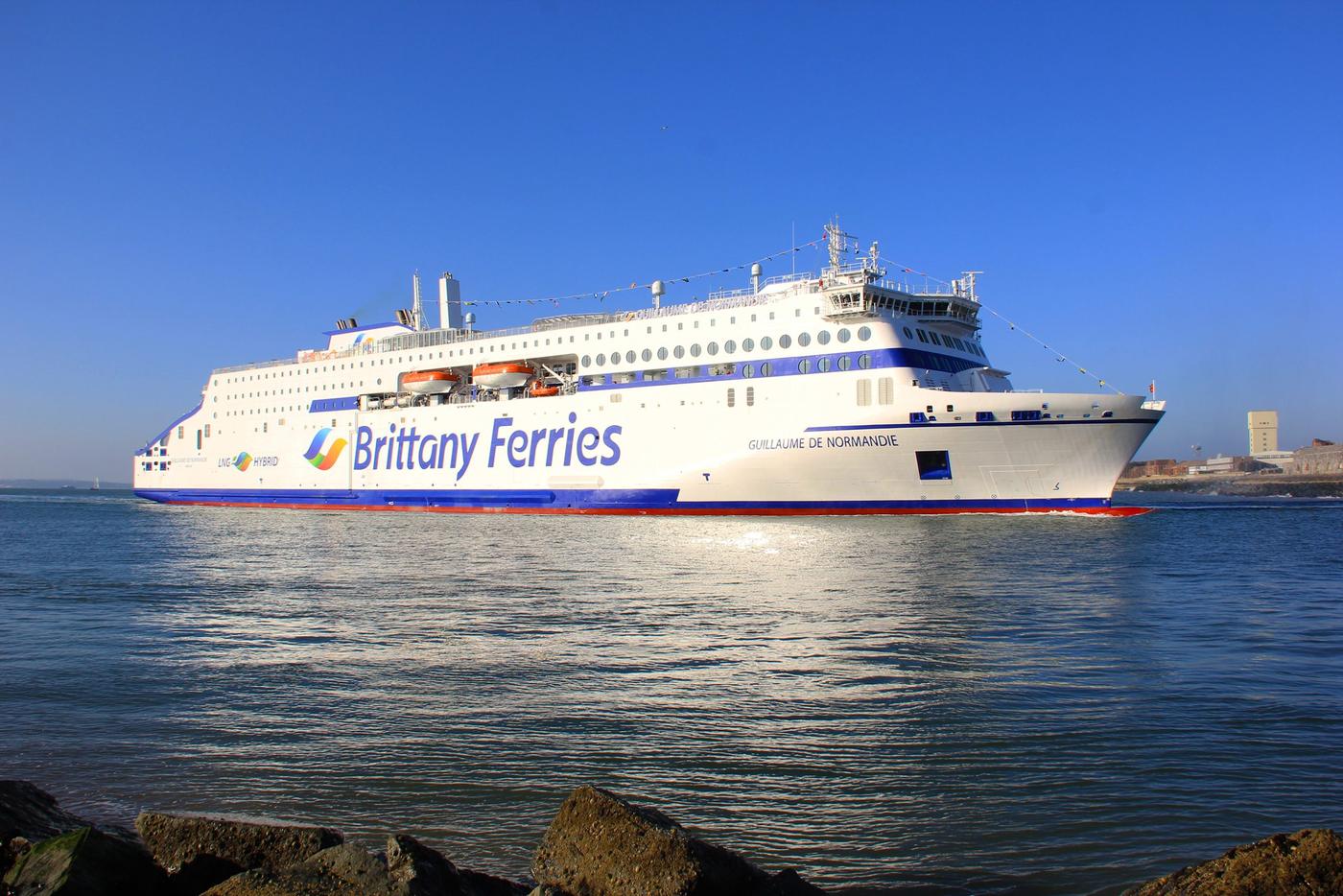
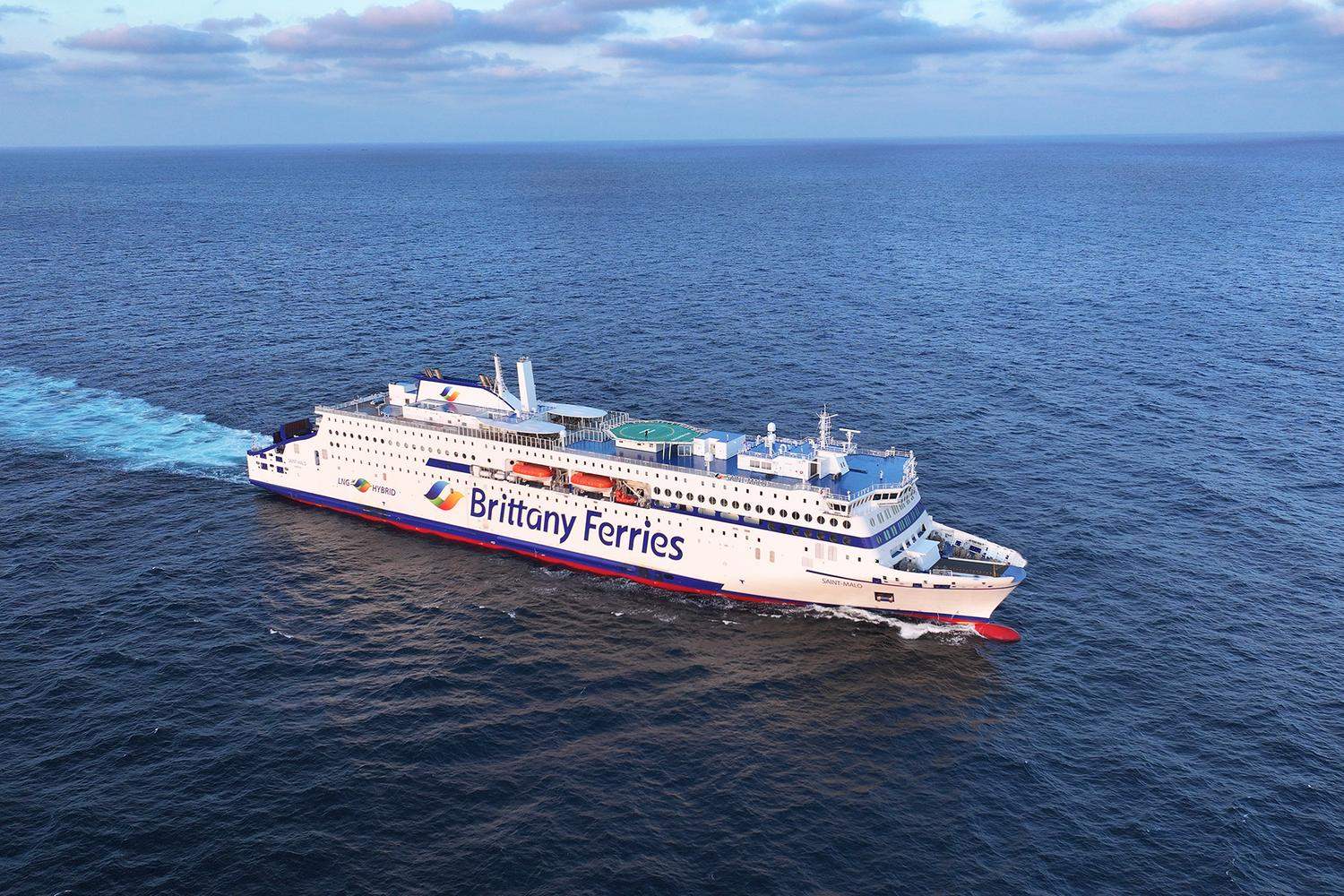
The Guillaume de Normandie, one of the newer LNG hybrid vessels in the fleet. Photo: © Brittany Ferries, photographer: Patrick Hughes
The contradiction the campaign exploited
One aspect gets little coverage but explains why this particular company proved so sensitive.
Brittany Ferries has positioned itself on sustainability for years. Its newer ships run as LNG hybrids, the wording is painted large across the hull, and fleet modernisation is a fixed part of its public image. A company that builds its brand on environmental credentials cannot comfortably be known as the carrier of starving calves. The campaign aimed straight at the gap between self-image and practice.
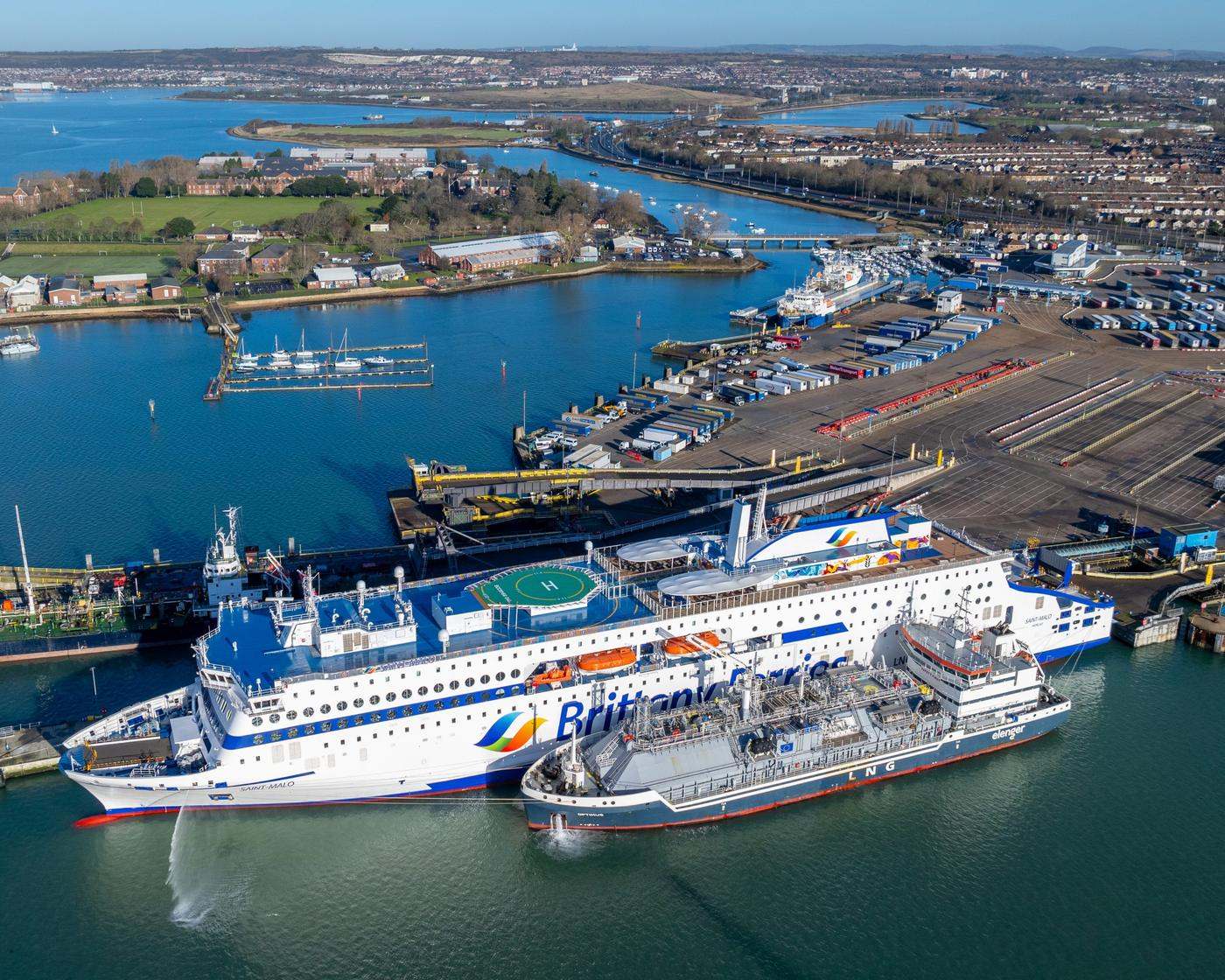
LNG bunkering in port. The company promotes its fleet modernisation prominently. Photo: © Brittany Ferries, photographer: Brian Barcher
What this says about the law
Here the comparison turns uncomfortable.
Great Britain banned live exports in 2024. At EU level, a Commission proposal to revise the animal transport regulation has been on the table since December 2023. A political compromise was announced first for summer 2025, then autumn, then the end of the year. By early 2026 it still had not materialised, partly because a shadow report from the parliamentary groups was missing. The process has stalled.
That produces an awkward calculation. A citizens’ campaign moved a shipping company in roughly eighteen months. EU legislation has failed to reach a compromise on the same question in the same period.
None of which is an argument against legislation. A ban applies to everyone, a corporate commitment applies to one company. But it does show that commercial pressure is currently the faster lever.
We report on wins like this because they show change is possible. If that matters to you, you can support This Is Vegan here.
What to take from it
The value of this story lies less in the individual case than in the method.
Emails to companies work. Not individually, but in volume and sustained over weeks. A hundred thousand messages cannot be absorbed by a customer service department.
Review platforms are the pressure point. For any business with a consumer-facing side, public ratings drive bookings. That was the measurable moment things became uncomfortable here.
Alliances beat solo efforts. Nine organisations across four countries with one clearly worded demand, and no arguing over side issues.
And the quietest lever remains the shopping basket. Unweaned calves are a by-product of the dairy industry. Lower demand means fewer animals that ever need shipping in the first place.
Public pressure works in other corners of animal welfare too, though not always this quickly. We have looked at how platforms handle cruelty content in Clicks built on animal suffering, and at what happens when prosecutors finally get a usable law in the US monkey torture prosecutions.
Frequently asked questions
What exactly did Brittany Ferries commit to?
Ending the transport of all live farmed animals, explicitly including unweaned calves, from Ireland to France, by September 2026 at the latest.
Why are unweaned calves a particular problem?
Because they still need milk and cannot process solid feed. On these crossings they went more than 18 hours without food, which according to Compassion in World Farming breaches EU animal welfare law.
How long did the campaign run?
Brittany Ferries resumed live animal transport in March 2025 after a 30-year pause. The withdrawal was confirmed on 3 August 2026, roughly eighteen months later.
Who still carries live animals from Ireland to France?
Irish Ferries is the only remaining operator on this route.
Are live exports banned in the EU?
No. Great Britain banned them in 2024, but they remain legal in the EU. A proposal to reform the animal transport regulation has been pending since December 2023 without a political compromise.
What can I do?
Sign the petitions run by the organisations involved, write to companies directly, and reduce demand. Unweaned calves are a by-product of milk production.
Source: Compassion in World Farming, “Victory: Brittany Ferries to stop live animal transport”, published 3 August 2026. Information on the status of the EU animal transport regulation follows reporting by PROVIEH. The vessel photographs were supplied as press material, © Brittany Ferries. The images of the cow and calf are symbolic and do not show the transports described.
FAQ - What readers ask
What exactly did Brittany Ferries commit to?
Why are unweaned calves a particular problem?
How long did the campaign run?
Who still carries live animals from Ireland to France?
Are live exports banned in the EU?
What can I do?
Want our reporting to show up first in Google's Top Stories? Add This Is Vegan as a preferred source on Google.