






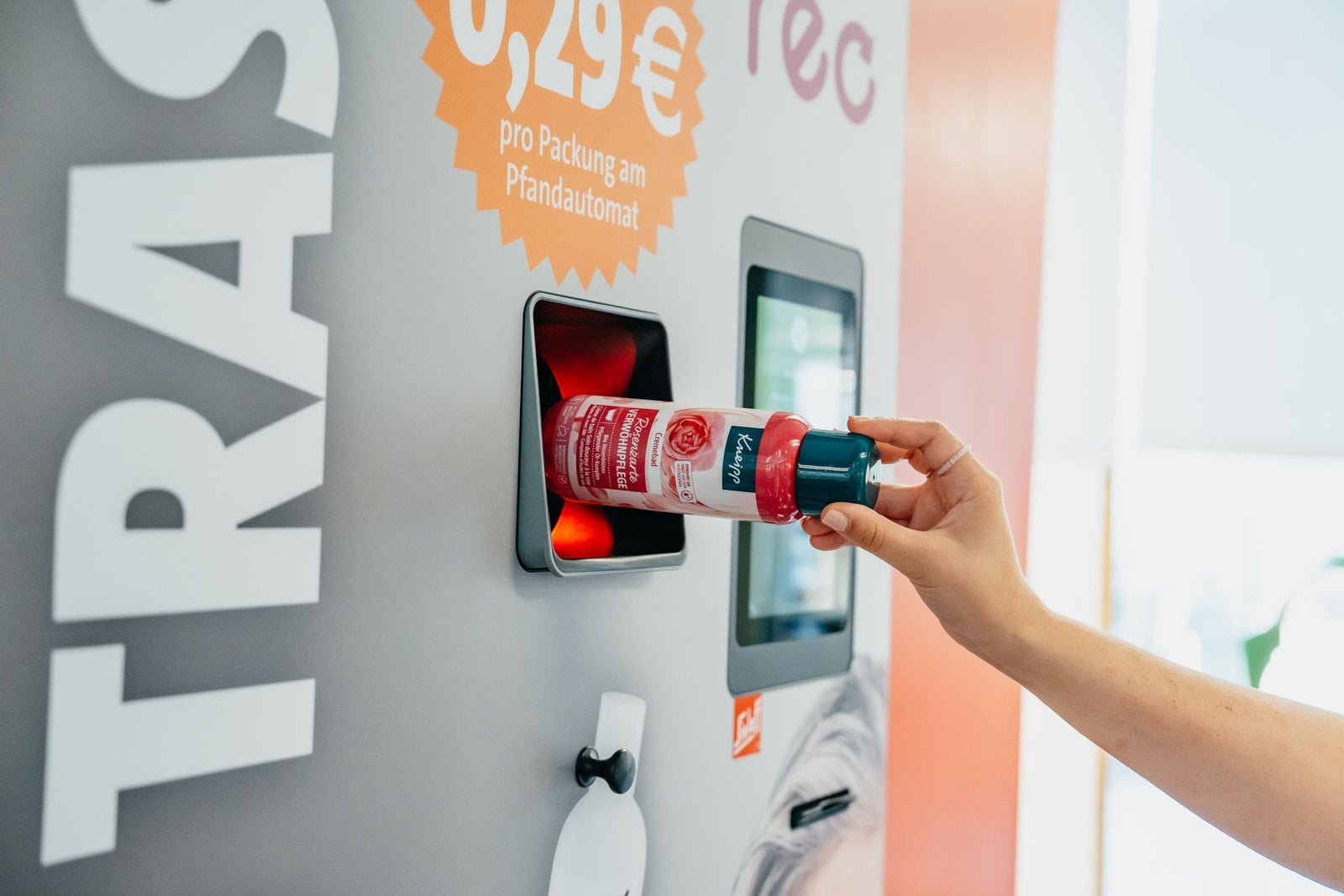
The shampoo is vegan, the lotion was developed without animal testing, the formula is free of microplastics. And the empty bottle still goes in the bin. A start-up from Heilbronn in southern Germany wants to close that gap: reo takes cosmetics packaging back through the beverage deposit machines that already stand in German supermarkets, and pays 29 cents per container.
Diesen Artikel gibt es auch auf Deutsch.
It sounds like the kind of idea you want to like immediately. We still checked what is actually happening right now, which brands take part, and whether the four launch partners are as vegan as they first appear.
29 cents per empty bottle: where does the project stand?
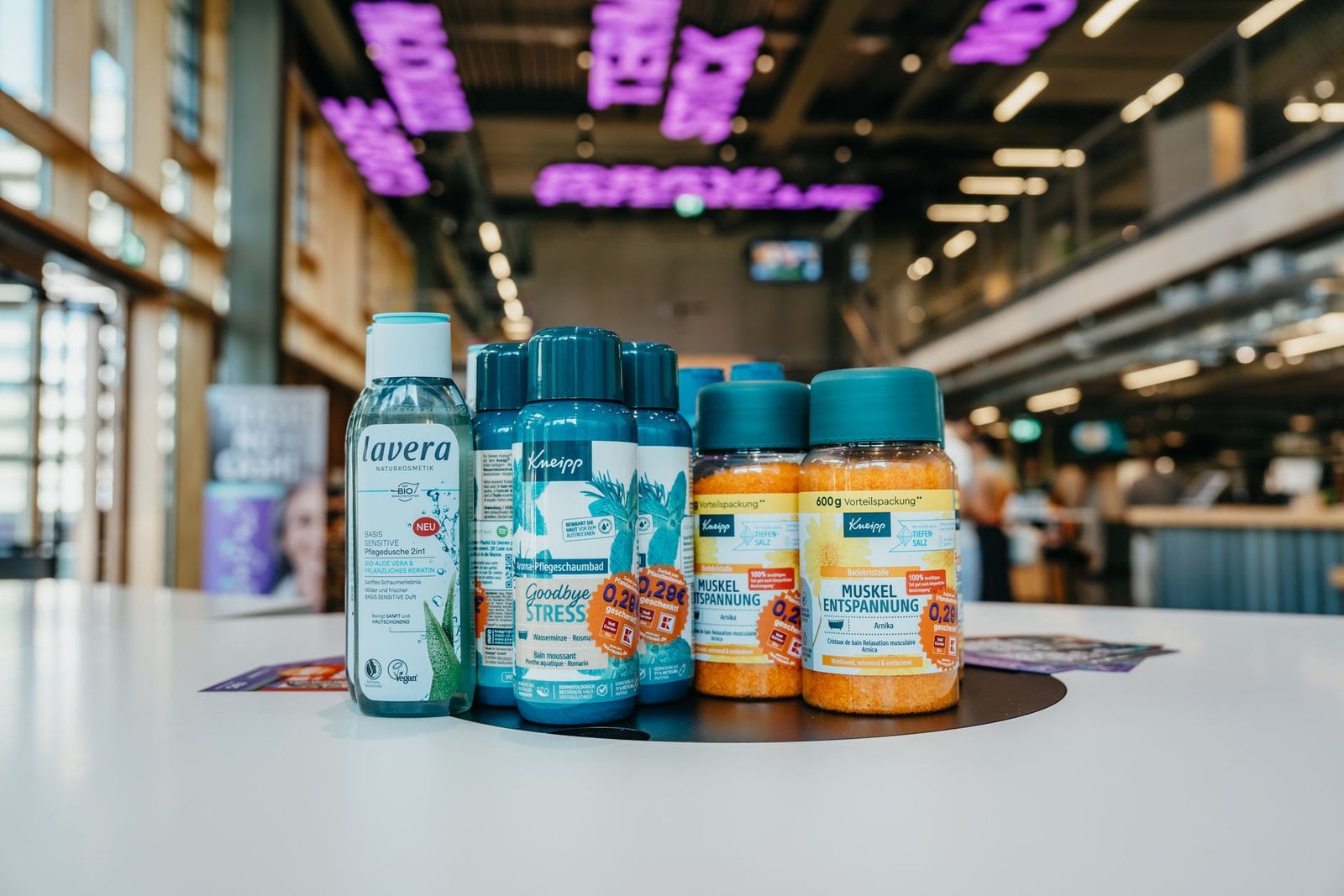
The start-up reo accepts empty packaging from the brands lavera, LOGONA, Santé and Kneipp at beverage deposit machines and pays out 0.29 euros per container. No deposit is charged at purchase, the money is a straight reward. No account, no app.
One caveat, stated by reo itself: during the 2026 test period the packaging is not yet refilled. What is being tested is the return, the loop comes later. Participating stores are currently in the Munich area, plus Kaufland branches in the Heilbronn area.
Contents9 chapters
- 01400 million bottles, one single use
- 02How the return works
- 03The line at the very bottom of the website
- 04Why reuse beats recycling, but only from the second cycle
- 05Are the four brands vegan? The honest answer
- 06Who owns the four brands
- 07Why the EU is setting the pace
- 08Heilbronn becomes the second model region
- 09What this means for you
400 million bottles, one single use
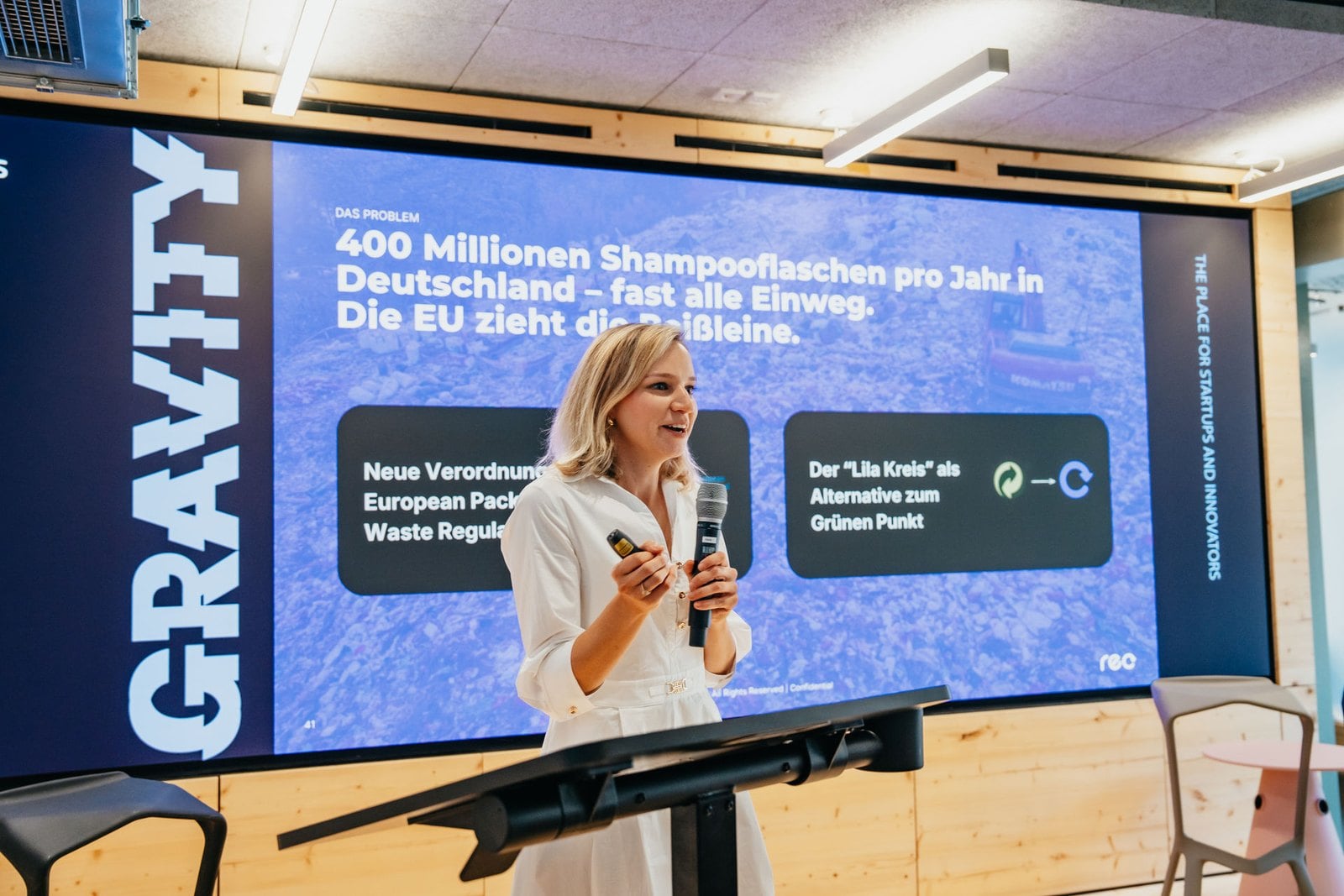
Around 400 million single-use shampoo bottles are consumed in Germany every year. The number has been circulating since early summer, and in every source we could find it traces back to reo. We are not aware of an independent survey behind it, so we treat it as an order of magnitude rather than official statistics.
The direction holds regardless. Cosmetics packaging is a one-way street: produced, filled, shipped, used once, thrown away. Beverages have had working reuse systems for decades. For shower gel and body lotion there have only been isolated schemes with their own collection boxes or return envelopes, and hardly anyone keeps those up in daily life.
How the return works
reo’s trick is to build no new infrastructure. Returns happen at the beverage deposit machines that participating Kaufland and VollCorner stores already have. Participating packaging carries a digital code the machine recognises.
- Drop in the empty container. Only products from the four partner brands, only in participating stores.
- Take the voucher. The machine prints a receipt worth 0.29 euros per container.
- Redeem it at the till. Exactly like a normal empties voucher.
What is missing here is worth noticing: nothing is added at purchase, there is no app, no registration, no customer number. Returning a bottle leaves no personal data behind. In an industry where every sustainability scheme now comes attached to an account and a points balance, that omission is a relief.
This is also why reo avoids the word deposit: a deposit is money you put down at the till and get back on return. Here nobody pays anything in. The 29 cents are a reward for bringing the packaging back, and there is more on that at reo-reuse.de.
The line at the very bottom of the website
At the foot of cashstatttrash.de sits a footnote that is easy to miss and is the most honest sentence in the whole project:
“During the 2026 test period the returned packaging is not yet reused, so no real reuse loop exists yet.”
Notice on cashstatttrash.de, retrieved 28 August 2026, translated by us
So the return itself is what is being tested first: does the machine reliably recognise a shower gel bottle, do enough people come, what does retail do with the material? Washing and refilling is the next step. reo showed its purpose-built washing facility publicly for the first time at the Heilbronn kick-off in late June.
Reading the press material, you might come away thinking the loop is already turning. It is not. For a pilot that has been running since November 2025, that is an entirely normal stage. It is simply worth knowing the difference before declaring your bathroom saved.
Why reuse beats recycling, but only from the second cycle
Recycling has a built-in problem: turning old material into something new costs energy, water and in many cases virgin material on top. Washing a bottle and refilling it skips that step entirely.
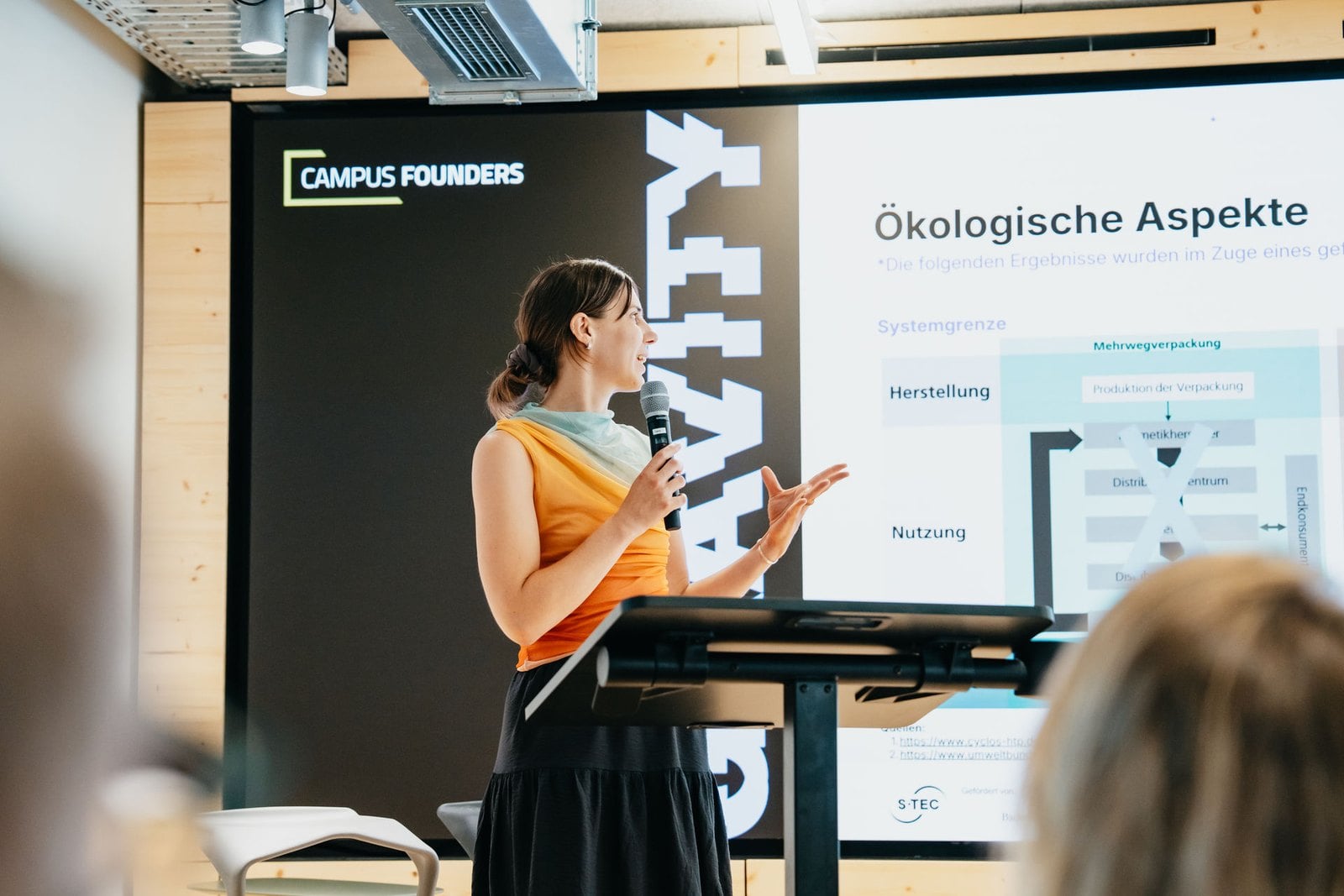
The logic does not apply from the very first return, though. Reusable packaging is usually thicker and heavier, washing consumes water and heat, and the bottles have to be collected and transported. Johanna Meier, environmental engineer and LCA expert at Fraunhofer IBP Stuttgart, presented life cycle assessments for the participating packaging at the kick-off. According to Laverana, the result is that from the second to third cycle onwards the reusable option beats single use ecologically.
That is the real benchmark for this project. A return system whose bottles drop out after one round would make the balance worse rather than better. Whether reo reaches the necessary number of cycles will only become clear once refilling begins.
Are the four brands vegan? The honest answer
Natural cosmetics and vegan cosmetics get lumped together easily. They are two different things, and among reo’s four partners the picture varies. Here is what the brands themselves say:
- LOGONA and Santé both belong to Logocos in Salzhemmendorf and list their ranges as fully vegan.
- lavera labels vegan products individually with the Vegan Society mark and writes that this label has “conquered a large part of our entire range”. A large part is not all of it.
- Kneipp is the only one of the four that also uses animal ingredients across its wider range: its own FAQ names beeswax, honey extract and milk components. That does not apply to the items in the return scheme. According to reo’s product list, those are bath salts, cream baths, foam baths, shower gels and soaps without animal ingredients.
For shopping that means going by brand alone will mislead you with lavera and Kneipp. Reading the back of the bottle takes two seconds. If you want firmer ground on ingredients generally, our piece on vegan cosmetics and clean beauty covers the markers worth knowing.
Who owns the four brands
Natural cosmetics often looks like a family business and rarely is, so here is the ownership picture as it stands:
- Laverana (lavera) is independent, founded in 1987 by Thomas Haase, based near Hanover, with around 450 employees.
- Logocos (LOGONA, Santé, Heliotrop) belonged to L’Oréal from 2018 until early 2023. The group sold the business to the New York investment firm CoBe Capital, and the company has operated independently since.
- Kneipp has been a wholly owned subsidiary of Paul Hartmann AG since April 2008.
None of these arrangements makes a product worse. Anyone shopping deliberately should still know about them.
Why the EU is setting the pace
The timing is no accident. The EU packaging regulation PPWR (Regulation (EU) 2025/40) puts the industry on a clock: reuse requirements apply to certain packaging formats from August 2026, and from 2030 binding rules on recyclability and recycled content follow. Companies building the structures now avoid expensive retrofitting later.
Sabine Kästner, sustainability officer at Laverana, puts it this way:
“We could spend years discussing the perfect reuse system for cosmetics, or we can simply start now, enter new territory and try to do it better together. The EU packaging regulation makes it clear: a deposit system for cosmetics packaging is coming. The question is not whether, but how.”
Sabine Kästner, Laverana GmbH & Co. KG (translated)
Regulation as a driver is familiar from other areas. First “climate neutral” claims disappear from packaging, then the names of plant-based products end up in dispute. On packaging, the EU and the brands are pulling in the same direction for once.
Heilbronn becomes the second model region
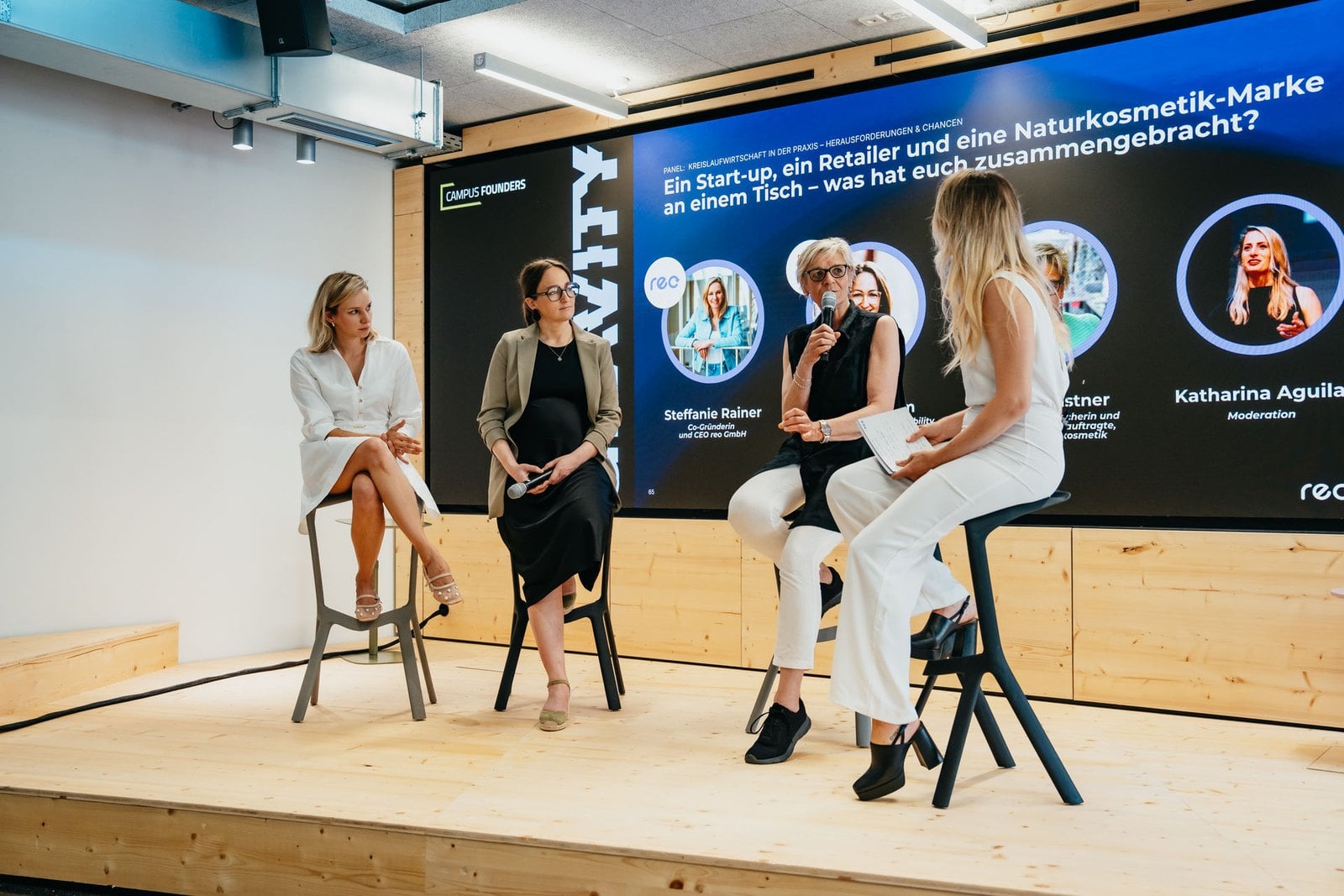
The pilot started in November 2025 in Munich, together with Kaufland, VollCorner Biomarkt and the Zero Waste Innovation Hub München. On 24 June 2026 the kick-off for the second model region followed, at the Gravity hub on the Heilbronn education campus. Returns now run in both regions: ten Kaufland stores and ten VollCorner organic markets around Munich, plus eight Kaufland branches in the Heilbronn area. The current list of participating stores is at cashstatttrash.de.
Heilbronn is a well-chosen site: the city holds the title of European Green Capital 2027. Mayor Harry Mergel welcomed the initiative, and Dr Julia Hufnagel placed the project within the city’s sustainability strategy.
The catering was fully vegan

One detail we enjoyed: the food came from Heaven’s Kitchen, the vegan restaurant inside the Gravity hub at Bildungscampus 11, which is the same address reo is registered at. The team describes itself as vegan, sustainable and climate-friendly, works to a zero-waste approach and says it produces more than 75 percent less waste than conventional catering. There was quiche, canapés with microgreens, coconut granola jars and strawberry desserts.
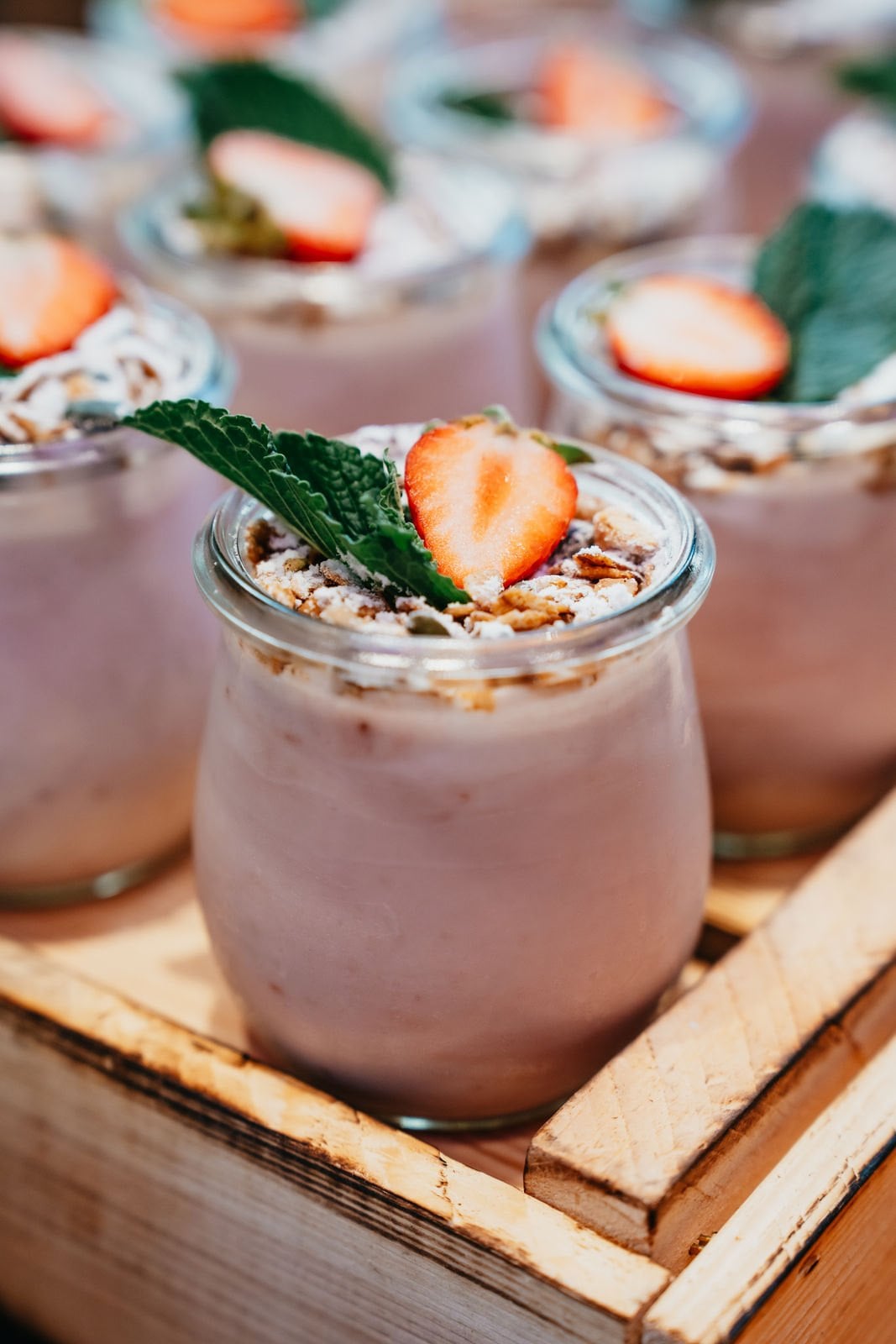
It sounds like a footnote. It is a signal: at an event with the city leadership, a retail group and researchers in the room, the food on the table was entirely plant-based, and nobody made a thing of it.
What this means for you
If you live around Munich or Heilbronn and already have lavera, LOGONA, Santé or Kneipp in your bathroom, take the empties along and collect 29 cents each. It costs no more effort than the recycling bin, and it helps the project exactly where it currently needs data.
For everyone else it is a case of watching. The interesting moment comes when the first refilled bottle reaches the shelf, and when the system opens up to drugstore private labels, where the large volumes sit. We will follow this and report back as soon as the return test turns into a real loop.
Transparency and sources
This article is based on the information published at cashstatttrash.de and reo-reuse.de (locations, process, cashback amount, the test period notice; retrieved 28 August 2026) and on the press release issued by Laverana GmbH on 26 June 2026 about the kick-off (quotes, life cycle assessment, dates, PPWR context). According to that release, the figure of 400 million single-use shampoo bottles per year comes from reo GmbH itself. The vegan status information comes from the brands: the vegan pages of lavera and Kneipp, plus the range statements from LOGONA and Santé. Ownership details rest on L’Oréal’s sale of Logocos to CoBe Capital and on company statements from Kneipp and Laverana. Quotes were translated from German by us.
reo provided us with images and a draft text. The article you are reading is our own version, and we verified every claim against the sources named above. No payment was made for this publication. We did not submit a press enquiry to reo.
All photos in this article are from the kick-off on 24 June 2026 in Heilbronn. Photographer: Isabelle Dupont.
Want our reporting to show up first in Google's Top Stories? Add This Is Vegan as a preferred source on Google.