







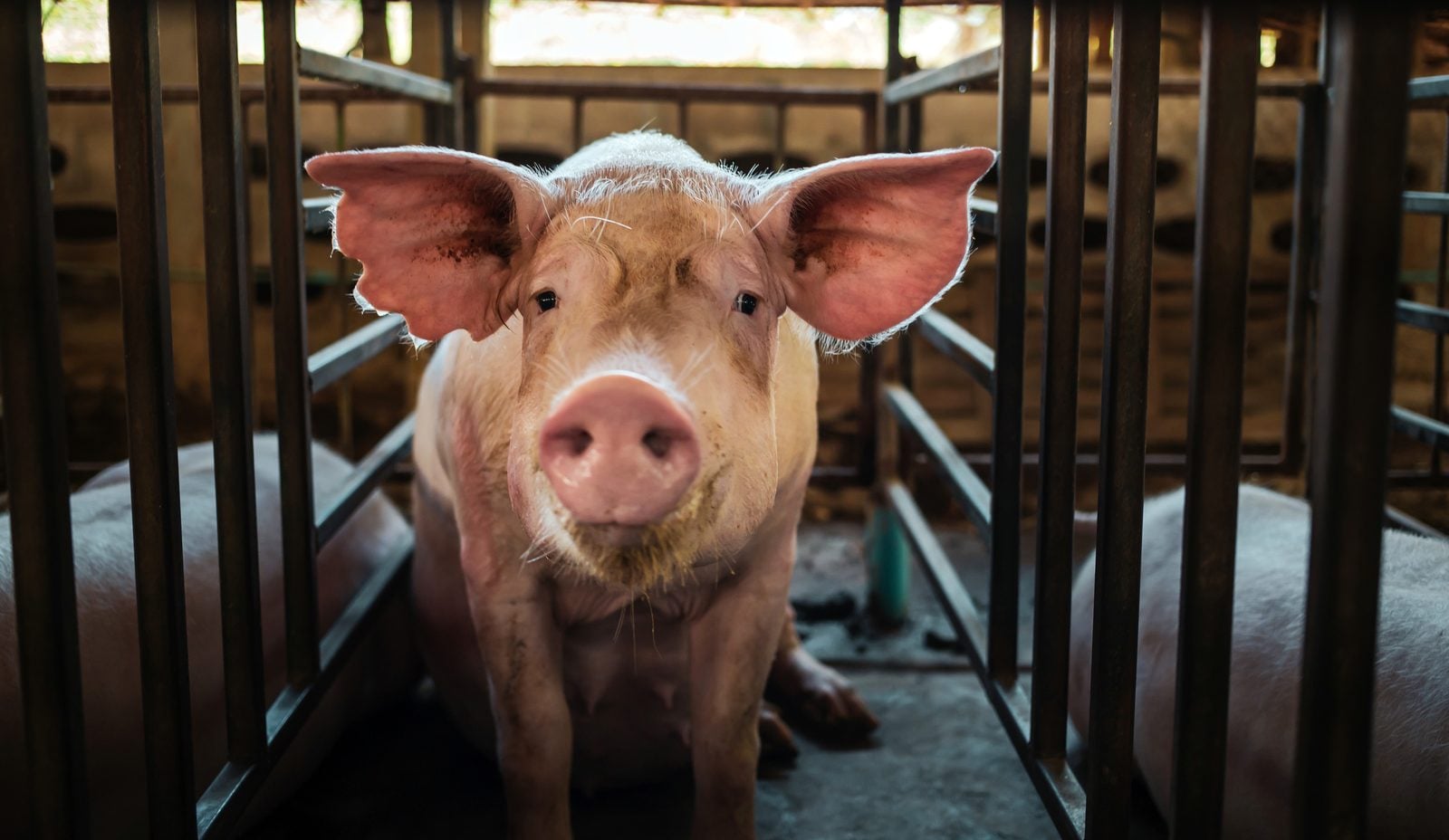
Denmark keeps roughly two pigs for every person living there. Now the country is overhauling the way it checks on them. On 29 September 2026, the Danish government presented an emergency plan with 15 measures. At its core is a new, dedicated agency that will inspect animal welfare on farms from early 2027. It will have more than twice as many inspectors as today, and anyone convicted of serious animal cruelty will soon face up to six years in prison.
In short
The new agency is called Dyrevelfærdskontrollen, roughly “the Animal Welfare Inspectorate”. It sits under the Ministry of Justice, will be headquartered in Jutland and starts in early 2027 with 134 new positions plus 118 staff transferring from the Danish Veterinary and Food Administration. The share of pig and cattle farms inspected each year rises from 20 to 30 percent, and inspections will usually be carried out by two people.
Most of the cost will be paid by livestock farmers through fees. Denmark’s biggest animal welfare charity calls it a major victory; the pig industry calls it symbolic politics.
Contents6 chapters
What Denmark decided.
The plan was presented by Justice Minister Nicolai Wammen and Christian Rabjerg Madsen, Minister for Nature and Animal Welfare since June, both Social Democrats, together with Franciska Rosenkilde, leader of the Alternativet party. According to the Ministry of Justice, the key points are:
- A separate agency. Welfare inspections move out of the Danish Veterinary and Food Administration (Fødevarestyrelsen) and into a new body under the Ministry of Justice, based in Jutland, where most of the farms are.
- More staff. 134 new full-time positions on top of 118 transferred ones.
- Two inspectors per visit as the norm, from July 2027 for pigs and cattle and from January 2028 for poultry.
- More inspections. The inspection rate for pig and cattle farms goes from 20 to 30 percent a year, with a significant rise for poultry too.
- Tougher penalties. From July 2027, the maximum sentence for serious animal cruelty triples from two to six years in prison, and bans on keeping animals become easier to impose.
The ministry puts the cost at around DKK 120 million in 2027, rising to about DKK 160 million a year from 2029, roughly 16 to 21 million euros. Most of it will be covered by fees charged to farmers.
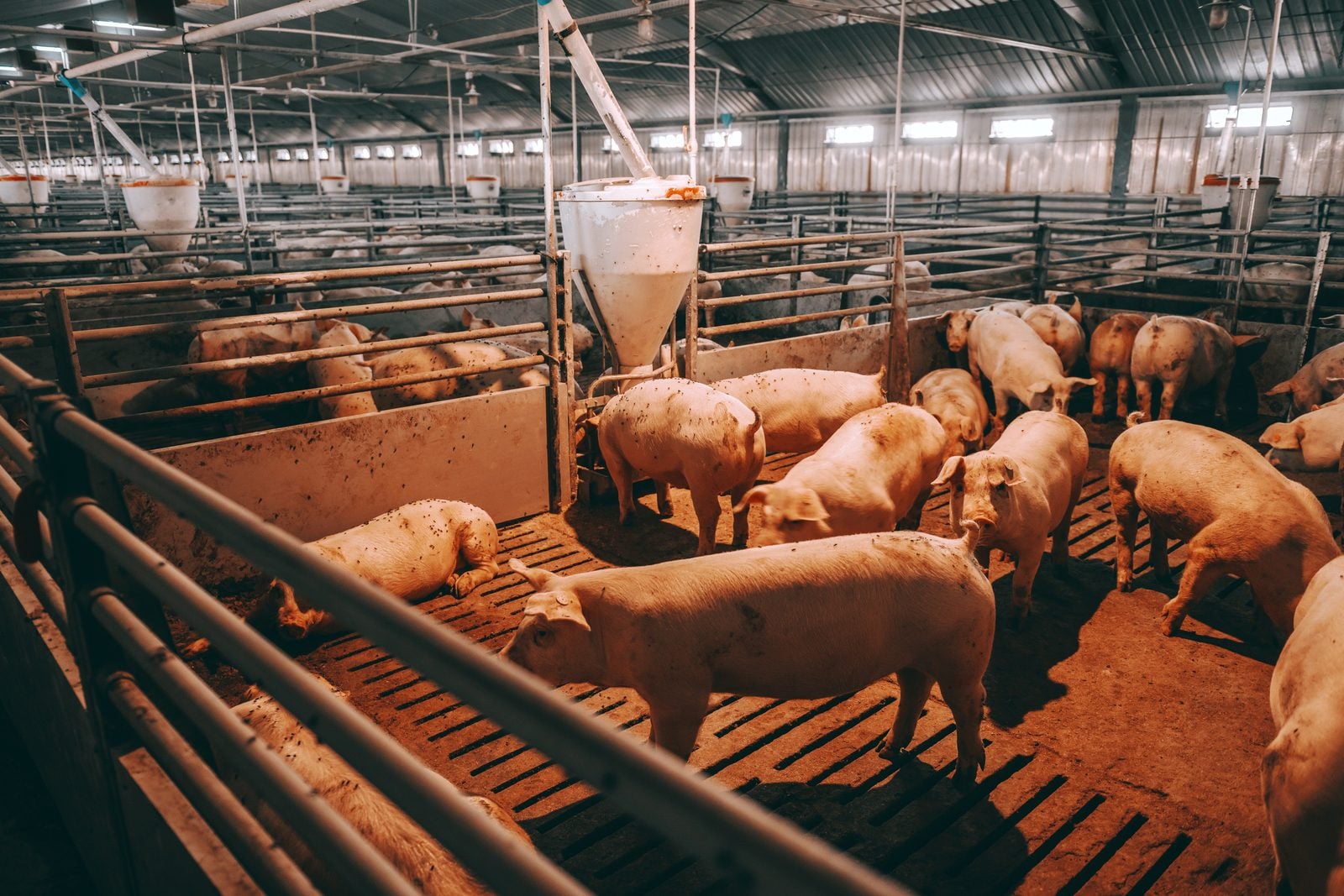
Stock image: pigs in an industrial fattening facility. Photo: Adobe Stock
Why now.
Because the old system failed, and the government says so itself. In April 2026, Denmark’s National Audit Office (Rigsrevisionen) sharply criticised the welfare inspections. A review by the Ministry of Justice then found around 1,500 follow-up inspections from 2025 and the first half of 2026 that had never been carried out. The politically agreed target of inspecting one in five pig and cattle farms each year will be missed in 2026 (Ministry of Justice). The ministry blames staff shortages and bird flu outbreaks that tied up inspectors.
There is a structural problem too. Until June, animal welfare in Denmark sat with the agriculture ministry, the same department that champions the farming industry. The new centre-left government under Mette Frederiksen split that ministry and moved animal welfare law to the Ministry of Justice. The new agency completes the separation: the people who inspect farms will no longer share a roof with the people who promote them.
Charity cheers, industry grumbles.
Dyrenes Beskyttelse, Denmark’s largest animal welfare organisation, called the plan a big win for animals. Its director Britta Riis accuses the food administration of having undermined the law through its internal inspection guidelines (press release). According to the organisation, those guidelines contradicted the law on at least ten points. Routine tail docking was tolerated, it says, and two wooden sticks were deemed enough enrichment for 18 pigs.
Farm lobby groups see it differently. According to TV 2’s live coverage, the industry body Landbrug & Fødevarer objects mainly to the fees, and the pig farmers’ association Danske Svineproducenter dismisses the plan as symbolic.
Symbolic, for a sector that moves millions of animals every quarter? Statistics Denmark counted around 3.7 million pigs slaughtered in Denmark in the second quarter of 2026 alone, and 4.2 million exported alive, mostly piglets bound for Poland and Germany. On 1 July 2025, nearly 11.9 million pigs were living on Danish farms, in a country of about six million people.
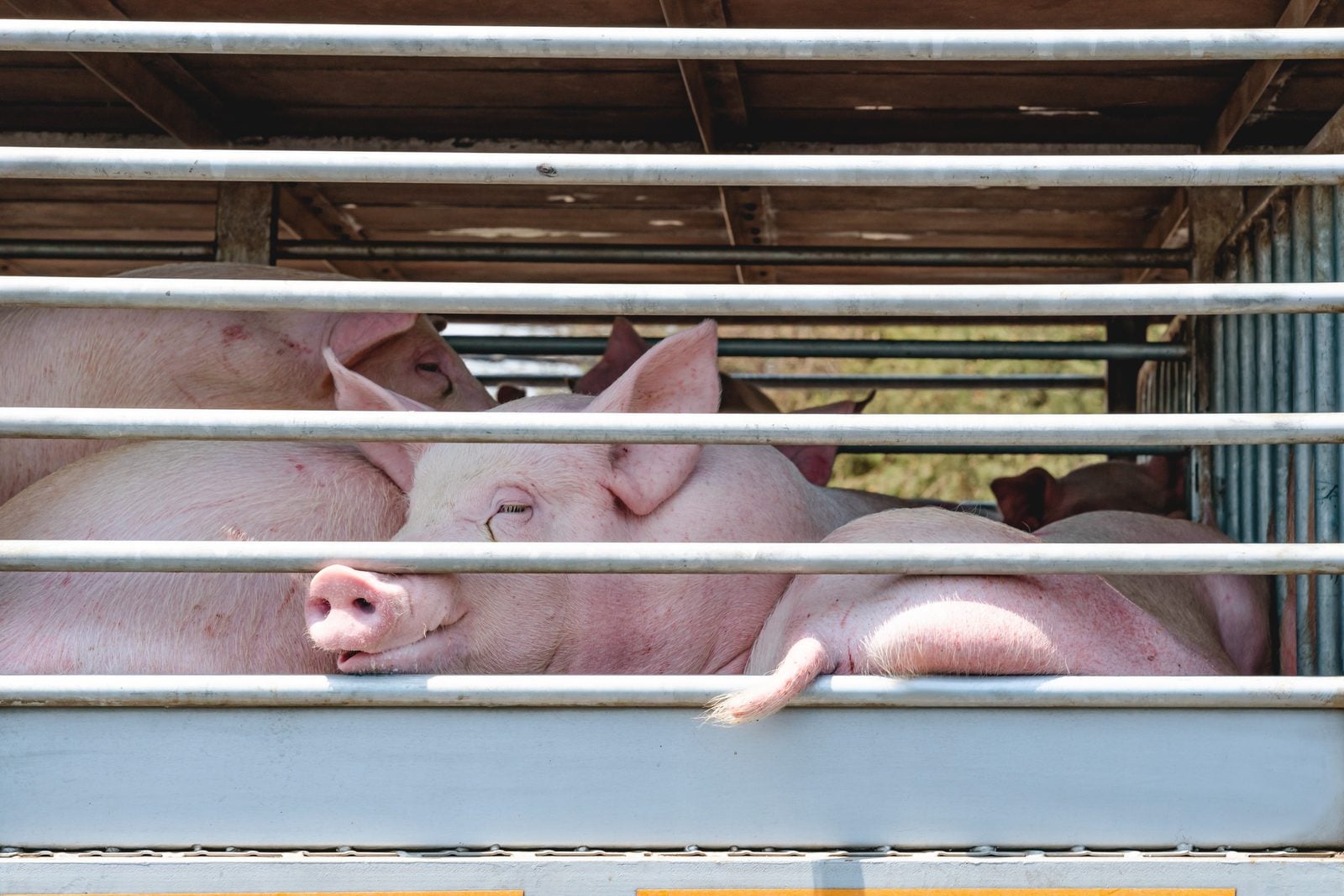
Stock image: pigs on a livestock transport truck. Photo: Adobe Stock
How other countries compare.
Take Germany, Europe’s other pig giant. There is no federal inspection agency at all. Inspections are run by the 16 states and carried out by local veterinary offices. Federal data show that in 2024 about 60,200 of roughly 287,700 livestock holdings subject to inspection were checked, a little over 21 percent (landwirtschaft.de). Violations turned up in almost a quarter of them.
On paper, that is close to where Denmark stands today. The difference Denmark is now making lies elsewhere: one agency, its own budget, and sentences that actually deter. Germany’s only federal office with “animal welfare” in its title, the Federal Animal Welfare Commissioner, has no inspection powers. Since September 2025 the post has been held by Silvia Breher, who is also a junior minister in the agriculture ministry she is supposed to hold to account (BMLEH). That is exactly the kind of arrangement Denmark has just dismantled.
Croatia shows that tougher sentencing is possible elsewhere in the EU, as we reported on its new animal cruelty penalties. And Denmark’s live exports are part of the same system that campaigners have been fighting on Europe’s ferries, where Brittany Ferries stopped carrying live animals.

Christiansborg Palace in Copenhagen, home of the Folketing and the Danish government. Photo: Adobe Stock
Better inspections, same ending.
More inspectors are good news for the pigs in Danish barns today. Every animal spared a bitten tail, an untreated wound or an overcrowded pen because someone finally came to check gains something real. That deserves credit, from us too.
What no agency can change is where the chain ends: at the slaughterhouse. The rules Denmark will now enforce more strictly still allow sentient animals to be kept, transported and killed because people want to eat them. That pigs feel pain, fear and boredom is established fact. EU law recognises animals as sentient beings in Article 13 of the Treaty on the Functioning of the European Union, and the scientists behind the 2024 New York Declaration on Animal Consciousness consider conscious experience a realistic possibility in all vertebrates.
Taste and habit are not a good enough reason. Inspections make this system less cruel. It only becomes unnecessary when fewer people buy what it produces. If you are thinking about that step, Veganuary is an easy way in, and our pick of the best vegan documentaries shows what inspections rarely see.
Independent reporting like this is funded by readers. If it matters to you, support This Is Vegan.
FAQ.
What is Denmark’s new animal welfare agency called?
Dyrevelfærdskontrollen, roughly “the Animal Welfare Inspectorate”. It belongs to the Ministry of Justice and begins work in early 2027.
When do the tougher penalties apply?
According to the Ministry of Justice, from 1 July 2027. Serious animal cruelty can then be punished with up to six years in prison instead of two.
Who pays for the extra inspections?
Mostly livestock farmers, through fees. The cost is around DKK 120 million in 2027, rising to about DKK 160 million a year from 2029.
How we researched this
All figures on the agency, staffing, costs, inspection rates and sentencing come from the Danish Ministry of Justice press release of 29 September 2026. Livestock numbers are from Statistics Denmark, German inspection figures from the Federal Office of Consumer Protection via landwirtschaft.de. Dyrenes Beskyttelse and the farming associations are interested parties, and we have attributed their statements accordingly. Euro conversions are rounded. English coverage also appeared in The Copenhagen Post.
Still open: the full list of all 15 measures and the exact inspection target for poultry have not yet been set out in draft legislation. The farm associations’ reactions are paraphrased from TV 2.
Want our reporting to show up first in Google's Top Stories? Add This Is Vegan as a preferred source on Google.