







Iceland could soon stop allowing commercial whaling. The government has announced that in February 2027 it will introduce a bill to overhaul Iceland’s whaling law, with a permanent ban on whale hunting explicitly on the table. Animal protection groups are calling it a milestone. Meanwhile the hunt is still going on: 80 fin whales have already been killed this summer. Diesen Artikel gibt es auch auf Deutsch.
Is Iceland banning whaling now?
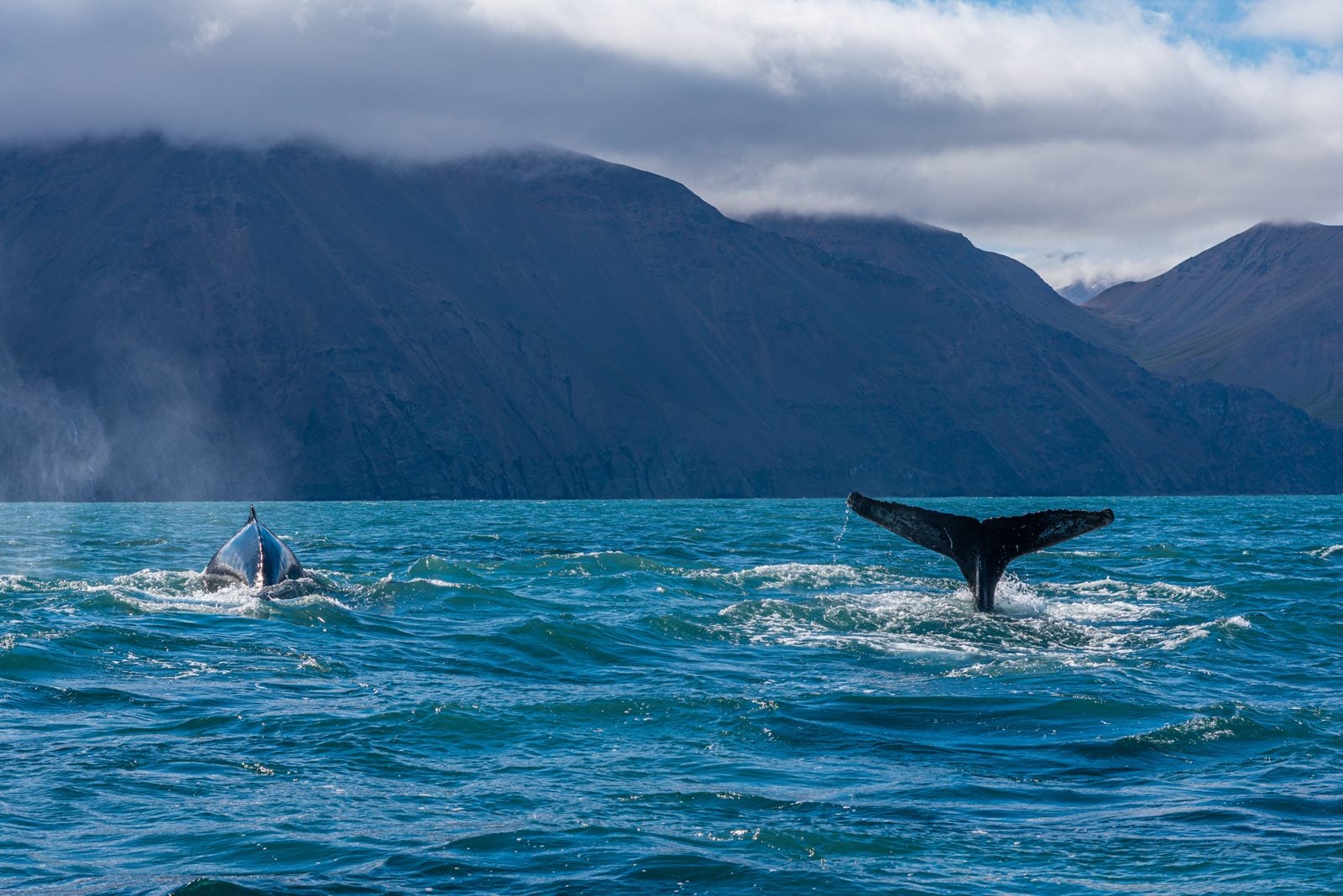
Not yet, but the process has started. According to the government’s legislative programme, Minister of Industries Hanna Katrín Friðriksson plans to present a complete revision of the 1949 Whaling Act in February 2027, with particular attention to a permanent ban. The governing coalition has a majority, but the law only takes effect once the Althing, Iceland’s parliament, has voted for it. Until then, the licences issued in 2024 remain valid.
Contents6 chapters
What the government announced.
The announcement appears in the Icelandic government’s list of planned bills for the 2026/2027 parliamentary session. The Ministry of Industries is responsible. The bill is to fully revise the Whaling Act, based on a 2025 working group report. Special consideration will be given to the arguments for a permanent ban and to the constitutional questions it raises, such as freedom of trade and the whaling company’s property rights.
Minister Hanna Katrín Friðriksson was clear in an interview with the Icelandic news site Vísir: she personally believes the arguments for whaling have run their course. There is no market for whale products, she said, and animal welfare and an unstable international trade environment also play a role. According to Iceland Review, this goes a step further than before, when the government had only said in general terms that it would present whaling legislation over the winter.
That matters because a law is more than a ministerial decision. Until now, Iceland’s whaling has depended on whether the government of the day issued licences, renewed them or temporarily suspended the hunt. A ban written into law would close that door for good.
80 fin whales in one summer.
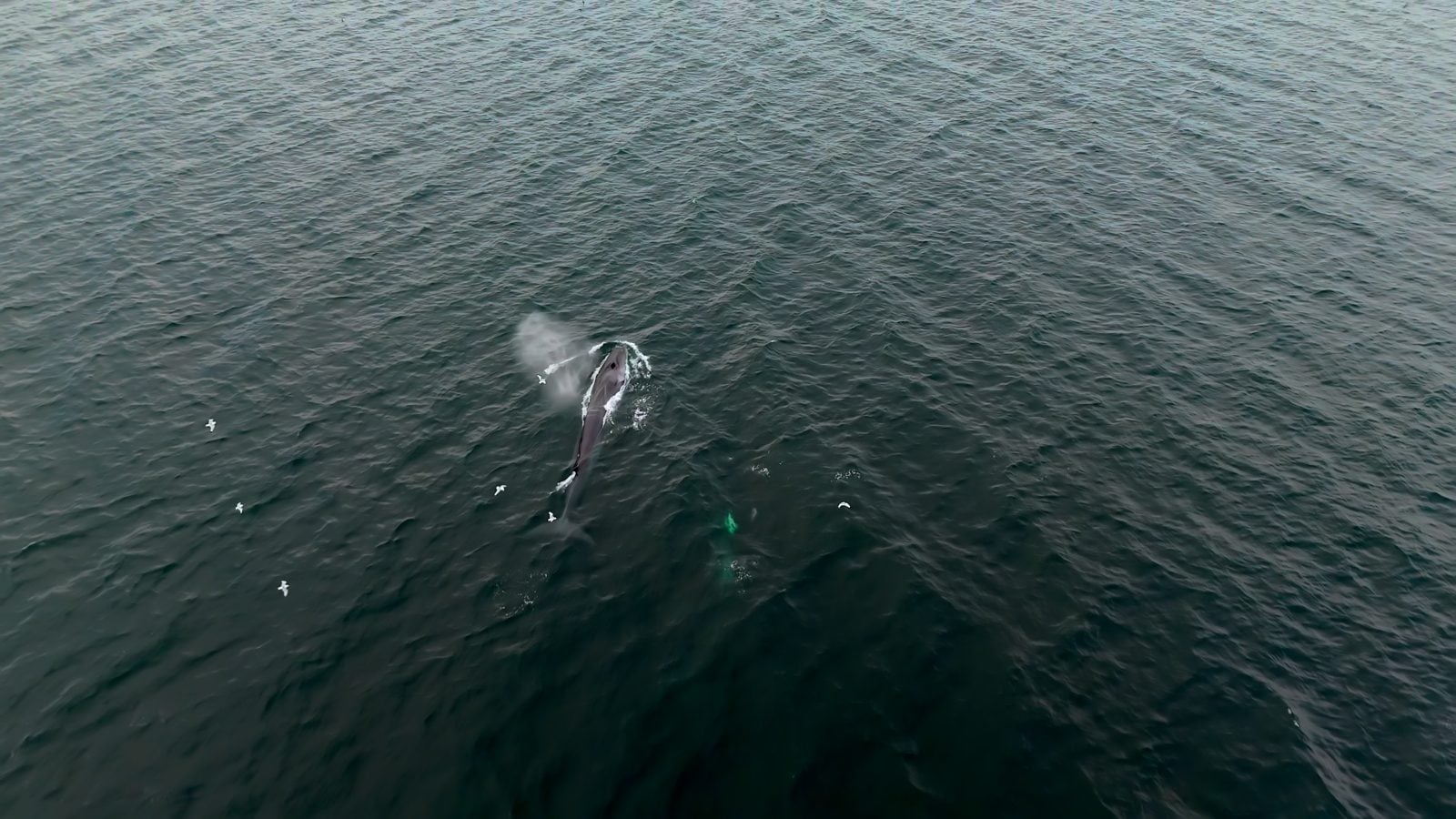
The current season shows how urgent this is. In June 2026, Hvalur hf., Iceland’s last remaining whaling company, harpooned fin whales for the first time in three years. By early September, Iceland Review counted 80 animals, out of a quota of 150 for this year. Fin whales are the second-largest animals on Earth after the blue whale and are listed as vulnerable globally on the IUCN Red List.
The organisation Humane World for Animals, formerly known as Humane Society International, also reports video footage from the whaling station in Hvalfjörður. It says the footage shows at least seven unborn calves being cut out of their killed mothers’ bodies and dragged away. These calves are not counted against the quota.
The suffering involved in the hunt is well documented. In 2023, Iceland’s Food and Veterinary Authority MAST found that during the 2022 season, 36 of 148 fin whales killed had to be shot more than once. Some animals took up to two hours to die. The authority concluded that the killing took too long to meet the aims of the Animal Welfare Act, and the minister at the time temporarily suspended the hunt in summer 2023.
“There is considerable political and public support for this bill to ban commercial whaling.” ●
Wendy Higgins, spokesperson for Humane World for Animals
Who supports it and who opposes it.
Humane World for Animals explicitly welcomed the announcement. There are “compelling ethical, veterinary, legal and conservation reasons to hope it succeeds,” spokesperson Wendy Higgins said according to The Animal Reader. The organisation is urging the Icelandic parliament to seize the opportunity.
Opposition comes from the region around the whaling station. Vilhjálmur Birgisson, chair of the workers’ union in Akranes, told Vísir that banning an entire industry is extremely serious. By his account, around 200 people depend on whaling during the season, and he believes property and labour rights are at stake. These are exactly the constitutional questions the government wants to address in the bill.
It is also unclear what will happen to existing licences. In December 2024, shortly before leaving office, the caretaker government under Bjarni Benediktsson issued five-year licences valid until 2029. Whether a ban would take effect immediately or include transition periods will only become clear with the draft.
Whale watching instead of harpoons.
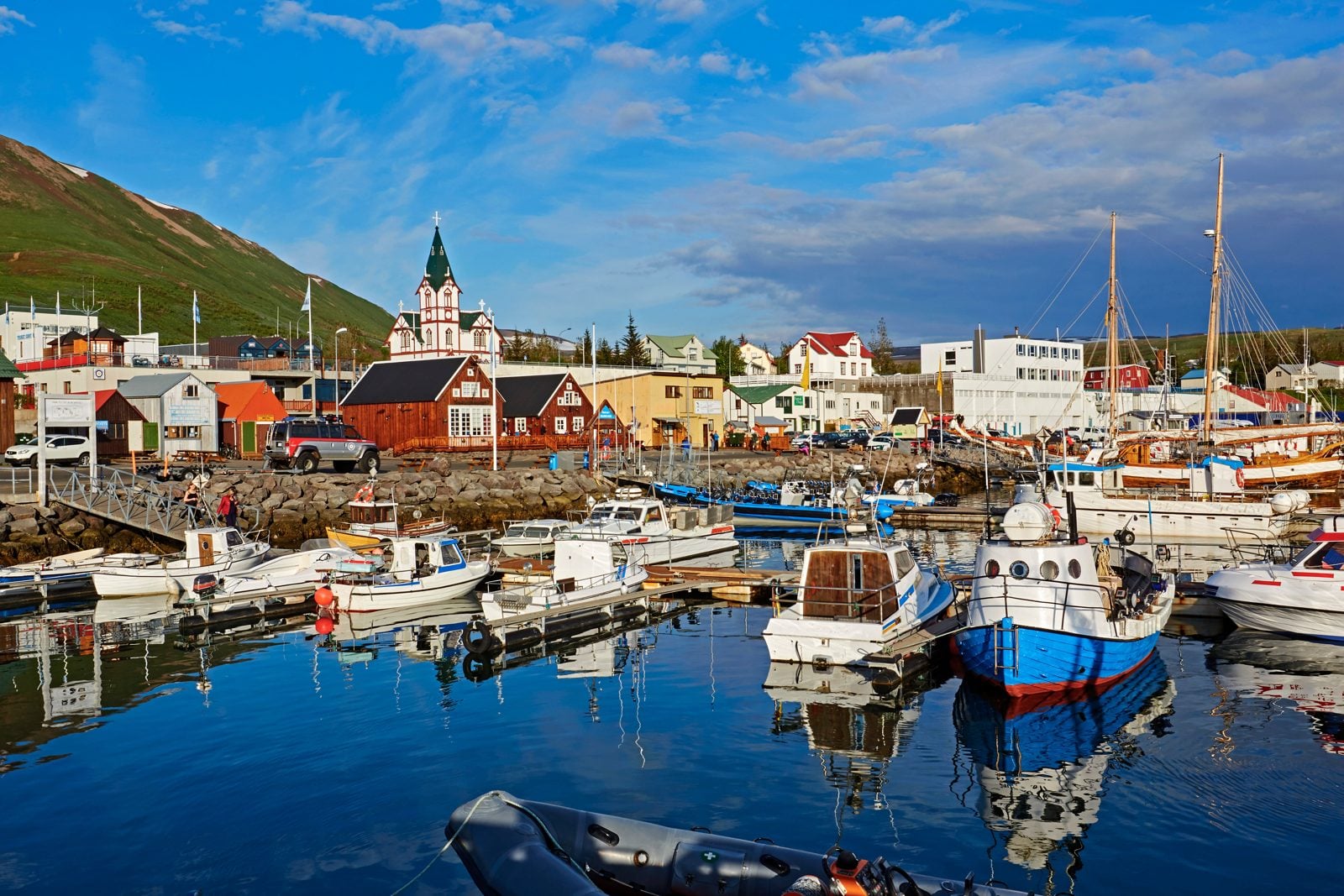
Economically, whaling hardly matters for Iceland any more, as even the responsible minister now says. Whale watching is another story: towns like Húsavík in the north rely heavily on visitors who want to see whales alive. If Iceland bans whaling, Norway and Japan would be the only countries left with commercial whaling.
An animal ethics perspective: mothers, calves and a life at sea.
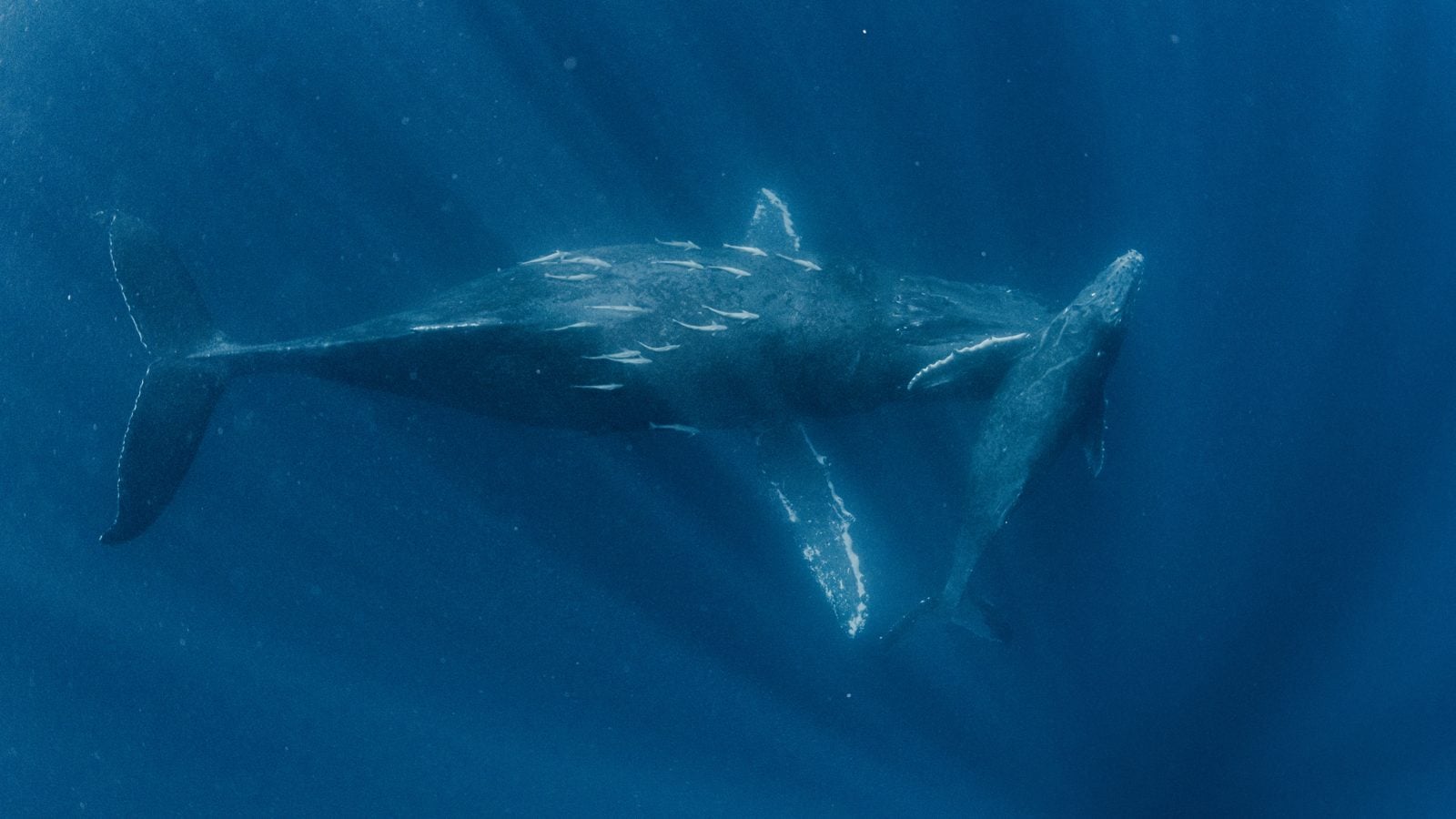
Fin whales can live to 80 or 90 years, they have social relationships and communicate with deep calls over long distances. The footage of unborn calves being cut from their mothers makes visible what a quota does not capture: every whale killed is an individual, and sometimes there are two.
Iceland also shows that things change when people keep pushing. A few years ago, whaling there seemed immovable. Today a minister openly says its time is up. For more on ocean protection, read our interview with marine biologist Robert Marc Lehmann.
On the podcast: Sarah Connor on orcas in captivity.
Whales belong in the ocean, not in front of harpoons and not in concrete tanks. That is what Yannick talked about with German singer Sarah Connor on the Plantbased Podcast: her work for orcas, her tears at a dolphin park and why nobody should buy tickets for orca and dolphin shows. The episode is in German; you can watch it in full here. A written version is available in our interview with Sarah Connor (in German).
How we researched this ●
Our sources are the Icelandic government’s legislative programme (Þingmálaskrá 2026/2027), reporting by Iceland Review and Vísir from 11 to 14 September 2026 and the statement by Humane World for Animals as quoted by The Animal Reader. Quotes from Icelandic sources were translated by us. The number of unborn calves comes from Humane World for Animals and has not been independently verified. The MAST assessment of the 2022 season was published in 2023. The photos are illustrative Adobe Stock images and do not show whales hunted in Iceland. As of 15 September 2026.
Want our reporting to show up first in Google's Top Stories? Add This Is Vegan as a preferred source on Google.