








Food

Rice protein – facts about the underestimated vegan protein source

runde Schüssel die mit Vollkorn Reis gefüllt ist
Vollkornreis weißer Reis Protein Nährstoffe

Protein powders are widely used, especially among people who are active in sports. Often used on Soy protein  or classic Whey Protein. Another and so far less known alternative is rice protein . It is suitable as part of a vegan diet and is also a good choice if you have a soy allergy. It is also lactose and gluten free.

With this article we provide you with all the important information about rice and rice protein powder and reveal for which people this protein source can be useful.

Rice protein - facts about the underestimated vegan protein source

Contents24 chapters
  1. 01Benefits of a plant-based diet for athletes
  2. 02Tips and tricks for starting a vegan diet as an athlete
  3. 03Vegetarian athletes
  4. 04Berit Kauffeldt – vegan national volleyball player and mindfulness expert
  5. 05David Haye, Sebastian Utz and Ünsal Arik – successful vegan boxers
  6. 06Lewis Hamilton – Formula professional and world champion
  7. 07Venus Williams – Wimbledon winner and vegan athlete
  8. 08Scott Jurek – ultramarathon runner and vegan
  9. 09Fiona Oakes – Running For Good
  10. 10Ralf Moeller – Vegan Actor and Ex-Bodybuilder
  11. 11Kuntal Joisher – Vegan to Mount Everest
  12. 12Novak Djokovic – tennis world star and vegan
  13. 13Patrik Baboumian – the strongest man in Germany
  14. 14Conclusion: A plant-based diet can also be successful for athletes
  15. 15PLANTBASED. – The This Is Vegan Podcast
  16. 16What is rice protein?
  17. 17Rice protein powder ingredients
  18. 18Additives and organic rice protein
  19. 19Whole grain rice vs. white rice
  20. 20Biological value
  21. 21Advantages of rice protein
  22. 22Arsenic content in rice products
  23. 23For whom is rice protein suitable?
  24. 24Use and dosage

What is rice protein?

Rice naturally contains proteins. In its raw state, rice has a protein content of slightly more than 7 g protein per 100 g. Rice protein is obtained from whole grain rice by isolating it from the germinated rice grains in a complex fermentation process . This results in a high-quality vegetable protein powder that is available as a supplement. It is 100% vegan, lactose-free and gluten-free. It is also soy-free, making it a good source of protein for people with allergies.

Rice protein powder ingredients

Rice protein powder contains about 80 g of high-quality vegetable protein per 100 g, depending on the manufacturer. It also scores with 3 to 5 g of dietary fiber per 100 g . In addition, it provides carbohydrates, fats, vitamins and minerals that are also contained in the whole rice grain. With regard to vitamins and minerals, it is not possible to make a clear statement about the amount contained, as this varies from manufacturer to manufacturer and is often not listed in the nutritional value table on the product page.

Additives and organic rice protein

When buying, make sure that no artificial flavors, preservatives or sugar have been added if you want to use a natural product. The naturalness testifies to high quality. Organic rice protein can also be a good choice, as it often contains no or only a small amount of additional ingredients. In addition, organic products contain fewer pesticides.

Whole grain rice vs. white rice

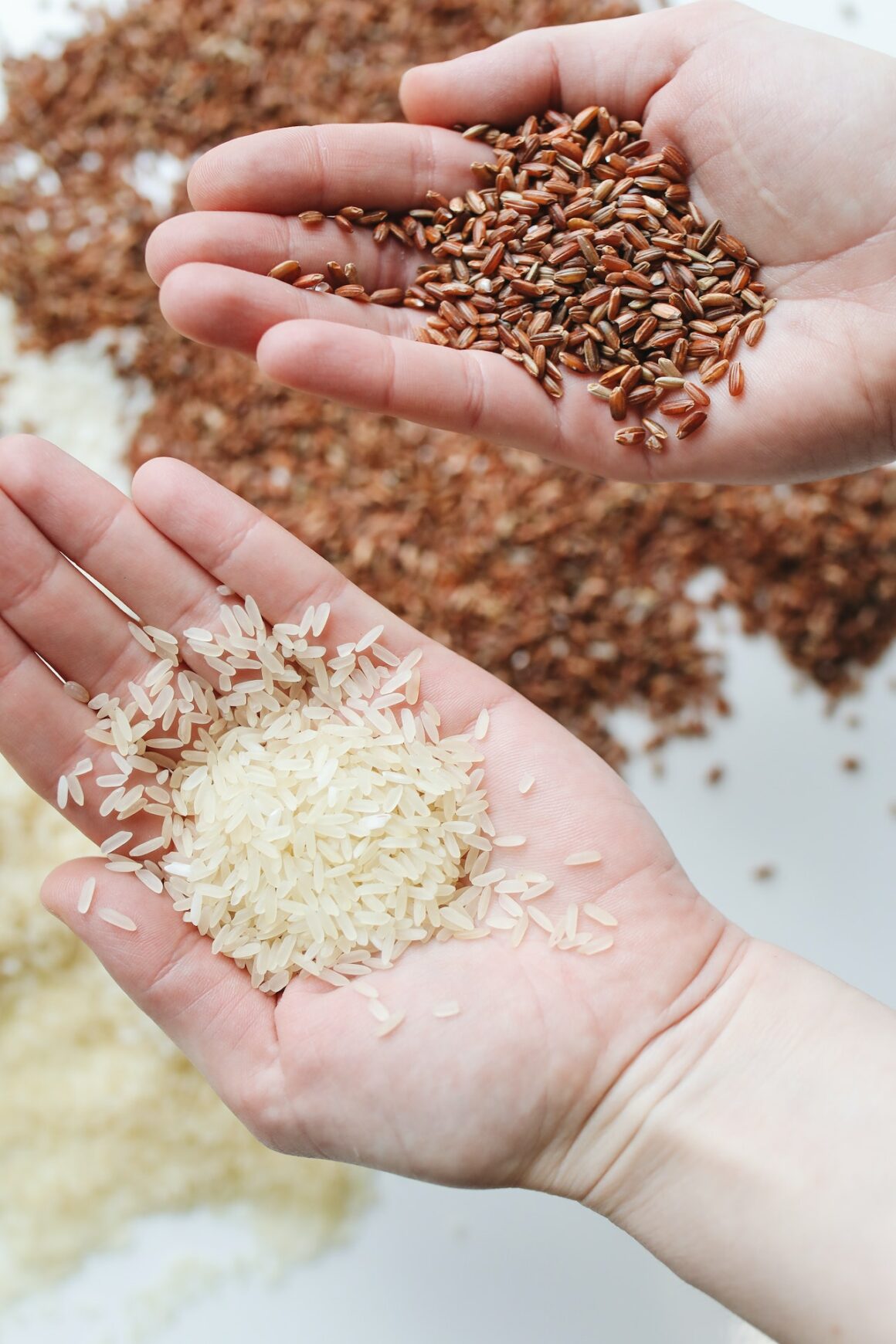
The rice grain from which rice protein is isolated consists of endosperm, seed coat, fruit coat and germ. Seed coat and fruit coat are also known as the silverskin . The endosperm consists largely of carbohydrates. Silverskin and sprout provide minerals, proteins, healthy fats and vitamins.

weißer Tisch auf dem Vollkornreis und weißer Reis verteilt liegen und zwei Hände die weißen und Vollkorn reis in den Händen halten


White rice
is polished so that mainly the endosperm, i.e. the carbohydrates, remain. It has a longer shelf life due to the absence of silverskin and seedling, but is also lower in nutrients.

At whole grain rice also known as brown rice, the whole rice grain is processed – including the nutrient-rich components. It has a longer cooking time and less shelf life. However, it convinces with the valuable ingredients from silverskin and germ. Rice protein powder is therefore made from whole grain rice.

The best of the magazine, once a week

New tests, recipes and real research, plus the discount codes from our partners. Free, unsubscribe any time.

Biological value

Rice protein powder, as already mentioned, has a relatively high protein content of about 80g per 100g. It provides all essential amino acids, although not in optimal relation to each other. Cereals contain only small amounts of the essential amino acid lysine – so does rice. To increase the biological value, that is, the efficiency with which the body can use the proteins, the combination with legumes is ideal. Rice protein powder is therefore often available in combination with pea protein. Peas provide more lysine than rice, so the amino acids complement each other perfectly. The amino acid profile thus corresponds almost perfectly to the needs of the human body.

Also interesting:

You can read more about plant-based protein sources and vegan sports nutrition here.

Advantages of rice protein

Arsenic content in rice products

Rice and rice products such as rice wafers, rice flakes, rice porridge and rice protein powder are suspected of containing relatively high levels of inorganic arsenic. Arsenic is classified as carcinogenic for humans. Since 2016, there have been limits in the EU that the arsenic content in food must not exceed. However, it has not yet been conclusively clarified at what quantity a health hazard exists.

A safety margin is listed for infants and young children, so the limits for children’s foods are even lower. In most cases, the arsenic content applies according to the Federal Ministry for Risk Assessment is considered to be harmless. So rice is not unhealthy. On the contrary, rice is a valuable staple food that is widely consumed around the world , and rice products can also be consumed in moderation.

For whom is rice protein suitable?

Proteins are essential for life and are involved in many processes in the human body. Most people can obtain sufficient protein from their diet. Even with a vegan diet, protein requirements can usually be met through a sensible and varied combination of foods.

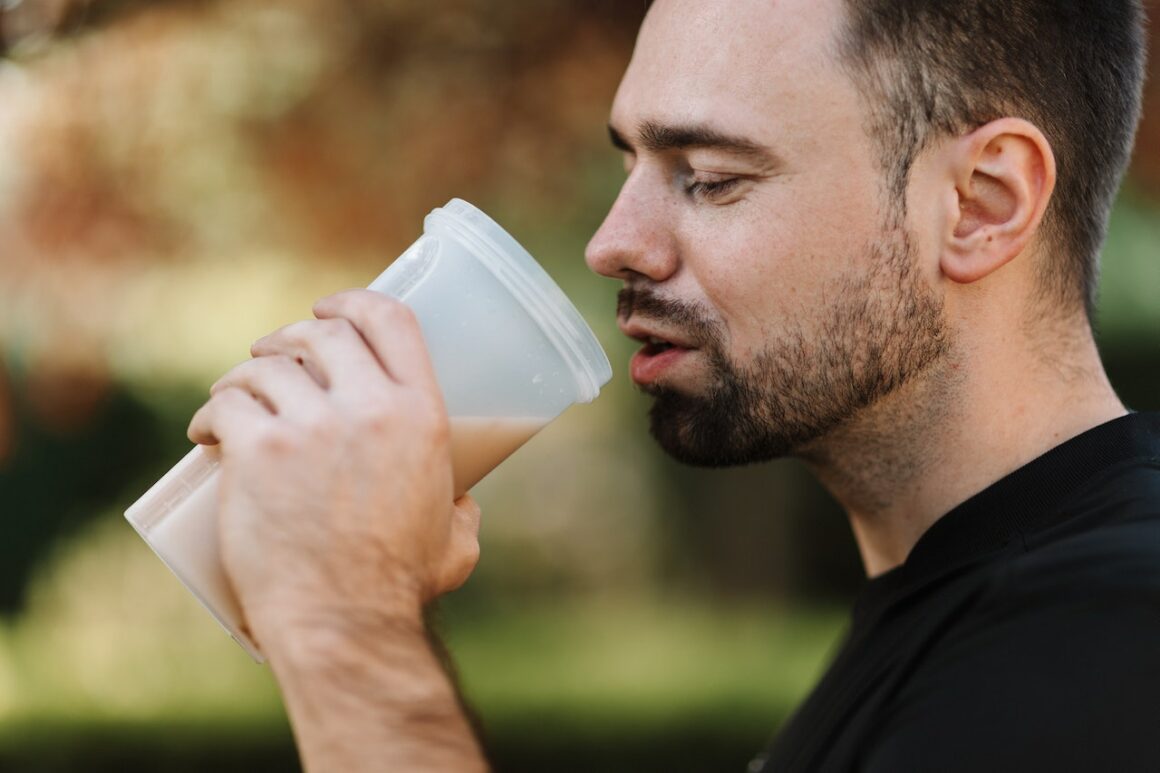
However, for some groups, it may be useful to supplement the daily diet with high-quality protein powder to ensure adequate supply. These are especially people who have an increased protein requirement, such as competitive athletes and bodybuilders. For example, with a high workload of sports and therefore high energy consumption, consuming protein shakes made from rice protein can help maintain or gain weight as well as build muscle mass.

Also older people from the age of 65 have an increased protein requirement. The intake of proteins in the form of liquid food can be helpful here. If solid foods are difficult to ingest, for example, due to difficulty swallowing, smoothies can be fortified with protein powder to help maintain weight and muscle mass.

Rice protein powder is also a good alternative for people with soy allergy, celiac disease, gluten sensitivity or lactose intolerance, because rice protein is usually well tolerated.

Use and dosage

For a protein sh ake, you can simply dissolve 30 g of rice protein in 150 to 200 ml of water and shake well. Alternatively, you can use vegan plant-based drinks instead of water. Almond or rice drink, for example, are well suited.

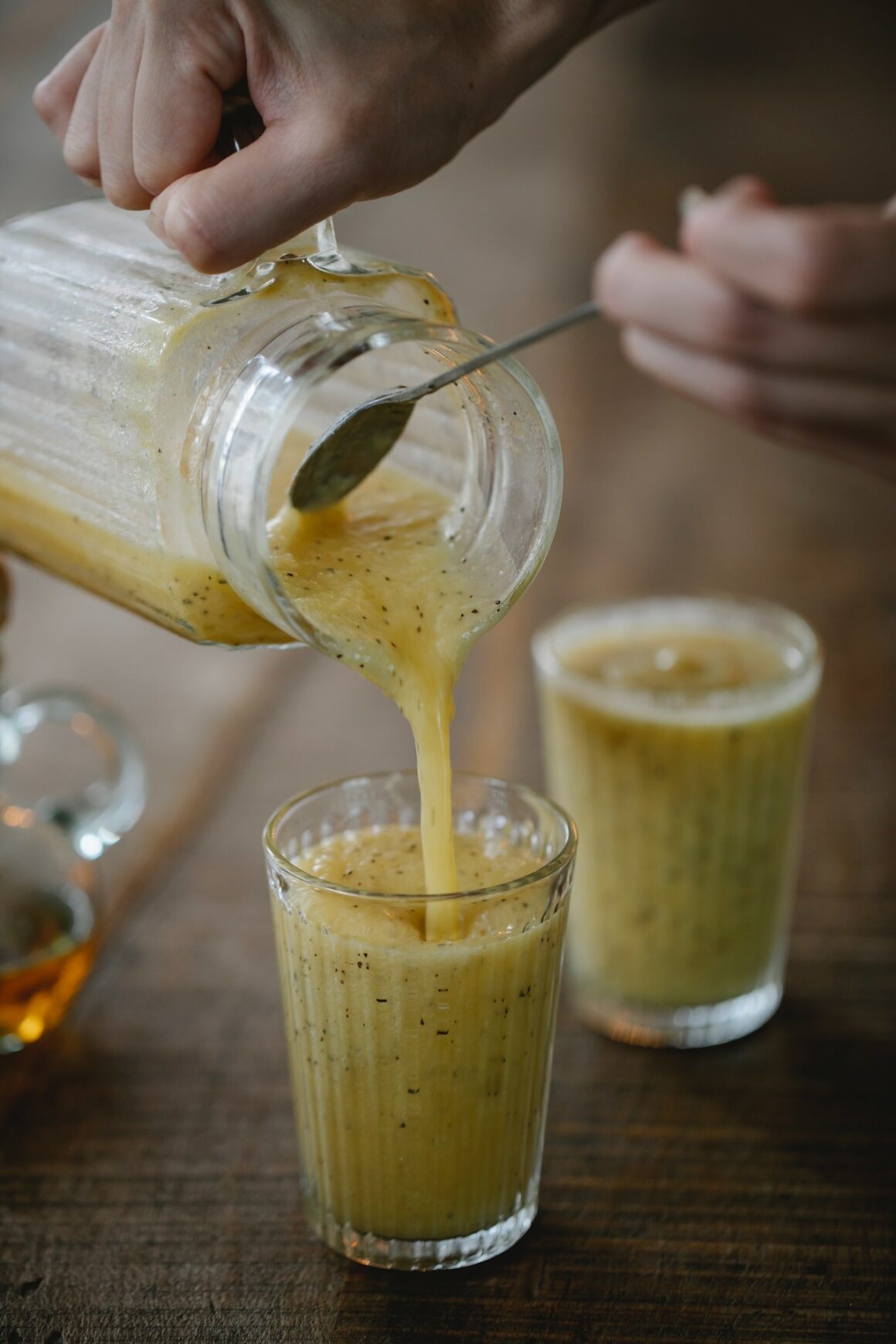
The often somewhat sandy taste of rice protein can be reduced by stirring it into smoothies . Banana, berries and co. give an additional vitamin kick and provide a pleasant fruity taste. Smoothies are also great to prepare ahead of time so you have them on hand when you need them – just be sure to store them in a cool, dry place.

You can also enrich puddings, mueslis, yogurt or pancakes with rice protein. In baking, rice protein can also be used as a vegan egg substitute. Baking and cooking destroys some of the valuable ingredients of rice protein, but dishes can still be enhanced by the high protein content.

You want to support the work of This Is Vegan?

On our pages you will find so-called affiliate links. When you buy your favorite products through them, we receive a commission, which automatically supports us.

By buying the sustainable reusable cups from us you support the Papillon charity farm or
Sea Shepherd
.

Alternatively you can follow us
here on Instagram
or here on
Linkedin

follow our podcast listen, subscribe and rate directly here:

Thank you. 💚🙏🏽

Portrait von Yannick Haldenwanger, veganer Aktivist und Autor.
Yannick Haldenwanger

Podcast

Contents15 chapters01Benefits of a plant-based diet for athletes02Tips and tricks for starting a vegan diet as an athlete03Vegetarian athletes04Berit Kauffeldt, vegan national volleyball player and mindfulness expert05David Haye, Sebastian…
View Post
Read more "
Häufige Fragen

FAQ - What readers ask

What is rice protein?
Rice naturally contains proteins. In its raw state, rice has a protein content of slightly more than 7 g protein per 100 g. Rice protein is obtained from whole grain rice by isolating it from the germinated rice grains in a complex fermentation process . This results in a high-quality vegetable protein powder that is available as a supplement. It is 100% vegan, lactose-free and gluten-free.
For whom is rice protein suitable?
Proteins are essential for life and are involved in many processes in the human body. Most people can obtain sufficient protein from their diet. Even with a vegan diet, protein requirements can usually be met through a sensible and varied combination of foods. However, for some groups, it may be useful to supplement the daily diet with high-quality protein powder to ensure adequate supply.