






Miniature organs grown from the tissue of real patients. Lab-grown ear models for hearing research. Beating heart cells in a dish, meant to replace tests on dogs and monkeys. The UK is putting £22 million behind exactly these methods.
Science Minister Chris McDonald called it “another significant step forward in the UK’s move away from animal testing in science and research.” Read from Germany, it raises an obvious question: where is the equivalent here?
The short version
- £20 million goes to a new research hub in Cambridge that builds human tissue models from samples donated by NHS patients and shares them with other labs.
- £2 million goes through Innovate UK to nine projects, including lab-grown heart tissue, ear models for hearing loss research and AI that predicts how a drug behaves in the body.
- It is part of a national strategy the UK launched in November 2025 with £75 million.
- Germany’s promised reduction strategy was never published.
Diesen Artikel gibt es auch auf Deutsch: 22 Millionen Pfund für Mini-Organe.
Contents7 chapters
What is actually being funded
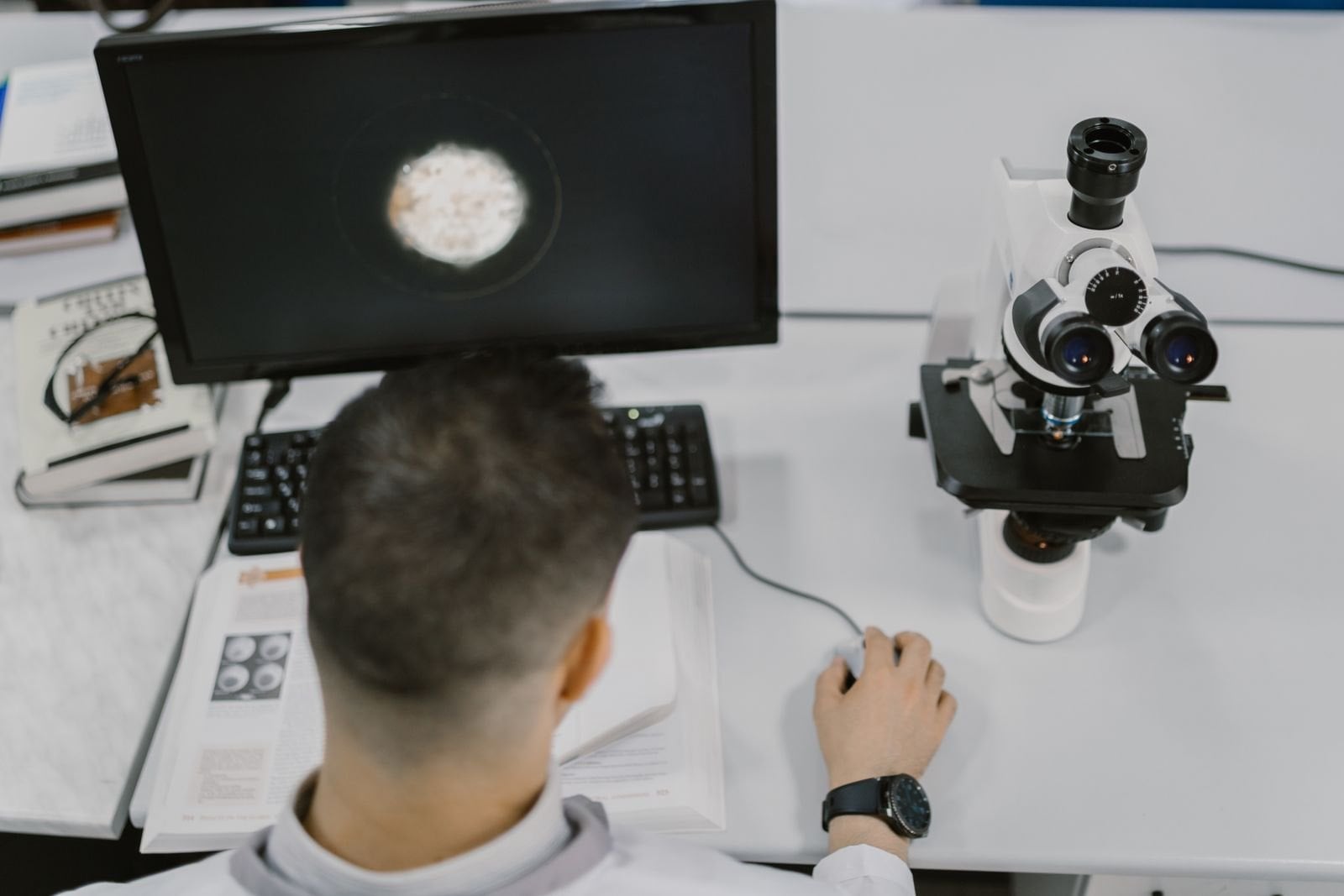
The larger share, £20 million, goes to the new Pre-clinical Translational Models Hub on the Cambridge Biomedical Campus, run by the MRC Laboratory of Molecular Biology and the Wellcome Sanger Institute.
The idea is simple and its implications are not: tissue samples donated by NHS patients are used to grow human models on which new compounds can be tested. The hub is meant to build those models and then make them available to other research groups and companies. That is where the field has been stuck. Systems like these already exist, they are just expensive, laborious and scattered across individual labs.
The second pot, £2 million, is distributed by Innovate UK across nine projects. A few examples:
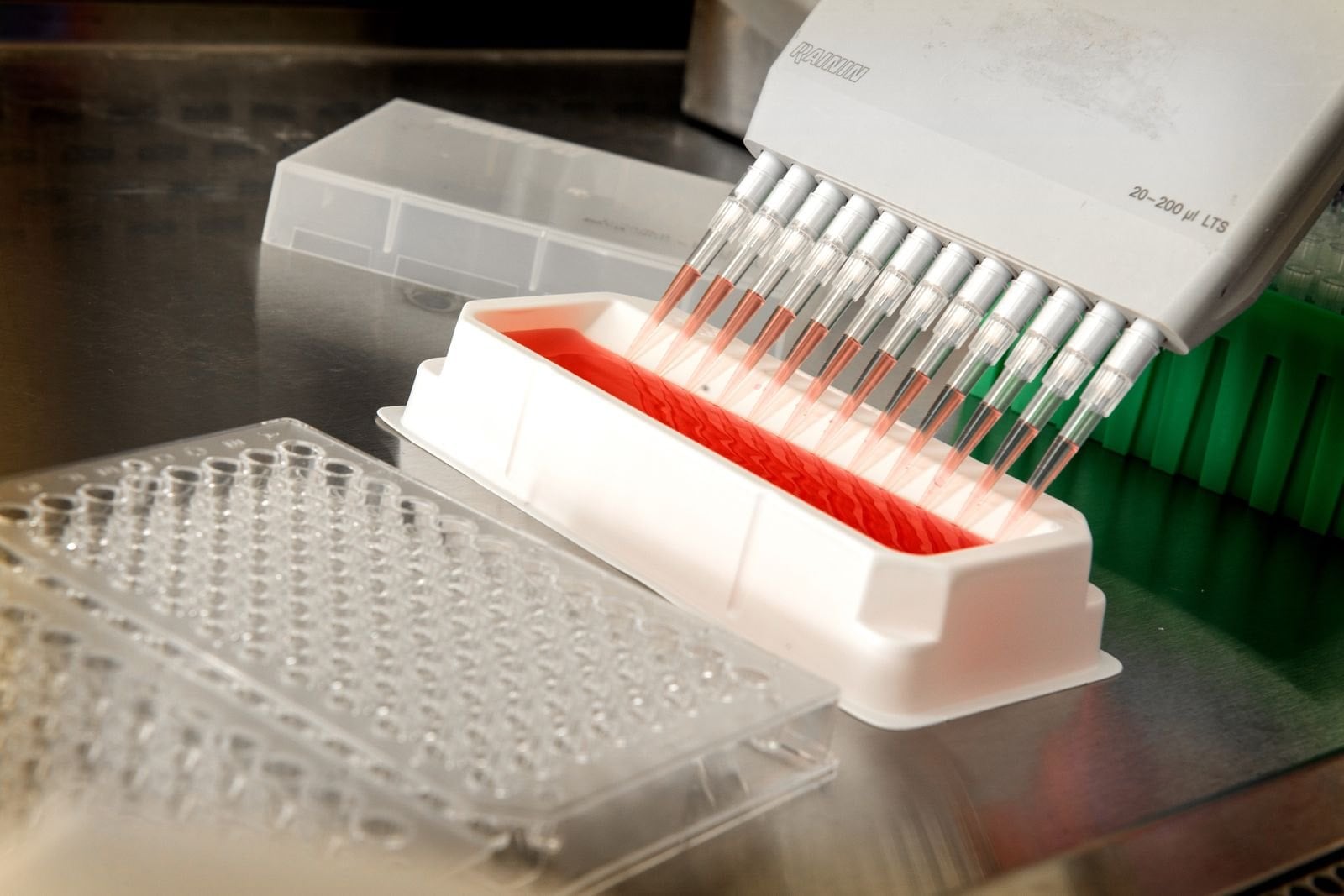
- Lab-grown heart tissue that reveals drug side effects before a human swallows anything.
- Ear models for hearing loss research.
- AI platforms that predict how a compound moves through the human body.
- Feasibility work on replacing the safety studies that still use dogs and monkeys.
That last point is the one to watch. Safety testing before first use in humans is precisely the area where studies on dogs and primates are still required, or at least expected, by regulators.
Why organoids can do something animal models cannot
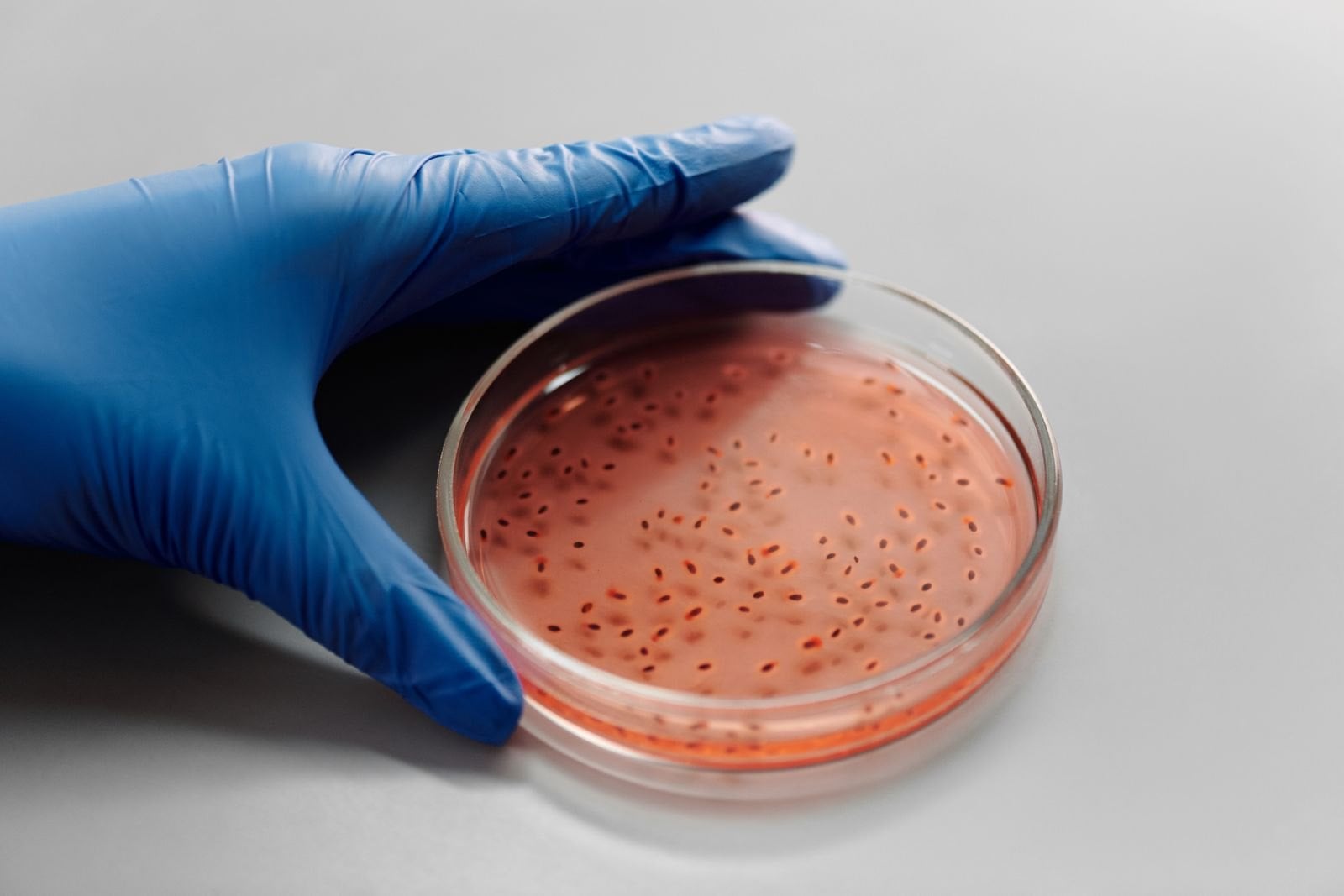
Juliet Dukes, research manager at Replacing Animal Research, put the advantage this way:
“One of the huge advantages of organoids, organs-on-a-chip and other in vitro microphysiological systems is that, unlike animal models, they have real potential to deliver the promise of truly personalised medicine for individual patients.”
The load-bearing phrase is “unlike animal models”. A model grown from one person’s tissue reflects that person’s biology. A mouse does not, however carefully the experiment is designed.
An umbrella review in PLOS Biology put a number on the gap: of 100 compounds that pass animal testing, only five are eventually approved. We covered that analysis in detail in German: Von 100 Wirkstoffen aus dem Tierversuch kommen 5 an (in German).
How many animals this is about
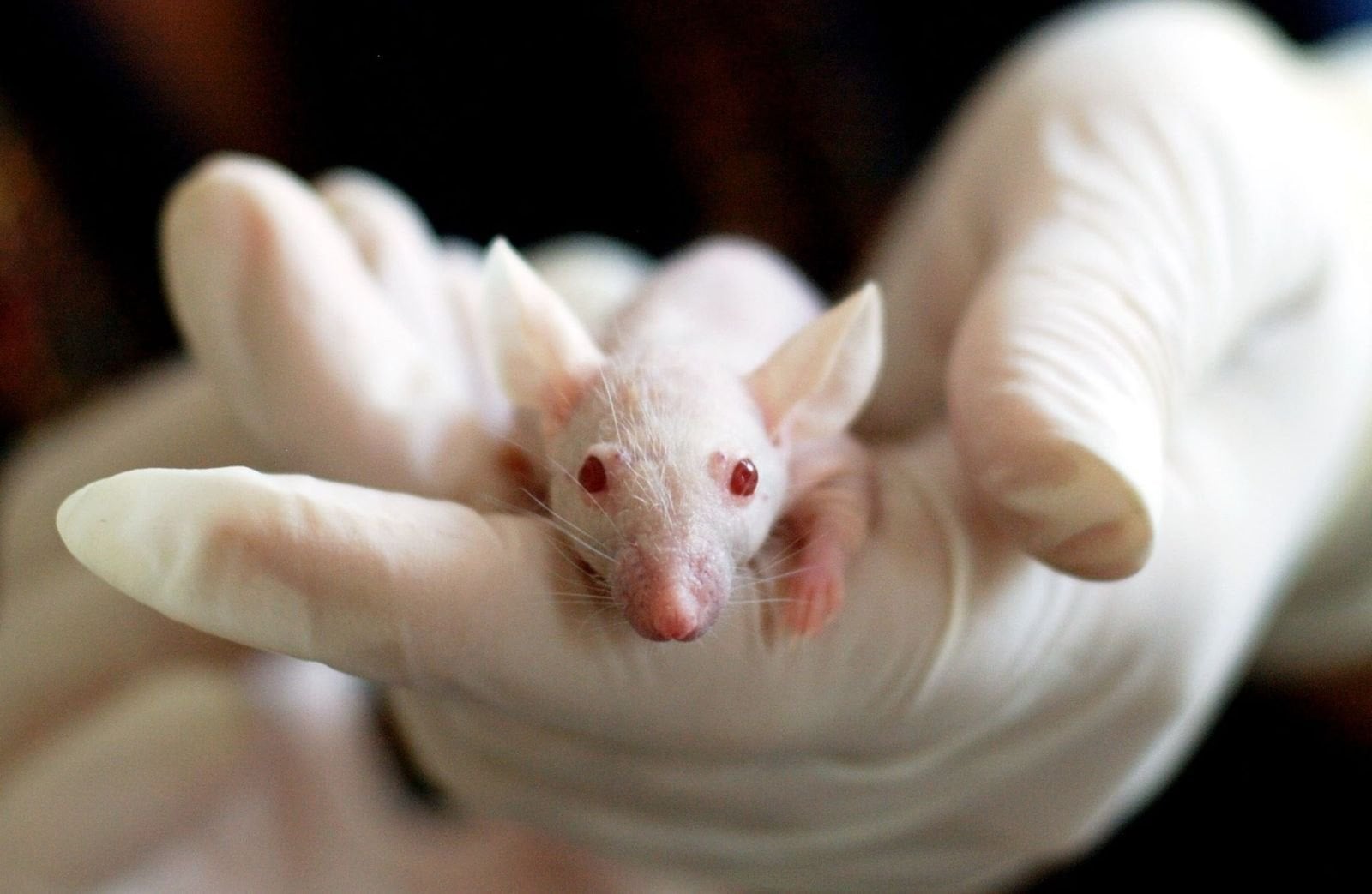
Great Britain recorded roughly 2.54 million procedures on animals in 2025, 3.8 percent fewer than the year before. In Germany, labs used around 1.33 million vertebrates and cephalopods in animal experiments in 2024 according to the German Centre for the Protection of Laboratory Animals (Bf3R), about 9 percent fewer than in 2023 and the fifth consecutive annual decline.
That figure only captures part of the picture. Animals killed for the removal of organs and tissue are not included in it. Counting them pushes the total considerably higher.
£22 million will not change those numbers on its own. This is seed funding, not an end date. Set against the billions that flow into conventional preclinical research worldwide, the sum is small. What is different is that the UK has committed to a direction at all.
And Germany?
This is where it gets uncomfortable.
The former German coalition promised a reduction strategy for animal testing in its coalition agreement. Publication was announced for April 2025. It never appeared. In May 2025, Ärzte gegen Tierversuche, Menschen für Tierrechte and PETA Deutschland criticised this jointly and appealed to the incoming government not to undo the work that had already gone into it.
According to those organisations, little has happened since. While the UK launched its Replacing Animals in Science Strategy in November 2025 with £75 million, and its medicines regulator MHRA offered early review of data from non-animal methods in March 2026, Germany still has no comparable programme.
At EU level there is at least movement. On 1 June 2026 the Commission adopted its Roadmap towards phasing out animal testing for chemical safety assessments, with more than 30 recommendations for a step-by-step phase-out in chemical safety. How quickly that turns into binding rules is an open question. For a sense of the pace, look at the botulinum toxin mouse test, which took Ärzte gegen Tierversuche almost two decades to get onto the chopping block: The end of botox animal testing is getting closer.
Ärzte gegen Tierversuche on the TIV podcast
Why more than 90 percent of compounds that succeed in animal testing fail in humans, and what modern research can do instead: we discussed it with Dr Corina Gericke and Claus Kronaus of Ärzte gegen Tierversuche, Germany’s doctors against animal experiments. The full interview is here to read and the whole episode is below. The episode is in German. Clicking the preview starts the player, nothing loads from YouTube before that.
Why we do not read this as a pure progress story
“Better for humans and animals” is a likeable formula, and it happens to be true. It also only describes half of what is at stake.
A mouse, a beagle, a macaque have interests. They feel pain, fear and stress, and they have no interest in dying in a procedure whose benefit to humans materialises in five out of a hundred cases. An animal experiment is not an unfortunate side effect of progress. It is a decision to weigh the life of a sentient being against a possible benefit, taken without that being ever having a say.
So there is more riding on this £22 million than better science. A government is conceding something: the alternatives exist, they are underfunded, and that is a political choice which can be changed. The same choice is sitting on the table in Germany.
The same principle applies at the dinner table. If you would rather not use animals for medicines, there is little reason to kill them for a meal that has equivalent plant-based versions.
What you can do
- Shop for cruelty-free cosmetics and cleaning products. We described how the law is shifting internationally using the example of the US: Nevada bans animal testing for cleaning products (in German).
- Stay on it politically. Ten organisations raised the alarm about Germany’s planned animal testing law: the background is here (in German).
- Go deeper. We asked experts how much sense animal testing really makes: the interview (in German).
Sources and context
The announcement dates from 12 August 2026: UK government press release. The quotes from Chris McDonald and Juliet Dukes appear there and in the reporting by Plant Based News.
German laboratory animal figures come from the federal ministry’s laboratory animal statistics, based on the survey by the German Centre for the Protection of Laboratory Animals (Bf3R), reporting year 2024. On the unpublished reduction strategy we refer to the joint statement by Ärzte gegen Tierversuche of 12 May 2025. The EU roadmap is published by the European Commission.
Context: this is a funding commitment, not a ban and not a phase-out date. Whether and how fast the funded methods gain regulatory acceptance will be decided over the coming years. All images are stock images from our library.
Want our reporting to show up first in Google's Top Stories? Add This Is Vegan as a preferred source on Google.